
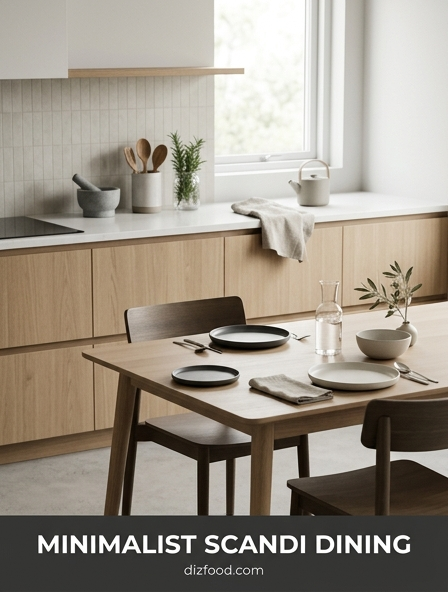
Neutral Palettes for Social Kitchens
The foundation of a Scandinavian kitchen lies in its ability to foster social interaction through a subdued and thoughtful color palette. By utilizing shades of off-white, soft greys, and muted beiges, the environment becomes a canvas that highlights the people within the space rather than the objects surrounding them. These neutral tones reflect natural light, making the kitchen feel airy and expansive, which is essential for hosting gatherings without feeling cramped.
When selecting a palette for a social kitchen, consider how different hues interact with the time of day. Morning light brings out the crispness of whites, while evening shadows add depth to stone-colored surfaces. To achieve a balanced aesthetic, incorporate the following elements:
- Bone or eggshell cabinetry to soften the visual impact.
- Light oak or ash wood accents for a touch of organic warmth.
- Matte black hardware to provide a modern, grounded contrast.
- Pale ceramic backsplashes that catch subtle reflections.
A neutral backdrop minimizes visual noise, allowing conversations to flow more naturally. It creates a timeless atmosphere where guests feel immediately at ease, ensuring the focus remains on shared meals and meaningful dialogue rather than distracting decor.
The Minimalist Heart of Gathering
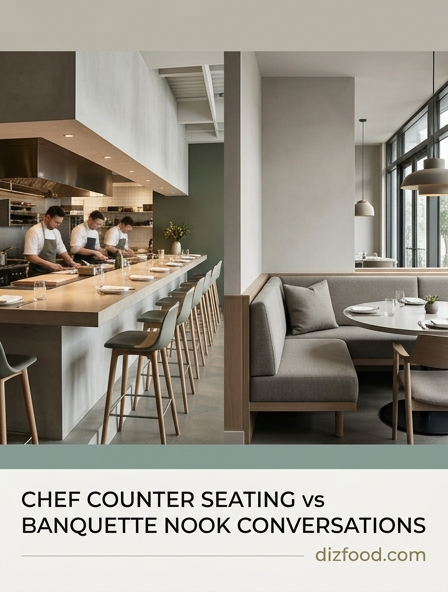
In the heart of the home, the minimalist Scandi kitchen serves as a sanctuary for connection. The philosophy centers on the idea that by removing the superfluous, we make room for what truly matters: human interaction. This approach transforms the kitchen from a mere utilitarian zone into a communal hub where the act of cooking becomes a shared performance. An expansive, clutter-free island often serves as the centerpiece, acting as both a preparation surface and an informal dining area.
To maximize the social potential of this space, the layout must be intentional. Every item should have a purpose and a designated place, hidden behind seamless cabinetry to maintain a sense of order. This structural clarity reduces the stress often associated with hosting. Follow these steps to refine the gathering space:
- Clear all non-essential appliances from the countertops.
- Introduce comfortable, minimalist seating that encourages lingering.
- Utilize hidden storage to keep the visual field open and inviting.
- Incorporate a single, sculptural light fixture to define the zone.
By prioritizing openness and simplicity, the kitchen invites guests to lean in and participate, turning the preparation of a meal into a collaborative and memorable event.
Intentional Design for Culinary Connection
Intentional design within the Scandi kitchen is about creating a bridge between the chef and the guests. The physical boundaries that once separated the cooking area from the dining area are dissolved, promoting a fluid exchange of energy and conversation. This layout ensures that whoever is preparing the meal is never isolated from the social circle. High-quality materials like quartz or honed marble provide durable surfaces that are as beautiful as they are functional, inviting guests to gather around the workspace.
Ergonomics play a vital role in this connection. The distance between the stove, sink, and prep area is optimized not just for efficiency, but to allow multiple people to move freely within the space. When the environment is designed for ease of movement, it encourages spontaneous help from guests-chopping vegetables or pouring wine becomes a natural extension of the gathering. This shared labor fosters a deeper sense of community and appreciation for the culinary process. Every handle, faucet, and hinge is chosen for its tactile quality, ensuring that the experience of using the kitchen is as satisfying as the meal itself. This focus on intentionality ensures the kitchen remains a place of joy and togetherness.
Creating Calm in Shared Spaces
A minimalist Scandi kitchen is designed to be a psychological retreat. The use of clean lines and a restricted color palette helps to lower the heart rate and clear the mind, which is particularly beneficial during the high-energy atmosphere of a dinner party. By reducing sensory overload, the design allows the sounds of laughter and the aroma of fresh ingredients to take center stage. This calm atmosphere is achieved through a meticulous balance of hard and soft surfaces.
| Element | Contribution to Calm |
|---|---|
| Handleless Cabinets | Reduces visual clutter and sharp edges. |
| Integrated Appliances | Maintains a seamless, continuous aesthetic. |
| Acoustic Panels | Dampens echoing in open-plan layouts. |
| Indirect Lighting | Eliminates harsh glares and creates warmth. |
When the kitchen environment is serene, the host feels more grounded and the guests feel more relaxed. This tranquility is the hallmark of Scandinavian living, where the home is a refuge from the chaotic outside world. The result is a space that facilitates deep relaxation and genuine social bonding.
Serene Color Schemes for Hosting
The choice of color in a Scandi-inspired dining space significantly influences the mood of a social gathering. While white is the traditional choice, modern interpretations embrace "new neutrals" like sage green, dusty rose, and slate blue. These colors are inspired by the Nordic landscape-think of lichen-covered rocks, wintry skies, and forest floors. When these tones are applied to walls or cabinetry, they provide a sophisticated yet humble backdrop that enhances the warmth of candlelight and the vibrancy of fresh food.
Serene color schemes are particularly effective when hosting because they do not compete for attention. Instead, they provide a soft, enveloping feel that makes the room feel cozy, a concept known as "hygge." By keeping the saturation low and the tones earthy, the kitchen becomes a timeless environment that adapts to any occasion, from a casual brunch to a formal evening meal. The continuity of color across different surfaces-from the floors to the ceiling-can also help to blur the edges of the room, making a small kitchen feel much larger and more welcoming to a group of people. This tonal harmony is the secret to a successful hosting environment.
Simplicity as a Social Foundation
In a world of excess, the minimalist kitchen stands as a testament to the power of simplicity. This design ethos argues that we do not need elaborate decorations to host a successful gathering; rather, we need a space that functions perfectly. When every tool is accessible and every surface is clear, the act of hosting becomes effortless. Simplicity removes the barriers to entry for social interaction, making it easy to host spontaneously without the need for extensive preparation.
To build a social foundation based on simplicity, focus on the quality of your essentials. A few well-chosen items are better than a plethora of gadgets. Consider these core components for a minimalist dining experience:
- A solid wood dining table that ages gracefully.
- Stackable, understated ceramic plates in neutral tones.
- Uniform glassware that works for both water and wine.
- Linen napkins in oatmeal or charcoal for a tactile touch.
By stripping away the unnecessary, you create a space that is honest and approachable. This lack of pretension invites guests to be themselves, fostering an environment where authenticity thrives and the connection between people is the primary focus of the evening.
Curated Textures for Warm Interactions
Minimalism does not have to mean coldness. In Scandinavian design, texture is the key ingredient that introduces warmth and character into a neutral space. By layering different materials, you can create a kitchen that feels rich and inviting despite its lack of color. Think of the contrast between a smooth, cool stone countertop and the rough grain of a reclaimed wood cutting board. These tactile variations stimulate the senses and make the environment feel more human and "lived-in."
When guests enter a kitchen filled with curated textures, they are instinctively drawn to touch and interact with the space. A woven jute rug under the dining table, a sheepskin throw draped over a wooden chair, or a handmade clay vase on the island all contribute to a sense of comfort. These elements soften the hard lines of modern cabinetry and provide a sense of history and craftsmanship. In a social setting, these textures provide a cozy "nest" for guests, encouraging them to stay longer and engage more deeply. The interplay of light on different surfaces-the way it absorbs into wool or reflects off brushed brass-adds a dynamic layer of beauty that evolves throughout the night, enhancing the overall social experience.
The Art of Quiet Entertaining
Quiet entertaining is a movement away from the performative and toward the personal. It is about the subtle details that make a guest feel cared for without the need for grand gestures. In a Scandi-style kitchen, this manifests as a focused approach to hospitality where the atmosphere is hushed and the intentions are clear. The layout and design should support a low-stress environment where the host can engage with guests while final meal touches are applied. The beauty lies in the lack of noise, both literal and visual.
To master the art of quiet entertaining, consider the following practices to keep the energy focused and calm:
- Prepare as much as possible beforehand to minimize kitchen activity.
- Use low-level, warm lighting to create an intimate "campfire" effect.
- Serve meals family-style on the main island to encourage sharing.
- Keep the background music at a volume that supports, rather than competes with, talk.
This approach values presence over presentation. By maintaining a quiet, minimalist environment, you allow the nuances of conversation and the subtle flavors of the food to become the highlights of the evening, creating a lasting impression of peace and genuine connection.
Fluid Kitchen Layouts for Connection
The modern Scandi kitchen is rarely a closed-off room; it is a fluid extension of the living and dining areas. This open-concept layout is essential for connection, as it removes the physical and social walls that traditionally separated the "work" of the kitchen from the "leisure" of the home. A fluid layout allows for a natural transition from cocktail hour to dinner, with guests moving freely between zones without losing the thread of the conversation. The transition between these spaces is often marked by a change in flooring or a strategic furniture placement rather than a wall.
Zoning is crucial in a fluid layout to ensure the space remains functional. There should be a clear "social zone" around the island or table and a "work zone" near the appliances. However, these zones should visually bleed into one another through the use of consistent materials and colors. This continuity creates a sense of harmony and makes the entire home feel like one cohesive gathering space. When the kitchen layout is fluid, the home becomes more adaptable to different group sizes and social dynamics, ensuring that whether you are hosting two people or ten, the environment always feels perfectly proportioned and deeply connected.
Elevating Presence through Neutral Aesthetics
The ultimate goal of a minimalist Scandi kitchen is to elevate the presence of those within it. Neutral aesthetics serve as a background that doesn't demand attention, thereby allowing the individuals in the room to become the focal point. This design philosophy encourages mindfulness; when our surroundings are orderly and beautiful in their simplicity, we are more likely to be present in the moment. The "visual silence" of a neutral kitchen creates a space where one can truly listen and be heard, making every interaction feel more significant.
| Design Choice | Impact on Presence |
|---|---|
| Monochromatic Tones | Reduces distractions, allowing focus on guests. |
| Natural Materials | Grounds the space in the physical world. |
| Minimal Decor | Prevents the eye from wandering away from conversation. |
| Symmetry | Creates a sense of balance and mental clarity. |
By elevating presence through aesthetics, the kitchen becomes more than just a place to eat; it becomes a sanctuary for the soul. The neutral palette and minimalist furniture act as a stage for the drama of daily life and the joy of social connection. In this space, time seems to slow down, allowing for a deeper appreciation of the food, the company, and the simple beauty of a life well-lived.


Comments