
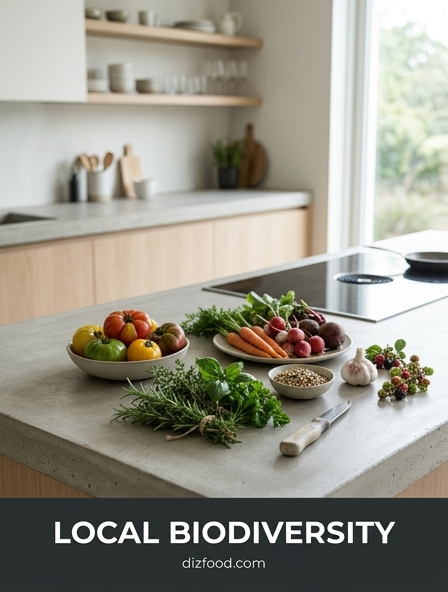
Prioritizing local biodiversity is a powerful way to nourish both our planet and our palates, fostering resilient ecosystems while unlocking extraordinary culinary depths. When we choose native crops and heirloom varieties, we support soil regeneration and vital pollinator habitats, reducing the need for chemical interventions. This environmental harmony rewards us with ingredients boasting superior nutrient density and vibrant, complex flavors that mass-produced produce simply cannot replicate. Embracing seasonal variety ensures that every meal reflects its unique terroir and promotes a more sustainable food system. To explore how modern convenience balances with these traditional values, consider the trade-offs of Smart Fridge Grocery Lists vs Farmers Market Excursions.
The Intersection of Biodiversity and Gourmet Flavor
The culinary world is increasingly recognizing that the richness of a dish is inextricably linked to the genetic diversity of its ingredients. Gourmet flavor is not merely a result of kitchen technique but begins with the biological complexity of the raw components. When a kitchen sources from a biodiverse landscape, it gains access to a spectrum of volatile compounds, esters, and phenols that are often bred out of industrial monocultures. These natural variations provide a depth of flavor that allows for more nuanced seasoning and sophisticated palate experiences.
To understand how diversity enhances the kitchen, consider the following elements found in varied ecosystems:
- Aromatic Complexity: Rare herbs often contain higher concentrations of essential oils than mass-produced counterparts.
- Texture Variation: Heirloom legumes and grains offer a range of starch profiles, affecting mouthfeel and sauce adhesion.
- Natural Acidity: Diverse fruit varieties provide a broader range of pH levels, essential for balancing heavy fats in gourmet cooking.
Ultimately, the preservation of local species ensures that the "library of taste" available to chefs remains expansive. By prioritizing biodiversity, the culinary arts move beyond simple sustenance toward a sensory exploration of the natural world.
Reviving Native Ingredients for Communal Dining
Communal dining serves as a powerful platform for the reintroduction of native ingredients that have been marginalized by globalized food supply chains. By placing indigenous tubers, wild greens, and ancient grains at the center of the table, communities can reclaim their culinary heritage while supporting local ecology. These ingredients often possess a natural resilience to local pests and weather patterns, making them the most sustainable choice for shared regional meals. The act of eating together creates a shared narrative around these ingredients, transforming a simple meal into a lesson in local biology.
The revival of these foods requires a shift in kitchen culture, moving away from standardized recipes toward a flexible, ingredient-led approach. When a community commits to utilizing native flora, they provide the economic incentive for small-scale farmers to continue cultivating rare species. This cycle of consumption and production ensures that traditional flavors are not lost to history. Furthermore, native ingredients often require specific traditional preparation methods, which encourages the sharing of skills and stories across generations during the preparation of the communal feast.
How Local Ecosystems Define Culinary Terroir
Culinary terroir is the tangible expression of a specific environment through the medium of food. It encompasses the soil chemistry, water mineralogy, and climatic fluctuations that dictate the growth of local flora and fauna. In the kitchen, terroir is what distinguishes a wild mushroom foraged in a pine forest from one grown in a controlled facility. The unique stresses and benefits provided by a local ecosystem force plants to produce specific secondary metabolites, which translate directly into the distinct flavors and aromas that define a region's signature dishes.
| Ecosystem Component | Impact on Flavor | Kitchen Application |
|---|---|---|
| Mineral-Rich Soil | Metallic or earthy undertones | Root vegetable roasting |
| High Altitude | Increased sugar concentration | Fruit preserves and fermentations |
| Coastal Mist | Saline and briny notes | Fresh herb garnishes and infusions |
Understanding terroir allows chefs to work in harmony with their surroundings. By recognizing how a specific hillside or valley influences the raw product, a cook can select techniques that highlight, rather than mask, these regional characteristics. This creates a dining experience that is deeply rooted in a sense of place.
Sustainable Soil Health and Superior Taste Profiles
The foundation of any flavorful ingredient is the health of the soil in which it was raised. Regenerative agricultural practices that foster a diverse microbiome in the earth lead to plants that are more efficient at nutrient uptake. This biological synergy results in produce with higher brix levels and more concentrated flavors. In contrast, plants grown in depleted soils using synthetic fertilizers often taste "diluted" because they lack the complex mineral profile provided by a healthy, living soil web.
To improve the taste profiles of kitchen ingredients, farmers often focus on these soil-building steps:
- Integration of cover crops to prevent erosion and fix nitrogen naturally.
- Minimal tilling to preserve the delicate mycorrhizal fungi networks.
- Application of composted organic matter to increase microbial diversity.
- Crop rotation to manage soil nutrient depletion and break pest cycles.
When the soil is treated as a living entity, the kitchen benefits from ingredients that require less manipulation to taste extraordinary. The natural vibrancy of healthy produce reduces the need for excessive salt or sugar, allowing the true essence of the land to shine through in every bite.
The Social Value of Rare Heirloom Varieties
Rare heirloom varieties carry within them more than just unique flavors; they are vessels of cultural history and social identity. Growing and consuming these varieties in a kitchen setting acts as a form of "living history," connecting the diner to the agricultural labor of ancestors. These seeds have been passed down through generations, often selected for their specific performance in local kitchens rather than their ability to withstand long-distance shipping. This makes them inherently suited for local consumption and artisanal preparation.
Beyond the plate, heirloom varieties foster social resilience by decentralizing the food system. When a community saves its own seeds and cultivates its own rare varieties, it reduces its dependence on industrial seed corporations. This autonomy empowers local food producers and creates a sense of pride in regional uniqueness. The social value is further amplified during harvest festivals and seed swaps, where the exchange of these varieties becomes a catalyst for community bonding. Protecting these varieties ensures that the kitchen remains a place of diversity, storytelling, and cultural continuity, rather than a site of homogenized consumption.
Protecting Pollinators to Enrich the Dinner Table
The variety of foods available in our kitchens is directly dependent on the health of local pollinator populations. Bees, butterflies, and other insects are the unsung heroes of the culinary world, responsible for the fertilization of nearly one-third of the human diet. Without these creatures, the dinner table would lose its most colorful and nutrient-dense options, including most fruits, vegetables, and nuts. Protecting biodiversity in the garden translates directly to maintaining a diverse pantry.
Key culinary groups that rely heavily on healthy pollinator ecosystems include:
- Stone Fruits: Peaches, plums, and cherries require active pollination for fruit set.
- Cucurbits: Squash, pumpkins, and cucumbers would vanish without insect intervention.
- Almonds and Coffee: These kitchen staples are almost entirely dependent on bee activity.
By supporting local biodiversity and avoiding broad-spectrum pesticides, we ensure that these essential laborers continue to thrive. A kitchen that sources from pollinator-friendly farms is one that invests in the long-term availability of high-quality, diverse ingredients. The disappearance of pollinators would not just be an ecological disaster, but a culinary one, leading to a bland and nutrient-poor food system.
Seasonal Eating as a Tool for Environmental Restoration
Aligning kitchen habits with the natural cycles of the seasons is one of the most effective ways to support environmental restoration. When we consume food that is naturally in season within our local bio-region, we eliminate the need for energy-intensive refrigerated transport and chemical ripening agents. This practice encourages a diverse agricultural landscape, as farmers are motivated to grow a wider variety of crops that mature at different times of the year, rather than focusing on a single year-round commodity.
Seasonal eating also helps restore soil health by allowing for natural fallow periods and the use of winter cover crops. In the kitchen, this translates to a dynamic menu that celebrates the peak of flavor. A tomato harvested in the height of summer possesses a chemical profile that no hothouse winter tomato can replicate. By accepting the "ebbs and flows" of nature, consumers and chefs reduce the carbon footprint of their meals and contribute to a more resilient local food economy. This rhythmic approach to dining fosters a deeper appreciation for the fleeting beauty of local biodiversity and the necessity of its preservation.
Fostering Community Through Indigenous Food Knowledge
Indigenous food knowledge offers a blueprint for sustainable living and kitchen practices that respect local biodiversity. This wisdom, built over millennia, recognizes the kitchen not just as a place of preparation, but as the final stage of an ecological cycle. By integrating traditional ecological knowledge (TEK) into modern culinary practices, communities can learn how to forage responsibly, process wild foods to maximize nutrition, and utilize every part of an ingredient to minimize waste.
The process of sharing this knowledge typically involves:
- Identifying and protecting wild edible species within the local landscape.
- Learning traditional preservation techniques like pit-drying or natural fermentation.
- Understanding the spiritual and social significance of specific "first foods."
When kitchens embrace indigenous knowledge, they move away from exploitative models of agriculture toward a system of reciprocity. This transition strengthens community bonds by centering the voices of those who have long served as stewards of the land. It transforms the act of cooking into an act of reconciliation and environmental advocacy, ensuring that the biodiversity of the past informs the food security of the future.
The Nutrient Density of Wild and Diverse Produce
Scientific research increasingly demonstrates that wild and biodiverse produce often surpasses commercial varieties in nutrient density. Wild greens, such as purslane or nettles, frequently contain higher levels of Omega-3 fatty acids, antioxidants, and essential minerals than domesticated spinach or kale. This is because these plants have had to develop robust chemical defenses to survive in competitive ecosystems, resulting in a higher concentration of beneficial phytochemicals. When these diverse species enter the kitchen, they provide a level of nourishment that supports systemic health and disease prevention.
| Nutrient Category | Wild/Heirloom Source | Commercial Equivalent |
|---|---|---|
| Vitamin C | Wild Rosehips / Crabapples | Standard Gala Apples |
| Antioxidants | Purple Peruvian Potatoes | White Russet Potatoes |
| Healthy Fats | Black Walnuts | English Walnuts |
Incorporating a wider variety of species into the daily diet ensures a more comprehensive intake of micro-nutrients. By valuing biodiversity in our sourcing, we treat the kitchen as a pharmacy, where the natural complexity of the local ecosystem provides the diverse building blocks necessary for human vitality.
Building Resilient Food Systems for Future Gatherings
The stability of our future food systems depends on our ability to maintain a diverse biological "insurance policy." As climate change introduces unpredictable weather patterns and new pests, relying on a handful of globalized crops creates a dangerous vulnerability. A resilient food system is one that embraces a vast array of local species, as a biodiverse garden is far more likely to have some varieties that thrive even when others fail. In the context of the kitchen, this means moving toward a flexible culinary model that can adapt to what the land provides each year.
Resilience is built when communities prioritize local seed banks and support farmers who cultivate diverse landscapes rather than monocultures. For future gatherings to be secure, our kitchens must become centers of education where the value of rare and resilient crops is celebrated. By diversifying our plates today, we ensure that future generations will have the resources to host their own communal meals. This long-term perspective shifts the focus from short-term yield to long-term survival, making biodiversity the cornerstone of a sustainable and delicious future for all.





Comments