
Whether you're aiming for a succulent steak or the perfect summer berry tart, understanding the distinction between macerating and marinating is a game-changer for your kitchen repertoire. While both techniques use the power of soaking to transform ingredients, they operate on different chemical levels: macerating typically uses sugar or alcohol to draw out juices and soften delicate fruits, creating a luscious natural syrup, whereas marinating utilizes acids, oils, and spices to tenderize fibers and infuse deep savory flavors into proteins and hearty vegetables. Mastering these two methods allows you to manipulate texture and taste with precision, ensuring every ingredient reaches its peak flavor potential before it even hits the heat.
| Feature | Macerating | Marinating |
|---|---|---|
| Primary Ingredients | Fruits, berries, and dried fruits | Meats, poultry, seafood, and vegetables |
| Core Agents | Sugar, liqueurs, vinegar, or fruit juice | Acids (citrus/vinegar), oils, herbs, and salt |
| Main Objective | Draw out moisture and create a syrup | Tenderize connective tissue and infuse flavor |
| Chemical Process | Osmosis (liquid extraction) | Denaturation (protein breakdown) |
| Typical Duration | 15 minutes to 4 hours | 30 minutes to 24 hours |
| Resulting Texture | Softened, glazed, and syrupy | Savory, juicy, and chemically tenderized |
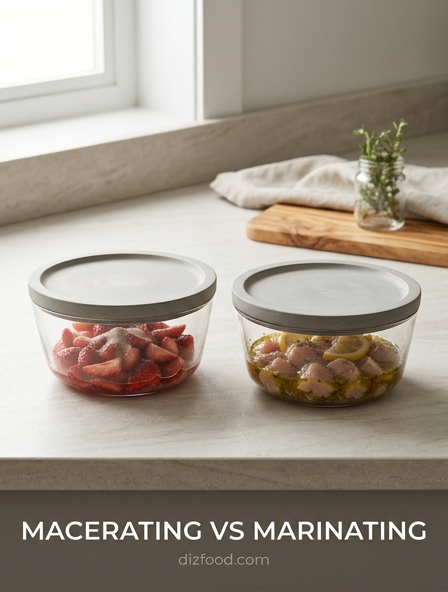
Understanding the Key Differences Between Macerating and Marinating
In the culinary arts, the terms macerating and marinating are often used to describe the process of soaking food in a liquid to alter its flavor or texture. While they share a common goal of enhancement, they are applied to vastly different types of ingredients and utilize different chemical pathways. Macerating is a term almost exclusively reserved for fruits and vegetables. The process involves sprinkling them with sugar or soaking them in a liquid like liquor or vinegar to soften the food and draw out its natural juices. This creates a flavorful syrup that can be used as a topping or incorporated into a dessert.
Marinating, conversely, is the standard technique for savory applications, most commonly involving meats, poultry, seafood, and sturdy vegetables. The primary objective of a marinade is to tenderize the proteins and infuse them with deep, savory flavors before cooking. Unlike maceration, which often relies on sugar to trigger osmosis, marination relies on acids, fats, and seasonings. The following table highlights the fundamental distinctions between these two methods:
| Feature | Macerating | Marinating |
|---|---|---|
| Primary Ingredient | Fruits and dried fruits | Meats, poultry, and savory vegetables |
| Key Agent | Sugar, alcohol, or fruit juices | Acids (vinegar, citrus), oils, and salt |
| End Goal | Softening and juice extraction | Tenderizing and flavor infusion |
| Common Use | Desserts and fruit salads | Grilling, roasting, and sautéing |
Understanding these differences is crucial for any home cook looking to elevate their dishes. Choosing the wrong technique can lead to undesirable textures, such as mushy meat or overly tough fruit. By recognizing that maceration is about extraction and marination is about penetration, you can better manipulate the final profile of your culinary creations.
Macerating vs Marinating A Complete Guide to Culinary Techniques
Mastering the art of flavor development requires a deep dive into how various ingredients react when exposed to moisture over time. Macerating and marinating represent two sides of the same coin, acting as essential preparation steps that bridge the gap between raw ingredients and a finished masterpiece. While both involve a liquid medium, the culinary context determines which technique is appropriate. Macerating is frequently the "unsung hero" of the pastry kitchen, turning a pint of tart, firm strawberries into a luscious, syrupy topping for sponge cake within minutes. It is a process of dehydration and rehydration, where the external medium forces the internal moisture of the fruit to migrate outward.
Marinating is the backbone of savory cooking, particularly in cuisines that rely on grilling and high-heat roasting. It is a more aggressive process than maceration because it must interact with the dense muscle fibers of proteins. A well-constructed marinade doesn't just sit on the surface; it uses salt and acids to denature proteins, allowing the liquid to seep into the gaps. To successfully execute these techniques, one must consider several factors:
- Temperature: Both processes are usually more effective at room temperature for short durations, though safety protocols require refrigeration for long-term marinating of meats.
- Surface Area: Slicing fruit or scoring meat increases the surface area exposed to the liquid, accelerating the process.
- Vessel Choice: Non-reactive containers like glass or stainless steel are essential, as acids and sugars can react negatively with aluminum or copper.
By treating these techniques as scientific processes rather than just "soaking," cooks can achieve consistent results every time they step into the kitchen. Whether you are prepping a summer berry salad or a flank steak for the grill, the principles of time and chemical interaction remain the same.
The Science of Softening Fruit Through Maceration
The science of maceration is rooted in the principle of osmosis. When fruit is sprinkled with sugar, a high concentration of solute is created on the exterior of the fruit's cell walls. Because nature seeks equilibrium, the water trapped inside the fruit's cells moves across the semi-permeable cell membranes to balance the concentration of sugar on the outside. This loss of internal water pressure, known as turgor pressure, causes the cell walls to collapse. The result is a fruit that is significantly softer and more pliable than its raw state. This is why macerated berries often look smaller and sit in a pool of their own concentrated juices.
Beyond sugar, alcohol plays a unique role in the science of maceration. Alcohol is a powerful solvent that can dissolve certain flavor compounds that water cannot. When fruit is soaked in brandy, rum, or a liqueur, the alcohol penetrates the cell structure and pulls out fat-soluble aromatic compounds. This is particularly useful for dried fruits, such as raisins or currants, which are effectively "dead" in terms of moisture. The maceration process rehydrates them while simultaneously replacing the lost water with flavored liquid, making them plump and bursting with complexity. This chemical exchange is essential for traditional fruitcakes, puddings, and sophisticated dessert garnishes where the fruit must provide a concentrated burst of flavor.
Interestingly, the acidity of the macerating liquid also matters. Adding a splash of lemon juice or balsamic vinegar to the sugar helps break down pectin, the "glue" that holds plant cells together. This further softens the fruit and balances the sweetness of the sugar. This multi-layered chemical reaction ensures that the fruit doesn't just taste sweeter, but also develops a more complex, jam-like texture that is impossible to achieve through cooking alone, as heat would destroy the fresh volatile aromas.
How Marinating Transforms Meat and Savory Ingredients
Marinating is a transformative process that works on both a physical and chemical level to improve the quality of savory ingredients, particularly meat. At its core, a marinade is a mixture of four key components: acid, fat, salt, and aromatics. Each plays a specific role in the transformation. Acids, such as vinegar, citrus juice, or wine, work by denaturing the proteins in the meat. This process involves unwinding the tightly coiled protein strands, which allows the meat to hold more moisture during the cooking process. However, if left too long, the acid can over-denature the proteins, leading to a dry, chalky, or mushy texture rather than a tender one.
Salt is perhaps the most critical ingredient in a marinade. Unlike many flavor molecules, salt is small enough to penetrate deep into the muscle fibers via diffusion. Once inside, it dissolves some of the protein structures, specifically myosin, which helps the meat retain water. This is why a marinated chicken breast stays juicier on the grill than a plain one. Fats, such as olive oil or yogurt, serve as a vehicle for fat-soluble flavors from herbs and spices. They also form a protective coating that prevents the meat from sticking to the pan and ensures even heat distribution.
The transformation also affects the surface of the meat. Many marinades include a small amount of sugar or honey, which promotes the Maillard reaction-the chemical reaction between amino acids and reducing sugars that gives browned food its distinctive flavor. When you marinate, you are effectively pre-processing the ingredient to ensure it reacts optimally when it finally hits the heat. The result is a piece of meat that is not only seasoned on the inside but also has a superior crust and a more tender "bite" compared to un-marinated counterparts.
Sugar Versus Acid Comparing the Chemical Processes
While both macerating and marinating involve the use of a liquid medium to alter food, the primary chemical drivers-sugar and acid-operate through distinct mechanisms. Sugar is hygroscopic, meaning it attracts and holds water molecules from its surrounding environment. In maceration, when sugar is applied to fruit, it creates a high osmotic pressure that draws water out of the plant cells. This is a physical extraction process. The sugar itself does not "cook" the fruit, but the loss of water alters the structural integrity of the cell walls, leading to a softer texture. This is a gentle process that preserves the fresh, raw character of the fruit while concentrating its natural sugars.
Acid, the primary driver in marinating, functions through a process called proteolysis. Acids work by breaking the chemical bonds that hold protein chains together. When meat is exposed to an acidic environment, the low pH begins to unravel the secondary and tertiary structures of the proteins. This is a form of chemical "pre-cooking." While sugar mostly affects the water content and cell wall structure, acid directly attacks the protein matrix of the food. This is why acids are so effective at tenderizing tough cuts of meat but can be damaging to delicate seafood if used for too long. To better understand these chemical differences, consider the following comparison:
- Reaction Type: Maceration is primarily Osmotic (movement of water), while Marination is primarily Denaturation (alteration of proteins).
- Target Structure: Sugar targets the cellulose and pectin in plant cell walls; Acid targets the collagen and muscle fibers in animal tissues.
- Resulting Fluid: Maceration results in a byproduct of flavored syrup (extracted juice); Marination usually results in the absorption of the liquid into the food.
Choosing between sugar and acid depends entirely on your structural goal. If you want to draw moisture out to create a sauce, sugar is your tool. If you want to break down fibers to make a tough ingredient palatable, acid is the necessary agent.
When to Use Maceration for Better Desserts
Maceration is an essential technique for anyone looking to improve the quality of fruit-based desserts. It is particularly effective when dealing with fruit that is slightly underripe or naturally firm, such as stone fruits or certain varieties of berries. By macerating these fruits, you can mimic the softness and sweetness of perfectly ripe produce. One of the most common applications is the classic strawberry shortcake. By slicing the strawberries and tossing them with sugar and a touch of lemon juice, you create a natural glaze that soaks into the cake, providing a cohesive flavor profile that raw berries simply cannot offer.
Beyond simple sugar, maceration can be used to introduce sophisticated flavor layers into a dessert. For example, macerating peaches in a mixture of bourbon and brown sugar creates a complex, smoky-sweet profile that is perfect for topping vanilla bean ice cream. In professional pastry kitchens, dried fruits like figs, dates, and apricots are often macerated in liqueurs like Grand Marnier or Amaretto for several days. This not only softens the tough skins of the dried fruit but also infuses them with aromatic oils that brighten the final dish. Use maceration when you want to achieve the following:
- Creating a Natural Sauce: When you need a fruit topping that isn't thick with cornstarch or artificial thickeners.
- Revitalizing Dried Fruit: Making leathery dried fruits plump and juicy for use in cakes or tarts.
- Softening Tough Textures: Turning firm plums or rhubarb into a tender component of a parfait.
- Aromatic Infusion: Introducing flavors like mint, basil, or star anise into the fruit via a liquid medium.
The beauty of maceration lies in its simplicity. It requires no heat, preserving the bright, volatile flavors of fresh fruit while transforming its texture into something elegant and refined.
Essential Liquids Used in Marinades and Macerations
The choice of liquid is the most influential factor in determining the success of a maceration or marinade. In maceration, the liquids are usually sweet, alcoholic, or mildly acidic. Fruit juices are a popular choice as they reinforce the natural flavors of the fruit being treated. For a more adult profile, spirits such as cognac, kirsch, or rum are frequently employed. These liquids serve as solvents that extract flavors and add their own complex notes. Vinegar, specifically milder ones like balsamic or champagne vinegar, can also be used in maceration to provide a sharp counterpoint to the sweetness of the sugar and fruit.
In the world of marinating, the liquids are chosen for their ability to transport flavor and alter protein structure. Oils, such as olive, canola, or grapeseed, are foundational because they carry the flavors of herbs and spices and prevent the meat from drying out. Acids are the second pillar, including citrus juices (lemon, lime, orange), various vinegars (red wine, apple cider), and even fermented dairy products like yogurt or buttermilk. These dairy products are unique because they contain lactic acid and calcium, which tenderize meat more gently than the harsh acetic acid found in vinegar. The following list outlines common liquids for both processes:
- Maceration Liquids: Simple syrup, honey, liqueur, brandy, balsamic glaze, orange juice, and elderflower syrup.
- Marination Liquids: Soy sauce, wine, yogurt, pineapple juice (contains enzymes), olive oil, Worcestershire sauce, and coconut milk.
It is important to remember that the liquid should complement the main ingredient. A delicate white fish requires a gentle, oil-based marinade with a splash of citrus, whereas a hearty beef roast can stand up to a bold, tannin-rich red wine marinade. In maceration, the liquid often becomes the sauce, so its quality and flavor are of paramount importance.
Timing and Duration for Optimal Flavor Infusion
Timing is everything when it comes to both macerating and marinating. Because these processes involve chemical reactions, leaving an ingredient in the liquid for too little or too much time can drastically alter the final result. In maceration, the process is relatively quick. Most berries only need 15 to 30 minutes of maceration with sugar to release enough juice to form a syrup. If left for more than a few hours, berries can become overly soft and lose their structural integrity, eventually turning into a mushy consistency that may not be desirable for a fresh fruit salad.
Marinating requires a wider range of time depending on the protein. Delicate items like shrimp or flaky white fish should only be marinated for 15 to 30 minutes; any longer and the acid will "cook" the protein (as seen in ceviche), making it tough and rubbery. Chicken and pork typically benefit from 2 to 6 hours of marinating, while dense cuts of beef like flank steak or chuck can handle 12 to 24 hours. It is a common misconception that more time always equals more flavor. In reality, marinades rarely penetrate more than a few millimeters into the meat. Instead, long marinating times are more about the surface transformation and the breakdown of connective tissue. Here is a general guide for timing:
- Soft Berries: 15-45 minutes.
- Sliced Stone Fruits: 30-60 minutes.
- Seafood: 15-30 minutes.
- Chicken/Pork: 2-8 hours.
- Beef/Lamb: 4-24 hours.
Always consider the strength of your marinade or macerating agent. A highly acidic marinade or an extremely sugary maceration will work much faster than a diluted one. Monitoring the texture of the food periodically is the best way to ensure you hit the "sweet spot" of flavor and consistency.
Texture Changes How Macerating and Marinating Affect Food
The primary reason chefs utilize maceration and marination is to manipulate texture. In the context of maceration, the texture change is characterized by a transition from crisp and turgid to soft and succulent. This is due to the breakdown of the plant's internal structure. For example, a raw cranberry is nearly inedible due to its hardness and tartness, but after macerating in sugar and orange juice, it becomes tender and translucent. This texture change is also accompanied by a change in appearance; macerated fruits often look "glossy" as the internal juices coat the exterior, creating a visually appealing sheen that is perfect for food presentation.
In marinating, the texture change is more focused on "mouthfeel" and "tenderness." When we talk about a marinade making meat tender, we are referring to the weakening of the connective tissues and the lubrication of the muscle fibers. However, there is a risk of negative texture changes. If a marinade is too acidic, it can cause the surface of the meat to become mushy while the interior remains tough. This creates a disconnect in the eating experience. Similarly, the salt in a marinade can lead to a "cured" texture, similar to ham, if the meat is left in the liquid for an excessive amount of time. Understanding these shifts helps a cook decide when to stop the process.
For vegetables, marinating often leads to a "flexible" texture. A marinated bell pepper or zucchini slice becomes more pliable, making it easier to roll or grill without snapping. This is particularly useful for antipasto platters where a variety of textures is desired. By mastering the timing, you can ensure that your ingredients reach the perfect balance of being softened enough to release flavor but firm enough to maintain their identity on the plate.
Summary of Macerating vs Marinating for Home Cooks
To summarize, while macerating and marinating are similar in that they involve soaking food in a liquid, they serve distinct purposes in the kitchen. Macerating is your go-to technique for fruits and desserts, using sugar or alcohol to draw out juices and soften the produce. Marinating is the essential prep work for savory meats and vegetables, using acids, oils, and salts to tenderize and season from the outside in. Both techniques rely on the science of osmosis and chemical denaturation to transform raw ingredients into something more palatable and flavorful.
As a home cook, the best way to apply this knowledge is to remember a few simple rules. First, always use non-reactive containers like glass or ceramic to avoid metallic off-flavors. Second, be mindful of your timing; fruit needs minutes, while meat needs hours. Third, don't be afraid to experiment with your liquids. A splash of balsamic on your strawberries (maceration) can be just as transformative as a yogurt rub on your lamb (marination). By keeping these principles in mind, you can take control of the texture and flavor profiles of your dishes, moving beyond basic recipes to more intuitive and successful cooking. Whether you are aiming for the perfect summer cobbler or a world-class grilled steak, understanding these two techniques is a fundamental step in your culinary journey.

Comments