
The Essential Role of Bowl Scrapers in Modern Baking
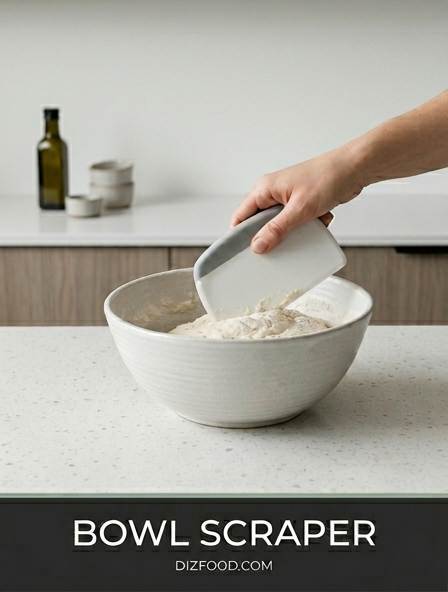
In the contemporary kitchen, the bowl scraper has transitioned from a professional-grade secret to an indispensable asset for home bakers. This simple yet highly effective tool, often made from flexible plastic or silicone, is designed to conform to the curved contours of mixing bowls. Unlike rigid spatulas, the scraper's unique arc allows it to reach every crevice, ensuring that no ingredient is left behind during the mixing process. Its ergonomic design facilitates a more natural hand movement, reducing fatigue during intensive baking sessions.
The utility of a bowl scraper extends beyond mere mixing. It serves as a bridge between various stages of food preparation, providing a level of control that manual handling cannot replicate. By integrating this tool into a standard kitchen repertoire, bakers can achieve a higher level of precision and professionalism. Whether working with high-hydration bread dough or delicate cake batters, the scraper maintains the integrity of the mixture while facilitating a smooth transition from bowl to pan or countertop.
Maximizing Ingredient Yield and Reducing Food Waste
One of the primary economic advantages of using a bowl scraper is the significant reduction in ingredient waste. In many recipes, particularly those involving expensive components like high-quality chocolate, nut butters, or specialty flours, even a small amount of leftover residue can represent a loss of value. The precise edge of a scraper ensures that 99% of the mixture is successfully transferred, maximizing the yield of every batch produced in the kitchen.
- Efficiently recovers thick emulsions and sticky batters.
- Minimizes the need for excessive rinsing, saving water and detergent.
- Ensures recipe ratios remain accurate by transferring all measured ingredients.
- Reduces the amount of organic waste entering drainage systems.
By consistently reclaiming the thin film of batter that typically clings to the sides of a bowl, bakers can often produce an extra muffin or cookie that would otherwise have been washed away. This practice not only supports a more sustainable kitchen environment but also ensures that the final product reflects the full volume intended by the original recipe.
Streamlining Dough Preparation and Handling Techniques
Handling wet or sticky dough is often the most challenging aspect of bread making. A bowl scraper acts as an extension of the baker's hand, allowing for manipulation without the constant need for extra flour, which can inadvertently alter the dough's hydration levels. The following steps highlight how to integrate the scraper into your preparation routine:
- Use the curved edge to gently fold dough over itself during bulk fermentation.
- Release dough from the bowl's interior with a single, smooth sweeping motion.
- Guide the dough onto the work surface while maintaining its built-up tension.
- Divide large batches into smaller portions using the straight edge of the tool.
This streamlined approach minimizes physical contact, keeping the dough cooler and preventing it from sticking to the skin. By reducing the friction and mess associated with manual handling, the scraper allows for a faster, more organized preparation phase, which is essential for maintaining the structure of delicate artisanal breads and pastries.
Effortless Cleanup Strategies for Every Home Baker
Cleanup is frequently cited as the least enjoyable part of baking, but a bowl scraper significantly mitigates this burden. By removing the vast majority of food particles before the bowl ever reaches the sink, the scraper prevents the formation of "dough cement"-the stubborn, dried residue that often requires extensive soaking and scrubbing. This proactive cleaning step keeps sponges and brushes cleaner for longer, as they are not immediately saturated with sticky batter or flour paste.
Beyond the bowl itself, the scraper is equally effective at cleaning flat work surfaces. Once the dough has been moved to the oven, the scraper's straight edge can be used to gather stray flour and dried bits of dough from the countertop into a neat pile for easy disposal. This prevents the mess from spreading and keeps the kitchen environment sanitary. Implementing this "scrape-first" policy ensures that the final wash-up is a quick, painless process rather than a time-consuming chore, allowing the baker to focus on the finished product.
Optimizing Workflow with Efficient Kitchen Tools
Workflow optimization is the hallmark of an efficient kitchen, and the bowl scraper is a catalyst for this efficiency. In a fast-paced baking environment, every second saved contributes to a more controlled and relaxed atmosphere. The scraper enables a rapid transition between tasks, such as moving from mixing a base batter to folding in delicate aerated ingredients. Its multi-functional nature means fewer tools are dirtied, which keeps the immediate workspace organized and functional.
A well-integrated workflow relies on tools that are easy to reach and versatile to use. Many professional bakers keep a scraper in their hand or within immediate reach at all times during the prep stage. Because it can scrape, fold, lift, and even clean, it eliminates the need to constantly switch between different utensils. This continuity of motion not only increases prep speed but also allows the baker to maintain a better sensory connection with the ingredients, resulting in more consistent and high-quality outcomes in every culinary project.
Maintaining a Precise and Clutter Free Workspace
A cluttered workspace often leads to mistakes in measurement or timing. The bowl scraper serves as a primary tool for "mise en place" maintenance, helping to keep the surrounding area clear of debris. Unlike large, bulky kitchen gadgets, the bowl scraper has a minimal footprint and can be easily stored in a drawer or hung on a hook. During the cooking process, it acts as a manual squeegee for the countertop, ensuring that flour dust and liquid spills are managed immediately rather than being tracked across the kitchen.
Precision is also enhanced through the scraper's ability to level off dry ingredients. While traditionally done with a knife, the flat side of a scraper provides a wider surface area for a more accurate level across measuring cups. By maintaining a clean and precise environment, the baker can operate with greater focus and confidence. The psychological benefit of a tidy workspace should not be underestimated; it fosters a sense of calm and order that is often reflected in the precision of the final baked goods.
Techniques for Mastering Dough Consistency and Texture
The texture of a dough is largely determined by how it is handled during the early stages of development. Over-handling with warm hands can melt fats prematurely or overwork gluten, leading to a tough finished product. A bowl scraper allows for the gentle manipulation of dough, ensuring that it reaches the desired consistency without unnecessary stress. For high-hydration sourdoughs, the scraper is essential for performing "stretch and folds" within the bowl, a technique that builds strength while preserving the delicate air bubbles formed by fermentation.
Furthermore, the scraper aids in achieving a uniform texture by ensuring that no dry pockets of flour remain at the bottom of the mixing vessel. By reaching into the "v" shape of the bowl, the scraper pulls bottom-dwelling ingredients into the main mass. This leads to a more homogeneous mixture, which is crucial for even rising and consistent crumb structure. Mastering the use of the scraper is, therefore, a foundational skill for any baker looking to move beyond basic recipes into more complex, texture-sensitive artisanal breads.
Innovative Uses for the Versatile Bowl Scraper
While designed for baking, the bowl scraper's utility extends to various other kitchen tasks, making it one of the most versatile tools in a chef's drawer. Its flexibility and food-safe material make it ideal for handling diverse ingredients beyond flour and water. For example, it can be used to transfer finely chopped vegetables from a cutting board to a simmering pot with a single motion, preventing the loss of juices or small bits of food.
- Smoothing frosting on the sides of a small cake.
- Gathering chopped herbs or minced garlic from a board.
- Cutting soft foods like polenta, gnocchi, or fudge.
- Cleaning excess flour or dough from a rolling pin.
- Removing stubborn burnt-on bits from non-stick pans (using plastic versions).
These innovative applications demonstrate that the tool is not limited to the baking niche. Its ability to act as a scoop, a leveler, and a cleaner makes it a multi-purpose powerhouse. By thinking creatively about its application, a cook can simplify numerous repetitive tasks, making the bowl scraper a true "workhorse" of the modern culinary environment.
Improving Prep Speed Through Smart Tool Integration
Prep speed is often the bottleneck in complex recipes, but smart tool integration can alleviate these delays. The bowl scraper improves speed by reducing the time spent on manual scraping and bowl transitions. In a professional setting, time is a commodity; in a home kitchen, it is the difference between a relaxing hobby and a stressful chore. By using the scraper to clear a bowl in seconds, the baker can move immediately to the next phase of the recipe without the delay of persistent sticking.
Integration also involves the tool's role in portioning. When working with large batches of cookies or rolls, the scraper can be used to quickly divide dough into roughly equal parts before they are weighed on a scale. This preliminary division is much faster than pulling dough apart by hand. When these small efficiencies are added together-from the initial mix to the final cleanup-the total time saved per recipe is substantial. Consequently, the bowl scraper is not just a tool for quality, but a vital instrument for time management.
Selecting the Right Scraper for Efficiency and Ease
Choosing the appropriate scraper depends on the specific needs of the baker and the types of recipes frequently prepared. Material, flexibility, and size are the primary factors to consider. A scraper that is too rigid will not conform to the bowl, while one that is too soft may struggle with heavy, dense doughs. Below is a comparison of common scraper materials to help inform your selection:
| Material | Best Use | Primary Benefit |
|---|---|---|
| Plastic (PE) | Bread dough, general mixing | High flexibility, inexpensive |
| Silicone | Hot liquids, delicate batters | Heat resistant, non-slip grip |
| Nylon | Scraping dried residue | High durability, rigid edge |
For most home bakers, a high-quality, food-grade plastic scraper offers the best balance of flexibility and strength. It should feel comfortable in the palm and feature at least one tapered edge for precision. Investing in a set of scrapers in various sizes ensures that whether you are working with a small prep bowl or a large stand-mixer vessel, you have the right tool to maximize efficiency and ease of use.

Comments