
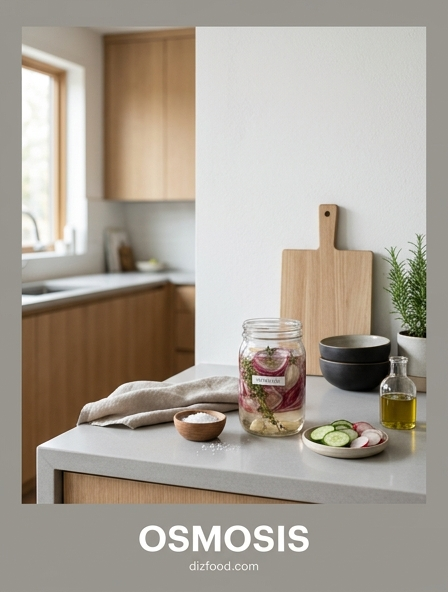
Understanding Osmosis in Food Preservation
Osmosis is a fundamental biological process that plays a critical role in the kitchen, particularly in the preservation and flavoring of fresh produce. At its core, osmosis involves the movement of water molecules across a semi-permeable membrane-in this case, the cell walls of fruits or vegetables-from an area of low solute concentration to an area of high solute concentration. When we coat fresh ingredients in sugar or salt, we create an environment with extremely high solute levels outside the plant cells. This imbalance triggers the outward flow of cellular moisture as the system attempts to reach equilibrium.
This process is invaluable for preservation because it effectively reduces the "water activity" within the food. By drawing out the liquid that microbes require for growth, osmosis helps inhibit spoilage and extends shelf life. Unlike heat-based reduction, which can alter the delicate flavor profile of fresh ingredients, osmotic extraction preserves the raw, vibrant essence of the produce. This technique is the scientific foundation behind traditional maceration, curing, and the creation of various fruit-based syrups commonly used in global cuisines.
The Role of Sugar in Liquid Extraction
Sugar is highly hygroscopic, meaning it has a natural affinity for water and actively attracts moisture from its surroundings. In culinary applications, sugar serves as the primary osmotic agent for creating cold-pressed syrups. When granulated sugar is layered over fresh fruit, it begins to dissolve in the trace amounts of surface moisture, forming a concentrated brine. This concentrated solution then pulls more water from the internal vacuoles of the fruit cells, eventually liquefying the entire sugar mass into a rich, flavorful syrup without the need for added water or external heat.
- Solubility: As the sugar dissolves in the fruit's juice, the concentration gradient increases, accelerating the extraction process.
- Flavor Retention: Because no boiling is involved, volatile aromatic compounds remain trapped in the syrup rather than evaporating into the air.
- Texture Modification: The loss of internal water causes the fruit to shrink and firm up, often resulting in a candied or preserved texture that is highly desirable.
- Microbial Inhibition: The high sugar concentration creates high osmotic pressure, which dehydrates and kills most bacteria and yeasts.
Essential Ingredients for Natural Syrups
To successfully harness osmosis for syrup production, the choice of ingredients is paramount. While the process is simple, the quality of the raw materials directly dictates the complexity and stability of the final product. The primary components are the solute (the sugar) and the solvent source (the fruit or aromatic plant). Using the correct type of sugar can influence the rate of extraction and the final clarity of the syrup. For instance, superfine sugar dissolves more rapidly, while rock sugar or coarse sugar provides a slower, more controlled extraction often preferred in traditional Asian ferments.
| Ingredient Category | Recommended Examples | Purpose in Osmosis |
|---|---|---|
| Sugars | Cane sugar, Honey, Rock sugar | Acts as the osmotic agent to draw out liquid. |
| High-Moisture Fruits | Strawberries, Citrus, Peaches | Provides the water and base flavor profile. |
| Aromatics | Ginger, Mint, Basil, Cinnamon | Adds depth and complexity to the liquid extract. |
| Acids | Lemon juice, Citric acid | Balances sweetness and aids in preservation. |
Step-by-Step Osmotic Extraction Method
Executing a cold-pressed syrup via osmosis requires patience and precision. The goal is to maximize the contact area between the sugar and the fruit to ensure even extraction. Unlike stovetop syrups, this method relies entirely on time and chemical gradients to produce a liquid that tastes exactly like the raw ingredient. Following a structured approach ensures that the syrup remains safe from spoilage while achieving the highest possible flavor concentration.
- Preparation: Wash and thoroughly dry the fruit. Any excess external water can dilute the syrup and introduce contaminants.
- Cutting: Slicing or dicing the fruit increases the surface area, allowing the sugar to interact with more cell walls simultaneously.
- Mixing: Combine the fruit and sugar in a clean glass vessel. Traditional "Cheong" methods often involve layering sugar and fruit in equal parts.
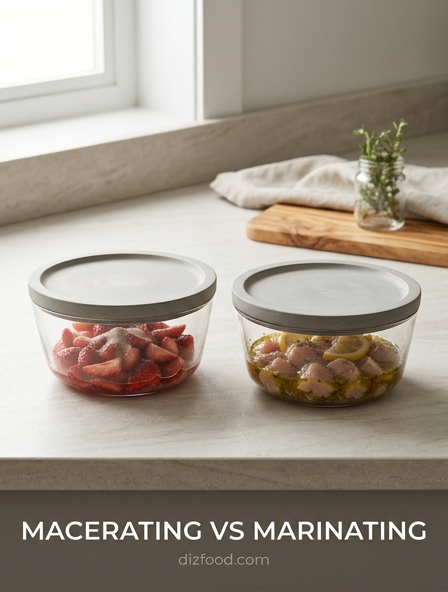
- Maceration: Seal the container and leave it at room temperature or in the fridge. Agitate the jar daily to redistribute dissolving sugar.
- Straining: Once the sugar has completely dissolved and the fruit appears shrunken, strain the liquid through a fine-mesh sieve or cheesecloth.
- Storage: Transfer the clear syrup to a sterilized bottle for long-term refrigeration.
Choosing the Best Fruits and Aromatics
The efficiency of osmotic extraction depends heavily on the cellular structure and water content of the chosen ingredients. Fruits with high juice content and thin cell membranes yield the most syrup in the shortest amount of time. Berries, such as strawberries and raspberries, are ideal candidates because their skins are easily permeated by sugar molecules. Citrus fruits, particularly when sliced thinly with the peel, offer a combination of juice and essential oils, resulting in a highly aromatic syrup that carries both sweetness and bitterness.
Harder fruits like apples or pears can also be used, though they benefit from being grated or sliced very thin to overcome their denser cellular matrix. When incorporating aromatics, consider using fresh herbs like mint or basil, which release their oils quickly. For woody spices like ginger or turmeric, peeling and slicing across the grain is necessary to break the tough fibers and allow the sugar to penetrate. Combining a high-moisture fruit with a potent aromatic, such as pineapple with chili or plum with perilla, creates a multi-dimensional syrup that showcases the versatility of the osmotic process.
Science Behind Cell Wall Breakdown
At the microscopic level, the addition of sugar initiates a phenomenon known as plasmolysis. Every plant cell is encased in a semi-permeable membrane and a rigid cell wall. Inside the cell, the vacuole holds a reservoir of water and nutrients, maintaining turgor pressure which keeps the fruit firm. When the external environment becomes hypertonic due to the sugar coating, water begins to exit the vacuole via osmosis. As the water leaves, the vacuole shrinks, and the plasma membrane pulls away from the cell wall.
This loss of turgor pressure causes the fruit to soften and eventually collapse. Furthermore, the high concentration of sugar can weaken the pectin bonds within the cell walls over time. As these barriers break down, intracellular compounds-including pigments (anthocyanins), acids, and volatile esters-are released into the surrounding sugar solution. This is why the resulting syrup is often intensely colored and highly flavorful; it is essentially the "blood" of the plant, containing all the characteristic traits of the fruit in a concentrated, liquid form. This scientific degradation is what distinguishes cold-pressed syrups from heat-infused versions, which often destroy these delicate structures.
Perfecting the Sugar-to-Fruit Ratio
The ratio of sugar to fruit is the most critical variable in determining the success of osmotic extraction. This ratio affects the speed of the process, the viscosity of the syrup, and the overall shelf stability. While a 1:1 ratio by weight is the industry standard for traditional preserves like Korean Cheong, adjustments can be made depending on the water content of the fruit and the intended use of the syrup. A higher sugar ratio ensures a more complete extraction and better preservation, while a lower ratio may result in a thinner, more "juice-like" product that requires faster consumption.
| Sugar:Fruit Ratio | Resulting Characteristics | Best Used For |
|---|---|---|
| 1:1 (Equal Weight) | Highly stable, thick viscosity, long shelf life. | Long-term preservation and concentrated cordials. |
| 0.8:1 (Less Sugar) | Brighter fruit flavor, thinner consistency. | Quick macerations for desserts or immediate use. |
| 1.2:1 (Extra Sugar) | Extremely shelf-stable, prevents fermentation. | High-moisture fruits prone to spoilage. |
Maintaining Shelf Stability and Safety
While the high sugar concentration used in osmosis acts as a natural preservative, food safety remains a primary concern. The primary goal is to lower the water activity (Aw) to a level where pathogens cannot survive. For a syrup to be considered shelf-stable at room temperature, it generally needs a sugar concentration of at least 60% by weight. However, for home kitchen environments, refrigeration is always recommended to ensure longevity and prevent the growth of mold or wild yeasts that can survive in moderately high-sugar environments.
To maximize safety, always use sterilized glass jars and ensure that all equipment is dry and clean. Oxygen can also lead to oxidation and spoilage, so keeping the jars tightly sealed is essential. If the fruit pieces are left in the syrup for an extended period, they must remain fully submerged beneath the liquid line to prevent aerobic mold growth. Adding a small amount of an acidic component, like lemon juice or citric acid, can further lower the pH, providing an additional layer of protection against bacterial proliferation while also enhancing the flavor profile by balancing the intense sweetness of the sugar.
Flavor Maturation and Fermentation Basics
The line between osmotic extraction and fermentation is thin but significant. In many traditional syrup-making practices, such as the Korean Cheong method, a slow, controlled fermentation is actually desired. As the fruit sits in the sugar, wild yeasts naturally present on the skins may begin to consume some of the sugars, producing carbon dioxide and trace amounts of alcohol or organic acids. This process adds a distinct "funk" or complexity to the syrup, transforming simple sweetness into a deep, matured flavor profile that evolves over several months.
If the goal is a pure, unfermented syrup, the mixture should be kept cold from the start to inhibit yeast activity. However, if maturation is the goal, the jar is often kept at room temperature for the first few weeks. During this time, it is vital to "burp" the jar regularly to release built-up gas and prevent pressure from shattering the glass. Over time, the aggressive sweetness mellows, and the fruit notes become more integrated. After the initial extraction period, the syrup is usually strained and moved to the refrigerator to slow down further microbial activity, locking in the developed flavor at its peak.
Culinary Uses for Cold-Pressed Syrups
Cold-pressed osmotic syrups are highly prized in the culinary world for their purity and intensity. Because they have never been heated, they retain the "high notes" of fresh fruit that are often lost in boiled syrups. One of the most popular uses is in the beverage industry, where these syrups serve as the base for craft sodas, cocktails, and mocktails. A small amount of strawberry or ginger syrup stirred into sparkling water provides a refreshing, natural alternative to commercial soft drinks. The vibrant color and aroma also make them excellent for drizzling over desserts like panna cotta, pavlova, or vanilla bean ice cream.
Beyond sweets, these syrups have surprising savory applications. A citrus or plum osmotic syrup can be whisked with olive oil and vinegar to create a bright vinaigrette, or used as a glaze for roasted meats like duck or pork, where the sugar caramelizes beautifully under dry heat. The leftover fruit solids from the extraction process are also edible; they become "semi-candied" and can be chopped into yogurt, baked into muffins, or used as a garnish for the very drinks the syrup helped create. This zero-waste approach makes osmotic extraction an efficient and creative technique for any modern kitchen.




Comments