
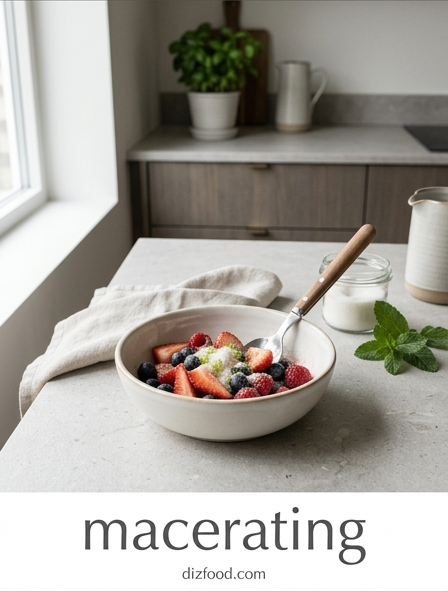
Understanding the Science of Maceration
Maceration is a fundamental culinary process that involves softening fruit by soaking it in a liquid or sprinkling it with a dry sweetener. At its core, the technique relies on the principle of osmosis. When sugar is applied to the surface of fresh fruit, it creates a high concentration of solute on the exterior. This physical imbalance draws the internal water out of the fruit's cell walls to equalize the concentration. As the water escapes, it dissolves the sugar, resulting in a rich, flavorful syrup that coats the produce.
Beyond moisture release, maceration causes a structural breakdown of the fruit's pectin and cellulose. This softens the texture without the need for heat, which helps preserve the bright, raw flavor profile and nutritional integrity of the ingredient. The chemical transformation is passive, requiring only time to allow the flavors to meld and the juices to thicken. Understanding this biological breakdown helps chefs control the final consistency, ensuring the fruit reaches a state that is tender and succulent rather than disintegrated or overly mushy.
Choosing the Right Sweeteners for Fruit
The choice of sweetener significantly influences both the flavor and the viscosity of the resulting syrup. While granulated white sugar is the standard for its neutral profile and quick dissolution, other options can provide nuanced undertones. For instance, liquid sweeteners integrate immediately, whereas crystalline sugars require a short period to fully break down into the fruit's natural moisture.
| Sweetener Type | Best Use Case | Flavor Profile |
|---|---|---|
| Granulated Sugar | Berries and Citruses | Clean and neutral |
| Brown Sugar | Stone Fruits and Apples | Caramel and molasses |
| Honey | Figs and Melons | Floral and viscous |
| Maple Syrup | Pears and Autumn Fruits | Woody and rich |
When selecting a sweetener, consider the natural sugar content of the fruit. Overly ripe fruits require less added sugar, while tart fruits like cranberries or underripe plums benefit from a more generous application. The sweetener acts as a vehicle for flavor, so choosing one that complements the fruit's acidity is key to a balanced result.
Infusing Aromatics and Fresh Herbs
Maceration offers a unique opportunity to infuse fruits with complex botanical notes. Because the process draws out liquid, it creates a solvent that can easily absorb the essential oils and volatile compounds found in herbs and spices. Fresh mint is a classic addition, providing a cooling contrast to the sweetness of strawberries. Similarly, basil can offer a peppery, savory edge to peaches or nectarines, elevating a simple fruit dish into a sophisticated culinary experience.
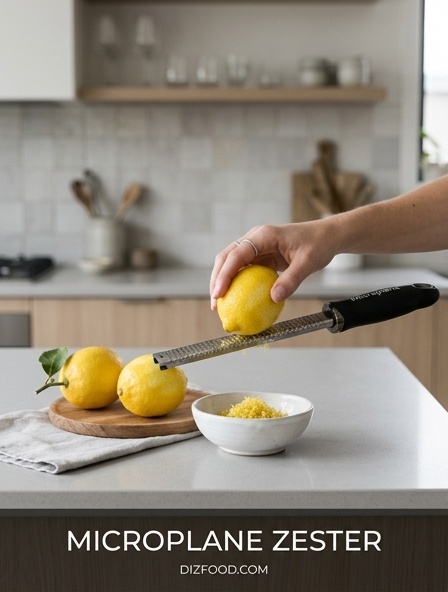
Aromatics should be added early in the maceration process to maximize extraction time. Whole spices like cinnamon sticks, star anise, or split vanilla beans work exceptionally well as they slowly release their oils without clouding the syrup. For a more intense citrus punch, adding finely grated lemon or orange zest can bridge the gap between the sweet fruit and the herbal infusions. When using fresh herbs, it is often best to keep leaves whole or lightly bruised so they can be easily removed before serving, preventing the greens from oxidizing and turning bitter or unattractive in the final presentation.
The Role of Acidic Enhancers
Acidity is the secret weapon of maceration, providing a necessary counterpoint to the sweetness of the sugar and the fruit itself. A splash of citrus juice, such as lemon, lime, or grapefruit, serves two purposes: it brightens the overall flavor profile and prevents enzymatic browning in fruits like apples and pears. The acid interacts with the fruit's fibers, helping to break them down more efficiently while highlighting the high notes of the fruit's natural aroma.
Beyond citrus, various vinegars can be used to add a sophisticated, savory complexity. Balsamic vinegar is a world-renowned partner for strawberries, as its deep, syrupy acidity enhances the berry's richness. Apple cider vinegar or champagne vinegar can provide a crisp bite to stone fruits and melons. The addition of acid also helps to balance the pH of the mixture, which can slightly extend the freshness of the fruit during the soaking period. By carefully calibrating the ratio of acid to sugar, a cook can ensure the finished product tastes vibrant and alive rather than cloying or one-dimensional.
Using Spirits to Deepen Profiles
Incorporating alcohol into the maceration process transforms the fruit into a sophisticated dessert or a high-quality cocktail component. Spirits act as powerful solvents, extracting flavors that are not water-soluble and adding their own distinct character. For example, macerating cherries in bourbon adds notes of oak and vanilla, while soaking tropical fruits in white rum creates a bright, Caribbean-inspired profile. The alcohol also penetrates the fruit cells more deeply than sugar alone, creating a more uniform infusion of flavor.
Liqueurs are also popular choices due to their existing sugar content and concentrated flavors. Grand Marnier or Cointreau can emphasize the citrus notes in a fruit salad, while Amaretto provides a nutty almond finish to apricots or cherries. When using spirits, it is important to remember that a little goes a long way. The goal is to enhance the fruit, not overwhelm it with the harshness of raw alcohol. Allowing the mixture to sit for several hours ensures the alcohol mellows and integrates with the fruit's natural juices, resulting in a cohesive and deeply flavored syrup that can be used as a sauce or a base for beverages.
Optimal Timing for Perfect Texture
Timing is perhaps the most critical variable in maceration, as it determines whether the fruit remains structurally sound or turns into a compote. The duration depends entirely on the density of the fruit and the desired final texture. Soft fruits require a gentle touch, while firmer fruits need significantly more time to allow the sugars to penetrate the skins and fibers effectively.
- Soft Berries (15-30 minutes): Raspberries and blackberries are delicate; they release juice quickly and can become mushy if left too long.
- Sliced Strawberries (30-60 minutes): This timeframe allows for ample syrup production while maintaining a pleasant, firm bite.
- Stone Fruits (1-3 hours): Peaches, plums, and apricots have denser flesh that requires more time for the sugar to draw out moisture.
- Hard Fruits (Overnight): Apples, pears, and dried fruits benefit from long-term maceration, often in the refrigerator, to soften their tough textures.
It is essential to monitor the fruit periodically. If you are preparing a dish in advance, consider macerating the fruit in the refrigerator to slow down the breakdown process. Conversely, if you need a quick syrup, keeping the fruit at room temperature will accelerate the osmotic reaction.
Temperature Control and Storage Tips
The temperature at which maceration occurs significantly affects the speed of the reaction and the shelf life of the fruit. Macerating at room temperature is faster, making it ideal for immediate service. The warmth helps sugar dissolve quickly and encourages the release of aromatic compounds. However, room-temperature maceration should generally not exceed two hours, as the fruit can quickly begin to ferment or develop off-flavors due to bacterial activity in the sugary environment.
For longer infusions, the refrigerator is the best environment. Cold temperatures slow the breakdown of pectin, allowing the fruit to maintain its shape for a longer period while still developing a deep flavor. Macerated fruit should always be stored in an airtight container to prevent it from absorbing odors from other foods in the fridge. Most macerated fruits will stay fresh and delicious for two to three days. Beyond this point, the fruit may become overly soft, though the remaining syrup can often be strained and kept longer to use as a sweetener for drinks, yogurt, or pancakes.
Best Fruits for Macerating Techniques
While almost any fruit can be macerated, some varieties respond better to the technique due to their water content and cellular structure. Berries are the most common candidates because their thin skins allow for rapid juice extraction. Stone fruits also excel, as their natural tartness is beautifully balanced by the addition of sweeteners. When selecting fruit for this process, ripeness is the most important factor; underripe fruit will need more time and sugar, while overripe fruit may collapse too quickly.
- Strawberries: The gold standard for maceration, creating a vibrant, thin syrup perfect for shortcakes.
- Peaches and Nectarines: These develop a velvety texture and a rich, honey-like liquid.
- Cherries: Best when pitted and halved to allow the macerating liquid to penetrate the firm skin.
- Melons: Watermelon and cantaloupe become intensely flavorful when macerated with lime and salt.
- Pineapple: A sturdy fruit that can handle long maceration in spiced rums or chili-infused sugars.
Experimenting with different fruits allows a cook to understand how sugar interactions vary. For instance, citrus segments-or "supremes"-can be macerated in their own juices with a touch of mint to create a refreshing palate cleanser.
Balancing Sweet and Savory Notes
Maceration is not strictly reserved for sweet desserts. By introducing savory elements, you can create complex garnishes for grilled meats, salads, and cheese boards. A pinch of salt is crucial in any maceration; it suppresses bitterness and enhances the perception of sweetness, making the fruit taste more like "itself." Black pepper or crushed red pepper flakes can add a surprising heat that cuts through the sugar, particularly when working with fruits like strawberries or mangoes.
Incorporating ingredients like finely minced shallots, ginger, or even toasted mustard seeds can move the macerated fruit into the realm of a fresh relish or chutney. For example, cherries macerated with balsamic vinegar, salt, and thyme provide an excellent accompaniment to roasted duck or creamy goat cheese. This balance of flavors relies on the contrast between the natural acidity of the fruit, the sweetness of the added sugar, and the depth of the savory inclusions. Achieving this harmony requires tasting as you go, adjusting the seasoning to ensure that no single note overwhelms the delicate profile of the fresh produce.
Serving Suggestions for Macerated Fruit
The versatility of macerated fruit makes it a staple for any meal of the day. Because it provides both a textured component and a built-in sauce, it simplifies plating while adding a professional touch. The syrup generated during the process is often the most valuable part, containing the concentrated essence of the fruit and any added aromatics. This liquid can be used to soak sponge cakes, glaze tarts, or sweeten iced teas and sodas.
- Breakfast: Spoon macerated berries over Greek yogurt, oatmeal, or Belgian waffles for a fresh start.
- Dessert: Serve peaches or strawberries over vanilla bean ice cream, pound cake, or panna cotta.
- Savory Pairings: Use macerated figs or pears as a topping for crostini spread with brie or ricotta.
- Beverages: Add the fruit and its syrup to sparkling wine for a quick mimosa or to sparkling water for a homemade shrub-style drink.
When serving, consider adding a final touch of freshness, such as a sprig of the herb used in the maceration or a dusting of citrus zest. This reinforces the flavors within and provides a visual cue to the diner about the ingredients used in the preparation.


Comments