
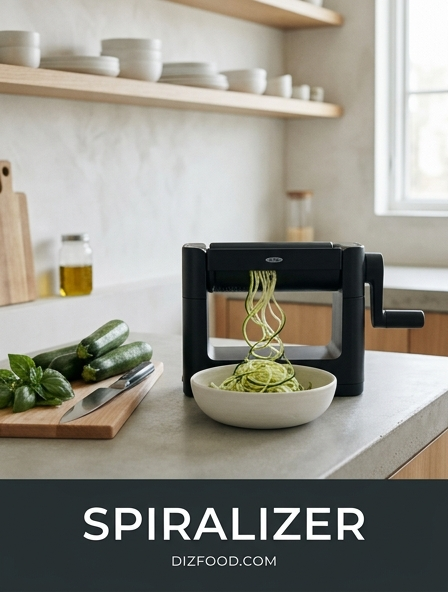
Benefits of Swapping Pasta for Vegetables
Replacing traditional wheat-based pasta with vegetable noodles, or "zoodles," offers a transformative approach to modern nutrition. The most immediate benefit is the significant reduction in caloric intake and glycemic load. While a cup of traditional spaghetti contains roughly 200 calories and 40 grams of carbohydrates, a similar portion of spiralized zucchini contains only about 20 calories and 4 grams of carbohydrates. This makes spiralizing an essential technique for those managing weight or blood sugar levels.
Beyond macronutrients, vegetable noodles provide a dense concentration of vitamins and dietary fiber that processed pasta lacks. By using a spiralizer, you incorporate more whole foods into your diet without sacrificing the comforting texture of a noodle-based meal. The increased fiber content promotes better digestion and longer-lasting satiety.
- High fiber content for improved digestive health and cholesterol management.
- Increased intake of Vitamin A, C, and potassium depending on the vegetable.
- Naturally gluten-free and grain-free, making it ideal for specialized diets.
- Higher water content, which aids in daily hydration goals.
Selecting the Right Spiralizer for Your Needs
Choosing the correct tool is vital for long-term success with vegetable-based cooking. Spiralizers generally fall into three categories: handheld, countertop, and electric attachments. Handheld models are inexpensive and space-saving, ideal for individuals or small kitchens, though they require more manual effort. Countertop models use a crank mechanism and suction feet, providing stability for harder vegetables like sweet potatoes and butternuts. Electric versions or stand-mixer attachments offer the highest efficiency for large families or meal prepping.
| Spiralizer Type | Best For | Key Advantage |
|---|---|---|
| Handheld | Soft veggies (zucchini) | Compact and affordable |
| Countertop | Hard roots and tubers | Versatile blade options |
| Electric | High-volume prep | Minimal physical effort |
When purchasing, prioritize models with stainless steel blades and BPA-free plastics. Multiple blade shapes (ribbon, fettuccine, and spaghetti) allow for culinary variety and better sauce pairing.
Best Vegetables for Nutrient Dense Noodles
Not every vegetable is suitable for spiralizing; the best candidates possess a firm texture and a consistent internal structure. Zucchini remains the most popular choice due to its soft skin and quick cooking time. However, root vegetables offer a sturdier "al dente" bite that mimics traditional pasta more closely. Sweet potatoes and carrots provide a vibrant color and a boost of beta-carotene, while beets offer a unique earthy sweetness and high antioxidant counts.
- Zucchini: The classic "zoodle," versatile and neutral in flavor.
- Butternut Squash: Excellent for thicker, heartier ribbons and rich in Vitamin A.
- Daikon Radish: A crisp, peppery option perfect for cold salads or Asian-inspired broths.
- Kohlrabi: A misunderstood gem that holds its shape remarkably well under high heat.
- English Cucumbers: Best for raw applications; ensure you use seedless varieties for structural integrity.
Experimenting with different colors and textures ensures your meals remain visually appealing and nutritionally diverse, preventing "palate fatigue" often associated with restrictive diets.
Essential Prep Skills for Perfect Spiralizing
Achieving the perfect noodle starts long before you turn the handle. Proper preparation ensures long, continuous strands rather than small, unappealing chunks. The goal is to maximize the surface area that comes into contact with the blades while maintaining a steady rhythm during the process. Following a standardized preparation routine will improve both the quality of the noodles and the safety of the operation.
- Trim the Ends: Cut both ends of the vegetable flat to create a stable base for the spindle and the blade.
- Select the Right Size: Choose vegetables at least 1.5 inches in diameter for the best results; anything thinner may result in mush.
- Peeling Strategy: Leave the skin on for zucchini and cucumbers to maintain structural integrity, but peel tough skins from butternuts and beets.
- Centering: Align the center of the vegetable perfectly with the circular blade to ensure even, circular strands.
- Consistent Pressure: Apply firm, steady forward pressure while cranking to avoid breaking the strands prematurely.
Proven Techniques to Prevent Soggy Zoodles
The primary challenge when cooking vegetable noodles, particularly zucchini, is their high water content. When heated, the cell walls break down, releasing moisture and turning your meal into a watery soup. To prevent this, you must manage the moisture before and during the cooking process. Implementing a "sweating" phase is the most effective method for maintaining a firm texture that can successfully hold a heavy sauce.
- Salt and Drain: Place noodles in a colander, sprinkle with salt, and let sit for 20 minutes to draw out excess water.
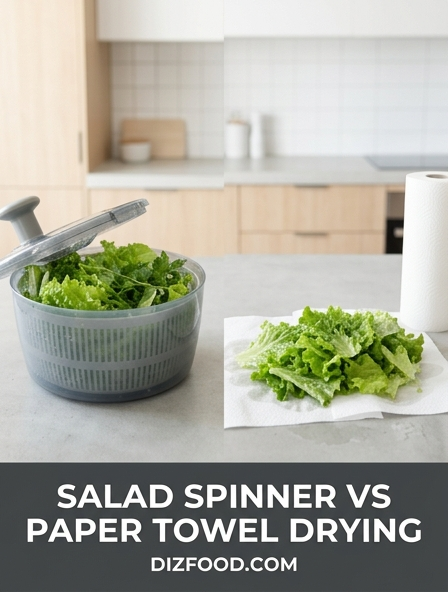
- Pat Dry: After sweating, use a clean kitchen towel or paper towels to squeeze and pat the noodles thoroughly.
- Avoid Boiling: Never boil vegetable noodles in water; they will absorb liquid and lose all structural integrity.
- Raw Integration: For very thin noodles, consider not cooking them at all. Instead, pour hot sauce over raw noodles and let the residual heat soften them.
By removing the water early, the noodles retain a satisfying "snap" that mimics the mouthfeel of wheat pasta.
Mastering Heat Control for Vegetable Pasta
Heat is the enemy of the vegetable noodle if not applied correctly. Because vegetables like zucchini and yellow squash are already tender, they require only a fraction of the cooking time needed for grain pasta. High heat for a short duration is the golden rule. Overcrowding the pan is a common mistake; it lowers the temperature and causes the vegetables to steam in their own juices rather than sautéing.
- Flash Sauté: Use a large skillet over medium-high heat with a small amount of oil. Sauté for only 2-3 minutes.
- The "Last Second" Addition: Add noodles to the pan only after the sauce has fully thickened and finished cooking.
- Residual Cooking: Remove the pan from the burner slightly before the noodles look "done," as they will continue to soften on the plate.
- Microwave Method: For a drier noodle, microwave on high for one minute in an uncovered bowl, then drain any liquid.
Consistent monitoring is required, as the window between "perfectly tender" and "unappetizingly mushy" is often less than sixty seconds.
Global Flavor Profiles for Spiralized Dishes
The neutrality of most spiralized vegetables makes them a blank canvas for international cuisines. While many beginners stick to marinara, the structural variety of vegetable noodles allows for sophisticated flavor pairings from around the world. Matching the vegetable to the regional profile enhances the authenticity of the dish. For instance, the crispness of daikon radish or cucumber pairs naturally with Eastern palettes, while the sweetness of yam or squash complements spicy Western seasonings.
- Italian: Zucchini noodles with pesto, toasted pine nuts, and shaved parmesan.
- Thai: Sweet potato or carrot noodles in a peanut satay sauce with lime and cilantro.
- Mediterranean: Cucumber ribbons tossed with feta, olives, lemon juice, and dried oregano.
- Mexican: Butternut squash spirals sautéed with cumin, black beans, corn, and avocado crema.
- Japanese: Daikon noodles served in a hot miso broth with scallions and nori strips.
Exploring these profiles ensures that spiralizing feels like a culinary adventure rather than a dietary restriction. Bold acids and fats are key to balancing the natural flavors of the produce.
Innovative Meal Prepping with Vegetable Spirals
Efficiency in the kitchen often depends on preparation. Vegetable noodles can be prepped in advance, but they require specific storage techniques to remain fresh. Unlike dried pasta, spiralized vegetables are living produce and will oxidize or lose moisture if left unprotected. By dedicating one hour a week to spiralizing, you can ensure healthy meals are accessible even on busy weeknights.
- Airtight Containers: Store spirals in glass or BPA-free plastic containers to prevent oxidation.
- Lining with Paper Towels: Place a folded paper towel at the bottom and top of the container to absorb moisture during storage.
- Keep it Separate: Never store raw noodles inside a sauce; the salt in the sauce will break down the vegetables into liquid within hours.
- Hard vs. Soft: Sturdier vegetables like carrots and beets can last 5-7 days, while zucchini and cucumbers should be consumed within 2-3 days.
Having pre-cut noodles ready to go reduces the temptation to reach for processed alternatives when time is limited.
Creative Garnishes and Toppings for Texture
Because vegetable noodles are naturally softer than wheat pasta, adding textural contrast is essential for a satisfying eating experience. Garnishes provide the "crunch" that rounds out the dish and adds layers of flavor. Selecting toppings that provide healthy fats or proteins also helps balance the meal's nutritional profile, turning a light vegetable side into a hearty main course.
- Toasted Nuts: Crushed walnuts, slivered almonds, or toasted cashews add a rich, buttery crunch.
- Seeds: Hemp hearts, sesame seeds, or roasted pumpkin seeds offer subtle texture and omega-3 fatty acids.
- Crispy Elements: Fried shallots, garlic chips, or even small amounts of pancetta provide savory depth.
- Fresh Herbs: Microgreens, torn basil, or chopped mint provide a burst of freshness and visual appeal.
- Cheese: Hard cheeses like Pecorino Romano or aged Manchego provide a salty, sharp contrast to the sweet vegetables.
Think of garnishes as the final "architectural" element that elevates a simple plate of vegetables into a professional-grade culinary creation.
Cleaning and Storing Your Spiralizer Safely
The longevity of your spiralizer-and your safety-depends on proper maintenance. The blades are exceptionally sharp and often feature hard-to-reach crevices where vegetable fibers and sugars can collect. If left to dry, these residues become difficult to remove and can harbor bacteria or cause the blades to dull and rust over time. Establishing a cleaning routine is just as important as the cooking process itself.
- Rinse Immediately: Run the blades under hot water immediately after use to prevent starches from hardening.
- Use a Dish Brush: Never use your fingers or a sponge to clean the blades. Use a stiff-bristled brush to safely scrub away debris.
- Air Dry: Allow all components to air dry completely before assembly to prevent mold growth in the housing.
- Safe Storage: Most spiralizers come with blade cases. Always store blades in their designated slots to prevent accidental cuts.
For deep cleaning, many modern units are top-rack dishwasher safe, but hand-washing the blades is generally recommended to preserve their sharpness for years of use.

Comments