
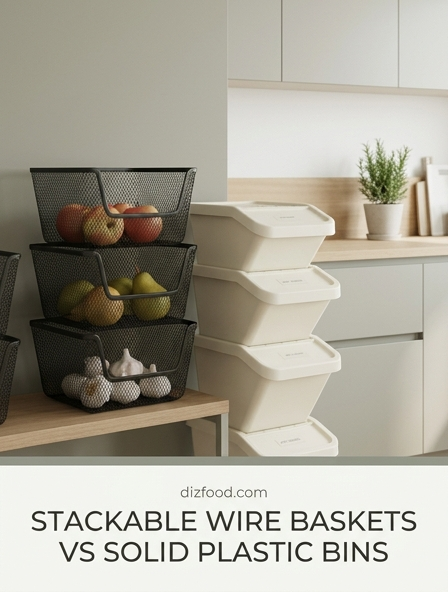
Deciding between stackable wire baskets and solid plastic bins is a pivotal step in achieving the ultimate kitchen organization. While both options excel at decluttering, they serve very different functional needs within a busy pantry or countertop. Wire baskets are the gold standard for airflow and "at-a-glance" visibility, making them the ideal choice for fresh produce like potatoes and onions that require ventilation to stay fresh. Conversely, solid plastic bins offer a streamlined, spill-proof environment that keeps small items-like tea bags or snack packets-secure and prevents leaks from sticky jars from reaching your shelves. Whether you prioritize the rustic charm and breathability of metal or the sleek, modular containment of clear acrylic, choosing the right material ensures your kitchen remains both beautiful and highly efficient.
| Feature | Stackable Wire Baskets | Solid Plastic Bins |
|---|---|---|
| Best For | Fresh produce, bulk snacks, linens | Dry goods, small packets, liquids |
| Air Circulation | Maximum (prevents mold/spoilage) | Minimal to None |
| Visibility | 360° view through mesh/wire | High (if clear); Low (if opaque) |
| Spill Containment | None; debris falls through | Excellent; contains leaks/crumbs |
| Durability | High (Heavy-duty coated metal) | Moderate (Can crack over time) |
| Maintenance | Dusting required; difficult to deep clean | Easy wipe-down or dishwasher safe |
Choosing Between Wire Baskets and Plastic Bins
Selecting the right storage solution for a kitchen involves balancing functionality with the specific environmental needs of your ingredients. The debate between stackable wire baskets and solid plastic bins often comes down to the physical properties of the items being stored. Wire baskets offer an industrial or farmhouse aesthetic while providing unparalleled ventilation, making them ideal for dry goods that require air circulation. On the other hand, solid plastic bins provide a protective barrier against external elements, making them the go-to choice for containment and cleanliness.
When making a choice, consider the following factors regarding your kitchen layout and storage habits:
- Frequency of access: Stackable wire baskets often feature open-front designs, allowing for quick retrieval without unstacking.
- Containment requirements: Small, loose items or powders require the solid walls of a plastic bin to prevent leakage or loss.
- Vertical space: Both options utilize verticality, but the locking mechanisms on plastic bins are often more stable for high-reaching stacks.
- Environmental exposure: Kitchens with high humidity may favor plastic to protect contents, whereas cooler, dry pantries benefit from the airflow of wire.
Ultimately, a cohesive kitchen organization system rarely relies on a single type of container. Most professional organizers suggest a hybrid approach where wire is used for bulk produce and plastic is reserved for categorized pantry staples. By identifying the unique demands of each food category, you can ensure that your storage choice extends the shelf life of your groceries while maintaining an orderly appearance.
Visibility Benefits of Wire Storage
Visibility is a cornerstone of efficient kitchen management. Wire baskets provide a 360-degree view of their contents, which significantly reduces the time spent searching for specific ingredients. This "see-through" nature helps in maintaining an accurate inventory, preventing the common mistake of over-purchasing items you already have hidden at the back of a cupboard. For families with children, wire baskets make it easy for everyone to identify snacks or fruit options without having to pull multiple containers off the shelf.
| Feature | Wire Basket Impact | Plastic Bin Impact |
|---|---|---|
| Inventory Speed | Instant visual check from any angle. | Requires looking through the side or top. |
| Labeling Needs | Optional; contents are naturally visible. | Highly recommended for opaque or frosted bins. |
| Aesthetic Clarity | Creates a textured, open feel. | Provides a uniform, streamlined look. |
The transparency of wire also encourages better food rotation. When you can see that a bag of potatoes is beginning to sprout or that your onion supply is dwindling, you are more likely to take immediate action. This visual transparency acts as a passive reminder of what needs to be consumed. Unlike plastic bins, which can sometimes distort the view due to glare or scuff marks on the plastic surface, the thin gauge of wire baskets offers an unobstructed gaze into the heart of your pantry organization.
Maximum Airflow with Stackable Wire
Airflow is the primary advantage of wire storage systems, particularly when dealing with fresh produce. Many root vegetables and alliums release gases and moisture that, if trapped, accelerate the decaying process. Wire baskets allow air to circulate freely around every piece of produce, preventing the buildup of ethylene gas and heat. This is especially critical for items that are stored at room temperature rather than in the refrigerator, where stagnant air can lead to mold and soft spots within days.
The benefits of maximum airflow extend to several specific kitchen categories:
- Root Vegetables: Potatoes and sweet potatoes stay firm longer when kept in dark, well-ventilated wire containers.
- Alliums: Onions, garlic, and shallots require dry air to prevent skin rot and premature sprouting.
- Fresh Fruit: Apples and citrus fruits benefit from the cooling effect of ambient air moving through the basket.
- Kitchen Linens: Storing dish towels in wire baskets prevents the musty odor associated with tightly packed, unventilated drawers.
Beyond food preservation, stackable wire designs ensure that even the items at the bottom of a vertical stack receive the same level of ventilation as those at the top. The mesh or grid pattern acts as a structural support that does not impede the environment. This makes wire the superior choice for "breathing" items, ensuring that your kitchen remains free of the odors associated with trapped moisture and stagnant organic matter.
Moisture Protection in Solid Plastic Bins
While airflow is essential for some items, moisture protection is the priority for others. Solid plastic bins act as a defensive shield against the fluctuating humidity levels often found in kitchens due to cooking steam and dishwashers. For dry goods like flour, sugar, pasta, and crackers, exposure to air is the enemy of freshness. A high-quality plastic bin provides a barrier that keeps humidity out and keeps the internal environment consistent, which is vital for preventing clumping in powders and staleness in baked goods.
- Containment of Spills: If a bottle of oil or a bag of flour leaks inside a plastic bin, the mess is contained within the solid walls, preventing a cross-contamination disaster across your entire pantry.
- Pest Prevention: Solid walls make it significantly harder for small pests to access food compared to the open gaps of a wire basket.
- Humidity Control: Plastic bins create a micro-climate that protects sensitive items from "sweating" during summer months or high-heat cooking sessions.
Furthermore, solid plastic bins are indispensable for under-sink storage where leaks from plumbing or cleaning chemicals are a constant risk. By housing sponges, detergents, and scrubbers in plastic, you ensure that any liquid runoff stays trapped in the bin rather than soaking into the wooden cabinetry. This protective quality makes plastic the logical choice for any "wet" areas of the kitchen or for items that must remain perfectly dry to stay edible.
Durability and Weight Capacity Differences
When considering the longevity of your kitchen organization, the materials matter immensely. Wire baskets are typically constructed from steel with a powder-coated or chrome finish. This gives them a high weight-to-strength ratio, allowing them to hold heavy items like canned goods, glass jars, or large quantities of potatoes without bowing or cracking. The rigid structure of metal ensures that the stacking mechanisms remain secure even under significant loads, which is a common failure point for cheaper storage alternatives.
| Material Type | Typical Weight Capacity | Primary Failure Mode |
|---|---|---|
| Powder-Coated Steel | 15-30 lbs per basket | Rusting (if coating is chipped) |
| BPA-Free Plastic | 5-15 lbs per bin | Cracking or warping under stress |
| Heavy-Duty Polymer | 10-20 lbs per bin | Stress fractures at corners |
Plastic bins, while lighter and easier to move when empty, are susceptible to structural fatigue. Over time, heavy loads can cause the plastic to warp, making the lids difficult to snap shut or causing stacked bins to lean dangerously. However, plastic does have the advantage of being rust-proof. In coastal environments or very damp kitchens, even coated wire may eventually succumb to oxidation if the protective layer is scratched. For heavy-duty pantry storage where cans are stacked deep, the structural integrity of wire is usually the safer long-term investment, whereas plastic excels in lightweight, modular applications.
Cleaning and Maintenance Comparison
The ease of cleaning is a practical consideration that affects the hygiene of your kitchen. Plastic bins are famously easy to maintain; their smooth, non-porous surfaces can be wiped down with a damp cloth or submerged in warm soapy water. Because they are solid, they do not have "nooks and crannies" where dust and crumbs can easily hide, making them a more sanitary choice for storing items that might leak or shed particles, such as loose grains or sticky condiment bottles.
- Plastic Maintenance: Quick wipe-downs are sufficient. Most are dishwasher safe (top rack), and they dry rapidly due to their flat surfaces.
- Wire Maintenance: Requires a brush to reach between the wires. Dust tends to settle on the horizontal rungs, necessitating more frequent detailing.
- The "Crumb Factor": Wire baskets allow crumbs and onion skins to fall through to the shelf below, creating more work for the user.
Wire baskets present a unique cleaning challenge. While they don't trap spills, they do allow debris to migrate downward. If you have a stack of wire baskets, the bottom basket often collects the debris from everything above it. To mitigate this, many users place liners at the bottom of their wire baskets. However, from a maintenance perspective, plastic bins are the clear winner for those who want a "set it and forget it" solution that keeps both the container and the shelf underneath pristine with minimal effort.
Aesthetic Appeal for Home Organization
Kitchen organization is no longer just about utility; it is a significant component of home interior design. The choice between wire and plastic often dictates the "vibe" of the room. Wire baskets are frequently associated with the "modern farmhouse" or "industrial" styles. They provide a rustic, textural element that breaks up the monotony of flat cabinet faces. The exposed nature of wire creates an inviting, "market-style" look that feels organic and lived-in, making it a favorite for open shelving and countertops.
Conversely, solid plastic bins are the hallmark of the "minimalist" and "ultra-organized" aesthetic popularized by professional home organizers. They provide a clean, uniform look that hides the visual clutter of mismatched food packaging. By using opaque or frosted plastic, you can create a streamlined appearance where only the labels are visible. This reduces visual noise in the kitchen, creating a sense of calm and order that wire baskets-with their busy patterns and visible contents-cannot replicate.
- Wire: Best for warmth, texture, and high-end decorative appeal.
- Plastic: Best for a "clutter-free" look and uniform color palettes.
The choice often depends on whether you want your storage to be a design statement or a disappearing act. Wire draws the eye and highlights the items within, while plastic creates a cohesive boundary that simplifies the visual landscape of the pantry.
Best Environments for Wire Baskets
Wire baskets thrive in environments where visibility and temperature regulation are paramount. The pantry is the most common home for these containers, especially for bulk items that don't fit in standard jars. Because they are stackable, they are excellent for maximizing the floor space of a walk-in pantry, turning a small footprint into a high-capacity storage tower for heavy produce or boxed goods. Their rugged construction also makes them suitable for "back-of-house" areas like mudrooms or utility closets connected to the kitchen.
- Countertop Storage: Perfect for fruit that needs to ripen at room temperature while looking decorative.
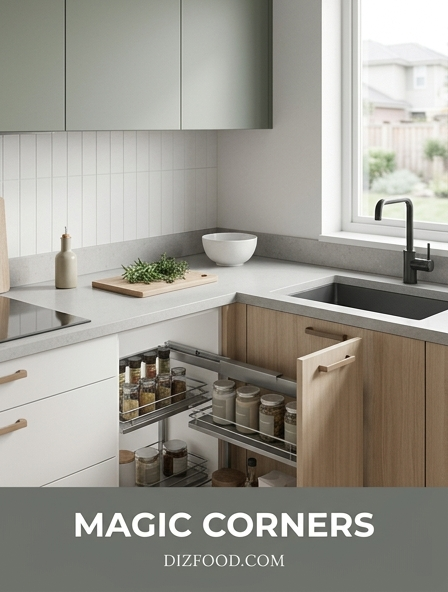
- Deep Lower Cabinets: Using wire pull-out baskets allows you to see all the way to the back of a deep cabinet without needing overhead lighting.
- Root Cellars or Basements: The superior airflow prevents the dampness of these areas from rotting bulk vegetable supplies.
Furthermore, wire baskets are ideal for "grab-and-go" stations. Placing them on a kitchen island or a low shelf allows children to easily see and reach healthy snacks. Because wire doesn't suction to surfaces, these baskets are easy to slide across wire shelving or wooden surfaces without leaving the scuff marks sometimes associated with heavy plastic bins. If your kitchen environment is dry and you prioritize quick identification of bulk items, wire is the optimal structural choice.
Strategic Uses for Plastic Containers
Solid plastic containers are the workhorses of the modern kitchen, specifically in areas where containment and protection are non-negotiable. The most strategic use for plastic is within the refrigerator. Unlike wire, which can rust in the high-moisture environment of a fridge, plastic is impervious to cold and condensation. Transparent plastic bins allow you to categorize produce, meats, and dairy, creating "drawers within drawers" that prevent the back-of-the-fridge "black hole" where food goes to expire.
- The Freezer: Heavy-duty plastic bins help organize frozen bags that would otherwise slip through the gaps of a wire basket.
- Under the Sink: Plastic protects the cabinet base from leaks and keeps cleaning supplies organized and dry.
- Small Item Sorting: Items like tea bags, spice packets, or baking extracts are too small for wire and require the solid base of a plastic bin.
- Baking Stations: Keeping flour, sugar, and cocoa powder in sealed plastic bins prevents "dusting" other items in the pantry.
Another strategic advantage of plastic is the ability to label. While you can hang tags on wire, adhesive labels bond perfectly to smooth plastic, allowing for clear, printed categorization. This makes plastic bins the superior choice for "system-based" organizing where every family member needs to know exactly where the "Gluten-Free" or "School Snacks" are located. For any item that is small, liquid, or sensitive to the environment, plastic is the strategically superior vessel.
Final Verdict on Efficiency and Cost
When weighing efficiency against cost, the winner depends on your long-term goals. Wire baskets typically carry a higher upfront price tag due to the cost of metal and the manufacturing processes involved in welding and coating. However, they are often viewed as a "lifetime" purchase. A well-made steel wire basket can last decades without losing its shape or functionality, offering a high return on investment for those who do not plan on changing their kitchen layout frequently.
| Factor | Wire Baskets | Plastic Bins |
|---|---|---|
| Initial Cost | Moderate to High | Low to Moderate |
| Lifespan | Excellent (10+ years) | Moderate (3-7 years) |
| Versatility | High for dry/bulk items | High for fridge/pantry/liquids |
Plastic bins offer a lower barrier to entry, making it more affordable to organize a large pantry all at once. They provide excellent efficiency for categorized storage and moisture-sensitive goods. However, they may need replacement every few years if they become scratched, cloudy, or cracked. For the most efficient kitchen, the "Final Verdict" is a hybrid system: use wire baskets for heavy, breathable produce and bulk goods to ensure longevity and airflow, and utilize plastic bins for the refrigerator, under-sink area, and small pantry items. This balanced approach optimizes your budget while capitalizing on the unique physical strengths of both materials.

Comments