
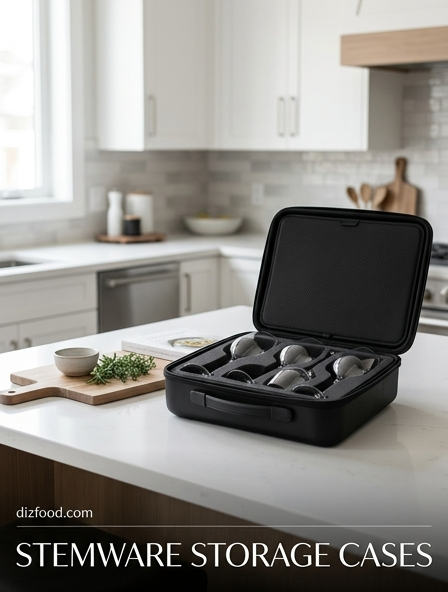
The Vulnerability of Fine Crystal Glassware
Fine crystal glassware represents the pinnacle of artisanal kitchenware, yet its chemical composition renders it exceptionally fragile. Unlike standard soda-lime glass, high-quality crystal often contains lead oxide or magnesium, which increases its refractive index and creates that iconic shimmer. However, this beauty comes at the cost of structural resilience. The material is highly susceptible to thermal shock and mechanical stress. Even minor fluctuations in ambient temperature or a slight clink against a granite countertop can initiate microscopic fractures that eventually lead to total failure.
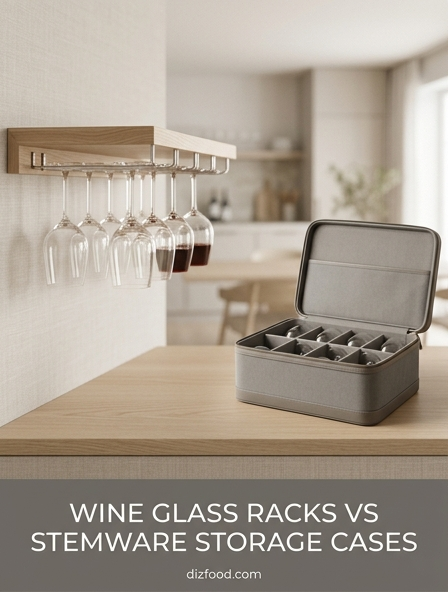
The stems of wine glasses are particularly vulnerable points of failure. They are designed to be elegant and thin, which focuses all the weight of the bowl onto a very narrow surface area. Without proper support, the torque applied during simple handling or improper storage can snap the glass instantly. Dedicated storage cases are not merely a luxury but a necessity for preserving these instruments. They mitigate the risks associated with crowded cabinets where glassware is often shoved together, leading to high-pressure points and inevitable breakage during retrieval or cleaning cycles.
Engineered Padding and Impact Resistance
To combat the inherent fragility of stemware, modern storage solutions utilize sophisticated engineering and specialized materials. Impact resistance is achieved through the strategic application of multi-layered padding that absorbs kinetic energy before it reaches the glass surface. These cases typically feature a combination of high-density foams and quilted fabrics that create a soft yet firm cradle for each individual piece. This design ensures that if a case is bumped or dropped from a low height, the internal components dampen the vibration significantly.
The internal architecture of these cases often includes the following protective elements:
- EPE Foam Inserts: Provides rigid support and keeps the glass centered within the compartment.
- Quilted Polyester Linings: Offers a soft contact surface that prevents surface abrasions.
- Adjustable Dividers: Allows for a customized fit based on the diameter of the bowl and the height of the stem.
- Padded Base Plates: Protects the delicate foot of the glass from bottom-heavy impacts.
By isolating each glass within its own padded cell, the storage case eliminates the "domino effect," where one breaking glass causes a chain reaction among its neighbors.
Dust Prevention and Long Term Clarity
One of the most frustrating aspects of maintaining a luxury glassware collection is the constant battle against dust and environmental films. When glasses are stored upright on open shelves or in standard kitchen cabinets, they collect a layer of fine particulates and grease vapors from cooking. Over time, these contaminants can etch the surface of the crystal or create a stubborn, cloudy residue that requires aggressive chemical cleaning, which itself can damage the glass. Storage cases provide a hermetically or semi-hermetically sealed environment that preserves long-term clarity.
A sealed storage environment ensures that the glassware remains "table-ready" at a moment's notice. This is particularly important for glasses used only for special occasions. By using a case with a secure zippered lid or a tight-fitting cover, you eliminate the need for pre-use polishing. This reduces the frequency of handling, which is when most accidents occur. Furthermore, the interior of a quality case is often lined with lint-free materials that do not shed fibers, ensuring that the crystal maintains its brilliant luster and transparency without the risk of microscopic scratches caused by abrasive dust particles.
Structural Integrity and Reinforced Sidewalls
The primary difference between a high-end stemware case and a standard cardboard box lies in the structural integrity of the sidewalls. Reinforced cases are designed to withstand external pressure, ensuring that the weight of other items does not crush the delicate contents within. Many professional-grade storage solutions incorporate internal supports made of polypropylene or heavy-duty fiberboard. This rigid skeleton allows cases to maintain their shape even when multiple units are stacked atop one another in a pantry or storage closet.
| Feature | Standard Box | Reinforced Case |
|---|---|---|
| Wall Material | Single-ply Cardboard | Reinforced Fiberboard/Plastic |
| Load Bearing | Low (Collapses easily) | High (Stackable) |
| Shape Retention | Poor over time | Excellent longevity |
| Impact Shielding | Minimal | High-level protection |
These reinforced walls serve as a fortress against the hazards of a busy kitchen. Whether it is a heavy pot accidentally leaning against the case or the pressure of being moved during a kitchen remodel, the structural reinforcement ensures that the force is distributed across the exterior shell rather than being transmitted to the glassware.
Preventing Micro Scratches and Chips
Micro-scratches are the silent killers of glassware aesthetics. They occur when two glass surfaces rub together or when a glass comes into contact with a hard, unyielding surface. While they may not be visible individually, an accumulation of micro-scratches results in a dull, frosted appearance that ruins the refractive properties of fine crystal. Stemware storage cases prevent this by utilizing soft-touch dividers that create a physical barrier between each piece. This "zero-contact" policy is essential for maintaining the pristine surface of expensive flutes and goblets.
Chipping usually occurs at the rim, which is the thinnest and most sensitive part of the glass. In a standard cupboard, rims often click against each other during retrieval. Storage cases typically utilize a "rim-down" or a "securely-slotted" configuration that immobilizes the glass. By preventing the glasses from shifting during movement, the risk of rim-to-rim contact is entirely eliminated. This methodical separation ensures that even during transit, the most delicate parts of the stemware remain untouched and suspended in a protective vacuum of soft fabric and air.
Space Saving Stackable Storage Solutions
Kitchen real estate is often limited, making efficient organization a top priority for home cooks and entertainers alike. Traditional glassware storage-placing items side-by-side on a shelf-is an inefficient use of vertical space. Quality stemware cases are designed with a uniform footprint that facilitates stable stacking. This allows users to utilize the full height of a pantry or storage unit, effectively tripling or quadrupling the storage capacity of a given area without increasing the risk of breakage.
The stackable nature of these cases is supported by interlocking designs or non-slip bottom textures that prevent the units from sliding. When cases are stacked, the reinforced sidewalls mentioned previously take the weight, protecting the glasses on the bottom layer. This modular approach to kitchen storage allows for a much cleaner and more organized aesthetic. Instead of a jumble of mismatched boxes and loose glasses, a series of uniform cases creates a professional, streamlined look that makes inventory management much simpler for the homeowner.
Secure Transit with Integrated Handles
Glassware often needs to be moved, whether it is from the kitchen to the dining room, or from the house to an external event like a party or a catering venue. Integrated handles transform a storage unit into a portable transit system. These handles are not merely afterthoughts; in high-quality cases, they are reinforced with rivets or heavy-duty stitching to ensure they can bear the weight of the contents without tearing. A secure grip reduces the likelihood of accidental drops during transport.
Consider the following benefits of integrated transit features:
- Ergonomic Balance: Handles are positioned to keep the case level, preventing the glasses from shifting into one another.
- Load Distribution: Dual side handles allow for two-handed carrying, which provides more stability than a single top handle.
- Reinforced Attachment: Straps often wrap around the bottom of the case to provide "cradle" support for the entire load.
Having a dedicated transit solution means that fine crystal is no longer confined to one room. It provides the freedom to host events anywhere with the confidence that the stemware will arrive in one piece, ready for service.
Efficient Organization with Clear Labeling
An extensive collection of stemware often includes various shapes and sizes: Bordeaux glasses, Burgundy balloons, champagne flutes, and dessert wine glasses. Keeping track of which glass is in which box can be a logistical challenge, leading to unnecessary handling as one searches through multiple containers. Professional storage cases solve this through integrated labeling systems. Clear window panels or dedicated card slots allow the user to identify the contents without ever opening the lid.
This level of organization is vital for maintaining the condition of the collection. Every time a case is opened, the contents are exposed to dust and potential movement. By using a labeling system, you only interact with the specific case you need. Many users choose to include specific details on their labels, such as the brand of the crystal, the quantity of glasses inside, and the specific variety of wine the glasses are intended for. This systematic approach turns a cluttered cupboard into a curated archive, making the preparation for a dinner party or tasting event significantly more efficient and stress-free.
Breathable Fabrics for Moisture Control
While protecting against dust is important, total airtight sealing can sometimes lead to problems with moisture trapped inside the case. If glasses are packed while even slightly damp, or if they are stored in a high-humidity environment like a kitchen, mold or mildew can develop on the linings or within the glasses themselves. To counter this, premium storage cases utilize breathable, non-woven fabrics. These materials allow for minimal air exchange, which prevents the build-up of stagnant air and moisture while still blocking larger dust particles.
Moisture control is essential for preventing "glass rot" or permanent clouding, which can occur when water sits on the surface of lead crystal for extended periods. Breathable materials ensure that any residual humidity evaporates naturally. Furthermore, these fabrics are often treated to be acid-free, ensuring that they do not chemically react with the glass over years of storage. This balance of protection and ventilation is what separates a professional storage solution from a generic plastic bin, providing a micro-climate that is perfectly suited for the long-term preservation of delicate materials.
Preserving the Longevity of Luxury Collections
The ultimate goal of using specialized stemware storage cases is the preservation of value and heritage. Many luxury glassware sets are significant investments, often costing hundreds or even thousands of dollars. Beyond their monetary value, they are frequently passed down through generations as family heirlooms. Proper storage is the primary factor in determining whether these pieces will survive for decades or be lost to a single moment of carelessness. By investing in a high-quality storage system, you are essentially purchasing an insurance policy for your collection.
Longevity is achieved through a holistic approach that combines physical protection, environmental control, and organized handling. When glasses are kept in a dedicated case, they are shielded from the "wear and tear" of daily kitchen life. They remain as pristine as the day they were purchased, free from the chips, scratches, and clouding that plague poorly stored items. For the serious collector or the dedicated host, these cases are an indispensable part of the kitchen ecosystem, ensuring that every toast is made with a glass that is as flawless as the wine it contains.

Comments