
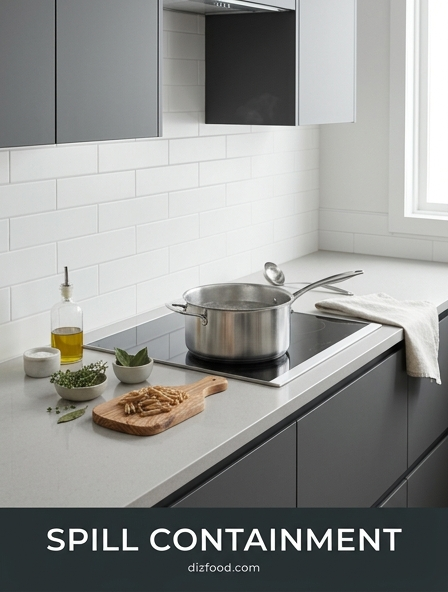
Defining Kitchen Spill Containment
Kitchen spill containment refers to the proactive strategies and physical barriers used to prevent liquids, oils, and food particles from spreading across surfaces. In a high-activity environment like a kitchen, spills are inevitable, but their impact can be controlled. Containment involves using specialized tools such as lipped mats, trays, and absorbent barriers that capture messes at the source before they reach the floor or seep into porous countertops. This concept extends beyond simple cleaning; it is a structural approach to kitchen management that prioritizes localized control.
Effective containment systems are designed based on the "zone" principle, where high-risk areas-such as the coffee station, the under-sink cabinet, and the food preparation island-are equipped with preventative measures. By implementing these systems, homeowners can ensure that a minor leak or a knocked-over glass does not turn into a major logistical headache. The primary goals of defining a containment strategy include:
- Reducing the surface area affected by liquid accidents.
- Preventing liquids from reaching hard-to-clean crevices.
- Minimizing the volume of cleaning agents required for recovery.
- Protecting the structural integrity of kitchen furniture and flooring.
Safety Benefits of Immediate Cleanup
The kitchen is statistically one of the most dangerous rooms in a household, primarily due to the risk of slips and falls caused by unattended spills. When oils or water hit tile or hardwood floors, they create a low-friction surface that can lead to serious injury. Immediate containment and cleanup are the most effective ways to mitigate these risks. Beyond physical falls, stagnant spills can lead to electrical hazards if liquids migrate toward floor-level outlets or the base of heavy appliances like refrigerators and dishwashers.
A disciplined approach to immediate cleanup ensures that the kitchen remains a safe workspace for everyone, including children and the elderly who may be more susceptible to accidents. Following a standardized response protocol can significantly lower the probability of a kitchen-related injury. Consider the following safety steps when a spill occurs:
- Verbally alert others in the vicinity of the hazard.
- Identify the source of the spill to prevent further leakage.
- Apply absorbent materials or use a containment barrier immediately.
- Clean the residue with an appropriate degreaser or sanitizer.
- Ensure the area is completely dry before resuming foot traffic.
Protecting Cabinets from Liquid Damage
Kitchen cabinetry represents a significant financial investment, yet it is highly vulnerable to moisture. Many modern cabinets are constructed from engineered woods like MDF or particle board, which act like sponges when exposed to standing water. Even high-end solid wood cabinets can suffer from warping, finish peeling, and wood rot if spills are allowed to settle in the joints or along the baseboards. Containment mats and waterproof liners are essential for preserving these surfaces over time.
When liquids penetrate the seams of a cabinet, they can cause the material to swell, leading to doors that no longer align and drawers that stick. Furthermore, hidden moisture behind or under cabinets provides the perfect breeding ground for structural mold, which can be difficult and expensive to remediate. By using containment trays under common leak sources, you create a sacrificial layer that catches the liquid, allowing for easy removal and cleaning without the cabinet ever coming into contact with the moisture. This simple preventative measure can extend the lifespan of your kitchen infrastructure by decades.
Preventing Pests with Better Containment
Spills are more than just an aesthetic or safety issue; they are a primary attractant for household pests. Insects like ants, cockroaches, and fruit flies are drawn to the smallest traces of sugar, protein, and moisture. A spill that seeps behind a baseboard or under a heavy appliance creates a permanent feeding station that is inaccessible to traditional cleaning tools. Proper containment ensures that organic matter is trapped on a removable surface where it can be disposed of entirely, leaving no residues behind to lure scavengers.
Pests require three things to thrive: food, water, and shelter. A kitchen with poor spill management provides all three. For example, a slow drip under the sink combined with spilled dish soap or food particles creates a humid, nutrient-rich environment for roaches. Implementing a containment strategy effectively removes the "food" and "water" components of this equation. Utilizing sealed containers and lipped trays under storage areas ensures that even if a package leaks, the mess is isolated and easily neutralized before pests can detect it.
Hygiene and Cross-Contamination Risks
Maintaining a hygienic kitchen requires strict control over how liquids move across surfaces. Cross-contamination often occurs when a spill from one area-such as raw poultry juice on a counter-is not properly contained and spreads to "clean" zones where ready-to-eat foods are handled. Containment mats with raised edges are particularly useful in prep areas to keep these biological hazards confined to a small, sanitizable space. This prevents the mechanical spread of bacteria via sponges, hands, or moving equipment.
The following table illustrates common kitchen spills and the specific hygiene risks they pose if not contained immediately:
| Spill Type | Primary Pathogen Risk | Contamination Level |
|---|---|---|
| Raw Meat Juices | Salmonella, E. coli | High / Critical |
| Dairy Products | Listeria, Mold Growth | Moderate |
| Fermented Liquids | Yeast, Fruit Flies | Low / Nuisance |
| Standing Water | Biofilm, Mildew | Moderate / Persistent |
By treating every spill as a potential biohazard, you prioritize the health of your household and ensure that your food preparation environment remains sterile and safe.
The Role of Under-Sink Mats
The area under the kitchen sink is arguably the most neglected part of the home, yet it is the most prone to catastrophic spills. Between complex plumbing, garbage disposals, and the storage of various chemical cleaners, the risk of a leak is constant. Under-sink mats are specialized containment tools designed to fit the dimensions of these cabinets. Usually made of heavy-duty silicone or rubber, these mats feature a raised lip that can hold several gallons of liquid, providing a vital buffer against pipe failures.
Without an under-sink mat, a slow leak can go unnoticed for months, quietly rotting the floorboards and the bottom of the cabinet. These mats not only protect against water but also shield the cabinet floor from corrosive cleaning chemicals that may leak from their bottles. They are easy to remove and hose down, making the maintenance of this difficult area much simpler. Investing in a high-quality, flexible mat that can be easily maneuvered around plumbing pipes is a fundamental step in any comprehensive kitchen spill containment plan.
Streamlining Your Kitchen Workflow
A kitchen that is designed with spill containment in mind is a more efficient kitchen. When you aren't constantly stopping to mop up large messes or worrying about liquids dripping onto the floor, you can focus on the task of cooking. Containment tools like oversized cutting boards with deep juice grooves and silicone prep mats streamline the process by keeping the "mess" localized. This allows for a "clean as you go" workflow that is much faster than a massive end-of-meal overhaul.
To optimize your workflow using containment principles, consider these organizational habits:
- Designate a high-containment zone for "wet" prep work.
- Use trays to transport ingredients that may drip, such as marinated meats.
- Place absorbent coasters or small mats under oil and vinegar bottles.
- Keep a dedicated "spill kit" (microfiber, squeegee, and spray) within arm's reach.
- Empty containment trays immediately after use to prevent overflow.
By integrating these small habits, you reduce the mental load of cooking and create a more professional, orderly environment.
Reducing Deep Cleaning Time
The difference between a kitchen that requires a weekly "deep clean" and one that stays pristine is the management of daily spills. When spills are contained and wiped away instantly, they never have the chance to become "baked-on" grime or stubborn stains. Deep cleaning often involves scrubbing grout lines or using harsh abrasives to remove dried liquids from floorboard gaps. Effective containment eliminates the need for these labor-intensive tasks by ensuring liquids never reach those difficult areas in the first place.
Consider the cumulative time saved when you no longer have to move the refrigerator to clean under it or spend an hour scrubbing the bottom of a sticky cabinet. Use of protective barriers means that instead of cleaning the kitchen structure, you are simply cleaning a removable mat. Most containment tools are dishwasher safe or can be sprayed down in seconds. This shift from reactive scrubbing to proactive containment can save the average homeowner dozens of hours of housework over the course of a year, allowing the kitchen to remain sparkling with minimal effort.
Essential Spill Containment Tools
Equipping your kitchen with the right tools is the foundation of a successful containment strategy. You don't need industrial equipment; rather, you need a smart selection of items that target the specific ways liquids move in a domestic setting. From silicone mats to specialized towels, each tool serves a unique purpose in the containment hierarchy. Having these items on hand ensures that when an accident happens, you are responding with the right gear rather than scrambling for a roll of paper towels.
The following table lists the essential tools every kitchen should have for containment:
| Tool | Primary Function | Ideal Location |
|---|---|---|
| Lipped Silicone Mat | Captures large volume leaks | Under sink / Coffee station |
| Juice Groove Board | Contains liquid from food prep | Main prep counter |
| Microfiber Squeegee | Moves liquids toward a drain/towel | Near the sink |
| Shelf Liners | Protects wood from small drips | Pantry / Spice drawers |
| Drip Trays | Collects condensation or oil | Under appliances |
Long-Term Value of a Dry Kitchen
Maintaining a "dry kitchen" through consistent spill containment is an investment in the long-term value of your home. Real estate professionals often note that the kitchen is the most scrutinized room during a home inspection. Water damage, mold, and stained cabinetry can significantly decrease a property's market value and deter potential buyers. By keeping surfaces dry and cabinets protected, you preserve the "like-new" quality of your kitchen finishes, ensuring a higher return on investment when it comes time to sell.
Beyond the financial aspects, a dry kitchen promotes a healthier living environment. Reduced humidity and the absence of standing water prevent the growth of allergens and pathogens, leading to better indoor air quality. There is also a psychological benefit; a clean, dry, and organized kitchen reduces stress and makes the home feel more inviting. Ultimately, the discipline of spill containment pays dividends in physical safety, financial security, and daily peace of mind. Keeping the heart of the home dry is a small effort that yields significant long-term rewards for any homeowner.


Comments