
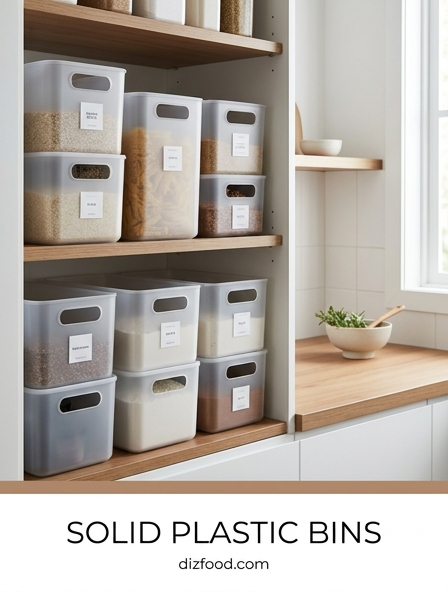
Benefits of Solid Plastic Construction
Solid plastic bins offer a level of structural integrity that is essential for the demanding environment of a modern kitchen. Unlike wire baskets or woven containers, solid plastic provides a continuous surface that supports weight without bowing or sagging. This rigidity is particularly important when storing heavy canned goods, glass jars of preserves, or bulk bags of flour. The high-density polyethylene or polypropylene used in these bins is engineered to withstand daily wear and tear, including frequent sliding on wire racks or wooden shelves.
- High impact resistance prevents cracking during accidental drops.
- Non-reactive surfaces ensure no chemical leaching into food items.
- Smooth edges prevent snags on peripheral packaging or shelf liners.
- BPA-free compositions prioritize food safety for long-term storage.
Furthermore, the solid nature of these bins ensures that items remain upright and stable. Small spice packets or narrow bottles that might tip over on uneven surfaces stay perfectly balanced on the flat, solid floor of a plastic bin. This stability reduces the risk of internal mess and keeps the contents organized exactly as intended, regardless of how often the bin is moved.
Containing Spills with Leak Proof Barriers
In any kitchen, spills are an inevitable occurrence, particularly when storing liquids like oils, vinegars, or honey. Solid plastic bins act as a critical secondary containment system, preventing a localized leak from turning into a full-scale pantry disaster. Because these bins are molded from a single piece of plastic, they lack the seams or pores found in other materials, making them inherently waterproof. If a bottle of olive oil leaks, the mess is confined entirely to the bin, protecting the expensive shelving underneath.
| Liquid Type | Containment Benefit |
|---|---|
| Viscous Syrups | Prevents sticky residue on shelves. |
| Acidic Vinegars | Protects wood and metal from corrosion. |
| Cooking Oils | Stops grease from seeping into porous surfaces. |
This containment capability also simplifies the remediation process. Instead of scrubbing an entire pantry shelf and potentially removing finish or paint, one can simply lift the bin out and wash it in the sink. This protective layer ensures that a single broken jar does not ruin surrounding dry goods, effectively safeguarding your grocery investment.
Protecting Pantry Staples from Cross Contamination
Maintaining the purity of ingredients is paramount for both flavor profile and health safety. Solid plastic bins provide a physical partition that prevents cross-contamination between diverse food groups. This is especially vital for households managing food allergies, where gluten-free items must remain strictly separated from wheat-based products. The solid walls act as a barrier against dust, dander, and loose particles that might migrate through a kitchen or pantry space.
Beyond allergen safety, these bins prevent the transfer of strong odors. Potent ingredients like garlic, onions, or pungent spices can off-gas, potentially tainting the flavor of neutral staples like baking chocolate or flour. By isolating aromatic items within their own solid-walled environment, you preserve the intended taste of every ingredient. This level of segregation is also beneficial for organizing "zones" within the kitchen, ensuring that raw ingredients never come into contact with ready-to-eat snacks. This disciplined approach to storage enhances overall food hygiene and gives the home cook peace of mind during meal preparation.
Durable Materials for Long Term Stability
Investing in solid plastic bins is a commitment to long-term kitchen efficiency. These materials are chosen for their ability to withstand temperature fluctuations that occur near ovens or in unheated pantries. Unlike wood, which can warp with humidity, or metal, which can rust in coastal or damp environments, high-quality plastic remains inert and structurally sound for years. This durability ensures that the bins maintain their shape, ensuring that lids continue to fit tightly and stacking mechanisms remain functional over hundreds of uses.
- Resilience against kitchen cleaning chemicals and degreasers.
- UV resistance prevents yellowing or brittleness in sunlit kitchens.
- Tensile strength allows for the storage of dense, heavy kitchen equipment.
- Thermal stability ensures the plastic doesn't soften in high-ambient heat.
The longevity of solid plastic also provides a significant economic advantage. While cheaper, flimsy alternatives may require replacement every few months due to cracking or staining, professional-grade solid bins serve as a permanent fixture in the organizational landscape. This reliability is the cornerstone of a sustainable kitchen management system that reduces waste and clutter.
Defensive Storage Against Pests and Humidity
Dry goods are constantly under threat from environmental factors and invasive pests. Solid plastic bins serve as the first line of defense against common pantry invaders such as weevils, ants, and moths. While cardboard boxes and thin plastic bags are easily breached by gnawing insects, the thick, hard walls of a solid bin provide an impenetrable fortress. This is crucial for protecting high-value items like organic grains, nuts, and dried fruits that are particularly attractive to pests.
Humidity is another silent enemy in the kitchen, often leading to clumping in sugar or spoilage in crackers. Solid plastic bins create a controlled micro-environment that shields contents from the steam generated by dishwashers and stovetops. By maintaining a consistent internal atmosphere, these bins extend the shelf life of staples significantly. This defensive posture is not just about cleanliness; it is an essential strategy for food preservation. When items are kept dry and inaccessible to insects, the risk of foodborne illness and financial loss due to thrown-away groceries is drastically minimized, making the pantry a more secure environment.
Streamlining Cleanup with Non Porous Bins
The non-porous nature of solid plastic bins is a major advantage for maintaining kitchen sanitation. Surfaces that lack pores do not provide a foothold for bacteria, mold, or yeast to grow. When food residue or liquid spills occur, they sit on top of the material rather than soaking in. This makes the cleaning process incredibly straightforward. Most solid plastic bins can be sanitized with a simple wipe of a damp cloth and mild detergent, or even placed in a dishwasher for a high-temperature deep clean.
- Quick-dry surfaces prevent the growth of mildew after washing.
- Resistance to staining from vibrant foods like turmeric or tomato sauce.
- Elimination of lingering food odors after a standard wash cycle.
- No need for specialized oils or treatments required by wood or bamboo.
A streamlined cleaning routine saves time and ensures that storage containers are always ready for a fresh rotation of groceries. In a busy household, the ability to rapidly refresh a storage zone without scrubbing deep into crevices is invaluable. This hygiene-focused design ensures that the pantry remains a safe space for food preparation and storage at all times.
Maximizing Capacity with Secure Stacking Designs
Vertical space is often the most underutilized resource in a kitchen or pantry. Solid plastic bins are frequently engineered with integrated nesting and stacking features that allow users to build upward safely. These designs typically include recessed lids or specialized "feet" on the bottom of the bin that lock into the top of another. This structural interlocking prevents the bins from sliding or toppling, even when stacked four or five units high. This capability effectively doubles or triples the usable square footage of a shelf.
By maximizing vertical capacity, you can clear cluttered countertops and move infrequently used items to higher elevations while keeping daily essentials at eye level. The solid construction supports the weight of the stack without compressing the items in the lower bins. This is a significant improvement over soft-sided bins or cardboard, which can collapse under pressure. A well-executed stacking system creates a professional, streamlined look that transforms a chaotic pantry into a highly efficient storage hub where every cubic inch is utilized to its fullest potential.
Enhancing Visibility for Efficient Inventory Tracking
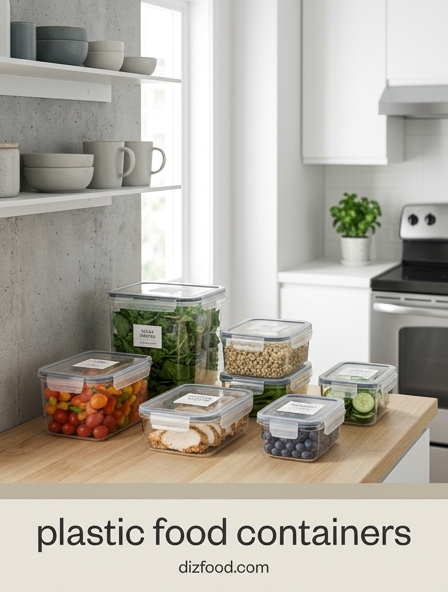
Efficient kitchen management relies on knowing exactly what is on hand. Many solid plastic bins are designed with clear or semi-translucent walls, providing immediate visual access to inventory levels. This transparency eliminates the need to rummage through the back of the pantry or open dozens of lids to find a specific ingredient. When you can see that the rice is low or that you have three jars of peanut butter, you can make more informed decisions during meal planning and grocery shopping.
| Visibility Feature | Operational Benefit |
|---|---|
| Transparent Walls | Instant identification of contents and quantities. |
| Flat Front Surfaces | Ideal for adhesive labels or chalk markers. |
| Low-Profile Sides | Allows for easy reaching without moving the bin. |
This visibility plays a crucial role in reducing food waste. Items hidden in opaque containers are often forgotten until they are well past their expiration date. By keeping staples in plain sight, you are more likely to utilize them in timely recipes. Furthermore, the ability to quickly scan your shelves speeds up the creation of shopping lists, ensuring you never over-purchase or run out of critical ingredients mid-recipe.
Creating a Standardized Organizational Framework
A disorganized kitchen creates mental friction and slows down the cooking process. Implementing a standardized framework using solid plastic bins brings a sense of order and logic to the space. By choosing bins of uniform sizes or complementary shapes, you create a modular system that can be reconfigured as your storage needs change. This uniformity allows for a "grid" layout on shelves, which is visually calming and highly functional. It enables the categorization of items into specific zones, such as baking, breakfast, or snacks.
The standardized approach also simplifies the workflow for multiple family members. When everyone knows that "the blue bin is for snacks" or "the large clear bin is for flour," it reduces the time spent searching for items and ensures that groceries are put away in their correct locations. This system fosters a collaborative environment where maintaining the kitchen is easier for everyone. Over time, this organizational discipline becomes second nature, transforming the kitchen into a high-performance workspace where tools and ingredients are always exactly where they belong.
Maintaining a Fresh and Secure Pantry Environment
The ultimate goal of any kitchen storage system is to maintain the freshness and security of the food supply. Solid plastic bins contribute to this by creating a reliable barrier against the external environment. By locking out air, moisture, and pests, these bins preserve the texture, aroma, and nutritional value of dry goods for much longer than original retail packaging. This secure environment is the foundation of a healthy home, ensuring that the ingredients used to feed your family are always at their peak quality.
- Consistent humidity levels prevent "stale" textures in baked goods.
- Security from light exposure helps maintain the potency of oils and spices.
- Physical protection prevents bruising of delicate produce or crackers.
Beyond the physical benefits, a secure pantry provides a psychological sense of readiness. Knowing that your food is protected and organized allows for more creative and stress-free cooking. You can stock up on bulk items with confidence, knowing they will remain fresh until needed. In the end, the modest investment in solid plastic bins pays dividends in the form of reduced waste, saved time, and a consistently high-quality dining experience for the entire household.

Comments