
Choosing between a bread box and a countertop produce basket isn't just about kitchen aesthetics; it's about mastering the science of food preservation to reduce waste. While a bread box creates a dedicated microclimate that balances humidity to keep artisanal loaves soft yet crusty, open produce baskets rely on maximum airflow to prevent the buildup of ethylene gas, which can cause fruits and vegetables to spoil prematurely. If you're tired of tossing out moldy sourdough or overripe avocados, understanding how the moisture-wicking properties of a wooden box differ from the high-ventilation design of a wire basket is the secret to keeping your kitchen staples fresher for days longer.
| Feature | Bread Box | Countertop Produce Basket |
|---|---|---|
| Primary Goal | Moisture retention & crust protection | Ethylene gas dissipation & airflow |
| Ideal For | Sourdough, bagels, pastries, rye | Apples, bananas, onions, stone fruit |
| Atmosphere | Low-ventilation, dark microclimate | High-ventilation, ambient light exposure |
| Freshness Mechanic | Traps bread's natural moisture to prevent staling | Prevents moisture buildup to stop rot/mold |
| Common Materials | Bamboo, ceramic, or powder-coated steel | Wire mesh, wicker, or tiered metal slats |
| Max Shelf-Life Gain | 3-5 days (prevents "rock-hard" texture) | 5-7 days (slows ripening/bruising) |
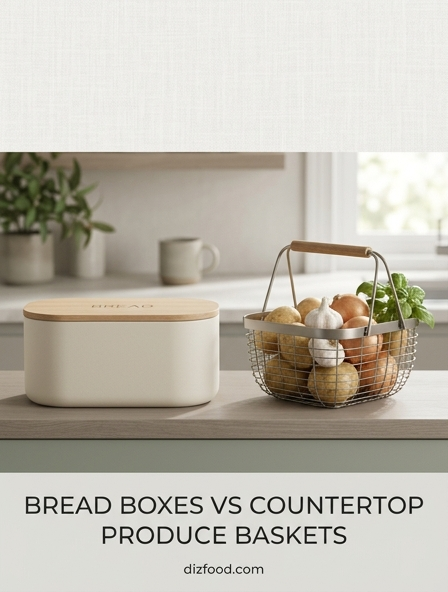
Bread Box vs Produce Basket Freshness Comparison
The primary distinction between a bread box and a produce basket lies in how they manipulate the immediate environment surrounding the food. Bread boxes are engineered to create a microclimate that strikes a balance between total enclosure and moderate ventilation. For artisanal loaves or sourdough, the goal is to prevent the crumb from drying out while maintaining a slight crispness in the crust. By trapping some of the natural moisture released by the bread, the box keeps the loaf soft for several days longer than if it were left exposed on a cutting board. However, this environment is specifically tuned for starches rather than fresh produce.
In contrast, produce baskets are designed for high respiration rates. Fruits and vegetables like apples, pears, and citrus constantly release gases and moisture. Placing these items in a sealed bread box would lead to rapid softening and fermentation. The basket allows these gases to dissipate, preventing the localized "greenhouse effect" that causes rot. While bread loses its appeal when its moisture evaporates, most produce thrives when allowed to breathe, making the two storage solutions non-interchangeable.
- Bread Box Freshness: Best for retaining softness in yeast-based products and preventing the hardening of crusts.
- Produce Basket Freshness: Best for firm-skinned fruits that require constant air exchange to remain crisp.
- Hybrid Storage: Some households use perforated boxes, but these often fail to provide the specific needs of either category effectively.
Optimal Airflow for Bakery and Produce Storage
Airflow is the defining mechanical difference between these two kitchen staples. A high-quality bread box typically features small ventilation holes, often located at the back or sides. These vents are calculated to allow just enough air circulation to prevent condensation-which leads to mold-without allowing so much air that the bread goes stale. Without these tiny apertures, the humidity inside the box would skyrocket, turning a crusty baguette into a spongy, unappealing mess within hours. The restricted airflow also protects the bread from the fluctuating humidity levels of the wider kitchen environment.
Countertop produce baskets utilize a completely different philosophy of "maximum exposure." Whether constructed from wire mesh, woven wicker, or slatted wood, the objective is to ensure that air hits every surface of the fruit. This is crucial because stagnant air around produce can lead to the accumulation of heat and moisture, which are the primary catalysts for fungal growth. In a basket, the natural convection currents of the room help carry away the moisture that fruits naturally exude through their skins.
| Feature | Bread Box Airflow | Produce Basket Airflow |
|---|---|---|
| Intensity | Low / Controlled | High / Ambient |
| Mechanism | Small rear/side vents | Open wire or mesh walls |
| Goal | Moisture retention | Gas and heat dissipation |
Managing Kitchen Countertop Space and Organization
Kitchen real estate is often the most valuable square footage in a home, and choosing between a bread box and a produce basket often comes down to footprint and verticality. Bread boxes tend to have a larger, fixed footprint. Because they are enclosed units, they require a flat, stable surface and often feature a "roll-top" or "drop-down" door. This design means you cannot stack items on top of most bread boxes, though some modern flat-top versions allow for light storage, such as spice jars or small canisters, to sit on the upper surface. This can make a kitchen feel more cluttered if the box is oversized for the household's needs.
Produce baskets offer more flexibility in terms of vertical organization. Many countertop baskets are designed with two or three tiers, allowing you to store a significant amount of fruit and vegetables while occupying a very small circular or rectangular area on the counter. This verticality is a major advantage in smaller kitchens. Furthermore, baskets are visually "lighter" because of their open construction, making a counter feel less crowded than the solid, opaque presence of a bread box. When organizing, it is common to place the bread box in a corner and the produce basket near a prep area or breakfast nook for easy access.
- Assess the daily volume of bread vs. fruit to determine size requirements.
- Consider tiered baskets to save horizontal counter space.
- Look for flat-top bread boxes if you need extra storage space on top.
- Ensure the opening mechanism of the bread box doesn't hit hanging cabinets.
Moisture Control Strategies for Bread and Fruit
Moisture is both the friend and the enemy of kitchen storage. For bread, the enemy is dehydration. Staling occurs through a process called starch retrogradation, where water migrates from the starch granules to the interstitial spaces. A bread box slows this by maintaining a slightly humid interior. However, if the humidity exceeds a certain threshold, mold spores will find a perfect breeding ground. The strategic use of materials like wood or bamboo in bread boxes is often preferred because these natural materials can absorb and release small amounts of moisture, acting as a natural regulator for the bread's environment.
For produce, the strategy is about preventing "wet" moisture while maintaining "internal" hydration. When fruit is piled in a basket, the points of contact between the fruits can become damp. This is why open-weave baskets are superior; they ensure that even the bottom layer of fruit receives enough air to keep the skins dry. Some fruits, like leafy greens, should never be in a countertop basket, but for "counter-stable" produce like onions or tomatoes, the goal is to prevent the surface from becoming clammy. A dry surface is the best defense against the bacteria that cause rot and soft spots.
Aesthetic Differences in Modern Kitchen Storage
The visual impact of a bread box versus a produce basket can redefine the "vibe" of a kitchen. Bread boxes are often used as statement pieces. They come in a wide variety of styles, from vintage enameled metal that evokes a 1950s diner feel to sleek, brushed stainless steel for a professional, minimalist look. Because they are large and opaque, they hide the clutter of half-eaten loaves and plastic wrappers, providing a cleaner, more streamlined appearance to the countertop. This makes them ideal for homeowners who prefer a "hidden storage" philosophy where everything has a designated, closed container.
Produce baskets, conversely, lean into the beauty of the food itself. A basket filled with bright oranges, red apples, and yellow bananas provides natural color and texture to the kitchen. This "exposed storage" is common in farmhouse, rustic, or bohemian interior designs. The materials of the basket-whether it is black powder-coated iron, woven seagrass, or natural wood-contribute to the warmth of the room. While the bread box hides the contents, the produce basket celebrates them, turning everyday food items into a dynamic decorative element that changes with the seasons.
- Minimalist: Stainless steel bread boxes with hidden hinges.
- Farmhouse: Woven wicker baskets or white-washed wooden bread boxes.
- Industrial: Black wire tiered baskets and heavy-duty metal boxes.
- Scandi: Light wood tones, bamboo materials, and simple geometric shapes.
Protecting Baked Goods from Sunlight and Pests
One of the most practical advantages of a bread box over a produce basket is the physical protection it provides. Sunlight is a major factor in food spoilage; UV rays and the heat they generate can cause bread to sweat inside its packaging, leading to rapid mold growth. The opaque walls of a bread box serve as a shield, keeping the internal temperature consistent and the light out. This is particularly important in sun-drenched kitchens where countertops are frequently exposed to direct afternoon light. By keeping the bread in the dark, you preserve the integrity of the crust and the nutritional value of the grain.
Furthermore, bread boxes act as a formidable barrier against common kitchen pests. Fruit flies, ants, and even curious pets are often attracted to the smell of fresh yeast or sugar-laden pastries. While a produce basket leaves its contents entirely vulnerable to these intrusions, a bread box with a snug-fitting lid creates a sealed environment that is much harder for insects to penetrate. For households in warmer climates or those who enjoy keeping the windows open, the pest-protection aspect of a bread box is often the deciding factor in its favor over open-air storage options.
Benefits of Open Air Produce Baskets for Ripening
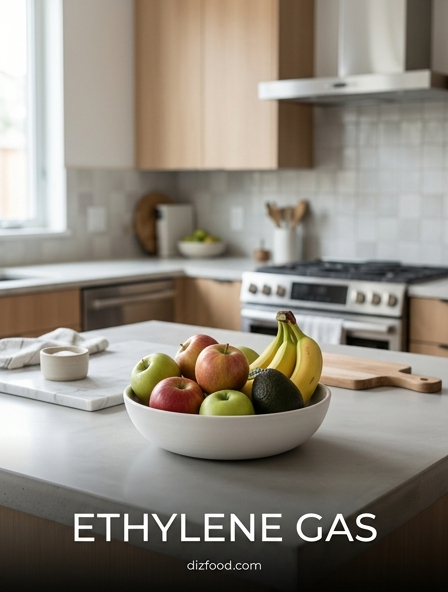
Many fruits are picked before they are fully ripe and require a specific environment to reach peak flavor and texture. Open-air produce baskets are the ideal tool for this process. Ethylene gas, a natural plant hormone released by ripening fruit, plays a critical role here. In an open basket, the gas can circulate freely. While you can strategically place an ethylene-producing fruit (like a banana) next to a hard avocado to speed up ripening, the open air ensures that the gas doesn't build up to the point of causing everything in the vicinity to over-ripen and rot simultaneously.
The accessibility of an open basket also encourages healthy eating habits. When fruit is visible and easy to grab, it is more likely to be consumed before it spoils. The open design also allows for easy inspection. You can quickly see which items need to be eaten immediately and which can wait another day. This transparency is impossible with a bread box, where items are often "out of sight, out of mind," sometimes leading to forgotten, moldy rolls at the back of the container. For the active kitchen, the produce basket serves as a living, breathing pantry that rewards daily interaction.
Durable Materials for Long Lasting Kitchen Organizers
When investing in kitchen storage, material durability and maintenance are key considerations. Bread boxes and produce baskets are available in a variety of materials, each with its own lifespan and care requirements. Stainless steel is a popular choice for both because it is rust-resistant, easy to sanitize, and does not absorb odors. This is particularly important for bread boxes, where the smell of a moldy loaf can linger in porous materials. Powder-coated steel is another durable option, offering a pop of color while providing a hard-wearing surface that resists scratches and chips.
Natural materials like bamboo and wood offer a different set of benefits. They are renewable and provide a warm aesthetic, but they require more care to prevent cracking or warping over time. Wicker and seagrass are common for produce baskets; they provide excellent airflow and a soft landing for delicate fruits, but they can be difficult to clean if a piece of fruit rots and leaks juice into the fibers. For long-term utility, many users prefer a combination: a metal or bamboo bread box for its structural integrity and a metal wire basket for its ease of cleaning and ventilation.
| Material | Best For | Pros | Cons |
|---|---|---|---|
| Stainless Steel | Modern Kitchens | Hygienic, durable | Shows fingerprints |
| Bamboo | Bread Boxes | Sustainable, moisture-regulating | Can crack in dry heat |
| Powder-Coated Iron | Produce Baskets | Sturdy, colorful | Can rust if coating chips |
| Wicker/Rattan | Produce Baskets | Lightweight, breathable | Hard to deep clean |
Preventing Mold in Enclosed Bread Storage
Mold is the primary enemy of bread storage, and an improperly managed bread box can actually accelerate its growth. To prevent this, the box must be kept clean and dry. Every time a loaf is finished, the box should be emptied of crumbs. These small fragments can trap moisture and harbor mold spores that will quickly colonize the next fresh loaf. A simple wipe-down with a vinegar-and-water solution once a week is usually sufficient to kill off any latent spores without introducing harsh chemicals to the food-contact surface. It is vital to let the box dry completely before placing new bread inside.
Another common mistake is placing warm, freshly baked bread directly into a bread box. The heat creates steam, which condenses on the cool interior walls of the box, creating a high-humidity environment that mold loves. Bread should always be cooled to room temperature on a wire rack before being tucked away. Additionally, the location of the bread box matters. Placing it near a heat source like a toaster, oven, or in direct sunlight can raise the internal temperature, making it a "hot box" that facilitates spoilage. Proper placement in a cool, dry area of the kitchen is the best way to ensure the bread box does its job effectively.
Choosing the Right Storage for Your Kitchen Needs
Deciding between a bread box, a produce basket, or a combination of both depends largely on your dietary habits and kitchen layout. If your household consumes fresh, artisanal bread daily and you find your loaves going hard before they are finished, a bread box is a worthwhile investment. It offers a dedicated space that protects your bakery items from light, pests, and air. On the other hand, if you prioritize fresh fruits and vegetables and have limited counter space, a multi-tiered produce basket will provide better air circulation and organizational efficiency, helping you reduce food waste by keeping your produce visible.
Ultimately, the most efficient kitchens often utilize both, but in distinct zones. A produce basket works best near the sink or prep area where fruits are washed and eaten, while a bread box is ideally placed near the toaster or coffee station for a streamlined breakfast routine. Consider your specific environment: if you live in a very humid climate, you might prioritize a well-ventilated metal bread box over a wooden one. If you have a small kitchen, look for vertical baskets and flat-top boxes. By understanding the distinct roles of these storage solutions, you can create a kitchen that is both aesthetically pleasing and optimized for food preservation.

Comments