
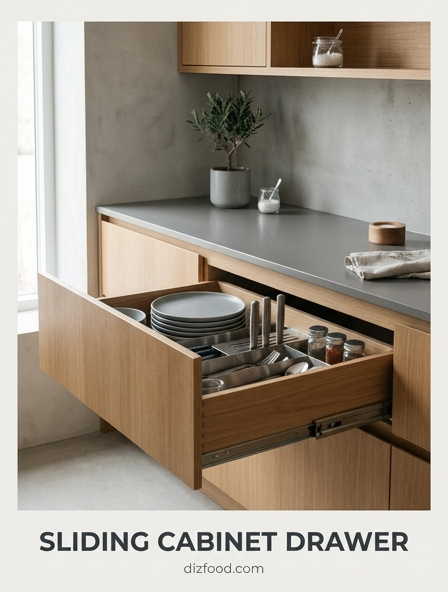
Tired of rummaging through dark, cluttered cupboards to find your kitchen essentials? You can easily maximize cabinet accessibility with a heavy-duty sliding cabinet drawer upgrade, transforming deep, unreachable spaces into streamlined storage hubs. These robust pull-out systems bring every item directly to your fingertips, eliminating the need to kneel or strain while providing the necessary strength to support heavy pots, pans, and pantry staples. By integrating these durable organizers, you not only improve your daily workflow but also ensure every inch of your cabinetry is utilized efficiently. To determine the best fit for your specific layout, it is worth exploring the functional differences between Under-Sink Tension Racks Vs Sliding Cabinet Drawers for your next home improvement project.
Benefits of Heavy-Duty Sliding Drawers
Integrating heavy-duty sliding drawers into your kitchen design offers transformative benefits for both organization and structural integrity. Unlike standard shelves, these robust systems are engineered to withstand significant weight, making them ideal for storing heavy cast iron cookware, Dutch ovens, and large stoneware. The primary advantage is the elimination of the "lost corner" syndrome, where items at the back of a deep cabinet remain unused for years. By bringing the entire contents of the cabinet out into the light, you ensure every square inch of your storage is utilized effectively.
- Enhanced visibility of all stored items, reducing duplicate purchases.
- Improved physical safety by preventing the need to crawl into low cabinets.
- Superior durability compared to standard plastic or thin wood organizers.
- Full-extension capabilities that provide total access to the back of the drawer.
Furthermore, these drawers are often equipped with precision ball-bearing slides, ensuring that even when fully loaded with fifty pounds of gear, the movement remains smooth and silent. This level of functionality not only makes cooking more efficient but also protects your cabinetry from the wear and tear associated with dragging heavy items across fixed shelves.
Assessing Your Current Cabinet Storage
Before investing in a sliding drawer system, a comprehensive audit of your current kitchen layout is essential. Start by emptying your lower cabinets to see the raw space you have available. Many homeowners find that their existing fixed shelves create wasted vertical space or difficult-to-reach pockets. Measuring your cabinet openings is the most critical step; you must account for protrusions such as door hinges, plumbing pipes, or electrical outlets that could obstruct the path of a sliding tray.
- Clear out all items and group them by frequency of use and physical weight.
- Measure the clear opening width, which is the narrowest point the drawer must pass through.
- Check the depth of the cabinet from the back wall to the inside of the face frame.
- Identify "dead zones" where items currently accumulate and become inaccessible.
This assessment allows you to determine if you need single-tier or multi-tier sliding solutions. For instance, a cabinet housing a tall stand mixer may only accommodate one deep drawer at the bottom, whereas a cabinet for canned goods could easily support three or four shallow sliding trays, significantly increasing your total storage capacity.
Choosing the Right Sliding Drawer Hardware
The performance of a sliding kitchen drawer is almost entirely dependent on the quality of the hardware selected. While the drawer box itself provides the structure, the slides dictate the user experience. There are three main types of slides to consider: side-mount, under-mount, and center-mount. Under-mount slides are highly favored in modern kitchen renovations because they are hidden from view and often offer the smoothest gliding motion. When selecting hardware, pay close attention to the extension type and the weight rating to ensure longevity.
| Slide Type | Extension | Best Use Case |
|---|---|---|
| Side-Mount | Full or Partial | Utility drawers and heavy pots |
| Under-mount | Full Extension | High-end aesthetics and soft-close |
| Ball-Bearing | Over-travel | Deep pantries and heavy appliances |
Always opt for "Full Extension" slides. This feature allows the drawer to pull completely out past the face of the cabinet, giving you unobstructed access to the very back. Soft-close technology is another highly recommended feature, as it prevents heavy drawers from slamming, which protects both the hardware and your delicate glassware or china from shifting violently.
Maximizing Deep Lower Cabinet Space
Deep lower cabinets are notorious for becoming cluttered and disorganized because the human eye cannot easily see what is stored in the shadows of the rear section. Sliding drawers solve this by essentially turning the cabinet inside out. To maximize this space, consider a "drawer-within-a-drawer" approach or tiered heights. Use deep-sided drawers for bulky items like stockpots and mixing bowls, while shallower sliding trays work best for lids, cutting boards, or baking sheets.
- Install adjustable dividers to keep pot lids separated from the pots themselves.
- Use non-slip liners to prevent items from sliding when the drawer is opened quickly.
- Utilize the full depth of 24-inch cabinets with 22-inch slides for maximum reach.
- Group items by height to minimize the clearance needed between sliding tiers.
By organizing your deep cabinets with these systems, you can categorize your kitchen into zones-such as a baking zone or a prep zone-where all necessary tools are accessible in one fluid motion. This eliminates the frustration of digging through stacks of pans and makes the kitchen a much more inviting space for complex meal preparation.
Step-by-Step Installation Guide for Pull-Out Shelves
Installing pull-out shelves is a manageable DIY project that can be completed in an afternoon with basic tools. The key to a successful installation is precision in leveling and ensuring the tracks are perfectly parallel. If the tracks are even slightly skewed, the drawer will bind and fail to operate smoothly. Follow these steps for a professional-grade installation in your existing cabinetry.
- Remove existing fixed shelves if they are not adjustable; if they are, simply remove the clips.
- Mark the height of the slides on both sides of the cabinet interior using a level.
- Mount the cabinet-side members of the slides, using spacers if your cabinet has a face frame.
- Attach the drawer-side members to the bottom or sides of the sliding box.
- Insert the drawer into the tracks and test the movement for any resistance or noise.
If you encounter resistance, check that the screws are driven flush and that the cabinet walls are square. In older homes, cabinets may have settled, requiring small shims behind the slides to ensure they remain parallel. Once installed, these shelves turn a standard base cabinet into a high-functioning storage hub that rivals custom-built cabinetry at a fraction of the cost.
Improving Kitchen Ergonomics and Accessibility
Kitchen ergonomics focus on reducing the physical strain associated with cooking and cleaning. Standard base cabinets often require bending, kneeling, or overextending the back to reach heavy items. For individuals with mobility issues or those planning to age in place, sliding drawers are not just a luxury; they are a necessity. By bringing the contents of the cabinet to the user, these systems minimize the need for awkward postures and reduce the risk of injury.
Designing a kitchen with accessibility in mind involves placing frequently used items within the "comfort zone"-the area between the waist and the shoulders. Sliding drawers allow you to store heavy items lower down while still making them easy to lift, as you can stand directly over the item once the drawer is extended. This layout is especially beneficial for heavy stand mixers or slow cookers that are otherwise difficult to maneuver. Furthermore, the use of easy-grip handles or "push-to-open" hardware can assist those with limited hand strength, ensuring the kitchen remains a functional space for everyone in the household regardless of physical ability.
Weight Capacity for Heavy Kitchen Appliances
When planning sliding drawers for appliances, understanding weight capacity is paramount. Standard drawer slides are typically rated for 75 to 100 pounds, which is sufficient for most cookware. However, for specialized "appliance garages" or drawers housing heavy-duty mixers, bread machines, or stacks of cast iron, you should look for slides rated for 150 to 200 pounds. Exceeding the weight limit will cause the ball bearings to fail and the drawer to sag, potentially damaging the cabinet floor.
| Appliance/Item | Avg. Weight | Recommended Slide Rating |
|---|---|---|
| Stand Mixer | 25-30 lbs | 100 lbs (Dynamic) |
| Cast Iron Set | 40-60 lbs | 150 lbs (Heavy Duty) |
| Canned Goods (Full) | 50-80 lbs | 150 lbs (Heavy Duty) |
It is also important to distinguish between static load and dynamic load. The static load is what the slide can hold when stationary, while the dynamic load is what it can support while in motion. For a kitchen environment, always prioritize the dynamic load rating. Additionally, ensure that the bottom of the drawer box is thick enough (at least 1/2 inch) to prevent bowing under the weight of these heavier appliances.
Best Materials for Durable Cabinet Upgrades
The longevity of your sliding drawer system depends heavily on the materials used for the drawer box. In the high-moisture environment of a kitchen, choosing materials that resist warping and swelling is vital. While plastic inserts are cheap, they lack the rigidity needed for heavy storage. The gold standard for drawer boxes is 5/8-inch or 3/4-inch Baltic Birch plywood, known for its stability and numerous thin layers which provide excellent screw-holding power.
- Baltic Birch: Offers superior strength and a clean, light-colored aesthetic.
- Solid Hardwood: Such as maple or oak; provides a high-end look and extreme durability.
- Melamine-faced Particle Board: Easy to clean and budget-friendly, though less durable than plywood.
- Stainless Steel: Ideal for modern industrial looks and maximum hygiene in wet areas.
The finish applied to these materials also matters. A clear UV-cured finish or a high-quality polyurethane will protect the wood from spills, oils, and cleaning agents. For the hardware, look for zinc-plated or stainless steel slides to prevent rust. Investing in high-quality materials ensures that your sliding drawers will remain functional and attractive for decades, even with heavy daily use in a busy family kitchen.
Organizing Pantry Items with Sliding Systems
Pantries are often the most disorganized areas of the kitchen due to the sheer variety of item sizes, from tiny spice jars to gallon-sized jugs of oil. Sliding systems revolutionize pantry storage by allowing for high-density organization. Instead of deep, fixed shelves where items are pushed to the back and forgotten until they expire, sliding trays allow you to view your entire inventory at a glance. This is particularly effective for "First-In, First-Out" (FIFO) food management, helping to reduce food waste and save money.
To optimize a sliding pantry, use various drawer heights. Shallow drawers are perfect for canned goods and spices, ensuring that labels are always visible. Medium drawers can house boxes of pasta, cereal, and snacks, while deep bottom drawers are ideal for heavy bags of flour, sugar, or pet food. Many modern systems also include adjustable lateral dividers, which prevent tall bottles from tipping over when the drawer is pulled out. By customizing the vertical spacing between your sliding shelves, you can eliminate wasted "air space" and potentially double the amount of usable storage in your existing pantry footprint.
Increasing Home Value with Kitchen Storage Solutions
Kitchens are a primary focal point for home buyers, and storage efficiency is often at the top of their priority list. Custom-look sliding drawers and pull-out organizers suggest a high level of care and modern functionality that adds significant perceived value to a home. When a potential buyer opens a cabinet to find a smooth-gliding, well-organized sliding system instead of a dark, cluttered void, it creates an immediate emotional connection and a sense of luxury. It signals that the kitchen is "move-in ready" and designed for a modern lifestyle.
From a return-on-investment (ROI) perspective, upgrading existing cabinets with sliding drawers is one of the most cost-effective improvements you can make. It provides the functional benefits of a full kitchen remodel at a fraction of the price. Buyers are often willing to pay a premium for features that promise an easier, more organized life. Highlighting "full-extension soft-close drawers" and "heavy-duty pantry pull-outs" in a real estate listing can distinguish your property from competitors. Ultimately, these systems are an investment that pays dividends in both your daily enjoyment of the home and its eventual resale price on the market.


Comments