
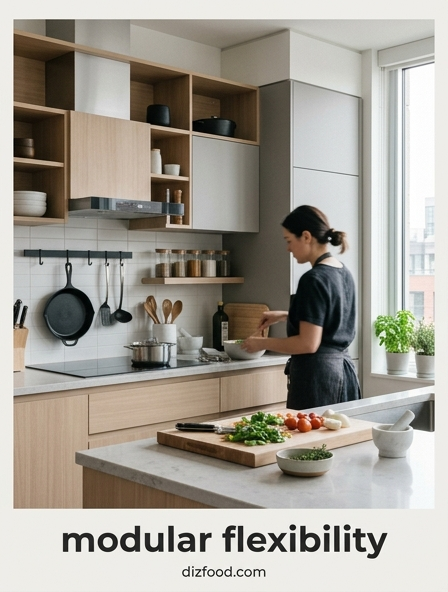
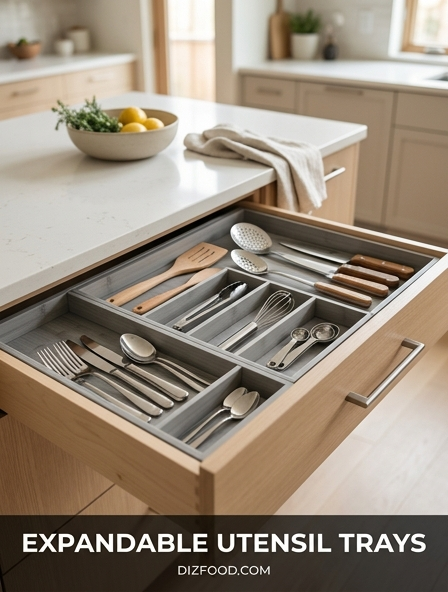
Transforming your kitchen into a highly efficient workspace starts with prioritizing modular flexibility in your drawer design. Instead of settling for static layouts that lead to wasted space, a customizable approach allows your storage to evolve as your collection of culinary tools grows. By integrating versatile components that adapt to different gadget shapes and sizes, you maximize every square inch of your cabinetry. This modern strategy not only eliminates clutter but also streamlines your daily meal prep by keeping essentials within easy reach. When planning your layout, it is helpful to understand the differences between Expandable Utensil Trays Vs Fixed Drawer Inserts.
The Core Principles of Modular Drawer Flexibility
The foundation of a modern, efficient kitchen lies in the principle of modularity, which rejects the traditional "one size fits all" approach to cabinetry. Modular drawer flexibility centers on the ability to reconfigure internal spaces based on the specific dimensions of the items being stored. Rather than adhering to fixed compartments that often lead to wasted space, modular systems utilize a grid-based or track-based architecture. This allows homeowners to adjust the interior landscape of a drawer as their inventory of gadgets and utensils evolves over time.
By prioritizing adaptability, modular design ensures that every square centimeter of drawer real estate is utilized effectively. The core philosophy is driven by the realization that kitchen needs are dynamic; the tools required for a weekend baking project differ significantly from those used for daily meal preparation. Consequently, the ability to shift boundaries within a drawer without professional tools or permanent alterations is the hallmark of a truly flexible kitchen environment, fostering a sense of order that can be maintained effortlessly regardless of the kitchen's size or complexity.
Maximizing Utility with Adjustable Divider Systems
Adjustable divider systems represent the primary mechanism through which modular flexibility is achieved. These components allow users to create bespoke compartments tailored to the exact width and length of specific tools, such as rolling pins, whisks, or specialized knives. By employing a friction-fit or interlocking peg system, dividers can be moved horizontally or vertically within the drawer frame, preventing items from shifting or becoming entangled during opening and closing movements.
- Friction-Fit Tension Dividers: Easy to install and move without hardware.
- Pegboard Inserts: Ideal for securing heavy pots or stacks of ceramic plates.
- Interlocking Longitudinal Rails: Perfect for creating long channels for utensils.
- Cross-Dividers: Used to segment larger channels into smaller, dedicated cubbies.
This granular level of control maximizes utility by eliminating the "junk drawer" phenomenon. When every item has a precisely sized home, visual clutter is reduced, and the speed of retrieval is increased. Furthermore, adjustable dividers allow for the grouping of items by function, ensuring that complementary tools are always stored in close proximity to one another, thereby streamlining the cooking process.
Customizing Configurations for Diverse Kitchen Tools
Modern culinary enthusiasts often possess a diverse array of tools that vary greatly in geometry. From oversized silicone spatulas to delicate microplanes, a standard drawer tray often fails to accommodate these variations. Customizing configurations through modularity allows for the creation of specialized "nested" environments. For instance, deeper drawers can be configured with high-walled dividers to support tall containers, while shallow drawers can be subdivided into dozens of tiny cells for spice jars or small baking accessories.
The customization process typically begins with an audit of the current inventory. Users can then map out a layout that accommodates the longest and widest items first, filling the remaining gaps with modular units for smaller objects. This bespoke approach ensures that even oddly shaped items, like a manual pasta maker or a collection of cookie cutters, find a stable and accessible location. The result is a highly personalized workspace that reflects the unique cooking habits and preferences of the user, making the kitchen feel more intuitive and responsive to individual needs.
The Advantages of Interchangeable Storage Modules
Interchangeable storage modules provide a level of versatility that fixed cabinetry simply cannot match. These modules are often designed as independent bins or trays that can be swapped between different drawers or even different areas of the kitchen. This interchangeability allows for a seamless transition between various tasks and helps maintain organization across the entire room. If a particular workflow changes, the user can simply relocate the module without needing to empty and reorganize the entire drawer.
| Module Type | Primary Use Case | Benefit |
|---|---|---|
| Spice Inserts | Seasoning storage | Angled visibility for quick identification |
| Knife Blocks | Blade protection | Safe, horizontal storage within drawers |
| Bulk Bins | Dry goods or grains | Deep storage with easy removal for refilling |
By utilizing standardized module footprints, manufacturers ensure that components from different product lines can often work together. This creates a cohesive ecosystem where the storage solution grows and adapts alongside the household, reducing the need for future renovations.
Strategic Zoning for Efficient Workflow Optimization
Efficiency in the kitchen is largely a product of how well the storage layout supports the physical movements of the cook. Strategic zoning involves placing modular components in specific "zones" based on their frequency of use and the tasks performed in that area. For example, a modular drawer located directly beneath the primary prep surface should be configured to hold chef's knives, cutting boards, and measuring tools. Conversely, drawers near the stovetop should prioritize modular inserts for oils, frequently used spices, and stirring spoons.
Modular flexibility facilitates this zoning by allowing the user to test and refine their layout. If a user finds that they are constantly walking across the kitchen to retrieve a specific tool, they can simply move the corresponding modular tray to a more convenient drawer. This iterative process of refinement helps to minimize unnecessary steps and reduces physical strain during long cooking sessions. Ultimately, zoning transforms the kitchen from a collection of storage units into a finely tuned instrument designed for culinary productivity and ergonomic comfort.
Adapting Drawer Layouts to Changing Culinary Needs
A kitchen is a living space that must evolve as lifestyles change. A household that primarily focused on quick weeknight meals might transition into a passion for professional-grade pastry making or home fermentation. Modular drawer layouts allow for this transition without the prohibitive cost of replacing cabinetry. When new equipment is acquired, the existing internal architecture can be dismantled and rebuilt in minutes to accommodate the new items. This adaptability is particularly valuable for families whose needs shift as children grow and their participation in the kitchen increases.
Furthermore, the ability to adapt layouts extends to seasonal changes. During the holidays, a modular drawer might be reconfigured to prioritize festive cookie cutters and large roasting thermometers. Once the season passes, those items can be moved to deeper, less accessible storage, and the primary drawer can be returned to its everyday configuration. This level of responsiveness ensures that the kitchen remains relevant and functional through every phase of life, preventing the frustration that arises when a static environment becomes an obstacle to one's culinary goals.
Vertical Space Utilization with Stackable Components
One of the most common oversights in kitchen organization is the failure to utilize the vertical volume within deep drawers. Modular systems solve this by incorporating stackable components and tiered inserts. This allows for a multi-layered storage strategy where the bottom layer houses occasionally used items, while a sliding upper tray provides immediate access to daily essentials. By treating the drawer as a three-dimensional space rather than a flat surface, storage capacity can be effectively doubled.
- Install a base layer of deep bins for heavy pots or appliances.
- Add a sliding rail system to the mid-section of the drawer frame.
- Place a shallow, modular utility tray on the rails for frequently used utensils.
- Utilize stackable, transparent containers for dry ingredients to maximize visibility.
This vertical approach is especially beneficial in smaller kitchens where drawer count is limited. It ensures that the "dead space" at the top of a deep drawer is put to productive use. Additionally, stackable modules are often designed with ergonomic handles, making it easy to lift the top layer to access the treasures hidden beneath.
Material Durability in Modular Organizer Design
For modular systems to remain effective over years of daily use, the materials used in their construction must be both durable and hygienic. Modular organizers are frequently subjected to the weight of heavy metal tools, the moisture from freshly washed utensils, and the occasional spill of cooking oils or spices. Common high-performance materials include anodized aluminum, high-density polymers, and sustainably sourced hardwoods like bamboo or oak. Each material offers distinct advantages in terms of aesthetics and maintenance.
Aluminum components provide a sleek, industrial look and are exceptionally resistant to corrosion and impact. High-density polymers are favored for their ease of cleaning, as they are typically dishwasher safe and resistant to staining. Natural wood modules offer a warm, traditional feel and are often treated with food-safe oils to prevent warping. Regardless of the material, the structural integrity of the interlocking joints and adjustment mechanisms is paramount. High-quality modular designs ensure that even after hundreds of adjustments, the dividers remain secure and the trays do not lose their shape under pressure.
Streamlining Transitions with Removable Insert Trays
Modular flexibility is not confined to the interior of the drawer; it also extends to the countertop. Removable insert trays are a key feature of flexible kitchen architecture, allowing users to transport an entire category of tools directly to their workspace. This is particularly useful for mise-en-place, where a tray of prepped ingredients or specific seasonings can be moved from the drawer to the island and back again. When the task is complete, the tray returns to its designated slot, instantly restoring order to the counter.
- Coffee Station Trays: Keep pods, stirrers, and sweeteners together.
- Baking Kits: Organize measuring spoons and scrapers for easy transport.
- Cleaning Modules: Carry sponges and brushes to the sink area effortlessly.
This portability also simplifies the cleaning process. Instead of wiping down the inside of a drawer, which can be awkward and incomplete, the user can remove the entire modular tray to wash it thoroughly in the sink. This ensures a higher standard of hygiene, as crumbs and dust that inevitably accumulate in kitchen storage can be easily eliminated without disrupting the entire drawer's contents.
Future Proofing Your Kitchen Through Flexible Architecture
Investing in a modular kitchen system is a strategy for long-term value and sustainability. As kitchen technology advances and new appliances are introduced, a flexible architecture allows the cabinetry to accommodate these innovations without requiring a full remodel. Future-proofing through modularity means that the kitchen remains functional and attractive for decades, which can be a significant selling point for a home. Prospective buyers appreciate the ability to customize the storage to fit their own unique needs without additional investment.
Moreover, modularity supports a more sustainable lifestyle by reducing waste. When storage needs change, instead of discarding a plastic organizer and buying a new one, the user simply adjusts the existing components. This modular mindset encourages the purchase of high-quality, long-lasting systems that can be repaired or expanded over time. By choosing a kitchen design that prioritizes adaptability, homeowners are not just organizing their utensils; they are creating a resilient environment that can handle whatever the future of cooking may bring, ensuring the kitchen remains the heart of the home for years to come.

Comments