
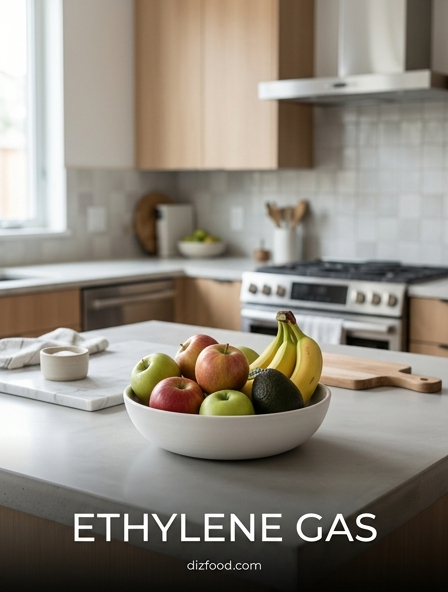
Understanding the Role of Ethylene Gas
Ethylene is a naturally occurring gaseous plant hormone that plays a pivotal role in the life cycle of various fruits and vegetables. Known chemically as C2H4, this odorless and colorless gas acts as a biological signaling molecule that coordinates the ripening process. Once a plant reaches a certain level of maturity, it begins to emit ethylene, which then triggers a series of physiological changes including the breakdown of starches into sugars, the softening of cell walls, and the degradation of chlorophyll. This process is often autocatalytic, meaning the presence of the gas stimulates the plant to produce even more gas, creating a rapid feedback loop. In a kitchen environment, understanding this invisible force is essential for managing the shelf life of fresh ingredients. While ethylene is necessary for a fruit to reach its peak flavor and texture, its unregulated presence can lead to premature senescence. Different species exhibit varying degrees of sensitivity to the gas, and their response can dictate how quickly they transition from ripe to overripe and eventually to a state of decay.
The Science Behind Rapid Countertop Spoilage
The phenomenon of rapid spoilage on kitchen countertops is frequently a direct result of concentrated ethylene exposure. When produce is harvested, it remains metabolically active, continuing to respire and release gases. In the confined spaces of a kitchen or within crowded fruit bowls, ethylene concentrations can reach levels that significantly accelerate the aging process of nearby items. This chemical communication between plants means that one overripe apple can effectively "infect" an entire basket of fruit. The science involves the activation of specific enzymes like polygalacturonase, which dissolves pectin and leads to mushiness, and chlorophyllase, which causes vibrant green vegetables to turn yellow or brown. Temperature also plays a critical role, as warmer countertop environments often increase the rate of ethylene production and sensitivity. Without intervention, these biochemical reactions proceed unchecked, transforming high-quality produce into food waste within a matter of days. Understanding these interactions allows for better control over the kitchen microclimate, ensuring that the natural ripening process is a controlled evolution rather than an uncontrollable slide toward rot.
Maximizing Airflow to Prevent Gas Buildup
One of the most effective strategies for mitigating the effects of ethylene is the implementation of proper airflow. When fruits and vegetables are stored in stagnant environments, such as solid plastic bags or deep, crowded ceramic bowls, the ethylene gas they emit becomes trapped. This creates a high-concentration pocket that hastens the decay of everything within the immediate vicinity. By maximizing air circulation, homeowners can encourage the gas to dissipate into the larger room volume, thereby lowering the parts-per-million concentration around sensitive items.
- Utilize wire mesh baskets instead of solid-walled containers to allow air to pass through the bottom and sides.
- Avoid stacking produce in multiple layers, which restricts airflow to the items at the base.
- Keep countertop storage away from corners or enclosed nooks where air tends to settle.
- Remove produce from grocery plastic bags immediately upon returning home to prevent gas trapping.
These simple adjustments ensure that the natural respiratory byproducts of the produce do not accumulate to harmful levels, effectively extending the window of freshness for various countertop essentials.
Identifying High Ethylene Producing Fruits
Successful kitchen management requires the ability to identify which fruits are the primary culprits of ethylene emission. These are typically climacteric fruits, which continue to ripen and release gas after being picked. Recognizing these high-emitters is the first step in organizing a storage system that prevents cross-contamination and spoilage.
| Fruit Type | Ethylene Emission Level | Ripening Characteristic |
|---|---|---|
| Apples | Very High | Continues to ripen significantly after harvest. |
| Bananas | High | Releases gas primarily through the stem area. |
| Avocados | High | Rapidly softens once gas production peaks. |
| Peaches | Moderate to High | Very sensitive to its own produced gas. |
| Tomatoes | Moderate | Emit gas as they turn from green to red. |
By isolating these specific items, or at least being mindful of their placement, you can significantly reduce the "ripening pressure" placed on other, more stable produce items kept on the same surface.
Protecting Sensitive Produce From Accelerated Decay
While some fruits are heavy gas emitters, many other types of produce are extremely sensitive to ethylene, even in small quantities. For these items, exposure does not result in a "better" ripeness but rather in a rapid decline in quality. Leafy greens, for instance, may experience "russet spotting" or yellowing, while carrots can develop a bitter flavor profile when exposed to the gas. Broccoli is particularly vulnerable, often turning yellow and losing its structural integrity within 24 hours of being near high-ethylene producers like apples. To protect these sensitive items, they should be stored as far as possible from the high-producers. In many cases, this means keeping sensitive vegetables in a dedicated crisper drawer with its own humidity controls, or on a completely separate section of the countertop. Understanding the vulnerability of specific items-such as cucumbers, peppers, and floral garnishes-is vital for maintaining a diverse and fresh inventory. By shielding these items from the invisible influence of ethylene, you preserve their nutritional value, texture, and visual appeal for a much longer duration.
Strategic Countertop Organization for Freshness
Organizing a kitchen countertop for maximum freshness involves more than just aesthetic placement; it requires a strategic layout based on gas dynamics. A well-organized counter should be divided into distinct zones to prevent ethylene-sensitive items from being smothered by gas-producers. Ideally, a distance of at least six to twelve inches should be maintained between high-emission fruits and susceptible vegetables.
- Establish a "Ripening Zone" for items like hard avocados and green bananas.
- Designate a "Neutral Zone" for items like citrus and pineapples which produce little gas.
- Create a "Protection Zone" for sensitive items like onions or potatoes.
- Use vertical space with tiered hanging baskets to separate gas producers by height.
By treating the countertop as a functional ecosystem rather than a landing pad, you can create a flow that naturally manages gas concentrations. This spatial awareness reduces the likelihood of "hot spots" where ethylene levels might spike, ensuring that each piece of produce has the environment it needs to stay fresh.
Ventilated Storage Solutions for Modern Kitchens
The market for kitchen organization has evolved to include various ventilated storage solutions designed specifically to combat gas accumulation. Modern containers often feature built-in carbon filters or specialized vents that allow for the exchange of gases without drying out the produce. Mesh produce bags have also become a popular alternative to plastic, as they provide the structural support needed for transport while offering 360-degree ventilation on the counter. Some advanced storage systems utilize "ethylene absorbers"-small sachets or plastic containers filled with potassium permanganate-which chemically neutralize the gas as it is released. When combined with open-weave baskets made of natural materials like wicker or sea grass, these tools create a highly effective defense against spoilage. Investing in perforated bins for pantry items or tiered wire racks for the counter ensures that gas can escape upwards and outwards. These solutions prioritize the respiratory needs of the produce, acknowledging that air movement is just as important as temperature in the quest for food preservation and the reduction of household waste.
How Gas Dissipation Extends Produce Longevity
Gas dissipation is the process by which ethylene is diluted by the surrounding air, effectively lowering its impact on plant tissues. In a kitchen, this is achieved through a combination of natural convection and mechanical ventilation. When ethylene molecules are allowed to spread out, the concentration drops below the threshold required to trigger the ripening receptors in plants. This delay in the biochemical cascade significantly extends the longevity of the produce. For example, a tomato kept in a well-ventilated area might last several days longer than one kept in a closed container. The principle of dissipation also explains why produce often lasts longer in large, open-concept kitchens compared to small, cramped apartments. Maintaining a slight cross-breeze from a window or using a range hood fan can further aid in clearing the air of accumulated plant hormones. By focusing on dissipation, the home cook works with the laws of physics to slow down the biological clock of their ingredients, resulting in crisper textures and more vibrant colors over an extended period.
Best Practices for Separating Ethylene Producers
Effective separation is the cornerstone of ethylene management in the kitchen. It is not enough to simply know which fruits produce gas; one must actively implement a separation strategy to prevent premature decay. Certain pairings are particularly hazardous and should be avoided at all costs to ensure kitchen efficiency.
- Never store apples in the same bowl as leafy greens or fresh herbs.
- Keep bananas away from other ripening fruits unless you intend to speed up their maturation.
- Store onions and potatoes in separate bins, as onions emit gases that cause potatoes to sprout.
- Avoid placing ripening tomatoes near sensitive cucumbers or summer squash.
These rules of thumb are essential for anyone looking to optimize their grocery budget. By physically distancing these items, you break the chain of chemical communication. In smaller kitchens where space is limited, using physical barriers like glass lids for sensitive items or placing high-producers on a separate shelf can provide the necessary isolation to prevent a localized ripening storm.
Maintaining a Waste Free Kitchen Countertop
The ultimate goal of managing ethylene is the maintenance of a waste-free kitchen. This requires a proactive approach to produce management, including regular inventory checks and the immediate removal of any item showing signs of over-ripening or decay. Since ethylene production increases as a fruit begins to rot, a single spoiled item can rapidly ruin an entire batch. Implementing a "First In, First Out" system ensures that older produce is consumed before it becomes a major gas emitter. Additionally, keeping the countertop clean of organic debris-such as fallen grape stems or onion skins-prevents the buildup of mold and bacteria that can exacerbate the effects of ethylene. Monitoring the ripeness curve of your countertop items allows you to intervene by moving items to the refrigerator once they reach their peak, which effectively halts the ethylene-driven maturation. Through these disciplined habits and an understanding of gas dynamics, the modern kitchen becomes a more sustainable environment where fresh ingredients are respected and food waste is significantly minimized.





Comments