
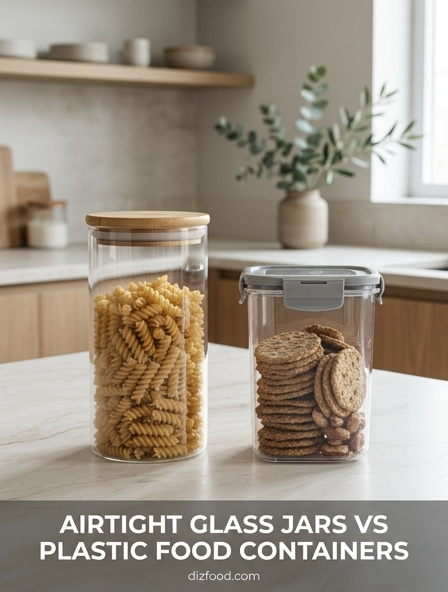
When it comes to keeping your pantry staples crisp and your leftovers flavorful, the debate between airtight glass jars and plastic food containers often boils down to a balance of durability, safety, and shelf-life. Glass jars are widely considered the gold standard for long-term freshness because they are non-porous and chemically inert, ensuring that no unwanted odors or harmful toxins like BPA leach into your ingredients. While plastic containers offer lightweight convenience and budget-friendly portability for quick meals on the go, they are prone to staining, warping, and losing their vacuum seal over time. Choosing the right storage solution is more than just a matter of organization; it is a vital step in extending the life of your food and maintaining a sustainable, toxin-free kitchen environment.
| Feature | Airtight Glass Jars | Plastic Food Containers |
|---|---|---|
| Material Safety | Non-porous; 100% BPA & chemical-free. | Porous; potential for BPA/phthalate leaching. |
| Freshness Seal | Superior oxygen barrier; maintains flavor longer. | Good initial seal; degrades with frequent use. |
| Durability | High (scratch/stain proof); breakable if dropped. | High impact resistance; prone to warping/stains. |
| Temperature Range | Safe for oven, microwave, freezer, & dishwasher. | Microwave/freezer safe; not oven compatible. |
| Sustainability | 100% recyclable; infinite lifecycle. | Limited recyclability; contributes to landfill waste. |
| Best Use Case | Long-term bulk storage and acidic foods. | Short-term transport and lightweight lunches. |
Benefits Of Glass Jars Over Plastic
In the modern kitchen, the debate between glass and plastic is often settled by the superior material properties of glass. Glass is a non-porous substance, which means it does not absorb food colors, flavors, or odors. This makes it an ideal vessel for storing a rotating variety of ingredients, from pungent spices and garlic-infused oils to colorful beet salads. Unlike plastic, which can become permanently stained or retain the scent of previous meals, glass remains neutral and pristine after every wash. Furthermore, the aesthetic appeal of glass provides a timeless, high-end look to any pantry or countertop, allowing the natural colors of grains, pulses, and pastas to serve as decor.
- Non-reactive surface ensures the flavor of the food remains untainted.
- Crystal-clear visibility allows for easy inventory management without opening lids.
- Superior resistance to scratching, which prevents bacteria from hiding in crevices.
- Elegant design that transitions easily from the refrigerator to the dining table.
Beyond aesthetics, glass is far more stable when exposed to acidic foods. Many plastic containers can suffer from "pitting" when storing tomato-based sauces or vinegars, a process where the acid actually eats into the material. Glass maintains its structural integrity regardless of the pH level of its contents. This level of reliability makes it the preferred choice for fermenting foods like sauerkraut or kombucha, where the environment is highly acidic and requires a stable, non-leaching container to ensure a successful and healthy fermentation process.
Health Safety And Chemical Leaching Concerns
Health safety is perhaps the most significant driver for consumers switching from plastic to glass. Many plastic containers, especially older or lower-quality versions, contain Bisphenol A (BPA) and phthalates. These chemicals are known endocrine disruptors that can mimic hormones in the human body, potentially leading to various health issues. Even "BPA-free" plastics often utilize alternative chemicals like BPS or BPF, which some studies suggest may carry similar risks. The danger of chemical leaching increases significantly when plastic is heated, such as during microwave use or when hot leftovers are placed directly into a container.
Glass, on the other hand, is generally recognized as safe (GRAS) by food safety authorities worldwide. It is made from natural materials like silica sand, soda ash, and limestone, which do not contain synthetic additives or harmful chemicals. Because glass is chemically inert, there is no risk of toxins migrating into your food, even if the container is heated to high temperatures or stored for long durations. This makes glass the gold standard for individuals concerned about long-term wellness and the purity of their family's diet.
- No risk of estrogenic activity or hormonal interference.
- Safe for storing hot soups and freshly cooked grains immediately.
- Eliminates exposure to microplastics that shed from degrading plastic surfaces.
- Tested over centuries as a reliable food-grade material.
Longevity And Durability Comparison
When evaluating the lifespan of kitchenware, glass and plastic offer very different value propositions. Plastic containers are often perceived as more durable because they do not shatter upon impact. However, they are prone to a different kind of degradation. Over time, plastic becomes brittle, especially after repeated cycles in the dishwasher or exposure to UV light. Lids may warp, preventing a secure seal, and the surface can become clouded or scratched. Most plastic containers are designed for a limited number of uses before they eventually crack or become too unsightly for continued use.
Glass is remarkably long-lived if handled with care. High-quality borosilicate glass is particularly resistant to thermal shock, meaning it can withstand sudden temperature changes better than standard soda-lime glass. While glass is breakable, it does not "wear out" in the traditional sense. A glass jar used today will look and function exactly the same in twenty years, provided it remains unchipped. This permanent nature makes it a one-time purchase for many households. The durability of glass is a testament to its quality, often outlasting dozens of plastic counterparts that would have otherwise ended up in a landfill during the same timeframe.
| Feature | Glass Containers | Plastic Containers |
|---|---|---|
| Scratch Resistance | High | Low |
| Warping Risk | None | High (under heat) |
| Typical Lifespan | Decades | 1-5 Years |
| Impact Resistance | Low (Fragile) | High (Flexible) |
Sustainable Food Storage Solutions
The environmental impact of kitchen storage is a growing concern for eco-conscious consumers. Plastic is a petroleum-based product, and its production contributes to carbon emissions and resource depletion. Furthermore, plastic recycling is notoriously inefficient; only a small percentage of plastic containers are actually recycled into new products, with most eventually breaking down into microplastics that pollute the oceans and soil. Because plastic degrades each time it is processed, it can only be "down-cycled" a limited number of times before it becomes unusable waste.
In contrast, glass is one of the most sustainable materials available. It is 100% recyclable and can be recycled endlessly without any loss in quality or purity. Choosing glass reduces the demand for single-use plastics and supports a circular economy. Additionally, many people choose to upcycle glass jars from store-bought items like jam or pasta sauce, giving them a second life as pantry storage. This practice of "zero-waste" living is much harder to achieve with plastic, which often carries residual odors or stains from its original contents. By investing in a set of glass jars, you are making a conscious decision to reduce your household's plastic footprint and protect the planet for future generations.
- Reduces the accumulation of non-biodegradable waste in landfills.
- Encourages a "buy once, use forever" mentality.
- Supports local recycling programs more effectively than plastic.
- Minimizes the release of toxic chemicals during the manufacturing process.
Preserving Freshness With Airtight Seals
The primary function of any storage container is to preserve the freshness of its contents. Airtight seals are crucial because they prevent oxygen from entering the container, which slows down oxidation and prevents food from becoming stale. Moisture is another enemy of freshness; an airtight seal keeps humidity out of dry goods like crackers and flour, while also keeping moisture inside items like cut vegetables or baked goods. Both glass and plastic containers use various sealing mechanisms, but the rigidity of glass often allows for a more consistent and reliable seal over time.
Glass jars frequently feature heavy-duty gaskets made of silicone or rubber, often paired with stainless steel locking clips or screw-top lids. These mechanisms apply even pressure around the rim, creating a true vacuum-like environment. Plastic containers often rely on "snap-on" lids that depend on the flexibility of the plastic to create a seal. Over time, as plastic warps or the tabs weaken, these seals can fail, leading to premature food spoilage. To maximize freshness, look for containers with thick silicone gaskets and mechanical locking systems, as these provide the best defense against air and pests like pantry moths.
- Silicone gaskets provide a flexible, long-lasting barrier.
- Clamp-lid jars offer high pressure for an airtight finish.
- Screw-top lids are excellent for liquids and powders.
- Consistency in seal quality ensures ingredients stay crisp and flavorful.
Temperature Resistance In Glass And Plastic
The ability to withstand temperature fluctuations is essential for containers that move between the freezer, the microwave, and the oven. Glass, particularly tempered or borosilicate glass, is designed to handle extreme heat and cold. This versatility allows you to prep a meal in a glass dish, freeze it, and then place it directly into a preheated oven (provided it is thermal-shock resistant). This "one-dish" convenience reduces the number of items to wash and makes meal planning more efficient. Glass does not melt or release fumes when exposed to high heat, making it the safest choice for cooking and reheating.
Plastic, conversely, has a much lower melting point and can be easily damaged by heat. Even "microwave-safe" plastic is not meant for the oven and can warp or blister if it comes into contact with high-fat or high-sugar foods that get very hot. There is also the concern of "cold brittleness," where some plastics become prone to cracking when frozen. While some specialized plastics are designed for the freezer, they generally cannot match the multi-functional temperature range of glass. When using glass in extreme temperatures, it is important to avoid rapid changes-such as moving a jar from the freezer directly into boiling water-to prevent thermal stress and breakage.
Proper temperature management ensures that the container remains structurally sound and the food remains uncontaminated. If you frequently reheat leftovers, glass is the undisputed winner for both performance and peace of mind.
Cleaning Maintenance And Odor Retention
Maintaining a hygienic kitchen requires storage containers that are easy to clean and sanitize. Glass is exceptionally easy to maintain because its surface is smooth and non-reactive. It can be washed in the dishwasher at high temperatures without risk of deformation, and the heat often helps to fully sanitize the material. Because glass does not harbor microscopic scratches, there are no places for bacteria or mold to grow. If a glass jar has been sitting with oily or pungent food, a simple soak in warm soapy water is usually enough to restore it to a like-new condition.
Plastic maintenance is more complex. Because plastic is a relatively soft material, it develops tiny scratches over time from cutlery or abrasive sponges. These scratches act as havens for bacteria and trap food particles, which can lead to lingering odors and stains. Many people have experienced the "tomato sauce stain" on plastic that never seems to go away, regardless of how many times it is washed. Furthermore, some plastics are not dishwasher-safe on the bottom rack, as the proximity to the heating element can cause them to melt or leach chemicals. For those who prioritize a clean, odor-free kitchen environment, glass offers a level of cleanliness that plastic simply cannot replicate.
- Glass remains clear and odor-free for its entire life.
- Plastic often requires specialized cleaning (like baking soda soaks) to remove smells.
- Dishwasher safety is more universal with glass products.
- Hygienic properties of glass make it safer for long-term food contact.
Cost Effectiveness Over Time
At first glance, plastic containers appear to be the more cost-effective choice because of their low initial price point. A set of plastic containers can be purchased for a fraction of the cost of a high-quality glass set. However, this initial saving is often an illusion when considering the long-term expenses of kitchen management. Because plastic degrades, stains, and loses its airtight properties, it must be replaced frequently. Over a ten-year period, a household might go through four or five sets of plastic containers, whereas a single set of glass jars could still be in perfect condition.
| Expense Factor | Glass Strategy | Plastic Strategy |
|---|---|---|
| Initial Investment | Moderate to High | Low |
| Replacement Frequency | Rare (Only if broken) | Frequent (1-2 years) |
| Food Waste Cost | Lower (Better seals) | Higher (Faster spoilage) |
| Total 10-Year Cost | Lower | Higher |
Additionally, the superior sealing capabilities of glass jars can save money by reducing food waste. Ingredients stay fresh longer, meaning fewer items are thrown away due to staleness or pest infestation. When you factor in the health benefits and the lack of chemical exposure, the value of glass increases even further. Investing in glass is a classic example of "buying once and buying well," a philosophy that benefits both the wallet and the environment in the long run.
Portability And Weight Differences
While glass wins in many categories, plastic holds a clear advantage when it comes to portability and weight. For those who carry their lunch to work, school, or on hikes, the weight of the container is a major consideration. Plastic is significantly lighter than glass, making it easier to transport in a backpack or tote bag. Furthermore, plastic's impact resistance is a major benefit in mobile situations. A plastic container can survive a fall from a lunch table or a bump in a crowded bag, whereas a glass jar would likely shatter, creating a mess and a safety hazard.
To bridge this gap, many glass manufacturers now offer "sleeved" glass containers. these feature a silicone outer layer that provides grip and a level of protection against minor drops, though they are still heavier than plastic. For children's lunches, plastic or stainless steel is often preferred for safety reasons. However, if portability is not the primary concern-such as for home pantry storage or refrigerator leftovers-the weight of glass is a negligible drawback compared to its other benefits. When selecting containers, it is helpful to have a mix: glass for the home and a few high-quality, BPA-free plastic or silicone containers for on-the-go needs.
- Plastic is the preferred choice for picnics and travel.
- Weight fatigue is a factor when carrying multiple glass meal-prep containers.
- Glass requires careful packing to avoid breakage during transit.
- Silicone sleeves can improve the portability of glass items.
Selecting The Best Pantry Containers
Choosing the right containers involves more than just picking between glass and plastic; it requires a strategy based on your kitchen habits and space. For a well-organized pantry, uniformity is key. Square or rectangular containers typically utilize shelf space more efficiently than round ones, as they can be pushed flush against each other and into corners. When selecting glass jars, consider the "stackability" of the lids. Some jars feature recessed lids specifically designed to allow another jar to sit securely on top, which is essential for maximizing vertical space in small kitchens.
Another factor is the type of lid mechanism. For items you use daily, such as coffee or cereal, a simple pop-top or easy-open lid is more convenient. For long-term storage of bulk items like flour or rice, a heavy-duty clamp lid with a thick gasket is better for keeping out moisture and pests. Always check the capacity of the containers against the standard sizes of the goods you buy; for example, ensure your flour jar can actually hold a full five-pound bag. By carefully selecting a cohesive system of containers, you can create a kitchen that is not only beautiful but also highly functional and sustainable.
- Prioritize modular shapes to eliminate "dead space" on shelves.
- Ensure lids are easy to clean and have replaceable gaskets.
- Choose a variety of sizes (small for seeds, large for pasta).
- Label containers to easily distinguish between similar powders like flour and starch.

Comments