
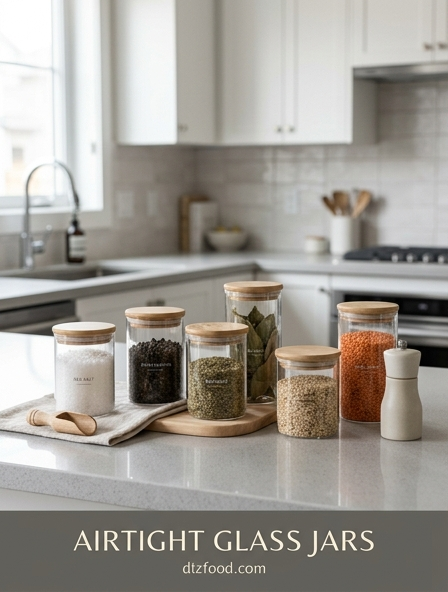
Superior Moisture Barrier and Oxygen Protection
Airtight glass jars serve as an elite defense mechanism against the two primary catalysts of food spoilage: moisture and oxygen. When dry goods like coffee beans, crackers, or spices are exposed to the ambient air, they undergo oxidation and hydration, leading to staleness and loss of potency. The physical properties of glass, being completely impermeable, ensure that no gas exchange occurs through the walls of the container. This creates a stable internal microclimate that maintains the original crispness and aroma of the contents for significantly longer durations than standard packaging.
- Prevents clumping in granulated sugar and salt.
- Maintains the essential oils in whole and ground spices.
- Stops crackers and cereals from absorbing ambient humidity.
- Retains the volatile aromatic compounds in roasted coffee.
- Extends the shelf life of dehydrated fruits and vegetables.
By utilizing high-quality silicone gaskets and locking mechanisms, these jars provide a vacuum-like environment. This level of protection is essential for bulk buying strategies, allowing homeowners to store large quantities without the risk of degradation. The integrity of the seal ensures that even the most sensitive ingredients remain as fresh as the day they were purchased, ultimately reducing food waste and saving money.
Non Porous Material Prevents Flavor Contamination
One of the most significant advantages of using glass in a kitchen environment is its non-porous nature. Unlike plastic containers, which feature microscopic pores that can trap food particles, oils, and odors, glass remains entirely inert. This means that a jar used for pungent garlic cloves can be washed and immediately repurposed for delicate loose-leaf tea without any cross-contamination of flavors. This chemical stability ensures that the true taste of your ingredients is never compromised by the "ghosts" of previous contents.
| Feature | Glass Jars | Plastic Containers |
|---|---|---|
| Odor Absorption | Zero absorption | High retention |
| Staining Resistance | Immune to acids/dyes | Prone to discoloration |
| Surface Porosity | Non-porous surface | Micro-porous structure |
| Flavor Transfer | None | Significant over time |
Furthermore, the resistance to staining is a major benefit when storing acidic or highly pigmented foods like tomato sauce, turmeric, or beet juice. While plastic often becomes permanently clouded or yellowed, glass retains its pristine clarity regardless of what is stored inside. This allows for a revolving inventory of diverse ingredients while maintaining the highest standards of sensory purity and hygiene in the pantry.
BPA Free Storage for Health Conscious Kitchens
Health-conscious consumers increasingly prioritize glass storage to eliminate the risks associated with synthetic chemicals. Many plastic containers contain Bisphenol A (BPA) or phthalates, which are known endocrine disruptors that can leach into food, especially when exposed to temperature fluctuations. Glass is a natural material composed primarily of silica, soda ash, and limestone, making it inherently free from toxic additives. Choosing glass ensures that no unwanted chemical compounds migrate into your family's meals, providing peace of mind during long-term storage.
- Elimination of BPA, BPS, and phthalate exposure.
- Safe for both refrigerated and room temperature storage.
- No risk of chemical leaching into acidic food items.
- Maintains the purity of organic and natural ingredients.
- Safe for use by individuals with chemical sensitivities.
In addition to being BPA-free, glass does not react with the food it holds. This is particularly important for fermented foods or preserves that have high acidity or alcohol content. In these cases, plastic can degrade or release microplastics into the food. By opting for airtight glass jars, you create a biologically safe environment that supports a healthy lifestyle. The move toward glass reflects a broader commitment to wellness and the avoidance of industrial pollutants in the domestic food chain.
Visual Clarity and Efficient Pantry Organization
Visual clarity is a transformative element for kitchen management and pantry organization. Airtight glass jars allow for an immediate inventory assessment at a glance, removing the guesswork involved with opaque boxes or bags. This transparency encourages better meal planning and prevents the accidental over-purchase of items already in stock. When ingredients are visible, they are more likely to be used, which promotes a FIFO (First-In, First-Out) rotation system and minimizes the amount of forgotten food shoved to the back of the shelf.
- Instant identification of grains, legumes, and pastas.
- Easy monitoring of supply levels for timely restocking.
- Uniform appearance creates a sense of order and calm.
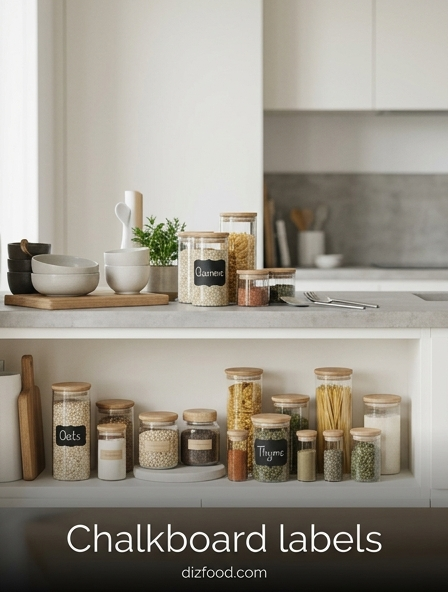
- Eliminates the need for excessive labeling on every jar.
- Showcases the natural colors and textures of ingredients.
Beyond simple identification, the use of glass jars facilitates a modular storage system. Because they come in standardized heights and diameters, they can be stacked or lined up to maximize vertical and horizontal space in small kitchens. The clean, transparent aesthetic turns a cluttered pantry into a professional-looking larder. This visual accessibility not only saves time during food preparation but also inspires creativity by keeping a wide variety of colorful ingredients within the cook's field of vision.
Sustainable Longevity and Environmental Impact
The environmental impact of kitchen storage is a growing concern for many households. Glass jars represent a pinnacle of sustainable design because they are built for longevity and are 100% recyclable. Unlike plastic containers that eventually crack, warp, or become too stained for use, high-quality glass jars can last for decades with proper care. This durability significantly reduces the volume of waste sent to landfills and lowers the demand for single-use plastic packaging, which is a major contributor to global pollution.
| Impact Category | Glass Storage | Single-Use Plastic |
|---|---|---|
| Lifespan | Decades (Infinite) | Weeks or Months |
| Recyclability | 100% infinitely recyclable | Limited and degrading |
| Waste Generation | Minimal to zero | Extremely high |
| Resource Efficiency | High reuse value | Low reuse value |
When a glass jar finally reaches the end of its life, it can be recycled without any loss in quality or purity. The process of recycling glass uses less energy than manufacturing it from raw materials, further reducing its carbon footprint. By investing in a set of airtight glass jars, consumers are participating in a circular economy. This choice supports a zero-waste lifestyle, encouraging bulk shopping where customers fill their own containers, thereby eliminating the need for disposable retail packaging altogether.
Hermetic Seals Against Humidity and Pests
Protecting a pantry from external threats requires a physical barrier that pests cannot penetrate. Airtight glass jars feature hermetic seals-usually made of high-grade silicone or rubber-that create a pressurized environment when closed. This is the ultimate defense against common kitchen pests like pantry moths, weevils, and ants, which can easily chew through cardboard boxes or thin plastic bags. By sealing dry goods in glass, you eliminate the scent trails that attract these insects and provide a fortress they cannot breach.
- Mechanical barrier prevents insect entry and infestation.
- Locks in scents to avoid attracting rodents or flies.
- Protects against the growth of mold in humid climates.
- Maintains consistent internal pressure to keep lids secure.
- Ensures that spills are contained if a jar is tipped.
In humid geographic regions, humidity is a silent enemy that ruins flour, salt, and spices. A hermetic seal ensures that no moisture-laden air can seep into the jar, preventing clumping and the growth of fungal spores. This level of protection is particularly vital for expensive bulk items like nuts or seeds, which can go rancid quickly if exposed to the damp. The combination of heavy glass and a tight mechanical latch provides a reliable, long-term security system for your most vulnerable food supplies.
Preserving Nutritional Value and Food Quality
The nutritional integrity of food is often compromised by light, air, and heat. Airtight glass jars provide an excellent medium for preserving the vitamins, minerals, and antioxidants found in whole foods. By excluding oxygen, the jars prevent the degradation of fat-soluble vitamins and keep oils from turning rancid. While clear glass should be kept in a dark pantry to avoid UV damage, the airtight nature of the container ensures that the internal biochemistry of the food remains stable, keeping the nutrient density as high as possible over time.
- Protects Omega-3 fatty acids in nuts and flaxseeds.
- Retains vitamin C levels in dried fruits and powders.
- Prevents the degradation of enzymes in raw honey.
- Maintains the protein structure in legumes and grains.
- Keeps probiotics alive in home-fermented vegetables.
Quality is not just about nutrition; it is also about texture and mouthfeel. Food stored in glass maintains its structural integrity because it is not subjected to the fluctuating moisture levels found in permeable packaging. Grains stay firm, dried fruits remain chewy rather than becoming hard, and snacks retain their satisfying crunch. By controlling the environment at a granular level, airtight glass jars ensure that every meal prepared from pantry staples meets the highest quality standards for both health and enjoyment.
Easy Cleaning and Effective Sterilization Processes
Maintaining a hygienic kitchen requires storage solutions that are easy to sanitize. Glass is one of the few materials that can withstand extreme temperatures, making it ideal for various sterilization methods. Whether you prefer using a high-heat dishwasher cycle or manual boiling for canning purposes, glass remains structurally sound and chemically inert. This allows users to completely eliminate bacteria, yeasts, and molds between uses, ensuring that every new batch of food starts in a perfectly sterile environment.
| Method | Effectiveness | Suitability for Glass |
|---|---|---|
| Dishwasher High-Heat | Removes oils and residues | Excellent |
| Boiling Water Bath | Kills 99.9% of microbes | Excellent |
| Chemical Sanitizers | Effective for quick rinses | Safe/No reaction |
| Oven Sterilization | Dry heat sterilization | Good (Borosilicate) |
The smooth, non-reactive surface of glass also means that food residues are easily wiped away without the need for abrasive scrubbers. Unlike plastic, which can develop scratches where bacteria can hide, glass maintains a polished finish that is unfriendly to microbial growth. This ease of maintenance is particularly beneficial for those who store liquids or sticky substances like syrups and oils. A quick wash usually returns the jar to a "like-new" condition, ready for its next role in the kitchen.
Versatile Storage for Dry Goods and Liquids
The versatility of airtight glass jars makes them an indispensable tool for both dry and liquid storage. Their robust construction and secure seals allow them to transition seamlessly between different types of contents. In the morning, a jar might hold overnight oats or a fresh green smoothie; in the afternoon, it can be cleaned and filled with dry pasta or flour. This multi-functional capability reduces the need for specialized containers, simplifying the kitchen inventory and providing a unified solution for all storage needs.
- Ideal for dry staples like rice, beans, and oats.
- Perfect for liquids such as homemade stocks and sauces.
- Safe for refrigerated items like pickles and ferments.
- Useful for organizing small non-food items like tea bags.
- Excellent for "on-the-go" meals and layered salads.
This adaptability extends to the various sizes available, ranging from tiny spice jars to large gallon-sized containers. Because glass is heavy and stable, it is less likely to tip over when holding heavy liquids compared to lightweight plastic. The airtight seal also makes these jars excellent for transport; you can carry a jar of soup in a work bag with confidence that the contents will not leak. This cross-functionality ensures that glass jars are never sitting empty, as they always find a use in a busy, modern kitchen.
Enhanced Aesthetic Appeal for Modern Kitchens
In modern interior design, the kitchen has become a focal point of the home, and storage aesthetics play a vital role in this transformation. Airtight glass jars offer a timeless, sophisticated look that complements any decor style, from rustic farmhouse to minimalist contemporary. The repetitive patterns of filled jars on open shelving create a visual rhythm that is both calming and organized. By replacing mismatched commercial packaging with uniform glass vessels, homeowners can elevate the "visual noise" of a pantry into a curated display of natural textures and colors.
- Creates a clean, decluttered appearance on countertops.
- Showcases the artisanal quality of home-cooked goods.
- Complements high-end appliances and natural stone surfaces.
- Encourages a "zero-waste" aesthetic that is currently on-trend.
- Provides a sense of warmth and transparency in the home.
The beauty of glass lies in its simplicity. It does not go out of style and does not yellow with age, ensuring that the kitchen looks fresh for years. Many people find that an attractive pantry motivates them to cook more often and eat healthier, as the ingredients are presented in an appetizing and accessible way. Ultimately, glass jars are not just functional tools; they are design elements that contribute to a more beautiful, intentional, and harmonious living environment.

Comments