
Optimizing Your Midday Break: Meal Prepping vs. Takeout
Deciding between meticulous work lunch prepping and strategic restaurant takeout planning is more than just a culinary choice; it is a lifestyle pivot that directly impacts your productivity, monthly budget, and physical wellness. While meal prepping empowers you with total macro-nutrient control and significant cost savings, opting for planned takeout offers a vital mental reset and the luxury of diverse flavors without the Sunday night kitchen fatigue. Whether you are looking to maximize your gym gains through precise portioning or simply trying to reclaim your morning time, understanding how these two habits fit into your daily routine is essential for maintaining a sustainable work-life flow.
| Feature | Work Lunch Prepping | Restaurant Takeout Planning |
|---|---|---|
| Average Cost | $3 - $7 per meal | $15 - $25+ per meal |
| Time Investment | 2-3 hours (bulk weekend prep) | 15-30 mins (daily ordering/transit) |
| Nutritional Control | Total control over sodium, fats, and macros | Variable; often higher in hidden calories |
| Menu Variety | Limited to what was prepared in batch | High; access to global cuisines daily |
| Mental Effort | High upfront (planning/grocery shopping) | Low (on-demand decision making) |
| Eco-Footprint | Low; utilizes reusable containers | High; significant single-use packaging waste |
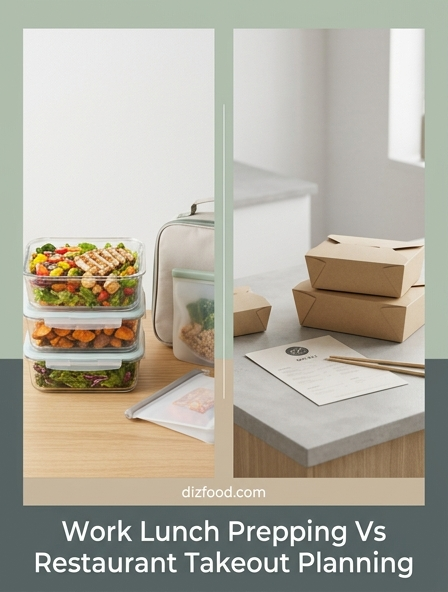
Cost Analysis of Meal Prepping Versus Daily Takeout
The financial discrepancy between preparing lunches at home and relying on restaurant takeout is often the primary motivator for professionals to enter the kitchen. When analyzing the unit cost per meal, home-prepped options consistently outperform commercial alternatives. A standard homemade lunch consisting of a protein, a complex carbohydrate, and seasonal vegetables typically ranges from $3.00 to $5.00. In contrast, a similar meal from a fast-casual restaurant often exceeds $15.00 when including taxes, service fees, and gratuity.
The following table illustrates the potential savings over a standard work month based on five lunches per week:
| Expense Category | Homemade Meal Prep | Restaurant Takeout |
|---|---|---|
| Average Cost Per Meal | $4.00 | $18.00 |
| Weekly Total | $20.00 | $90.00 |
| Monthly Total (4 Weeks) | $80.00 | $360.00 |
| Annual Expenditure | $960.00 | $4,320.00 |
Beyond the raw cost of ingredients, meal prepping minimizes impulse buys and reduces the frequency of delivery app surcharges. These hidden costs of takeout-such as delivery fees and "small order" penalties-can inflate a monthly food budget by an additional 20% to 30%. By transitioning to a kitchen-first approach, individuals can redirect significant capital toward long-term financial goals or higher-quality grocery staples.
Nutritional Value Comparison of Homemade and Restaurant Meals
Nutritional transparency is frequently lost when dining out. Commercial kitchens prioritize flavor and shelf-stability, which often results in elevated levels of sodium, refined sugars, and saturated fats. A single restaurant salad, often perceived as the "healthy" choice, can contain more calories and sodium than a home-cooked burger due to heavy dressings and additives. When you prepare food in your own kitchen, you retain absolute control over the macro and micronutrient profiles of your meals.
Key nutritional differences often include:
- Sodium Intake: Restaurant meals can contain over 2,000mg of sodium, nearly the entire recommended daily limit for an adult.
- Oil Quality: Home cooks can choose heart-healthy oils like avocado or olive oil, whereas restaurants frequently use highly processed seed oils.
- Portion Control: Takeout containers are designed for satiety, often providing two to three times the necessary serving size.
- Additive Awareness: Prepping at home eliminates "hidden" sugars found in commercial sauces and seasonings.
Furthermore, the density of fiber in homemade meals tends to be higher. By incorporating whole grains and fresh legumes, home cooks support better digestive health and sustained energy. Restaurants often strip fiber from ingredients to improve texture or speed up cooking times. This nutritional gap directly influences long-term health outcomes, such as blood pressure management and cholesterol levels, making the kitchen a vital tool for preventative healthcare.
Time Efficiency Strategies for Busy Professionals
One of the most common arguments against meal prepping is the perceived time commitment. However, when viewed through a weekly lens, prepping is significantly more efficient than daily takeout planning. The cumulative time spent browsing menus, walking to restaurants, or waiting for delivery drivers often exceeds the time required for a singular batch-cooking session. By dedicating two hours on a Sunday to kitchen tasks, a professional can reclaim approximately five hours of their work week.
To maximize efficiency in the kitchen, consider the following workflow:
- Component Prepping: Instead of making full recipes, cook large quantities of versatile bases like roasted sweet potatoes, quinoa, and grilled chicken.
- Parallel Processing: Utilize the oven, stovetop, and slow cooker simultaneously to minimize active cooking time.
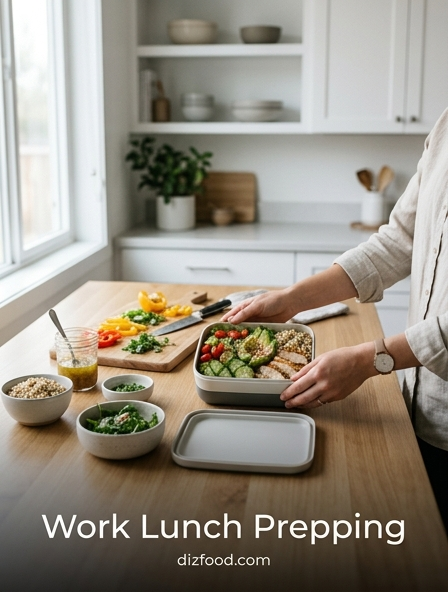
- Strategic Storage: Use stackable, clear containers to make grab-and-go access seamless during the morning rush.
- Double-Batching: When cooking dinner during the week, double the recipe to ensure a "free" lunch for the following day.
Strategic planning transforms the kitchen from a place of labor into a productivity hub. By automating the lunch process, professionals remove the logistical burden of finding food during peak work hours. This allows for a true mental break during the lunch hour, rather than a frantic search for sustenance, ultimately leading to a more focused and streamlined daily schedule.
Managing Monthly Expenses Through Strategic Lunch Planning
Financial stability is often built on the foundation of small, repeatable habits. In the context of the kitchen, strategic lunch planning serves as a powerful lever for controlling discretionary spending. Most individuals do not realize that their "food away from home" expenditure is one of the largest flexible items in their budget. By shifting the focus from spontaneous takeout to planned grocery shopping, you can leverage bulk pricing and seasonal discounts that are unavailable in a restaurant setting.
Strategic planning involves more than just cooking; it requires an analytical approach to inventory management. Keeping a well-stocked pantry of staples-such as lentils, rice, canned tuna, and spices-ensures that even when fresh produce runs low, a nutritious meal can be assembled without reverting to expensive delivery apps. This "pantry-first" mentality prevents the "nothing in the fridge" excuse that leads to $25 delivery orders.
Additionally, loyalty programs at grocery stores and wholesale clubs offer rebates and savings that restaurants cannot match. By tracking monthly food costs in a dedicated ledger or app, the impact of meal prepping becomes visible. Seeing the savings accumulate over several months often provides the necessary psychological reinforcement to maintain the habit. Ultimately, managing expenses through the kitchen allows for greater financial freedom in other areas of life, such as travel, investments, or emergency savings, turning the lunch box into a wealth-building tool.
Overcoming Decision Fatigue in Workplace Dining
Decision fatigue is the psychological phenomenon where the quality of choices deteriorates after a long sequence of decision-making. For professionals, the workday is already saturated with high-stakes choices. Adding the question of "What should I eat for lunch?" at 12:00 PM-when blood sugar is likely dipping-creates unnecessary cognitive load. This often leads to poor dietary choices or overspending simply because the brain seeks the path of least resistance.
Meal prepping eliminates this midday hurdle by removing the choice entirely. When your lunch is already sitting in the office refrigerator, the decision has been made 48 hours in advance by your "rational self" rather than your "hungry self." This preservation of mental energy can then be redirected toward afternoon tasks that require deep concentration or creativity.
To successfully combat decision fatigue through the kitchen, consider these methods:
- The Uniform Meal: Eat the same nutritious lunch from Monday to Thursday, allowing for variety only on Friday.
- The Theme Rotation: Assign themes to weeks (e.g., Mediterranean, Mexican, Grain Bowls) to simplify grocery shopping.
- Visual Prompts: Place prepped meals at eye level in the fridge to ensure they are the first thing seen when hunger strikes.
By treating lunch as an automated part of the day, you reduce the stress of the "lunch hour hunt." This sense of order contributes to a more calm and regulated workday, ensuring that your mental resources are spent on your career rather than navigating a digital menu.
Benefits of Controlled Ingredients in Prepped Lunches
Total control over ingredients is perhaps the most underrated benefit of utilizing your own kitchen. In a restaurant environment, the primary goal is hyper-palatability, which is achieved through heavy seasoning and fats that might not align with your personal health goals. When you prep your own meals, you become the quality control manager. This is particularly vital for individuals with food sensitivities, allergies, or specific performance goals, such as athletes or those managing chronic conditions like diabetes.
The ability to select the source and quality of ingredients allows for a higher-tier diet at a lower cost. You can opt for organic produce, grass-fed meats, or specific low-glycemic grains that restaurants rarely offer without a significant upcharge. Furthermore, you can avoid hidden inflammatory ingredients like high-fructose corn syrup, MSG, or artificial dyes that are common in processed takeout components.
Consider the following advantages of kitchen-controlled meals:
- Macro-Accuracy: Precise measurement of proteins, fats, and carbs for those tracking intake.
- Allergen Safety: Zero risk of cross-contamination with nuts, gluten, or dairy.
- Freshness: Knowing exactly when your vegetables were cut and your meat was cooked.
- Customization: Tailoring spice levels and textures to your exact preference.
This level of precision fosters a deeper connection with food and its impact on the body. Instead of being a passive consumer of restaurant food, you become an active participant in your own nutrition, leading to better physical awareness and improved long-term health metrics.
Navigating Restaurant Menus for Healthier Takeout Options
While meal prepping is ideal, there are days when restaurant takeout is unavoidable due to meetings, travel, or simple human error. In these instances, the goal shifts from kitchen prep to strategic navigation. The modern kitchen extends into the world via "planning" rather than "prepping." By understanding how menus are constructed, you can mitigate the negative impacts of takeout and make choices that mirror the quality of a home-cooked meal.
To navigate menus effectively, focus on the "assembly" style of ordering. Many modern fast-casual chains allow for customization where you can choose a base, a protein, and toppings. This mimics the component-style prepping used at home. Seek out items that are described as "grilled," "roasted," "steamed," or "poached," and be wary of terms like "crispy," "glaze," or "creamy," which are usually code for added sugar and fat.
Effective takeout strategies include:
- Dressing on the Side: This allows you to control the portion, often saving hundreds of calories.
- Double the Veggies: Most restaurants will happily swap a side of fries for steamed broccoli or a side salad.
- Hydration First: Drink a glass of water before the meal arrives to better read satiety signals.
- The Half-Portion Rule: Immediately set aside half the meal in a container for the next day to avoid overeating.
By applying a "kitchen mindset" to the restaurant menu, you transform an impulsive takeout event into a calculated nutritional decision. This ensures that even when you aren't cooking, your health and budget remain a priority.
Sustainability Impacts of Packaging and Food Waste
The environmental footprint of the midday meal is a significant factor in the debate between the kitchen and the restaurant. Takeout culture is inherently reliant on single-use plastics, styrofoam, and non-recyclable coated paper. From the bag and the container to the plastic cutlery and individual sauce packets, a single restaurant meal generates a substantial amount of waste that ends up in landfills. Over a year, a daily takeout habit can contribute hundreds of pounds of trash per person.
Meal prepping allows for a circular system within the kitchen. By using high-quality, reusable glass or BPA-free plastic containers, you virtually eliminate packaging waste. Furthermore, home prepping allows for better management of food waste. When you buy ingredients for the week, you are more likely to use the "scraps"-such as using vegetable peels for broth or overripe fruit for snacks-whereas restaurants operate on high-volume waste models where excess is discarded by default.
Impacts of kitchen-based sustainability include:
- Reduction in Carbon Footprint: Fewer delivery vehicles on the road translates to lower emissions.
- Resource Conservation: Reusable containers require more energy to produce initially but pay off environmentally after only a few uses.
- Composting Opportunities: Home kitchens allow for organic waste to be diverted to compost rather than the trash.
Choosing the kitchen over the takeout counter is an act of environmental stewardship. It reduces the demand for the petrochemicals used in plastic production and helps foster a culture of mindfulness regarding how our consumption habits affect the planet's health.
Impact of Midday Nutrition on Afternoon Productivity
The relationship between the kitchen and the cubicle is biological. What you eat for lunch directly dictates your cognitive performance for the remainder of the afternoon. The common "3:00 PM slump" is often the result of a high-glycemic restaurant lunch-such as white bread, pasta, or sugary sauces-causing a rapid spike in blood glucose followed by a crashing decline. This crash triggers lethargy, irritability, and a lack of focus, which are detrimental to workplace productivity.
Prepped lunches allow for the "Slow Carb" approach. By including high-fiber legumes, complex grains, and lean proteins, you provide your brain with a steady, slow-release stream of glucose. This maintains stable energy levels and keeps your cognitive functions sharp. The kitchen allows you to fine-tune this balance based on your specific workload; for instance, a lighter, protein-focused salad for a day of meetings, or a more calorie-dense grain bowl for a day of physical labor.
Consider these energy-boosting components commonly prepped at home:
- Omega-3 Fatty Acids: Found in salmon or walnuts, these support brain health and focus.
- Complex Carbohydrates: Quinoa and brown rice provide sustained energy without the spike.
- Lean Proteins: Chicken or tofu keeps you feeling full, preventing the need for sugary office snacks.
- Hydrating Veggies: Cucumbers and bell peppers help maintain hydration, which is key for mental clarity.
By viewing lunch as fuel rather than just a break, the value of the prepped meal increases. The kitchen becomes a laboratory for optimizing your professional output, ensuring that you finish the day as strong as you started.
Creating a Sustainable Hybrid Office Meal Routine
The modern workplace is increasingly hybrid, requiring a kitchen strategy that is flexible enough to accommodate both home and office environments. A sustainable routine is not about perfection; it is about finding a balance between the cost-effectiveness of meal prepping and the social benefits of occasional restaurant dining. A rigid "prepping only" rule can lead to burnout, while a "takeout only" habit is financially and physically draining. The goal is to create a hybrid system that works for your specific lifestyle.
A successful hybrid routine might involve "The 4-1 Rule," where you prep four lunches at home and allow yourself one restaurant meal on a Friday to socialize with colleagues or explore local cuisine. This provides the structure of the kitchen with the flexibility of the restaurant. On office days, focus on portable, non-messy meals like wraps or bowls. On home-office days, use the proximity to your kitchen to prepare fresh, hot meals like omelets or pan-seared fish that don't travel well.
Steps to implement a hybrid routine:
- Audit Your Calendar: Identify days with long commutes or lunch meetings where prepping might be difficult.
- Prep for Portability: Choose containers that are leak-proof for transit days.
- Keep "Office Staples" in the Work Fridge: Store hot sauce, olive oil, or salt at your desk to elevate any meal.
- Budget for Socializing: Allocate a specific "Social Lunch" fund so takeout feels like a treat rather than a failure.
By integrating the kitchen into your professional life in a realistic way, you ensure the habit lasts. Sustainability in meal planning is about longevity, and a hybrid approach allows you to enjoy the best of both worlds without sacrificing your health or your wallet.

Comments