
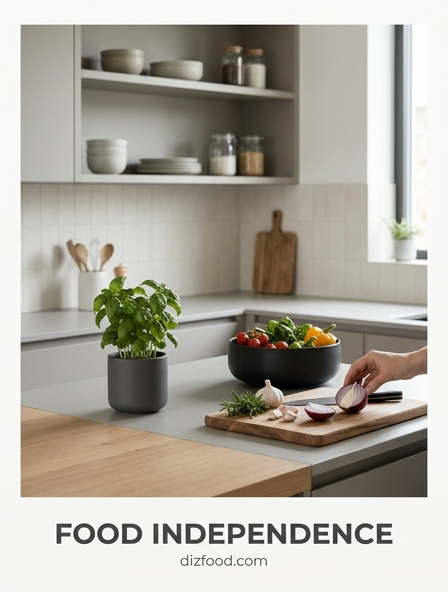
Defining Genuine Food Independence
Genuine food independence is the shift from being a passive consumer to an active producer and curator of your own nutrition. It involves deconstructing the reliance on "just-in-time" supply chains and replacing them with robust, localized systems. This philosophy does not necessarily require a full-scale farm; rather, it begins in the kitchen by reclaiming the skills of preservation, sourcing, and strategic stockpiling. By understanding where calories come from and how to manage them without a daily trip to a supermarket, a household achieves a level of security that is immune to external market fluctuations.
Achieving this state requires a mental transition. One must view the pantry not merely as a storage closet, but as a dynamic resource that provides both physical sustenance and financial stability. It is about building a buffer between your family and the global economy. This autonomy is anchored in three primary pillars:
- Knowledge of local food cycles and seasonal availability.
- Technical proficiency in various food preservation methods.
- The physical infrastructure to store several months of high-quality ingredients.
Core Essentials for a Resilient Pantry
A resilient pantry serves as the foundation of kitchen independence. Unlike a standard kitchen cupboard, a resilient pantry is built on high-density nutrients and long-shelf-life staples that can be transformed into diverse meals. The goal is to move beyond "convenience foods" and focus on raw ingredients that offer the greatest flexibility and longevity. This ensures that even if fresh supplies are interrupted, the household remains well-fed and healthy.
To build such a system, one must prioritize the following categories of essentials:
- Whole Grains: Hard red wheat, rice, oats, and corn provide the necessary caloric base.
- Legumes: Dried beans, lentils, and chickpeas offer essential protein and fiber.
- Healthy Fats: Coconut oil, ghee, and olive oil are critical for brain health and satiety.
- Natural Sweeteners and Salt: Honey, maple syrup, and sea salt are vital for both flavor and preservation.
- Leavening Agents: Baking soda, cream of tartar, and yeast (or sourdough starter).
Having these items in abundance allows for total culinary creativity without needing to visit a store for specialized ingredients.
Inventory Management and Stock Rotation Strategies
Effective food independence is impossible without a structured management system. Without a clear strategy, food can expire, pests can go unnoticed, and you may find yourself overstocked on certain items while missing others. The primary rule of inventory management is the "First In, First Out" (FIFO) principle. This ensures that the oldest stock is always consumed first, maintaining the maximum nutritional value of your supplies.
To implement a professional-grade rotation strategy in a home kitchen, follow these steps:
- Labeling: Clearly mark every container with the purchase or canning date using a permanent marker or rotating label system.
- Tiered Storage: Keep daily-use items at eye level and long-term bulk storage in deeper, cooler areas.
- The Monthly Audit: Spend one hour each month assessing what has been used and what needs to be replenished to maintain your target levels.
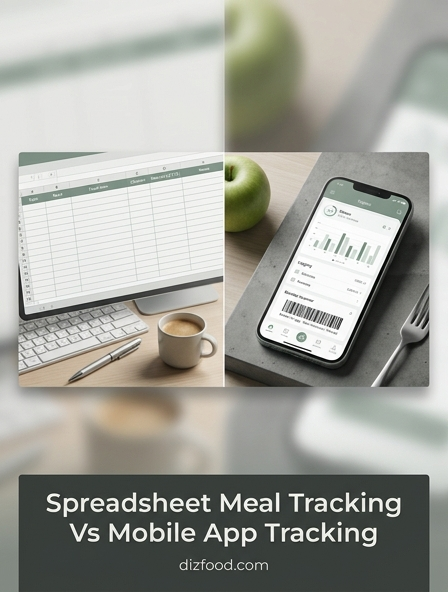
- Digital Tracking: Use a simple spreadsheet or inventory app to record quantities, preventing duplicate purchases and identifying consumption patterns.
By treating your kitchen like a well-run warehouse, you minimize waste and ensure your investment in food remains viable and safe for years to come.
Bulk Purchasing for Long Term Sustainability
Purchasing in bulk is the engine of food independence. It allows for significant cost savings and provides a buffer against inflation and localized shortages. By shifting from small-scale weekly purchases to quarterly or annual bulk buys, you gain control over the quality and price of your food. This approach requires a larger upfront investment but yields a much lower cost-per-meal over the long term.
| Product Category | Standard Retail Size | Ideal Bulk Size | Primary Benefit |
|---|---|---|---|
| Grains & Rice | 1-2 lbs | 25-50 lbs | Lowest price per pound |
| Dry Beans | 1 lb | 20 lbs | Long-term protein security |
| Fats & Oils | 16 oz | 1-5 gallons | Protection against rancidity |
| Baking Staples | 2 lbs | 25 lbs | Preparation for all meals |
When purchasing in bulk, it is essential to consider the packaging. Items meant for multi-year storage should be transferred into food-grade buckets with gamma lids or Mylar bags with oxygen absorbers to protect against oxidation and moisture.
Integrating Preservation into Your Kitchen Workflow
Food independence is a cycle of acquisition and preservation. To truly break free from the grocery store, one must master the art of capturing food at its peak and extending its life. This shouldn't be a frantic weekend of "putting up" hundreds of jars, but rather a seamless integration into your weekly kitchen routine. When you find a surplus of seasonal produce or a sale on bulk meats, your workflow should naturally pivot to include preservation steps.
A well-integrated workflow utilizes multiple methods depending on the food type and intended use. Water-bath canning is perfect for high-acid fruits and pickles, while pressure canning is required for meats and vegetables. Dehydration is an excellent low-energy option for herbs, mushrooms, and fruit leathers. Fermentation not only preserves food but also adds probiotics to your diet, enhancing gut health. By dedicating just two hours a week to these tasks, you build a "living pantry" that reflects the seasons. This constant activity ensures that your skills remain sharp and your shelves remain full of diverse, nutrient-dense options that far exceed the quality of commercial canned goods.
Mastering the Art of Pantry Based Meal Planning
Standard meal planning often involves choosing a recipe and then shopping for the ingredients. Pantry-based meal planning flips this model entirely. In this system, you look at what you have in abundance and determine what can be made from it. This "reverse meal planning" is the ultimate test of kitchen independence. It requires a deep understanding of flavor profiles and the ability to substitute ingredients based on what is available in your storage.
To master this art, focus on building "modular meals." These are recipes where the base remains consistent-such as a grain or a legume-but the flavor profile changes based on your preserved spices, oils, and canned goods. For example, a base of white rice and black beans can become a Mediterranean dish with the addition of dried oregano, olive oil, and preserved lemons, or a Mexican dish with cumin, chili flakes, and home-canned salsa. This flexibility reduces the stress of "missing ingredients" and ensures that your bulk supplies are used creatively and efficiently, preventing palate fatigue while maintaining a highly nutritious diet.
Seasonal Adjustments for Year Round Food Security
True food independence acknowledges the natural ebb and flow of the seasons. Your kitchen should operate differently in the abundance of August than it does in the scarcity of February. Understanding these cycles allows you to maximize your efforts when food is cheap and plentiful, ensuring you have a diverse diet during the dormant months. This rhythmic approach to food security prevents the system from becoming overwhelming by spreading the labor throughout the year.
Consider the following seasonal focus areas:
- Spring: Focus on early greens, herbs, and foraging. It is the time to check your seed stocks and use the last of the previous year's root vegetables.
- Summer: This is the peak of preservation. Water-bath canning, freezing, and dehydrating summer fruits and vegetables should be the priority.
- Autumn: Harvest large-scale crops like squash and potatoes. Focus on pressure canning meats and making ferments that thrive in cooler temperatures.
- Winter: Shift to a consumption and maintenance phase. This is when you rely heavily on your pantry, test new recipes using dry goods, and plan for the next year.
Optimizing Kitchen Storage for Maximum Efficiency
Physical space is often the biggest hurdle to achieving food independence. However, efficiency is more about organization and environment than square footage. To keep food safe and accessible, storage areas must be cool, dark, and dry. Heat and light are the primary enemies of food longevity, causing fats to go rancid and vitamins to degrade. Optimizing your storage means identifying the micro-climates within your home that best suit different types of food.
Utilizing vertical space is essential. High shelves can hold lightweight items like dehydrated goods, while heavy buckets of grain should stay near the floor for safety and cooler temperatures. Clear containers are preferable for items in active rotation, as they allow for instant visual inventory checks. For items stored in secondary locations-like a basement or root cellar-ensure they are protected from pests using galvanized steel bins or heavy-duty plastic. By creating a dedicated "zone" for each type of food, you reduce the time spent searching and increase the likelihood that the system will be maintained. Efficiency in storage translates directly to efficiency in cooking and replenishment.
Reducing Grocery Dependency Through Strategic Sourcing
Transitioning away from a grocery-dependent lifestyle requires diversifying where your food comes from. The supermarket should be your last resort, not your first. Strategic sourcing involves building relationships with local producers, participating in community-supported agriculture (CSA), and learning to harvest from your immediate environment. This creates a supply web rather than a single supply chain, making your kitchen far more resilient to broader economic disruptions.
Consider these alternative sources for your kitchen:
- Local Farmers: Buy whole or half animals to stock your freezer at a fraction of the retail price.
- Farmers Markets: Visit at the end of the day to negotiate bulk prices on "seconds" or overstock for canning.
- Foraging: Learn to identify local wild edibles, berries, and mushrooms that can supplement your diet for free.
- Home Gardening: Even a small balcony can produce high-value items like herbs, peppers, and greens that are expensive to buy fresh.
- Food Co-ops: Join or start a buying club to access wholesale prices on organic staples and dry goods.
Maintaining Your System for Permanent Food Freedom
The final stage of food independence is the maintenance of the system. This is not a project with a completion date, but a lifestyle of continuous adjustment. Permanent food freedom is achieved when the habits of inventorying, preserving, and sourcing become second nature. It requires a commitment to periodic reviews of your habits and your stocks. If you find yourself consistently throwing away certain items or running out of others, your system needs calibration to match your actual eating patterns.
Maintaining the system also involves the upkeep of your tools. Sharp knives, well-seasoned cast iron, functioning pressure canners, and clean storage containers are the "machinery" of your personal food processing plant. Regularly inspecting seals on jars and the integrity of bulk containers prevents catastrophic losses. Ultimately, the goal is to create a self-sustaining loop where the kitchen is always prepared for the unexpected. When the systems of management and the skills of the cook are in harmony, the result is a profound sense of security and a higher quality of life that is independent of external commercial interests.


Comments