
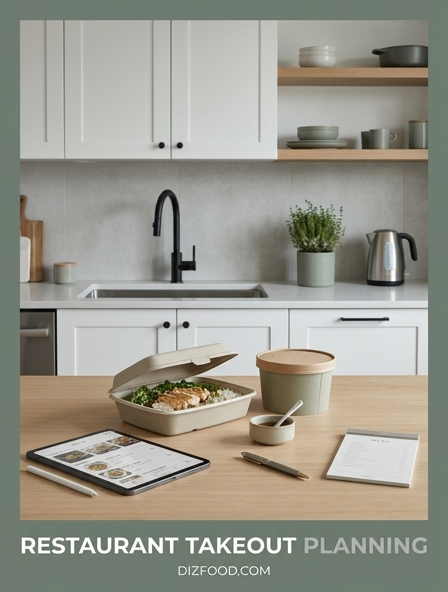
Optimizing Time Management with Strategic Takeout
Strategic takeout is more than a convenience; it is a vital tool for professional time management within a busy household. By identifying the hours typically lost to grocery shopping, ingredient preparation, and cooking, individuals can reclaim significant portions of their evening. This reclaimed time can be reinvested into high-priority projects, family engagement, or essential rest. To maximize this efficiency, one must treat takeout as a planned logistical event rather than a last-minute impulse. Analyzing the kitchen workflow reveals that the transition from a workday to meal preparation often causes a dip in momentum.
- Audit the time spent on meal-related labor weekly.
- Identify "peak intensity" days where cooking is a liability.
- Select restaurants with reliable transit times to ensure schedules remain intact.
- Utilize pre-stored payment methods to accelerate the transaction process.
When takeout is integrated into a weekly calendar, it eliminates the "scramble" that often leads to poor nutritional choices and missed deadlines. Viewing the restaurant kitchen as an extension of one's own allows for a seamless operational flow that prioritizes the user's most valuable asset: time.
Reducing Decision Fatigue Through Scheduled Ordering
The "paradox of choice" is particularly prevalent in the kitchen. After a day of professional decision-making, choosing a meal can feel like an insurmountable task, leading to decision fatigue. Scheduled ordering alleviates this mental burden by moving the selection process to a time when cognitive resources are high, such as during a morning break or a weekend planning session. By automating the "what's for dinner" question, you preserve your mental energy for more demanding tasks.
- Review restaurant menus during non-peak cognitive hours.
- Set recurring calendar reminders to place orders before the dinner rush.
- Utilize "reorder" features for balanced, proven meals.
- Pre-select backup options for when a primary choice is unavailable.
Implementing a structured approach to takeout ensures that hunger never dictates the quality of a meal choice. Scheduled ordering transforms the kitchen from a place of evening stress into a streamlined pickup zone. This foresight prevents the spiral of low-energy browsing on delivery apps, which often results in dissatisfaction and wasted time. By making the decision once, you benefit for the rest of the week.
Integrating Restaurant Meals into Kitchen Workflows
Modern kitchen management involves a hybrid approach where professional restaurant preparation meets home-based finishing. Integrating takeout into your existing workflow allows for a high-quality dining experience without the extensive cleanup associated with full-scale cooking. This method often involves ordering "base" components-such as large portions of proteins or grains-and supplementing them with fresh elements already present in your pantry. This synergy reduces the overall workload while maintaining a sense of culinary personalization.
| Component | Source | Time Saved |
|---|---|---|
| Primary Protein | Restaurant | 45 Minutes |
| Complex Grains | Restaurant | 30 Minutes |
| Fresh Salad/Sides | Home Pantry | 5 Minutes |
| Signature Sauces | Restaurant | 20 Minutes |
By leveraging the specialized equipment of a professional kitchen-such as high-heat woks or industrial smokers-you gain access to flavors and textures difficult to replicate at home. This strategic integration ensures the home kitchen remains clean and organized, acting as a plating station rather than a high-stress production environment.
Outsourcing Meal Preparation for Peak Performance
For high-performers, the kitchen can often represent a distraction from deep work or recovery. Outsourcing meal preparation to local culinary experts is a tactical move that treats nutrition as a professional service. When you delegate the labor of chopping, sautéing, and monitoring temperatures, you are essentially hiring a professional team to manage your fueling requirements. This allows you to maintain a "flow state" longer into the evening, as the interruption of cooking is entirely removed from your schedule.
- Choose restaurants that prioritize high-quality, whole-food ingredients.
- Look for "family style" options to secure multiple servings for the week.
- Prioritize establishments with transparent sourcing to ensure performance-grade fuel.
- Establish a rapport with local chefs to understand preparation methods.
Viewing takeout through the lens of performance optimization changes the perspective from "eating out" to "professional fueling." This shift acknowledges that your time is better spent on your craft than on routine labor that can be expertly handled by others, ultimately leading to a more productive and balanced lifestyle.
Nutritional Takeout Choices for Sustained Focus
A common pitfall of takeout is the "post-meal slump" caused by excessive sodium or refined sugars. To maintain professional focus, one must apply a strategic lens to the menu. The goal is to select meals that provide sustained energy release rather than a temporary spike. This requires a focus on lean proteins, complex carbohydrates, and fiber-rich vegetables. Most modern restaurants offer customizable options that allow for the removal of heavy sauces or the substitution of refined grains for greens.
- Prioritize grilled, steamed, or roasted preparations over fried options.
- Request dressings and sauces on the side to control caloric density.
- Focus on Mediterranean, Japanese, or Poke-style cuisines for natural balance.
- Increase vegetable portions to improve satiety and micronutrient intake.
When the kitchen is managed through smart ordering, the nutritional profile of your diet can actually improve. Many professional kitchens have access to a wider variety of produce and lean meats than the average home pantry. By selecting these items strategically, you ensure that your takeout supports your cognitive health and physical longevity.
Minimizing Cleanup to Reclaim Evening Hours
The most significant hidden cost of home cooking is the "reset time"-the period spent washing dishes, wiping counters, and managing waste. Strategic takeout planning virtually eliminates this phase, allowing for an immediate transition from dining to relaxation or high-value work. To fully realize this benefit, one should adopt a "minimal footprint" approach to the meal. Using eco-friendly, disposable containers or plating directly from the delivery packaging reduces the need for the dishwasher entirely.
- Choose "one-bowl" meals that require minimal utensils.
- Dispose of packaging immediately after plating to clear the visual environment.
- Use compostable containers to align with sustainability goals.
- Wipe down the "plating station" (kitchen island or table) in under sixty seconds.
Reclaiming these thirty to sixty minutes every evening adds up to several hours of free time over the course of a week. This "clean kitchen" environment also promotes a sense of mental clarity, as physical clutter is often linked to increased stress. By minimizing the cleanup, you maximize the restorative potential of your evening.
The Financial Logic of Professional Outsourced Dining
While the sticker price of takeout is higher than the cost of raw ingredients, a true financial analysis must include the "opportunity cost" of labor. For professionals with a high hourly value, spending two hours on grocery shopping and cooking is a net loss compared to purchasing a prepared meal. When you factor in the cost of wasted ingredients, utility usage, and cleaning supplies, the price gap narrows significantly. Strategic takeout planning treats the food budget as a functional investment in productivity.
| Activity | Home Prep (Hrs) | Takeout (Hrs) |
|---|---|---|
| Sourcing/Shopping | 1.5 | 0.1 |
| Preparation/Cooking | 1.0 | 0.0 |
| Cleanup/Reset | 0.5 | 0.1 |
| Total Time Investment | 3.0 | 0.2 |
By saving nearly three hours per cycle, the professional can generate more value through work or prevent burnout, which has long-term financial benefits. This logic justifies the use of premium takeout as a sensible business expense for the household "corporation."
Leveraging Delivery to Maximize High-Value Work
The transit time between a restaurant and your home is a prime opportunity for "shadow work" or deep concentration. While the professional kitchen prepares your meal, you are free to remain in your home office, finishing a report or taking a final call. Delivery services remove the need for you to navigate traffic or wait in a lobby. This seamless delivery allows the kitchen to function in the background, serving you when you are ready, rather than demanding your presence at the stove.
- Coordinate delivery windows with the natural breaks in your work schedule.
- Use "contactless delivery" to avoid interrupting a flow state or video meeting.
- Set up a designated "drop zone" near the entrance to streamline the arrival.
- Leverage tracking apps to time your final work wrap-up with the driver's arrival.
This approach turns the kitchen into a passive service provider. Instead of being a laborer in the kitchen, you become the recipient of a logistics chain that respects your professional priorities, ensuring that your work-day ends with a hot meal exactly when you need it.
Reducing Mental Load with Curated Menus
Endless scrolling through delivery apps is a primary source of modern kitchen-related stress. To combat this, successful takeout planning involves creating a "curated menu" of three to five reliable restaurants. These establishments should be vetted for quality, speed, and nutritional value. By limiting your choices to a high-quality shortlist, you eliminate the anxiety of the unknown and the time wasted reading hundreds of conflicting reviews. A curated list ensures that every meal is a guaranteed success.
- Identify "The Health Option" for high-energy days.
- Identify "The Comfort Option" for high-stress days.
- Identify "The Speed Option" for tight deadlines.
- Identify "The Bulk Option" for multi-day meal planning.
Maintaining these defaults in your delivery apps allows for "one-click" ordering. This reduction in mental load is essential for maintaining emotional equilibrium. When the kitchen is managed through a pre-vetted system, the risk of a "bad meal" (and the subsequent frustration) is removed, creating a more stable and predictable domestic environment.
Strategic Meal Planning for Professional Energy
Strategic meal planning involves timing your takeout intake to match your biological energy cycles. For example, a heavy lunch can lead to a mid-afternoon productivity crash, whereas a light, protein-forward takeout meal can provide the stamina needed for an evening session. Planning your takeout around your caloric and macronutrient needs ensures that your body is fueled for the specific tasks at hand. This level of kitchen strategy treats food as a chemical input for professional output.
- Lunch: Focus on lean protein and greens to avoid the "carb coma."
- Late-Night: Focus on small, digestible portions to ensure quality sleep.
- Pre-Presentation: Focus on complex carbs for steady brain glucose.
- Post-Deadline: Treat the kitchen to a "reward meal" to signal a mental reset.
By aligning your restaurant choices with your professional calendar, you create a synergy between your diet and your goals. The kitchen ceases to be a chore and becomes a strategic asset. This holistic view of takeout planning ensures that every bite supports your journey toward peak performance and personal well-being.

Comments