
Balancing a craving for culinary variety with the guilt of tossing out wilted greens can feel like a losing battle, but the secret to a sustainable kitchen lies in mastering "ingredient overlap" rather than chasing a purely diverse menu. While traditional diverse planning often leads to a fridge full of expensive, single-use ingredients that expire before Friday, strategic ingredient overlap allows you to buy in bulk and repurpose high-utility staples-like turning a single rotisserie chicken into tacos, Cobb salads, and savory broth. This approach doesn't mean eating the same meal twice; it is about clever culinary pivots that slash food waste by up to 50% and reduce your grocery bill, proving you can enjoy a vibrant, global palate without the logistical nightmare of a siloed pantry.
| Feature | Ingredient Overlap | Diverse Menu Planning |
|---|---|---|
| Waste Reduction | High (utilizes 90-100% of perishables) | Low (frequent "micro-waste" of specialty items) |
| Grocery Budget | 20-30% savings via bulk/staple purchasing | Premium pricing for unique, recipe-specific kits |
| Prep Efficiency | Batch-prepping shared bases saves ~3 hours/week | Individual prep required for every unique dish |
| Inventory Complexity | Lean; focus on 10-15 versatile items | High; requires 30+ distinct ingredients |
| Culinary Variety | Thematic (e.g., Mediterranean or Latin weeks) | Eclectic (global flavors within one week) |
| Decision Fatigue | Low; creative constraints simplify choices | High; requires constant new recipe sourcing |
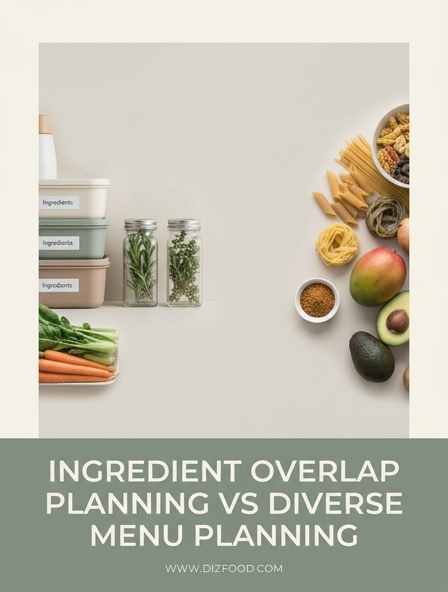
Maximizing Kitchen Efficiency Through Strategic Ingredient Overlap
Kitchen efficiency is often defined by the ratio of time spent preparing food to the quality of the final output. Strategic ingredient overlap, a method where several recipes share a common core of components, significantly reduces preparation labor. When a home cook processes a single large batch of aromatics, such as onions, garlic, and celery, they effectively front-load the most tedious aspects of cooking for multiple meals. This approach allows the kitchen to operate like a professional line, where prepped "mise en place" serves various ends, from a morning omelet to a evening stir-fry or a hearty soup.
Beyond physical prep, efficiency is found in the reduction of cognitive load. By limiting the number of unique items that require specific handling techniques, the cook masters a smaller set of variables. This mastery leads to faster execution and fewer errors. For example, a single roasted chicken can be the foundation for three distinct meals, each requiring minimal additional effort to transform the protein into a new culinary context. Consider these efficiency gains:
- Bulk Processing: Chopping once for the entire week saves daily cleanup time.
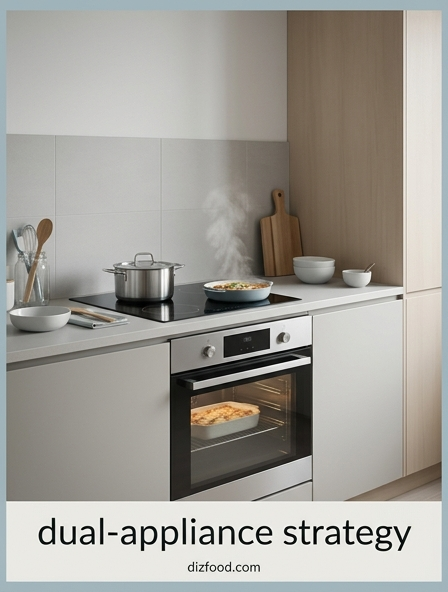
- Energy Conservation: Using the oven once for multiple roasted components reduces utility costs and heat in the kitchen.
- Reduced Tool Wear: Fewer specialized tools are needed when ingredients are streamlined, leading to less washing and maintenance.
- Predictable Workflow: Familiarity with a core set of ingredients speeds up the transition from raw materials to finished plates.
Nutritional Advantages of Maintaining a Diverse Weekly Menu
While efficiency is a hallmark of overlap planning, a diverse menu offers superior nutritional benefits by ensuring a broad spectrum of micronutrients and phytochemicals. Diverse menu planning focuses on rotating protein sources, whole grains, and a colorful array of vegetables, which prevents "nutritional gaps" that can occur when relying on a few staple ingredients. The human body thrives on a varied intake of fibers and antioxidants, which support gut microbiome health and immune function.
The complexity of a diverse menu encourages the consumption of different seasonal produce, which often contains peak vitamin levels. By intentionally selecting recipes from different global cuisines, cooks introduce a wider range of healthy fats and minerals into their diet. For instance, alternating between Mediterranean, East Asian, and Nordic flavor profiles ensures exposure to various heart-healthy oils and mineral-rich sea vegetables. The following table illustrates the nutritional variance found in a diverse weekly rotation:
| Food Group | Example Variation | Primary Nutritional Benefit |
|---|---|---|
| Leafy Greens | Kale, Spinach, Arugula | Vitamins K, A, and Folate |
| Proteins | Salmon, Lentils, Lean Beef | Omega-3s, Iron, B12 |
| Grains | Quinoa, Farro, Black Rice | Complex Carbs, Varied Amino Acids |
| Fats | Avocado, Walnut Oil, Ghee | Healthy Monounsaturates and Fat-Soluble Vitamins |
Cost Comparison Between Ingredient Cross Utilization and Variety
The economic impact of meal planning is heavily influenced by how ingredients are purchased and utilized. Ingredient cross-utilization-using the same items in multiple ways-typically results in lower costs per meal. This is because it allows for the purchase of larger, more economical units of food, such as 10-pound bags of potatoes or bulk packs of chicken thighs. When every ounce of a purchase is assigned to a recipe, the price-per-portion drops significantly, and the likelihood of costly "one-off" purchases for a single niche recipe is minimized.
Conversely, a highly diverse menu often necessitates buying small quantities of specialized ingredients, which frequently carry a premium price. If a recipe calls for a tablespoon of a specific spice or a rare vegetable, the remaining portion may go unused, representing a sunk cost. However, a diverse menu can be cost-effective if it utilizes seasonal sales and rotates staples based on market availability. The table below compares the fiscal outcomes of both strategies:
| Factor | Ingredient Overlap | Diverse Menu |
|---|---|---|
| Unit Price | Low (Bulk Discounts) | High (Small Packages) |
| Impulse Buys | Minimized | Higher Risk |
| Initial Investment | High for Staples | High for Variety |
| Long-term Savings | Consistent | Variable |
Reducing Household Food Waste via Systematic Overlap Planning
Food waste is a significant issue in many households, often stemming from the inability to use perishable items before they spoil. Systematic overlap planning addresses this directly by ensuring that every ingredient purchased has a clear "exit strategy." Instead of buying a bunch of cilantro for a single garnish, an overlap plan incorporates the herb into a salsa on Monday, a curry on Wednesday, and a salad dressing on Friday. This proactive approach ensures that the refrigerator remains a transit point rather than a graveyard for forgotten vegetables.
The reduction in waste is achieved through a structured hierarchy of ingredient use, prioritizing the most fragile items first. By mapping out how a single head of cabbage can serve as a slaw, a stir-fry component, and a soup filler, the cook eliminates the "bits and pieces" problem where small portions of various vegetables are discarded. To implement this effectively, follow these steps:
- Identify the most perishable items in your shopping cart (e.g., berries, leafy greens).
- Assign these items to at least three different meals within the first 72 hours.
- Use "bridge ingredients" like onions, carrots, and peppers that have longer shelf lives to link these meals together.
- Transform leftovers into new components for subsequent meals to ensure nothing reaches the bin.
Combatting Palate Fatigue in Repetitive Meal Planning Models
The primary criticism of ingredient overlap models is the potential for palate fatigue-the boredom that arises from eating similar flavors repeatedly. However, strategic overlapping does not have to mean identical meals. The key to combatting fatigue is the "base and garnish" strategy, where the foundation of the meal remains the same, but the flavor profile is drastically altered through different spice blends, sauces, and textures. For example, a base of roasted sweet potatoes and black beans can be turned into a Mexican-inspired bowl, a smoky Southwest wrap, or a zesty lime-infused salad.
Texture also plays a vital role in keeping repetitive ingredients interesting. Changing the physical state of an ingredient-from raw and crunchy to roasted and soft-can make it feel entirely new to the senses. Utilizing a diverse array of condiments and finishing oils allows the palate to experience variety without requiring a completely different set of core ingredients. Consider these techniques to maintain interest:
- Acid and Heat: Use citrus juices or hot sauces to brighten heavy, repeated proteins.
- Fresh Herbs: Add different fresh herbs at the end of cooking to change the aromatic profile.
- Texture Contrasts: Add nuts, seeds, or croutons to provide a different mouthfeel to familiar bases.
- Global Spice Blends: Apply Curry powder, Za'atar, or Taco seasoning to the same base vegetables for a total shift in identity.
Streamlining Grocery Shopping Using Strategic Ingredient Synergies
Grocery shopping can be a time-consuming and overwhelming chore, but strategic ingredient synergies simplify the process. By planning menus around overlapping items, the shopping list becomes shorter and more focused. Instead of wandering through every aisle to find twenty disparate ingredients, the shopper can focus on five or six key "anchor" items that will form the bulk of their meals. This reduces the time spent in the store and decreases the likelihood of purchasing unnecessary items that do not fit the week's plan.
This streamlined approach also allows for better inventory management. When a shopper knows they need the same three vegetables for every dinner that week, they can quickly check their pantry and fridge with higher accuracy. The "shopping by category" method becomes more effective when the categories themselves are limited. To streamline your next trip, use this systematic approach:
- Select three "Anchor Proteins" that can be used across multiple cuisines.
- Choose five "Versatile Vegetables" that work both raw and cooked.
- Identify two "Base Grains" that pair well with all selected items.
- Stick to the perimeter of the store where these fresh, overlapping staples are usually located.
Exploring the Creative Limits of Diverse Recipe Selection
Diverse recipe selection is the ultimate playground for the culinary enthusiast. It pushes the boundaries of a cook's skill set by introducing new techniques-such as fermentation, sous-vide, or traditional clay-pot cooking-that are specific to certain cuisines. While it requires more effort in sourcing and preparation, the creative payoff is immense. This model encourages the exploration of global markets and specialized purveyors, turning the kitchen into a space of constant learning and discovery.
Creativity in a diverse menu isn't just about trying new things; it's about understanding the "why" behind different flavor combinations. By not being tethered to a specific set of overlapping ingredients, the cook is free to pursue the perfect pairing for a specific dish. This leads to a deeper appreciation for culinary history and the science of taste. The following elements are often explored in a diverse menu model:
- Technique Mastery: Learning to poach, sear, and braise across different food types.
- Ingredient Education: Understanding the nuances between different types of peppercorns or heirloom grains.
- Cultural Connection: Recreating authentic dishes that tell a story of a specific region or era.
- Flavor Complexity: Balancing the five basic tastes (sweet, sour, salty, bitter, umami) in varied contexts.
Economic Impact of Bulk Purchasing for Overlapping Meals
The economic benefits of bulk purchasing are most evident when ingredients are planned with high overlap. Buying in bulk reduces the "packaging tax"-the extra cost consumers pay for the convenience of smaller containers. For a household focusing on overlapping meals, a bulk purchase of rice, beans, or frozen vegetables represents a significant reduction in the total monthly food budget. Because these items are used across several recipes, they are guaranteed to be consumed, eliminating the risk of bulk-bought items sitting in the pantry until they expire.
Furthermore, bulk purchasing reduces the frequency of shopping trips, which saves on transportation costs and limits exposure to "point-of-purchase" marketing that encourages impulse spending. When the cost-per-ounce is lowered, the overall budget has more flexibility to include high-quality, fresh proteins or organic produce. The table below illustrates potential savings on common kitchen staples through bulk overlap planning:
| Item | Standard Price | Bulk Price (Per Unit) | Estimated Savings |
|---|---|---|---|
| Grains (Rice/Quinoa) | $1.50/lb | $0.75/lb | 50% |
| Dry Beans/Lentils | $1.80/lb | $0.90/lb | 50% |
| Cooking Oils | $0.40/oz | $0.25/oz | 37% |
| Root Vegetables | $1.20/lb | $0.60/lb | 50% |
Balancing Culinary Variety with Sustainable Food Management
Sustainability in the kitchen requires a delicate balance between the desire for variety and the need to minimize environmental impact. Diverse menu planning can sometimes lead to a higher carbon footprint if it relies on out-of-season produce shipped from across the globe. Ingredient overlap, conversely, can be more sustainable by focusing on local, seasonal staples that can be used in numerous ways. True sustainability is found in the middle ground: choosing a wide variety of ingredients that are all currently in season in your specific region.
Sustainable food management also involves using every part of the ingredient. Overlap planning facilitates this by encouraging the use of "scraps"-such as using vegetable peels and bones from multiple meals to create a single, high-quality stock. This circular approach to kitchen management ensures that the resources used to grow and transport food are fully respected. Consider these sustainable practices:
- Seasonal Overlap: Choose three seasonal vegetables and use them as the base for all meals that week.
- Root-to-Stem Cooking: Use beet greens in a sauté and the roots in a roast, overlapping their use in different dishes.
- Low-Impact Proteins: Incorporate more plant-based proteins that overlap easily with various grain bases.
- Composting: Ensure that the minimal waste produced from a streamlined plan is returned to the earth.
Managing Decision Fatigue in Complex Menu Systems
Decision fatigue is the mental exhaustion that comes from making too many choices, and it is a common reason why many people abandon healthy home cooking. A highly diverse menu requires daily decisions about recipes, ingredients, and timing, which can be draining. Ingredient overlap planning serves as a powerful antidote to this fatigue. By pre-deciding a core group of ingredients, the number of possible choices is narrowed down to a manageable level, making the "what's for dinner?" question much easier to answer.
Standardizing certain aspects of the menu-such as "Taco Tuesday" or "Soup Sunday"-within an overlap framework provides a helpful structure that reduces the need for constant creativity. This allows the cook to save their mental energy for other tasks or for more elaborate cooking on the weekends when time is more plentiful. To manage decision fatigue, implement these organizational strategies:
- Create a "Master List" of ten overlapping meal sets that your family enjoys.
- Rotate through these sets rather than starting from scratch every week.
- Use a "Template Approach" where you choose one protein, one grain, and two vegetables, then vary the sauce.
- Keep a well-stocked pantry of "Flavor Builders" (vinegars, spices, pastes) to quickly differentiate overlapping ingredients.

Comments