
Unlocking your peak physical potential starts in the kitchen, where precise macro-nutrient control transforms your fitness goals from dreams into reality. By carefully balancing proteins, carbohydrates, and healthy fats in every meal, you provide your body with the exact fuel required for muscle recovery and sustained fat loss. This intentional approach to nutrition removes the guesswork, allowing you to fine-tune your caloric intake for maximum efficiency and metabolic health. Achieving a disciplined lifestyle requires making strategic decisions about your daily routine, especially when comparing the pros and cons of Work Lunch Prepping Vs Restaurant Takeout Planning to maintain your nutritional integrity.
Understanding Macro Ratios for Your Fitness Goals
Achieving specific fitness outcomes requires a fundamental understanding of macronutrient ratios-the balance of proteins, carbohydrates, and fats in your daily intake. While a general healthy diet provides a baseline, tailoring these percentages allows you to optimize your body's physiological response. For instance, those focusing on muscle hypertrophy typically require a higher protein ceiling, whereas endurance athletes may prioritize a larger percentage of carbohydrates for glycogen replenishment.
The following table outlines common macro-ratio distributions based on typical fitness objectives:
| Goal | Protein (%) | Carbs (%) | Fats (%) |
|---|---|---|---|
| Fat Loss | 40% | 35% | 25% |
| Muscle Gain | 30% | 50% | 20% |
| Maintenance | 30% | 40% | 30% |
It is crucial to remember that these ratios are starting points. Individual metabolism, activity levels, and age can necessitate adjustments. By tracking your progress over several weeks, you can fine-tune these percentages to ensure your kitchen habits align perfectly with your physical demands.
Essential Kitchen Tools for Accurate Nutrient Tracking
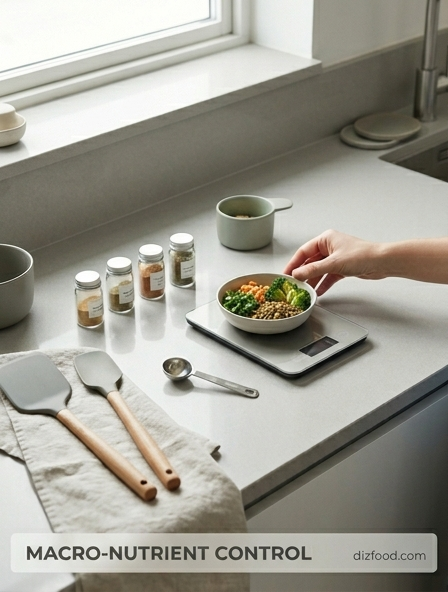
Precision in the kitchen is the cornerstone of effective macronutrient control. Without the right equipment, estimating intake often leads to significant discrepancies between perceived and actual consumption. The most critical tool is a high-quality digital food scale, which allows for measurements in grams or ounces. Volume-based measurements, such as measuring cups, are frequently inaccurate for solid foods like chicken breast or dense grains because packing density varies.
To build a high-precision kitchen, consider the following essentials:
- Digital Food Scale: Essential for weighing raw proteins and dry grains.
- Graduated Measuring Beakers: More accurate than standard cups for liquid fats like oils or cream.
- Meal Prep Containers: BPA-free, airtight containers in uniform sizes help standardize portions.
- Digital Meat Thermometer: Ensures proteins are cooked properly without losing moisture, which affects weight and palatability.
Using these tools removes the guesswork from your nutrition plan. By weighing ingredients before cooking, you can log data more accurately into your tracking software, ensuring that your caloric surplus or deficit is precisely managed according to your specific fitness roadmap.
Optimizing Protein Intake in Every Homemade Meal
Protein is arguably the most vital macronutrient for those focused on body composition, as it supports muscle repair and increases satiety through its high thermic effect. To optimize intake, you should aim to distribute protein evenly across all meals rather than consuming the majority at dinner. This ensures a consistent supply of amino acids for muscle protein synthesis throughout the day.
In the kitchen, optimizing protein involves selecting high-quality sources and preparation methods that preserve their nutritional profile. Consider these high-yield protein sources for your weekly rotation:
- Animal Proteins: Skinless chicken breast, lean ground turkey, egg whites, and white fish.
- Plant-Based Options: Seitan, tempeh, lentils, and isolated soy proteins.
- Dairy/Alternatives: Greek yogurt, cottage cheese, and ultra-filtered milk.
When cooking, prioritize methods like grilling, air-frying, or steaming to avoid adding excessive fats that could skew your macro balance. Additionally, seasoning with dry rubs or low-calorie marinades can enhance flavor without adding hidden sugars or oils, making it easier to hit your protein targets without overshooting your daily caloric limit.
The Role of Complex Carbohydrates in Performance
Carbohydrates are the primary fuel source for high-intensity training and cognitive function. However, not all carbohydrates are created equal in a macro-controlled kitchen. Complex carbohydrates, which contain longer chains of sugar molecules, provide a sustained release of energy compared to simple sugars. This steady glucose supply prevents the energy crashes often associated with processed foods and supports endurance during grueling workout sessions.
Incorporate complex carbs by focusing on whole-food sources that provide additional fiber. Fiber slows digestion, aiding in blood sugar regulation and gut health. Excellent choices include steel-cut oats, quinoa, brown rice, and sweet potatoes. When planning meals, consider the timing of these nutrients; consuming a portion of complex carbs two to three hours before exercise can maximize performance, while post-workout consumption aids in replenishing depleted glycogen stores.
By treating carbohydrates as functional fuel rather than just fillers, you can adjust your intake based on your daily activity level. On rest days, you might reduce complex carb portions in favor of fibrous vegetables, maintaining caloric control while still providing the body with the micronutrients it needs for recovery.
Incorporating Healthy Fats into Your Meal Plan
Fats are an essential component of a balanced macro plan, serving as the foundation for hormone production and the absorption of fat-soluble vitamins (A, D, E, and K). Because fat contains nine calories per gram-more than double that of protein or carbs-precision in the kitchen is paramount. It is very easy to accidentally double your caloric intake with an unmeasured pour of olive oil or an extra slice of avocado.
Focus on incorporating monounsaturated and polyunsaturated fats, which support cardiovascular health. Useful kitchen staples include:
- Plant Oils: Extra virgin olive oil and avocado oil for low to medium heat.
- Nuts and Seeds: Walnuts, chia seeds, and flaxseeds for Omega-3 fatty acids.
- Fatty Fish: Salmon and mackerel, which provide protein and essential fats simultaneously.
To manage fat macros effectively, use an oil mister instead of pouring directly from the bottle. Measuring nuts by weight rather than by handfuls is also a critical habit. By treating healthy fats as a concentrated nutrient source, you can enjoy their flavor and health benefits without compromising your weight management goals.
Smart Meal Prep Strategies for Macro Consistency
Meal prepping is the most effective way to eliminate the "decision fatigue" that often leads to nutritional lapses. When your meals are pre-calculated and cooked, you are far less likely to reach for processed convenience foods. Successful macro-based meal prep involves more than just cooking in bulk; it requires a strategic approach to ingredient versatility and portioning.
Follow these strategies to streamline your weekly kitchen routine:
- Component Cooking: Instead of fully assembled dishes, cook individual macro components (e.g., a tray of roasted chicken, a pot of quinoa, steamed broccoli). This allows you to mix and match ratios daily.
- Bulk Weighing: Weigh the entire batch of cooked food and divide by the number of desired servings for perfectly even macro distribution.
- Sauce Separation: Keep dressings and sauces on the side to maintain food texture and allow for last-minute caloric adjustments.
Investing a few hours on a Sunday to prepare these components ensures that you have macro-compliant meals ready in minutes throughout the work week. This consistency is what transforms short-term dieting into a sustainable, results-driven lifestyle.
Digital Tracking Tools for Nutritional Precision
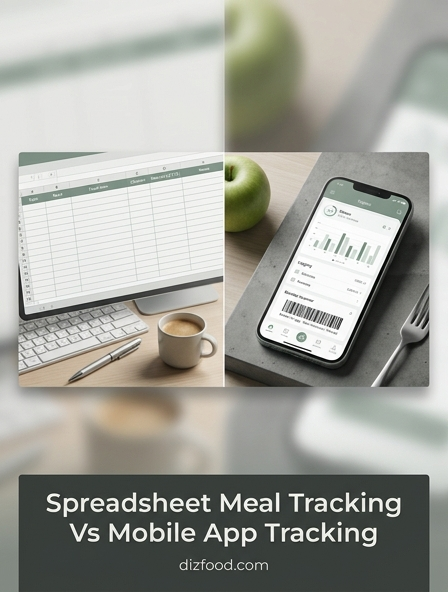
Modern nutrition management relies heavily on digital integration to bridge the gap between cooking and data. Mobile applications and web-based platforms allow you to log ingredients in real-time, providing an immediate snapshot of your remaining macros for the day. These tools often include barcode scanners, which are invaluable for quickly entering data from packaged staples like Greek yogurt, pasta, or protein powders.
For maximum precision, always enter ingredients in their raw state when possible, as cooking can change the weight of food through water loss or absorption. Most high-end tracking apps allow you to create "Recipes." By entering all raw ingredients for a batch of chili or stew and specifying the number of servings, the software calculates the exact macro breakdown per portion. This eliminates the need for complex manual math every time you eat. Syncing these apps with wearable fitness trackers can also provide a more holistic view of your energy balance, helping you decide if you need to increase your carbohydrate intake on high-expenditure days or scale back during periods of rest.
Calibrating Portion Sizes for Specific Results
Visualizing portion sizes is a skill that complements digital tracking, especially when you are away from your kitchen scale. Calibrating your eye to recognize what 150 grams of cooked steak or 100 grams of rice looks like helps maintain consistency. However, for specific results like rapid fat loss or peak athletic performance, visual estimation should be secondary to actual weighing.
The table below provides a quick visual reference for common portion sizes to help guide your meal assembly:
| Macro Type | Visual Reference | Approximate Weight/Volume |
|---|---|---|
| Protein | Deck of Cards | 3-4 oz (85-115g) |
| Carbohydrates | Clenched Fist | 1 cup (cooked) |
| Healthy Fats | Whole Thumb | 1 tablespoon (15ml) |
| Vegetables | Two Open Hands | 2 cups+ |
By regularly weighing your food, you train your brain to recognize these benchmarks. If your progress stalls, the first step should always be a return to strict weighing to ensure that "portion creep"-the gradual increase in serving sizes over time-isn't stalling your results.
Selecting Nutrient Dense Ingredients for Balanced Macros
While "hitting your numbers" is the primary focus of macro tracking, the quality of the ingredients you choose determines your long-term health and energy levels. Nutrient density refers to the concentration of vitamins, minerals, and phytonutrients relative to the caloric content. Choosing whole, unprocessed foods ensures that while you meet your protein, carb, and fat targets, you are also fueling your body with the micronutrients necessary for cellular repair and metabolic efficiency.
For example, choosing a medium potato over a serving of white flour pasta provides more potassium and Vitamin C for a similar carbohydrate count. Similarly, choosing wild-caught salmon over a processed protein bar provides essential fatty acids and antioxidants that the bar lacks. In your kitchen, focus on "eating the rainbow" by filling the remainder of your plate with fibrous, colorful vegetables. These add volume to your meals, helping you feel full without significantly impacting your macronutrient totals. This "volume eating" strategy is particularly effective during fat-loss phases when caloric targets are lower, as it prevents hunger while maintaining a high standard of nutritional intake.
Sustainable Habits for Long Term Macro Control
The ultimate goal of mastering your kitchen macros is to develop a sustainable lifestyle rather than a temporary diet. Rigid adherence can lead to burnout, so it is important to incorporate flexibility. Many successful individuals follow the 80/20 rule: 80% of their intake comes from whole, nutrient-dense foods tracked with precision, while the remaining 20% allows for social events or less "optimal" choices that support mental well-being.
Sustainability also comes from making the process enjoyable. Experiment with spices, herbs, and low-calorie acids like lemon juice or vinegars to keep your macro-friendly meals from becoming bland. Over time, the habit of weighing and tracking becomes second nature, taking only a few minutes a day. Eventually, you may find you can transition to intuitive eating for periods, using your developed knowledge of portion sizes to maintain your physique without the scale. By viewing macro control as a tool for empowerment rather than a restriction, you create a healthy relationship with food that can be maintained for years, ensuring your fitness results are permanent rather than fleeting.





Comments