
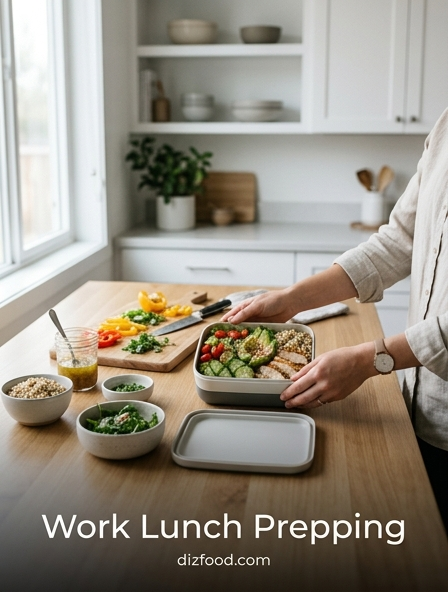
Benefits of Planning Work Lunches
Adopting a structured approach to work lunches offers transformative benefits for both your physical health and financial well-being. By planning ahead, you eliminate the daily "what's for lunch" decision fatigue, which often leads to impulsive, less nutritious choices. When you control the ingredients, you can significantly reduce your intake of hidden sodium, sugars, and unhealthy fats commonly found in restaurant meals. This level of oversight ensures that your energy levels remain stable throughout the afternoon, preventing the dreaded post-lunch productivity slump.
Beyond health, the economic advantages are substantial. The cumulative cost of purchasing mid-day meals adds up to thousands of dollars annually, whereas home-prepared options leverage bulk buying and leftovers. Consider these primary advantages:
- Financial Savings: Significant reduction in monthly food expenditures.
- Weight Management: Precise control over portion sizes and caloric density.
- Time Efficiency: Reclaiming your lunch hour by avoiding long queues and transit.
- Stress Reduction: Starting the day knowing your nutrition is already handled.
Ultimately, a planned lunch serves as a cornerstone of a disciplined lifestyle, fostering better habits that extend into other areas of your personal and professional life.
Essential Tools for Efficient Prepping
The efficiency of your meal preparation is directly influenced by the quality and suitability of your kitchen arsenal. Investing in the right tools streamlines the chopping, cooking, and packing process, making the routine sustainable rather than a chore. High-quality knives and a spacious cutting board are the most basic requirements, as they ensure safety and speed during ingredient processing. Additionally, digital scales and measuring cups help maintain consistency in your recipes and portioning.
To maximize your kitchen throughput, consider the utility of the following hardware:
| Tool Category | Primary Benefit |
|---|---|
| Glass Containers | Non-porous, microwave-safe, and durable for long-term use. |
| Food Processor | Rapidly slices, dices, and shreds vegetables for salads or stir-frys. |
| Slow Cooker/Instapot | Hands-off cooking for large batches of proteins or stews. |
| Reusable Silicone Bags | Space-saving storage for snacks and pre-cut produce. |
Having a dedicated set of containers that stack easily in the refrigerator is equally vital. Uniformity in your storage solutions not only saves space but also ensures that lids are always compatible, removing a common source of morning frustration.
Smart Grocery Shopping Strategies
Success in the kitchen begins in the aisles of the grocery store. Smart shopping involves a strategic approach that prioritizes versatility and minimizes waste. Before leaving the house, it is imperative to audit your pantry and fridge to avoid duplicating items you already possess. This practice, combined with a strict adherence to a pre-written list, prevents the impulse purchases that inflate your budget and clutter your kitchen. Shopping on a full stomach is a classic yet essential rule to maintain focus on your health goals.
Follow these steps to optimize your weekly shopping trip:
- Shop the Perimeter: Focus on fresh produce, meats, and dairy located on the outer edges of the store.
- Compare Unit Prices: Look at the price per ounce or gram to ensure you are getting the best deal on staples.
- Buy Seasonal: Produce in season is typically cheaper and higher in nutritional value.
- Utilize Bulk Bins: Purchase exact quantities of grains, nuts, and spices to reduce costs and packaging waste.
By treating grocery shopping as a tactical mission rather than a casual errand, you ensure that your kitchen is stocked with exactly what you need to execute your weekly meal plan efficiently.
Nutritious Foundations for Balanced Meals
A truly effective work lunch must be more than just convenient; it must provide the nutritional foundation required for mental clarity and physical endurance. A balanced meal should ideally consist of a lean protein source, complex carbohydrates, healthy fats, and a significant portion of fiber-rich vegetables. This combination ensures a slow release of glucose into the bloodstream, providing steady energy rather than a quick spike and subsequent crash. Proteins like grilled chicken, tofu, or legumes are essential for satiety, while grains like quinoa or farro provide necessary fiber.
Key components to include in every lunch box include:
- Lean Proteins: Turkey, chickpeas, tuna, or hard-boiled eggs.
- Complex Carbs: Sweet potatoes, brown rice, or whole-grain wraps.
- Healthy Fats: Avocado slices, nuts, seeds, or olive oil dressings.
- Micronutrients: Leafy greens, bell peppers, broccoli, and carrots.
Focusing on these pillars allows you to mix and match ingredients easily while knowing that your nutritional needs are being met. Diversity in your vegetable intake also ensures a wide spectrum of vitamins and minerals, supporting long-term health and immune function.
Batch Cooking Techniques for Success
Batch cooking is the most effective way to reclaim your weeknights. By dedicating a few hours on a Sunday to prepare large quantities of core ingredients, you can assemble varied meals in minutes throughout the work week. The goal is not necessarily to cook five identical meals, but to prepare "building blocks" that can be repurposed in different ways. For example, a large tray of roasted vegetables can be used in a grain bowl one day and a wrap the next. This method keeps the diet interesting while significantly reducing overall kitchen time.
Consider these efficient batch cooking methods:
- Sheet Pan Roasting: Cook multiple vegetables and proteins simultaneously on separate pans.
- Grain Prep: Boil a large pot of rice or quinoa to serve as a base for various dishes.
- Protein Braising: Use a slow cooker for shredded beef or chicken that stays moist for days.
- Sauce Preparation: Blend a signature dressing or pesto to add flavor to simple ingredients.
Effective batch cooking requires thinking ahead about storage and texture. Always let cooked food cool completely before sealing it to prevent condensation, which can lead to sogginess and faster spoilage during the week.
Optimal Food Storage Solutions
Maintaining the freshness and safety of your prepared meals depends heavily on your storage choices. Food safety is paramount when prepping for several days; therefore, understanding the lifespan of different ingredients is crucial. Generally, cooked proteins and vegetables should be consumed within three to four days. For meals intended for later in the week, utilizing the freezer can prevent spoilage. The choice between glass and plastic often comes down to personal preference, but glass is generally superior for reheating and does not retain odors or stains.
| Storage Type | Best For | Shelf Life |
|---|---|---|
| Airtight Glass | Stews, Curries, Roasted Veg | 4-5 Days |
| Vacuum Sealed | Raw proteins, deli meats | 7-10 Days |
| Mason Jars | Layered salads, overnight oats | 3-4 Days |
| Freezer Bags | Soups, pre-cut fruit | 2-3 Months |
Proper organization within the refrigerator also plays a role. Keep your prepped lunches at eye level so they are the first thing you grab in the morning. Labeling containers with the date they were prepared is a simple habit that ensures you always consume food while it is at its peak quality.
Cost-Effective Ingredient Selection
Preparing work lunches is inherently more affordable than eating out, but you can maximize savings by selecting ingredients strategically. Buying in bulk is particularly effective for non-perishable staples like grains, beans, and frozen produce. Frozen vegetables are often frozen at peak ripeness, making them just as nutritious as fresh versions but at a fraction of the cost. Additionally, focusing on plant-based proteins such as lentils and chickpeas can significantly lower your grocery bill while providing high levels of fiber and protein.
Try these budget-friendly tips for your next prep session:
- Buy Store Brands: Often identical in quality to name brands but much cheaper.
- Incorporate Eggs: One of the most affordable and versatile protein sources available.
- Use Canned Goods: Beans and tomatoes are excellent, low-cost foundations for many meals.
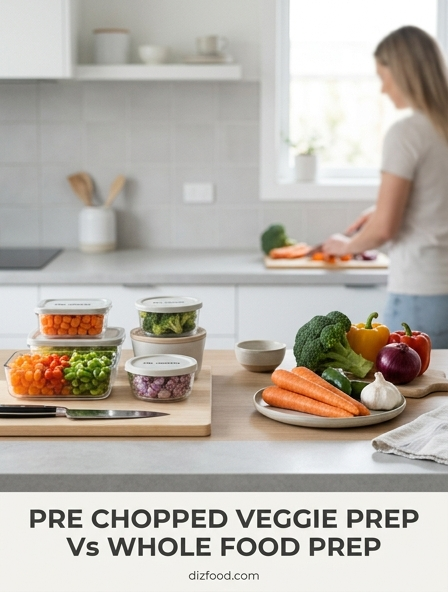
- Limit Pre-Cut Produce: Buying whole vegetables and cutting them yourself saves a premium.
By balancing expensive items like fresh salmon or organic berries with low-cost fillers like brown rice and seasonal greens, you can maintain a high-quality diet without exceeding your financial limits. Thriftiness in the kitchen is about resourcefulness, not deprivation.
Quick Assembly Tips for Busy Mornings
Even with the best prep, some mornings are more chaotic than others. The key to consistency is making the "grab-and-go" process as frictionless as possible. If you prefer your meals fresh, keep the individual components ready so that assembly takes less than two minutes. Using a "bento box" style container can help keep ingredients separate until you are ready to eat, preventing things like crackers or bread from becoming soft. Having a designated "lunch station" in your fridge and pantry also helps speed up the process.
Follow these quick assembly strategies:
- Pre-Portion Everything: Store snacks like nuts or grapes in individual bags or containers.
- Dressings on the Side: Use small condiment containers to keep salads crisp.
- The "Night Before" Rule: Pack your bag and place it in the fridge the evening prior.
- Ready-to-Eat Proteins: Keep boiled eggs or canned tuna available for instant addition.
Reducing the number of steps required before you leave the house increases the likelihood that you will actually take your lunch with you. Convenience is often the difference between success and a last-minute trip to the local cafeteria.
Diversifying Your Weekly Menu
The primary reason people abandon meal prepping is boredom. Eating the exact same meal five days in a row can quickly lead to burnout and a return to takeout. Diversification is essential for long-term adherence. You don't need five different recipes; instead, use a modular approach where you change the flavor profile of the same base ingredients. For example, roasted chicken can be seasoned with taco spices for a bowl on Monday and tossed with pesto for a pasta dish on Tuesday. Small changes in sauces and textures go a long way.
Strategies for adding variety include:
- Global Spice Themes: Rotate between Mediterranean, Mexican, Asian, and Indian flavors.
- Texture Contrast: Add seeds, nuts, or fresh sprouts to cooked meals for crunch.
- Seasonal Swaps: Replace heavy winter stews with light summer salads as the weather changes.
- Theme Days: Implement "Meatless Monday" or "Taco Tuesday" to provide structure.
Keeping a small collection of high-quality condiments like sriracha, tahini, or balsamic glaze can instantly transform a basic meal. By prioritizing variety, you ensure that lunch remains a highlight of your workday rather than a repetitive obligation.
Maintaining a Consistent Prep Routine
Consistency is the bridge between a good idea and a lifestyle. To maintain a meal prep routine, you must integrate it into your weekly schedule just like a gym session or a work meeting. For most, Sunday afternoon is the ideal time, as it sets the tone for the upcoming week. However, if Sunday doesn't work for you, a "split prep" on Sunday and Wednesday can ensure even fresher food. The key is to start small; don't try to prep every single snack and meal for the first week. Start with just three lunches and build from there.
To keep the momentum going, follow these steps:
- Schedule It: Mark your calendar for "Kitchen Time" and stick to it.
- Clean as You Go: Minimize the post-prep cleanup to avoid frustration.
- Listen to Media: Make the time enjoyable by listening to podcasts or music while you cook.
- Evaluate and Adjust: Note which meals you enjoyed and which were too time-consuming.
Forgive yourself if you miss a week or have to buy lunch occasionally. The goal is progress, not perfection. Over time, the routine will become second nature, and the benefits to your health and wallet will become undeniable.

Comments