
Deciding between freezer meal prepping and fresh ingredient prepping is the ultimate crossroads for anyone looking to reclaim their weeknights from kitchen chaos. Freezer meal prepping is the "set it and forget it" champion, involving batch-cooking or assembling entire dishes like stews and casseroles to be stashed away for months. On the other hand, fresh ingredient prepping focuses on washing, chopping, and portioning raw components-like vibrant veggies and marinated proteins-so you can enjoy a 15-minute gourmet stir-fry without the tedious prep work. Whether you crave the ultimate convenience of a "dump-and-go" slow cooker meal or the crisp textures of a freshly assembled sauté, understanding these two power-house strategies allows you to tailor your kitchen workflow to your specific schedule and palate.
| Feature | Freezer Meal Prepping | Fresh Ingredient Prepping |
|---|---|---|
| Core Philosophy | Batch-cook/assemble full meals for long-term storage. | Prepare raw components for fast, nightly assembly. |
| Weekly Prep Time | 3-5 hours (often done once a month). | 1-2 hours (typically every Sunday/Monday). |
| Night-of Effort | Near zero; simple reheating or slow-cooker "dumping." | 15-30 mins; active cooking and sautéing required. |
| Storage Life | 3-6 months in the freezer. | 3-5 days in the refrigerator. |
| Taste & Texture | Soft, integrated flavors; best for soups and bakes. | Crisp, vibrant, and fresh; best for salads and stir-frys. |
| Best For | Ultra-busy families and high-volume batch cooking. | People who enjoy the act of cooking but hate the prep. |
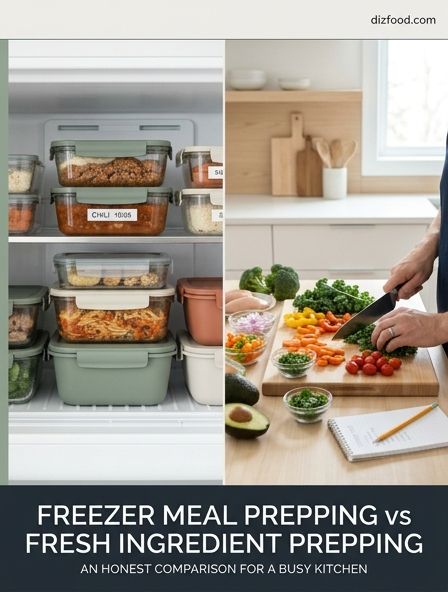
The Ultimate Showdown Freezer Meal Prepping vs Fresh Ingredient Prepping
In the modern kitchen, the debate between freezer meal prepping and fresh ingredient prepping centers on a fundamental choice: do you prioritize the speed of a ready-to-heat meal or the vibrancy of a meal cooked from scratch? Freezer meal prepping involves dedicating a block of time to cook and freeze entire dishes, such as lasagna, stews, or casseroles, which can be reheated in minutes. On the other hand, fresh ingredient prepping focuses on "mise en place," where you wash, chop, and portion raw components like vegetables, proteins, and grains to be cooked throughout the week.
Both methods offer distinct advantages depending on your culinary goals and schedule. Freezer prepping is often the savior of busy families and professionals who lack the energy to stand over a stove on weeknights. It minimizes daily decision fatigue and reduces the urge to order takeout. Conversely, fresh ingredient prepping caters to the home cook who enjoys the sensory experience of cooking-the sizzle of a pan and the aroma of sautéing aromatics-but wants to cut down on the tedious prep work. While freezer meals offer unparalleled convenience, fresh prep allows for greater culinary flexibility, enabling you to pivot your flavor profiles based on your daily cravings. Ultimately, the showdown isn't about which method is superior, but which one aligns with your current lifestyle demands and your personal definition of a "home-cooked" meal.
Time Management Benefits of Bulk Freezer Cooking
Bulk freezer cooking is the pinnacle of kitchen efficiency, operating on the principle of "economies of scale." By preparing large quantities of food at once, you consolidate the most time-consuming aspects of cooking, such as cleaning, chopping, and simmering. Instead of browning meat and dicing onions five separate times throughout the month, you perform these tasks once, drastically reducing the total hours spent in the kitchen over several weeks. This method is particularly effective for recipes that require long simmering times, as it takes the same amount of effort to cook four gallons of chili as it does to cook one quart.
The time-saving benefits extend far beyond the initial cook day. When you have a stockpile of freezer-ready meals, the "active" time required for dinner on a Tuesday night is reduced to the mere seconds it takes to set the oven or microwave. Consider the following time-saving advantages:
- Reduced Cleanup: You only have to wash the heavy pots, pans, and food processors once rather than every night.
- Minimized Grocery Trips: Buying in bulk for a month of freezer meals reduces the frequency of time-consuming trips to the supermarket.
- Batch Processing: Mastering one recipe in bulk is faster than navigating five different recipes during a busy week.
- Decision Preservation: By choosing your meals weeks in advance, you eliminate the daily mental load of deciding what to eat.
Nutritional Differences Between Frozen and Fresh Ingredients
A common misconception in the kitchen is that frozen food is inherently less nutritious than fresh produce. In reality, the nutritional profile of ingredients depends heavily on when they were harvested and how they were processed. Fresh produce found in supermarkets often travels thousands of miles, losing nutrients like Vitamin C and B-vitamins through oxidation and light exposure during transit. In contrast, most frozen vegetables and fruits are flash-frozen at the peak of their ripeness, which effectively "locks in" their nutritional value. Research has shown that frozen spinach, for example, can retain more folate than fresh spinach that has sat in a refrigerator for several days.
However, the differences become more pronounced once ingredients are cooked and stored. Freezer prepping entire meals often involves reheating, which can cause further degradation of heat-sensitive vitamins. Additionally, many people add extra sodium or fats to freezer meals to help preserve flavor during the thawing process. Fresh ingredient prepping allows you to maintain the integrity of "live" enzymes and delicate phytonutrients that are often destroyed by the freezing and thawing cycle. While the freezer is excellent for long-term preservation, fresh prepping ensures that you are consuming ingredients in their most bioavailable state, particularly when it comes to leafy greens and crisp vegetables that do not survive the freezing process well.
Cost Comparison Saving Money with Bulk Freezing vs Fresh Shopping
When comparing the financial impact of freezer prepping versus fresh ingredient prepping, bulk freezing often emerges as the more economical choice. This is primarily due to the ability to purchase ingredients in high volume at lower price points. Wholesale clubs and bulk bins offer significant discounts on meat, grains, and frozen vegetables, which can be processed into meals immediately to prevent spoilage. Fresh shopping, while potentially cheaper if sticking strictly to seasonal produce, often leads to higher costs due to frequent "impulse buys" and the premium price of small-portion packaging.
The following table illustrates the cost dynamics between the two strategies:
| Factor | Bulk Freezer Prepping | Fresh Ingredient Prepping |
|---|---|---|
| Unit Price | Lower; benefit of wholesale/bulk buying. | Higher; often buying smaller quantities. |
| Waste Risk | Very Low; items are preserved immediately. | Moderate; fresh items may spoil if unused. |
| Seasonal Savings | High; can freeze peak-season produce. | High; if shopping strictly in season. |
| Transportation | Low; fewer trips to the store required. | Higher; frequent trips for fresh items. |
By leveraging freezer space, you can take advantage of deep discounts on meats nearing their expiration date or buy "ugly" produce in bulk for soups, effectively lowering your cost per serving to a fraction of what a fresh-daily shopper might pay.
How Texture and Taste Change in the Freezer
The freezer is a powerful tool, but it is not without its culinary consequences. The primary enemy of freezer-stored food is the formation of ice crystals. When food freezes slowly, large ice crystals form, which can rupture the cell walls of vegetables and proteins. This is why a fresh tomato becomes mushy upon thawing-the structural integrity of the cell walls has been compromised. Proteins like chicken or beef can also lose moisture during the freezing and thawing process, leading to a "stringy" or dry texture if not stored correctly in airtight, vacuum-sealed environments.
Taste is also subject to change due to the phenomenon of freezer burn and oxidation. If food is exposed to air, the fats can become rancid and the surface can dehydrate, creating off-flavors. Furthermore, certain aromatics like garlic and onions can mellow or even turn slightly bitter after months in the cold. To mitigate these changes, it is essential to understand which foods are "freezer-friendly." Starchy items like potatoes can become grainy, while dairy-based sauces may break or curdle. However, hearty stews, braised meats, and soups often improve in flavor as the ingredients have more time to marry. Understanding the science of freezing allows you to choose recipes that are resilient to the cold, ensuring that your convenience does not come at the expense of a delicious dinner.
Maximizing Kitchen Efficiency with Fresh Weekly Prep
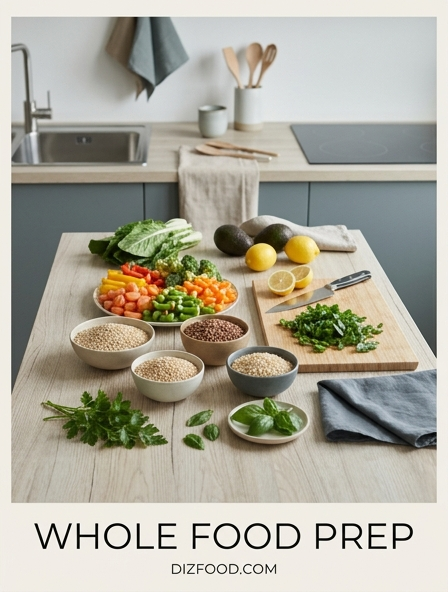
Fresh weekly prep is the middle ground between cooking from scratch every night and the rigidity of frozen meals. This strategy focuses on preparing "modules" rather than complete dishes. By spending two hours on a Sunday washing greens, roasting a tray of vegetables, dicing onions, and marinating proteins, you eliminate the "friction" that usually prevents people from cooking healthy meals. Efficiency in this context is about organization and the "mise en place" philosophy used in professional kitchens. When your ingredients are ready to go, a stir-fry that would normally take 40 minutes of prep and cooking can be finished in ten.
- Wash and Dry Immediately: Use a salad spinner for greens and store them with a paper towel to maximize freshness.
- The "Universal" Dice: Chop onions, celery, and carrots (mirepoix) in bulk to use across multiple cuisines throughout the week.
- Pre-Cook Grains: Prepare a large pot of quinoa or brown rice to serve as a base for different bowls or side dishes.
- Grate Your Own Cheese: Block cheese stays fresh longer and melts better than pre-shredded varieties, and prepping it ahead saves time during the week.
This approach keeps the kitchen active and the flavors bright. Because the ingredients aren't frozen, you retain the crisp snap of peppers and the delicate texture of fresh fish, allowing for a higher-quality dining experience while still respecting your time.
Reducing Food Waste Through Strategic Freezer Storage
Food waste is a significant issue in many households, often stemming from over-ambitious shopping or forgotten leftovers. Strategic freezer storage acts as a safety net, extending the life of ingredients that would otherwise end up in the bin. By treating the freezer as a "pause button" for your kitchen, you can drastically reduce your environmental footprint and save money. For example, the ends of carrots, onion skins, and celery tops can be collected in a freezer bag to create a rich vegetable stock later. Even small amounts of leftover wine or tomato paste can be frozen in ice cube trays for future use in sauces.
Beyond scraps, the freezer allows you to manage "impending waste." If you realize you won't be able to finish a loaf of bread or a gallon of milk before they expire, portions can be frozen. To make the most of this strategy, consider these tactics:
- The "Eat Me First" Bin: Designate a spot in the freezer for items that need to be used soon to avoid "freezer fossils."
- Labeling with Dates: Always use a permanent marker to label contents and the date of freezing to ensure proper rotation.
- Blanching Vegetables: Briefly boiling and then chilling vegetables before freezing stops the enzymes that cause spoilage and color loss.
- Portion Control: Freeze leftovers in single-serving sizes to ensure you only thaw what you will actually eat.
Storage Requirements for Freezer vs Fridge Prepping
Effective meal prepping is as much about hardware as it is about cooking. The storage requirements for freezer prepping are significantly more demanding than those for fresh fridge prepping. For freezer prep, you need containers that are not only airtight but also resistant to "thermal shock" and moisture vapor transmission. Heavy-duty plastic containers, silicone bags, or vacuum-sealed pouches are ideal for preventing freezer burn. Glass containers must be tempered and labeled "freezer-safe" to prevent cracking as food expands during the freezing process. Space is also a major consideration; many dedicated freezer preppers invest in a chest freezer or upright deep-freeze to accommodate a month's worth of meals.
Fresh ingredient prepping, conversely, relies on maintaining the proper humidity and airflow within the refrigerator. You need a variety of vented containers for produce and airtight containers for cooked proteins. The "crisper drawer" settings become vital-high humidity for leafy greens and low humidity for fruits. While fridge prep requires less overall volume than bulk freezer storage, it demands better organization to ensure "first in, first out" (FIFO) usage. Clear containers are highly recommended for the fridge so that ingredients don't get lost in the back. In summary, freezer prepping requires specialized, durable gear and high-volume space, while fresh prepping requires a system of visibility and humidity control within a standard refrigerator setup.
Meal Variety vs Convenience Finding Your Prepping Style
The conflict between meal variety and convenience is the primary psychological hurdle in meal prepping. Freezer prepping is the champion of convenience; it provides a "grab-and-go" lifestyle that is hard to beat. However, the trade-off is often a more limited menu. If you spend a Sunday making twenty burritos and two gallons of stew, you are committed to those flavors for the foreseeable future. For some, this leads to "palate fatigue," where the lack of variety makes the prepped meals feel like a chore to eat. This can lead to a cycle where prepped food is ignored in favor of fresh takeout, defeating the purpose of the prep entirely.
Fresh ingredient prepping offers a solution for those who crave variety. By prepping raw components, you can change your mind at the last minute. The same pre-chopped peppers and onions can become the base for a Mexican fajita, an Italian marinara, or a Chinese stir-fry depending on which spices and proteins you add. This style favors the "culinary explorer" who views cooking as a creative outlet. Finding your style requires an honest assessment of your personality. If you find comfort in routine and hate the act of cooking, the convenience of the freezer is your best friend. If you value a diverse plate and find joy in the kitchen, the flexibility of fresh ingredient prep will keep you engaged and satisfied throughout the week.
Choosing the Best Meal Prep Strategy for Your Lifestyle
Choosing the right strategy requires looking at your weekly schedule, your household size, and your kitchen skills. There is no one-size-fits-all approach, and many successful home cooks actually employ a hybrid model. For instance, you might use freezer prepping for "emergency" meals-keeping a few portions of soup or sauce for those nights when everything goes wrong-while relying on fresh ingredient prepping for your standard weekday dinners. This ensures you have the high-quality textures of fresh food most nights, with the ultimate backup plan stored in the ice box.
To decide which primary method to lean into, consider your specific life circumstances:
- The Busy Parent: Freezer prepping often wins here. Having pre-made "dump dinners" for the slow cooker can save hours of stress during the evening rush.
- The Fitness Enthusiast: Fresh ingredient prepping allows for precise macro-nutrient tracking and ensures the highest nutrient density for recovery.
- The Solo Dweller: A mix is best; cooking for one often leads to leftovers, so freezing half of every batch prevents boredom and waste.
- The Gourmet Hobbyist: Fresh prep is the way to go, as it allows for the use of delicate herbs and specific cooking techniques like searing or deglazing.
Regardless of the method, the goal is to make healthy, home-cooked food more accessible. By understanding the strengths and weaknesses of both freezer and fresh prepping, you can build a sustainable system that keeps your kitchen functional and your body well-fed.

Comments