
Ever noticed how the aroma of fresh rotisserie chicken or a curated upbeat playlist makes you linger longer in the aisles? This is intentional in-store sensory marketing, a strategic tool retailers use to bypass your logic and inflate your grocery budget. By stimulating your senses, stores trigger emotional responses that lead to impulse buys and significant unplanned spending. These psychological tactics are specifically designed to make you stray from your shopping list, often resulting in a much higher checkout total than you originally anticipated. Understanding these environmental triggers is essential for maintaining financial control, especially when evaluating the benefits of Grocery Delivery Services Vs In Store Shopping.
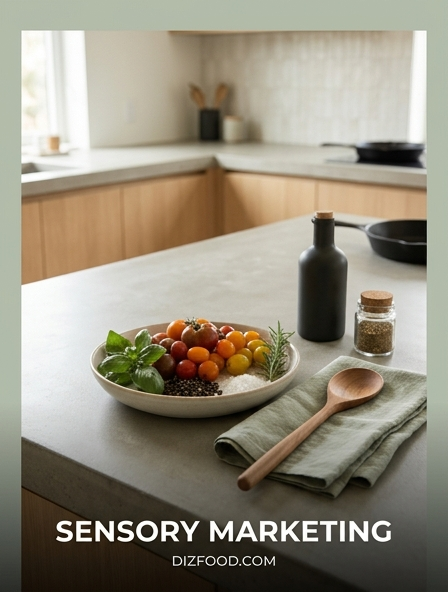
The Psychology of Scent Why Freshly Baked Bread Triggers Spending
The olfactory system is the only sense directly linked to the limbic system, the brain's headquarters for emotion and memory. In the context of a kitchen or supermarket environment, the aroma of freshly baked bread acts as a powerful subconscious prime. This scent bypasses rational thought, evoking feelings of warmth, comfort, and nostalgia. When consumers encounter these "scent-scapes," their physiological response often manifests as increased hunger and a relaxed state of mind, which directly correlates with higher basket values.
- Emotional Anchoring: Scents of yeast and warm flour trigger memories of home-cooked meals.
- Salivation Reflex: The aroma initiates digestive enzymes, making shoppers feel hungrier than they actually are.
- Time Distortion: Pleasant smells encourage shoppers to linger longer in the bakery department.
Retailers strategically place ovens near the entrance or use HVAC systems to circulate "bread perfumes." This tactic ensures that the first sensory contact a shopper has is one of abundance and freshness, setting a high-spending tone for the remainder of the trip.
Music and Shopping Tempo How Background Beats Control Your Pace
Soundscapes in food retail environments are rarely accidental. The tempo of background music serves as a metronome for the customer's gait. Research indicates that slow-tempo music-typically below 70 beats per minute-influences shoppers to move more slowly through aisles. When movement slows, the volume of visual information processed increases, leading to a higher probability of noticing non-essential kitchen gadgets or specialty ingredients that were not on the shopping list.
| Music Tempo | Shopper Behavior | Financial Impact |
|---|---|---|
| Slow (60-70 BPM) | Lingering, browsing | 38% increase in sales |
| Fast (100+ BPM) | Rapid movement, focused | Higher turnover, lower basket value |
| Classical | Perceived sophistication | Selection of premium wine/items |
In high-end kitchenware stores, classical or smooth jazz is often used to elevate the perceived value of the products. This auditory environment makes a $100 chef's knife seem like a reasonable investment rather than a luxury, as the music aligns with a sophisticated consumer identity.
Visual Merchandising Secrets Eye Level Placement and Impulse Buys
The geography of a kitchen aisle is a battlefield for consumer attention. Visual merchandising relies heavily on the "eye level is buy level" principle. Brands pay significant slotting fees to ensure their products are positioned approximately five feet from the ground. This zone represents the path of least resistance for the adult human gaze, ensuring these items are processed by the brain before the shopper even considers looking at the top or bottom shelves.
- The Bullseye Zone: Premium brands and high-margin kitchen staples positioned at adult eye level.
- The Kids' Tier: Sugary cereals and colorful snacks placed at the eye level of children in carts.
- The Value Floor: Generic or bulk items placed at the bottom, requiring physical effort to reach.
By manipulating the vertical hierarchy, retailers control the order of discovery. Impulse buys, such as flavored oils or decorative silicone spatulas, are often placed at the end of aisles in "end-cap" displays. These standalone units break the visual monotony of the long aisle, signaling to the brain that the item is special or on sale, even if the price reduction is negligible.
The Power of Samples From Free Tastes to Unplanned Purchases
Offering a small cube of aged cheddar or a sip of a new artisanal broth is a sophisticated psychological trap known as the reciprocity norm. When a shopper accepts a "free" gift, an internal social pressure is created to repay the favor. This often results in the purchase of the sampled product, even if the shopper had no prior intention of buying it. Beyond social pressure, sampling engages multiple senses simultaneously, creating a multi-modal memory of the product.
- Taste-Induced Craving: A small sample can trigger the "appetizer effect," stimulating hunger for a full meal.
- Risk Reduction: Sampling removes the fear of wasting money on an unfamiliar kitchen ingredient.
- Interpersonal Connection: Engaging with a demonstrator makes the brand feel more human and trustworthy.
The effectiveness of samples is particularly high in the kitchen sector because cooking is an experiential activity. Once a shopper tastes the quality of a high-end balsamic vinegar, the mental barrier to its premium price point is significantly lowered.
Color Psychology Stimulating Hunger and Spending in Food Aisles
Colors are silent communicators that dictate how we perceive the freshness and flavor of food. The kitchen and grocery industry utilizes specific palettes to drive metabolic responses and brand associations. For instance, red is known to increase heart rate and stimulate appetite, which is why it is ubiquitous in fast food and meat departments. In contrast, green is used to signify health, organic origins, and sustainability, often dominating the produce and health-food sections.
| Color | Psychological Trigger | Common Application |
|---|---|---|
| Red | Urgency, Hunger | Clearance tags, Meat labels |
| Yellow | Happiness, Optimism | Bakery signage, Snack packaging |
| Green | Freshness, Nature | Organic produce, Salads |
| Blue | Trust, Reliability | Frozen foods, Seafood |
Sophisticated retailers also use high-contrast color blocking to make products pop. Placing bright orange carrots next to deep green kale creates a visual vibrance that suggests peak nutritional value. This deliberate use of the color wheel forces the eye to stop and admire the "vibrancy" of the kitchen's inventory.
Tactile Marketing Why Handling Products Increases Your Total Bill
The "endowment effect" is a psychological phenomenon where individuals value an object more highly simply because they have touched it or held it. In kitchenware and grocery retail, encouraging tactile interaction is a key strategy for increasing sales. When a shopper picks up a heavy, well-balanced cast-iron skillet or feels the ripeness of an avocado, a sense of psychological ownership begins to form. The transition from "the store's product" to "my product" occurs the moment physical contact is made.
- Weight Perception: Heavier kitchen tools are often equated with higher quality and durability.
- Texture Exploration: Feeling the grain of a wooden cutting board creates a sensory bond.
- Functional Testing: Clicking the mechanism of a pair of tongs provides satisfying haptic feedback.
Retailers facilitate this by removing items from boxes and placing them on open displays. By lowering the physical barriers to interaction, stores increase the likelihood that a customer will move the item from the shelf into their cart, as putting it back now feels like a psychological loss.
Strategic Lighting Making Fresh Produce Look Irresistible
Lighting is the "makeup" of the kitchen retail world. Standard overhead fluorescent bulbs are often replaced with specialized LEDs that have high Color Rendering Index (CRI) values. These lights are tuned to specific wavelengths to enhance the natural colors of food. For example, pink-tinted lights are frequently used in meat cases to make beef look redder and fresher, while cool, bright lights are used over seafood to make ice and scales shimmer with "just-caught" brilliance.
- Spotlighting: Using focused beams to create shadows and depth, making fruits look more three-dimensional.
- Warm Tones: Used in bakeries to mimic the glow of a hearth and enhance golden-brown crusts.
- Backlighting: Employed in bottled oil or beverage sections to give liquids a jewel-like translucency.
This manipulation of light creates an idealized version of the product that rarely exists in a standard home kitchen. By making the produce look "better than life," retailers trigger an aesthetic impulse to buy, promising the consumer that their own kitchen will look just as vibrant and healthy.
Store Layout Sabotage Navigating the Maze to Unnecessary Spending
The architectural flow of a supermarket is designed to maximize exposure to products. This is known as "decompression" and "pathing." Essentials like milk, eggs, and bread are almost always located at the very back of the store, furthest from the entrance. To reach these daily necessities, the shopper is forced to navigate a gauntlet of high-margin impulse items, from seasonal kitchen gadgets to gourmet chocolates. This "maze" layout ensures that even a "quick trip" results in maximum visual stimulation.
- The Perimeter Rule: Fresh, high-margin goods are placed on the outside to lure shoppers around the whole store.
- Aisle Length: Long aisles without cross-breaks discourage "cherry-picking" and force full-length browsing.
- The Right-Hand Turn: Most shoppers naturally turn right; retailers place their most profitable "power displays" here.
By disrupting the most direct path to the exit, retailers capitalize on the "Gruen effect"-the moment a shopper becomes confused by a complex layout and loses track of their original intentions, becoming more susceptible to sensory marketing cues.
Sensory Overload and Decision Fatigue in Modern Supermarkets
Modern kitchen retail environments are designed to push consumers toward "decision fatigue." When the brain is bombarded with endless varieties of the same product-such as fifty types of olive oil-the prefrontal cortex becomes exhausted. This cognitive overload reduces willpower and the ability to make rational, price-conscious choices. As shoppers reach the end of their trip, they are more likely to grab easy, processed, or highly marketed items because their brain simply wants to finish the task.
| Feature | Sensory Input | Cognitive Result |
|---|---|---|
| Variety | Over 40,000 SKUs | Analysis Paralysis |
| Ambient Noise | Music + Announcements | Reduced Focus |
| Bright Colors | Packaging + Signage | Attention Exhaustion |
Retailers exploit this fatigue at the checkout counter. By the time a shopper reaches the till, their self-control is at its lowest. This is the strategic placement for "reward" items like candy bars or small kitchen gadgets that offer a quick dopamine hit to compensate for the exhausting decision-making process just completed.
Defeating Sensory Marketing with Smart Meal Planning Habits
Protecting the household budget from sensory manipulation requires a proactive defense strategy. The most effective tool is a rigid meal plan paired with a categorized shopping list. By deciding what to eat before entering the kitchen or store, the shopper creates a "cognitive anchor" that resists the pull of unplanned scents and visual displays. This shift from "browsing" to "hunting" changes how the brain processes the retail environment, making it easier to ignore distractions.
- Eat Before Shopping: A full stomach deactivates the hunger-based triggers of the bakery and deli.
- Use Headphones: Listening to your own music prevents the store's tempo from controlling your pace.
- Stick to the List: Make a "no-buy" rule for any item not written down, regardless of samples or sales.
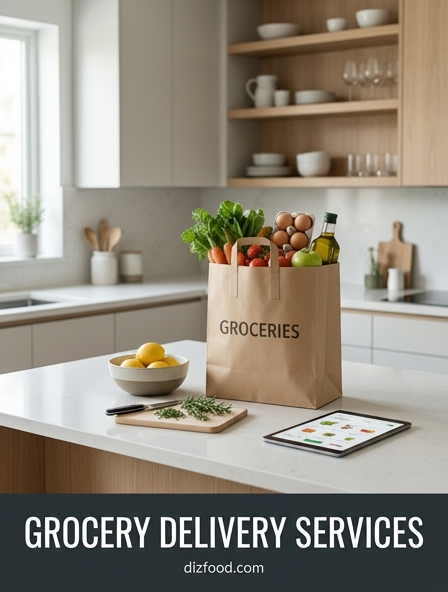
Additionally, utilizing "click and collect" or online kitchenware shopping can bypass the sensory gauntlet entirely. When the environment is reduced to a digital screen, the smell of bread and the strategic lighting of the produce section lose their power, allowing for purely rational, data-driven purchasing decisions.

Comments