
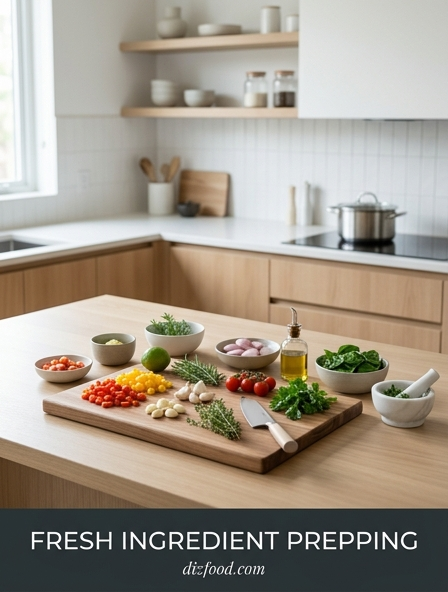
Elevate your evening routine by discovering how to enjoy vibrant meals nightly using fresh ingredient prepping techniques that prioritize flavor and nutrition. By dedicating a small window of time to wash, chop, and portion your produce, you can transform seasonal ingredients into culinary masterpieces in just minutes. This method ensures that every dish retains its natural crunch and zest, making healthy eating both convenient and incredibly satisfying. Whether you are a busy professional or a home cook looking to simplify your workflow, mastering these skills reduces kitchen stress significantly. To choose the right strategy for your unique lifestyle, it is essential to understand the nuances of Freezer Meal Prepping Vs Fresh Ingredient Prepping.
Mastering the Art of Seasonal Ingredient Selection
Selecting fresh ingredients at their peak is the foundational step in high-level culinary preparation. Seasonal produce offers superior nutrient density, vibrant colors, and concentrated flavors that require less manipulation during the cooking process. When navigating local markets, prioritize items that exhibit heavy weight relative to their size, as this often indicates high water content and freshness. Avoiding produce with soft spots or dull skins ensures that your prep work begins with the highest quality structural integrity.
- Spring: Focus on tender greens, ramps, asparagus, and peas.
- Summer: Prioritize stone fruits, heirloom tomatoes, and peppers.
- Autumn: Look for root vegetables, hardy squashes, and crisp pomme fruits.
- Winter: Utilize citrus, cruciferous vegetables, and storage tubers.
Understanding the harvest cycle allows a chef to work with the natural chemistry of the ingredient. For example, starch-to-sugar conversion in winter carrots provides a natural sweetness that cannot be replicated by out-of-season varieties. By synchronizing your kitchen prep with the calendar, you minimize the need for artificial flavor enhancers and allow the raw beauty of the ingredient to dictate the final profile of the dish.
Essential Mise en Place for Faster Weeknight Cooking
Mise en place, or "everything in its place," is a professional discipline that eliminates the chaos of staggered preparation. By dedicating a specific block of time to washing, peeling, and chopping before a single flame is lit, you transform the cooking process into a seamless assembly. This systematic approach reduces cognitive load and prevents the common mistake of burning delicate ingredients while distracted by mid-cook chopping. A structured mise en place routine ensures that every component is accessible and measured.
- Read the entire recipe to identify all required cuts and quantities.
- Clear your workspace and sharpen your primary chef's knife.
- Group ingredients by their cooking entry times (e.g., aromatics vs. finishing herbs).
- Utilize small glass bowls or ramekins to organize prepared items.
- Clean the prep station thoroughly before beginning the heat application.
The efficiency gained from this practice is most evident during high-heat techniques like sautéing or stir-frying, where seconds matter. When your ingredients are staged in order of use, you maintain total control over the textures and temperatures of your food, resulting in restaurant-quality meals within a limited weeknight timeframe.
Flash-Prep Methods to Maintain Vegetable Crispness
Preserving the turgor pressure of cell walls is essential for maintaining that desirable "snap" in fresh vegetables. Rapid preparation techniques, such as the ice-water shock, prevent wilting caused by enzymatic browning or moisture loss during the chopping phase. This is particularly vital for vegetables like radishes, celery, and snap peas, which can lose their architectural integrity quickly once sliced and exposed to the kitchen air.
| Vegetable | Prep Technique | Crispness Duration |
|---|---|---|
| Leafy Greens | Cold plunge and spin dry | 48 Hours |
| Root Veggies | Submerged in chilled water | 24 Hours |
| Brassicas | Airtight seal with damp cloth | 72 Hours |
To maximize crispness, use a high-carbon steel knife to create clean, sharp cuts that do not bruise the produce. Rough handling or dull blades crush cell walls, leading to premature softening. Additionally, keeping prepared vegetables away from heat sources like the oven or stovetop during the prep phase prevents thermal wilting. These small adjustments in handling ensure that your raw components provide a refreshing, structural contrast to the cooked elements of your meal.
The Science of Batch Prepping Fresh Aromatics
Aromatics-including garlic, ginger, shallots, and onions-form the chemical backbone of most savory dishes. Batch prepping these items can save significant time, but it must be done with an understanding of volatile oil degradation. Once the cell walls of an onion or garlic clove are ruptured, sulfur compounds begin to react with the air, intensifying in pungency and potentially becoming bitter. To mitigate this, proper storage mediums such as neutral oils or airtight seals are necessary to preserve the intended flavor profile.
- Garlic: Mince and submerge in oil for immediate use or freeze in paste form.
- Ginger: Grate and store in a small jar with a splash of rice vinegar.
- Shallots: Slice thinly and keep in a vacuum-sealed bag to prevent odor transfer.
- Chili Peppers: Seed and dice, then store in a dry, airtight container.
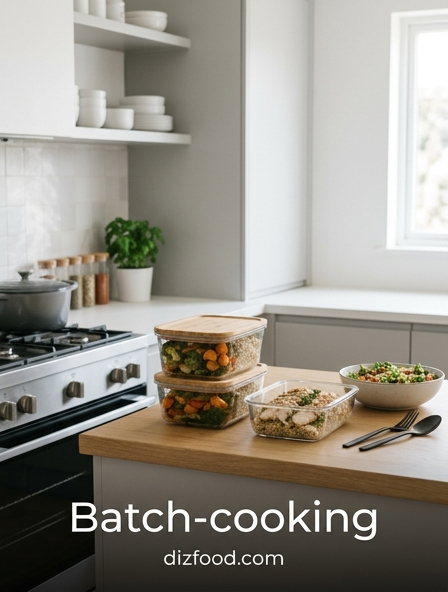
Utilizing a food processor for large batches can expedite the process, but be cautious of over-processing, which can turn aromatics into a watery slurry. Aim for uniform dicing to ensure even caramelization. By having these "flavor bombs" ready in the refrigerator, you can initiate the building of complex flavors in a matter of seconds, providing a professional depth to even the simplest sautéed dishes.
Transforming Raw Produce into Gourmet Evening Bases
Converting raw ingredients into versatile bases is a strategic way to elevate home cooking. These bases, such as a traditional French mirepoix or a Spanish sofrito, act as a concentrated foundation for soups, stews, and sauces. The key to a gourmet base lies in the precision of the cut and the ratio of the ingredients. By prepping these in large quantities at the start of the week, you create a shortcut to complex, slow-cooked flavors that usually take hours to develop.
- Finely dice onions, carrots, and celery in a 2:1:1 ratio.
- Sweat the vegetables over low heat with a pinch of salt until translucent.
- Incorporate fresh herbs like thyme or bay leaves for aromatic depth.
- Deglaze the pan with a dry wine to capture the fond.
- Cool the mixture and portion it into containers for the fridge or freezer.
These bases provide an immediate flavor boost, allowing you to bypass the initial sweating and softening phases of cooking. When you arrive home, you can simply add your protein or starch to the pre-made base. This method not only saves time but also ensures a consistent, high-quality flavor profile across various dishes throughout the week.
Kitchen Tools That Streamline Your Fresh Prep Routine
Efficiency in the kitchen is often a direct result of utilizing the correct tool for the specific task at hand. While a chef's knife is the most versatile instrument, specialized tools can significantly reduce the physical labor and time required for repetitive tasks. High-quality prep tools should be ergonomic, easy to clean, and constructed from durable materials like stainless steel or high-density polymers. Investing in a few key items can transform a tedious preparation session into a fast and precise workflow.
| Tool | Best Use Case | Primary Benefit |
|---|---|---|
| Mandoline | Uniform slicing of tubers | Consistency and speed |
| Microplane | Zesting and hard cheeses | High surface area extraction |
| Y-Peeler | Removing skins from veg | Minimal waste of flesh |
Proper maintenance of these tools is just as important as the tools themselves. A sharp blade is safer and more effective than a dull one, as it requires less pressure and results in cleaner cuts. Regularly honing your knives and checking the alignment of your mandoline blades will ensure that your prep routine remains smooth and accident-free. By matching the tool to the ingredient, you maximize the yield and aesthetic quality of your fresh produce.
Strategic Storage Secrets to Prevent Ingredient Wilting
The lifespan of fresh ingredients is significantly extended when storage environments are customized to their specific biological needs. The primary enemies of freshness are improper humidity, gas exposure, and temperature fluctuations. Understanding which vegetables require high humidity versus those that need dry airflow is the "secret" to minimizing kitchen waste and keeping your prepped items in peak condition for longer durations.
- Herbs: Store like a bouquet in water or wrapped in a damp paper towel.
- Mushrooms: Use paper bags to allow for moisture evaporation and prevent sliminess.
- Berries: Wash only before consumption to avoid mold growth from excess moisture.
- Cruciferous: Keep in perforated bags in the crisper drawer to manage gas.
Ethylene gas, produced by certain fruits like apples and bananas, can accelerate the ripening and eventual decay of surrounding vegetables. Therefore, separating ethylene producers from sensitive greens is crucial. Utilizing airtight, BPA-free containers for pre-chopped items helps maintain the internal moisture balance and prevents the absorption of other refrigerator odors. These strategic habits ensure that your hard work during the prep phase is preserved until the moment of cooking.
Smart Marinating Strategies for Instant Flavor Infusion
Marinating is a chemical process that both seasons and tenderizes fresh ingredients. To achieve instant flavor infusion, one must balance three core components: acid, oil, and aromatics. While traditionally associated with meats, marinating fresh vegetables like mushrooms, zucchini, or eggplant can drastically enhance their profile before they even hit the pan. The goal is to maximize surface area contact to ensure the marinade penetrates deeply and efficiently.
- Score the surface of dense vegetables to allow the marinade to enter.
- Use a 3:1 ratio of oil to acid (lemon juice, vinegar, or yogurt).
- Add salt early to draw out moisture and allow seasonings to replace it.
- Utilize vacuum-sealed bags to force the marinade into the ingredient's pores.
- Limit marinating time for delicate produce to avoid mushy textures.
Acids like citrus juice or vinegars break down tough fibers, while oils carry fat-soluble flavors deep into the tissue. For a faster infusion, consider using a "flash-marinate" technique by toss-coating ingredients in a warm dressing immediately after slicing. This heat helps the cellular structure expand, allowing for a quicker absorption of herbs and spices, resulting in a more vibrant and flavorful final dish.
Balancing Textures and Colors for Visually Stunning Plates
Professional food presentation begins with the prep work, specifically the precision of the cuts and the selection of contrasting colors. A plate that balances various textures-crunchy, soft, fibrous, and smooth-is more engaging to the palate. When prepping, think about how the visual geometry of each ingredient will interact on the plate. Consistent juliennes, brunoise, or batonnets create a sense of order and professional craftsmanship that elevates a home-cooked meal into a gourmet experience.
- Contrast: Pair vibrant greens with deep purples or bright oranges.
- Height: Prep ingredients that can be stacked or shingled for dimension.
- Finish: Keep small, delicate herb leaves whole for a fresh garnish.
- Variation: Use different cutting styles for the same ingredient to add interest.
Color preservation is equally important; blanching green vegetables briefly and then shocking them in ice water fixes the chlorophyll, keeping them bright even after secondary cooking. Avoiding the over-oxidation of fruits like apples or avocados by using a light citric acid wash during prep keeps the colors vivid. By treating the preparation phase as a design process, you ensure that the final assembly is naturally beautiful and requires minimal effort during plating.
Efficient Cleanup Habits for a Stress-Free Cooking Space
A cluttered workspace leads to a cluttered mind and increased kitchen accidents. The "clean as you go" philosophy is the hallmark of an efficient chef. By integrating cleanup into the prep routine, you ensure that the transition from chopping to cooking, and finally to eating, is fluid and enjoyable. The goal is to reach the end of the meal with a kitchen that is nearly as clean as when you started, leaving only the serving dishes to be addressed.
- Keep a "scrap bowl" on the counter for all organic waste.
- Wipe down your cutting board immediately after switching ingredient types.
- Wash prep bowls and tools as soon as they are emptied.
- Store ingredients back in the pantry or fridge as soon as you finish measuring.
- Reset your station before moving to the heat-application phase.
Managing waste efficiently also involves separating compostable scraps from landfill items during the prep stage. Utilizing a damp bench scraper to clear debris into the bin in one motion saves time and keeps your board clear for the next task. These micro-habits reduce the post-dinner burden and maintain a hygienic, professional environment that makes the act of cooking a therapeutic rather than a stressful endeavor.

Comments