
Reclaiming your evenings starts with choosing the right meal prep architecture to fit your lifestyle: Batch Cooking or the "Cook Once, Eat Twice" method. Batch cooking is your high-efficiency powerhouse, involving a dedicated weekend session to prepare large quantities of base ingredients or full meals to fuel the entire week. In contrast, the "Cook Once, Eat Twice" strategy is the master of incremental gains, where you simply double your Tuesday dinner portion to transform it into a stress-free Thursday lunch or reimagined meal. Both strategies are designed to eliminate decision fatigue and slash your kitchen cleanup time, but the right choice depends on whether you prefer a one-and-done marathon or a rhythmic, rolling approach to your weekly menu.
| Feature | Batch Cooking | Cook Once, Eat Twice |
|---|---|---|
| Time Input | 2-4 hours (one-time session) | +10-15 mins (during regular cooking) |
| Storage Need | High; requires freezer/large containers | Low; standard refrigerator space |
| Menu Style | Static; repeated or "kit" meals | Dynamic; repurposed leftovers | Equipment | Bulk pots, slow cookers, vacuum sealers | Standard everyday cookware |
| Mental Load | Heavy upfront planning required | Low; simple doubling of ingredients |
| Best For | Busy professionals & large families | Culinary variety & small households |
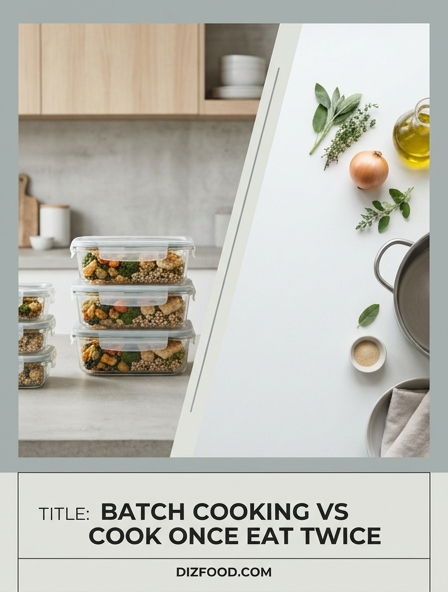
Batch Cooking vs Cook Once Eat Twice Key Differences
Understanding the fundamental differences between batch cooking and the "cook once, eat twice" method is essential for optimizing kitchen efficiency. Batch cooking is a proactive strategy where a home cook dedicates a significant block of time-often three to four hours on a weekend-to prepare large quantities of food intended for the entire week or month. This often involves creating "modular" components like roasted vegetables, grains, and proteins that can be assembled quickly, or full meals like lasagna and stews that are frozen for later use.
In contrast, the "cook once, eat twice" philosophy is an incremental approach that integrates meal prepping into the daily cooking routine. Instead of a dedicated marathon session, you simply double or triple the ingredients of a meal you are already making for dinner. This requires less upfront planning and no dedicated "prep day," making it more accessible for those with unpredictable schedules. While batch cooking focuses on mass production and long-term storage, "cook once, eat twice" focuses on rolling leftovers and immediate convenience.
| Feature | Batch Cooking | Cook Once, Eat Twice |
|---|---|---|
| Time Investment | High upfront (3-5 hours) | Low (extra 10-15 mins) |
| Equipment | Large stockpots, many containers | Standard kitchen tools |
| Primary Goal | Full week of ready meals | Next day lunch or dinner |
| Flexibility | Rigid schedule | High daily flexibility |
The Pros and Cons of Bulk Meal Prepping
Batch cooking offers an unparalleled sense of relief during the busy work week. By investing time on a Sunday, you effectively eliminate the "what's for dinner?" stress that plagues many households at 6:00 PM. The primary advantage is the total control over nutrition and portions, alongside a significant reduction in the temptation to order expensive takeout. When your freezer is stocked with home-cooked portions, the path of least resistance is also the healthiest and most economical one. Furthermore, cleaning a messy kitchen once is often preferable to deep-cleaning every single evening.
However, bulk prepping is not without its drawbacks. The most common complaint is "palate fatigue," where eating the same chili or chicken stir-fry for four days straight becomes monotonous. Additionally, the initial time commitment can be draining; spending half of a day off in a hot kitchen is not everyone's idea of a relaxing weekend. There is also the risk of food safety and quality issues if items are not cooled or stored correctly. If a batch goes wrong-perhaps it is over-salted or the texture becomes mushy upon reheating-you are stuck with a large volume of unappealing food, leading to significant waste.
- Pro: Significant time savings during busy weekdays.
- Pro: Easier to track macros and caloric intake.
- Con: High physical demand during the cooking session.
- Con: Requires substantial refrigerator and freezer space.
- Con: Risk of boredom from repetitive meals.
Simplifying Your Routine with Cook Once Eat Twice
The "cook once, eat twice" method is the ultimate "low-lift" strategy for those who find traditional meal prepping overwhelming. This approach relies on the simple logic of volume. If you are already chopping onions, boiling water, and preheating the oven for a single tray of roasted chicken and vegetables, the marginal effort required to double the portion is nearly zero. You are essentially capitalizing on the "set-up" time that has already occurred. This method ensures that tomorrow's lunch or the following night's dinner is secured without having to pull out a single extra cutting board or knife.
This strategy also allows for more creative variety than batch cooking. Instead of eating the exact same meal twice, many practitioners use the second portion as a "base" for a new dish. For example, a large pot of pulled pork served with coleslaw on Monday can be transformed into pork tacos with lime and cilantro on Tuesday. A double batch of quinoa can be a side dish for salmon one night and the foundation of a cold Mediterranean salad the next. This subtle evolution of flavors prevents the "leftover blues" while still cutting your active cooking time in half over the course of the week. It bridges the gap between fresh, daily cooking and the efficiency of prep.
Time Management Strategies for Weekly Meal Planning
Effective meal planning is less about the cooking itself and more about the logistical management of your time. Whether you choose batching or doubling, your success depends on how you synchronize your grocery shopping with your cooking window. For batch cookers, the "power hour" technique is common, where multiple appliances-oven, stove, slow cooker, and air fryer-are used simultaneously to maximize output. For those using the "cook once, eat twice" method, the strategy involves looking at the week's menu and identifying overlapping ingredients to streamline prep across different days.
- Inventory Audit: Check your pantry and freezer before shopping to avoid buying duplicates and to plan around existing staples.
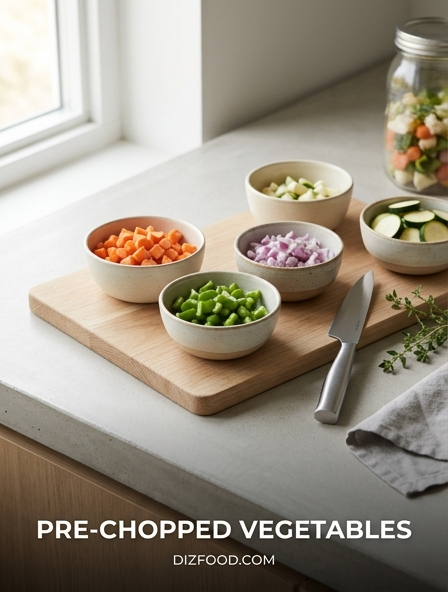
- Component Prepping: Even if you aren't cooking full meals, spend 20 minutes washing and chopping all vegetables immediately after shopping to reduce daily friction.
- The "Double Up" Rule: Identify at least three meals per week where you can realistically double the protein or grain.
- Staggered Cooking: Instead of doing everything Sunday, split your prep into two smaller sessions (Sunday and Wednesday) to ensure food stays fresh.
- Clean as You Go: Dedicate the "simmering time" of your meals to washing dishes so that the end of the cooking session doesn't result in an overwhelming mess.
Storage Requirements for Batch Cooking Success
A primary bottleneck in batch cooking is the physical limitation of kitchen storage. Producing 15 to 20 meals at once requires more than just counter space; it requires an organized system of containers and a strategy for shelf management. High-quality, airtight containers are non-negotiable to prevent freezer burn and cross-contamination of flavors. Glass containers are often preferred for their ability to transition from freezer to oven or microwave safely, though BPA-free plastic is lighter and more portable for office commutes. Uniformity is key here; having a set of stackable, same-sized containers allows you to maximize every square inch of your refrigerator.
Beyond containers, the "first in, first out" (FIFO) method is crucial for maintaining a successful batch system. Without proper labeling, containers of mysterious frozen soups can accumulate, leading to food waste. Using masking tape and a permanent marker to record the dish name and the date it was prepared is a simple habit that saves significant time later. For those with limited space, vacuum-sealing or using heavy-duty freezer bags (laid flat to freeze) can significantly increase storage capacity compared to rigid boxes. Understanding the shelf life of different ingredients is also vital; while grains and meats freeze well, dairy-based sauces and certain leafy greens may separate or become unappealing after a few days in the cold.
Reducing Food Waste with Rolling Leftovers
One of the most sustainable aspects of the "cook once, eat twice" method is its ability to eliminate the "dreaded half-onion" syndrome. Often, recipes call for half a head of cabbage or a portion of a bunch of kale, leaving the remainder to wither in the crisper drawer. By planning for "rolling leftovers," you ensure that the entirety of your fresh produce is utilized within a tight window. When you commit to doubling a recipe, you are forced to use the whole package of meat or the entire bag of spinach, which naturally aligns with a zero-waste kitchen philosophy.
Rolling leftovers also provides an opportunity to rescue ingredients that are on the verge of spoiling. A "cook once" roast chicken can provide the bones for a stock, while the remaining meat can be tossed into a soup with those slightly wilted carrots and celery. This creates a continuous cycle of consumption where nothing is discarded. Unlike batch cooking, which sometimes results in large portions being forgotten in the back of the freezer, the "eat twice" method keeps the food front and center in the refrigerator, ensuring it is consumed within 24 to 48 hours while the quality is still at its peak. This high-turnover system is often the most effective way for small households to maintain a fresh, diverse diet without contributing to the global food waste crisis.
Comparing Initial Effort and Long Term Convenience
The choice between these two methods often comes down to when you want to pay your "time tax." Batch cooking requires a heavy down payment of effort. You must be mentally prepared for a high-intensity session of chopping, searing, and cleaning. The reward for this labor is "zero-effort" convenience during the week; your Tuesday night involves nothing more than opening a lid and pressing a button. This is ideal for medical professionals, students, or parents whose evenings are occupied by extracurricular activities and who literally do not have 30 minutes to spend at the stove on a weeknight.
Conversely, the "cook once, eat twice" strategy distributes the effort more evenly. You still have to cook several nights a week, meaning your kitchen will need to be cleaned more frequently and you must remain engaged with the cooking process. However, the "initial effort" on any given night is significantly lower than a full batch session. The long-term convenience is felt every other day, providing "breathing room" rather than total freedom. For many, this is more sustainable because it doesn't ruin a weekend afternoon. The decision relies on whether you prefer a "marathon" style of productivity or a "sprint and rest" cadence that keeps the kitchen active but the workload manageable.
Budget Efficiency of Batching vs Doubling Portions
Both methods offer substantial savings over the standard "cook as you go" approach, but they achieve budget efficiency in different ways. Batch cooking excels at the "economy of scale." When you are cooking 20 portions of beef stew, you can buy the five-pound "family pack" of meat, the bulk bag of potatoes, and the largest available containers of broth, which always carry a lower price per unit. Furthermore, batch cooking allows you to shop sales more effectively. If chicken thighs are on a deep discount, you can buy ten pounds and process them all at once, locking in that low price for the entire month's menu.
Doubling portions is more about "micro-savings" and preventing the "convenience tax." By ensuring you have a second meal ready, you save the $12 to $15 you might have spent on a lunch salad or a fast-food dinner. It is particularly effective for expensive, perishable ingredients like fresh seafood or high-end cheeses that don't freeze well but are cheaper when bought in slightly larger quantities. While you might not get the massive bulk-buy discounts of a batch cooker, the consistency of the "eat twice" method prevents the frequent, unplanned grocery trips that often lead to impulse purchases and unnecessary spending.
| Cost Factor | Batch Cooking Effect | Doubling Portions Effect |
|---|---|---|
| Bulk Buying | Maximum savings; high volume | Moderate savings; fewer leftovers |
| Impulse Buys | Reduced by strictly planned lists | Reduced by having "next day" ready |
| Energy Usage | Efficient (oven used once) | Standard (oven used multiple times) |
| Waste Reduction | Prevents spoilage via freezing | Prevents spoilage via fast turnover |
How to Choose the Right Strategy for Your Lifestyle
Selecting the right meal prep strategy requires an honest assessment of your personality, your physical space, and your weekly energy levels. If you are someone who thrives on structure and dislikes the daily chore of cooking, batch cooking is likely your best fit. It suits those with large freezers and those who don't mind a repetitive menu in exchange for total evening freedom. It is also an excellent choice for individuals living alone who find it difficult to cook small, single-serving meals without wasting ingredients. If you can dedicate one Sunday a month to "filling the freezer," you can effectively automate your nutrition.
On the other hand, if you find long sessions in the kitchen exhausting or if you have a very small refrigerator, the "cook once, eat twice" method is far more practical. This strategy is also better for families with picky eaters who might reject a meal that has been frozen and thawed, or for those who truly enjoy the act of cooking and don't want to give it up entirely. Consider your typical Wednesday at 5:00 PM: if you are energized and happy to spend 20 minutes in the kitchen, doubling portions will work. If you are consistently drained and likely to call for pizza, you need the pre-made safety net of batch cooking.
- Choose Batching if: You have a chest freezer and a very busy commute.
- Choose Doubling if: You have a small apartment and enjoy fresh textures.
- Choose Batching if: You are strictly tracking calories or following a specific medical diet.
- Choose Doubling if: You prefer variety and "transforming" leftovers into new dishes.
Hybrid Approaches for Maximum Kitchen Efficiency
The most seasoned home cooks often find that a hybrid approach yields the best results, combining the bulk efficiency of batching with the freshness of the "cook once, eat twice" method. This "best of both worlds" strategy usually involves batch-prepping the time-consuming components while leaving the assembly and fresh elements for the night of consumption. For example, you might spend an hour on Sunday cooking a massive pot of brown rice and roasting three pounds of chicken (batching), but you don't assemble the final meals. Instead, you use those components to make a fresh stir-fry on Monday and a chicken-rice soup on Wednesday, doubling the soup so you have lunch for Thursday.
Another hybrid tactic is "Theme Batching." This involves preparing a large quantity of a single base protein-such as ground beef seasoned with only salt and pepper-and then splitting it into three different directions. One third becomes taco meat, one third goes into a Bolognese sauce, and the final third is shaped into Mediterranean meatballs. By batching the "messy" part (browning the meat and cleaning the pans), you save time, but by using the "eat twice" logic to flavor the dishes differently, you avoid the palate fatigue associated with traditional meal prep. This creates a flexible, dynamic kitchen environment that responds to your daily cravings while respecting your time and budget.

Comments