
Ever wondered how professional chefs balance luxury with logic to create unforgettable dishes? Mastering "High-Low" meal planning is your secret weapon for bringing restaurant-quality dining into your home kitchen without overstretching your finances. By strategically pairing premium focal points, such as a high-quality protein or artisan cheese, with humble, cost-effective staples like seasonal grains and legumes, you create a sophisticated culinary experience that feels indulgent yet sustainable. This approach focuses on maximizing flavor profiles and utilizing smart shopping techniques to elevate your daily routine from ordinary to extraordinary. Understanding how to strike this perfect balance is essential when weighing the benefits of Budget Meal Planning Vs Gourmet Meal Planning.
Defining High-Low Cooking Philosophy
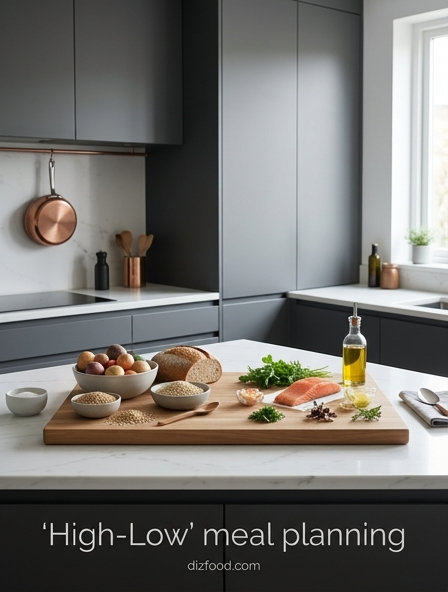
The High-Low cooking philosophy is a strategic approach to gastronomy that mirrors the fashion world's blend of designer pieces with everyday basics. In the kitchen, this translates to pairing inexpensive, bulk-bought staples with a few carefully curated, high-quality ingredients that transform the entire dining experience. It is not about constant indulgence, nor is it about restrictive austerity; rather, it is a conscious decision-making process regarding where to allocate financial resources for maximum sensory impact. By identifying which ingredients act as the "workhorses" and which act as the "stars," a home cook can achieve a level of culinary sophistication usually reserved for fine-dining establishments.
- The Foundation: Low-cost carbohydrates and legumes like rice, beans, and potatoes.
- The Accent: Premium additions like truffle salt, saffron, or single-origin olive oil.
- The Goal: Achieving a high "perceived value" through contrast and texture.
This philosophy encourages culinary creativity, forcing one to think about how a simple bowl of lentils can be elevated by a splash of authentic aged balsamic. It empowers individuals to enjoy luxury daily without the prohibitive cost of a fully premium grocery list, ensuring every meal feels like an event.
Strategic Sourcing for Gourmet Staples
To master the High-Low method, one must become a savvy navigator of the supply chain. Strategic sourcing involves identifying which items are worth the premium price tag and which can be purchased at the lowest possible cost without sacrificing safety or basic utility. For the "Low" components, look toward ethnic grocery stores and wholesale clubs, where items like dry grains, spices, and aromatics are sold at a fraction of the cost found in boutique markets. For the "High" components, focus on transparency and provenance.
| Ingredient Category | Sourcing Strategy | Priority Level |
|---|---|---|
| Grains & Legumes | Bulk wholesale bins | Low Cost |
| Fats & Oils | Specialty importers | High Quality |
| Spices | Ethnic markets | Bulk Savings |
| Finishing Salts | Artisanal producers | Premium Investment |
Investing in a single bottle of cold-pressed, harvest-dated olive oil can improve fifty meals, whereas spending excessively on organic canned beans offers a diminishing return on flavor. The key is to spend where the tongue notices the difference most acutely, such as in fats, acids, and finishing seasonings.
Elevating Humble Grains with Premium Fats
Grains and starches are the bedrock of budget-friendly meal planning, but they often suffer from a lack of character when prepared with standard margarines or neutral oils. The High-Low technique dictates that these "Low" foundations should be hydrated and finished with "High" fats to create a luxurious mouthfeel. A standard bag of white rice, costing pennies per serving, becomes a centerpiece when finished with cultured grass-fed butter or a drizzle of toasted sesame oil from a small-batch producer. This approach leverages the fat's ability to carry flavor molecules across the palate, making the entire dish taste expensive.
- Cultured Butter: Fold into polenta or mashed potatoes for deep tang and creaminess.
- Duck Fat: Use for roasting basic root vegetables to achieve a crisp, savory crust.
- Extra Virgin Olive Oil: Drizzle over cold grain salads just before serving to preserve volatile aromas.
- Bone Marrow: Melt into simple risottos for an intense, meaty depth.
By focusing on the quality of the fat, you transform the texture of the grain from a mere filler into a silken, gourmet component. This ensures that even the most economical meals possess the richness associated with professional kitchen standards.
Mastering the Focal Point Protein Strategy
Protein is traditionally the most expensive part of any meal. In a High-Low framework, the focal point protein strategy suggests two paths: using a small amount of a very high-quality protein or using a large amount of a low-cost cut prepared with high-end techniques. If you choose a premium protein, such as sea scallops or wagyu beef, it should be the star of the plate, supported by voluminous, inexpensive sides like charred cabbage or pureed parsnips. This allows the luxury ingredient to shine without requiring a massive portion size to satisfy hunger.
Conversely, when working with "Low" proteins like chicken thighs or pork shoulder, the "High" element is introduced through the preparation. Using a complex mirepoix, long braising times, or finishing with a splash of expensive fortified wine can bridge the gap. This strategy ensures that the protein always feels intentional rather than opportunistic. By balancing the portion size of luxury meats with the abundance of creative vegetable preparations, you maintain a healthy budget while still indulging in the finest products the butcher or fishmonger has to offer.
Balancing Cost with Artisanal Finishing Touches
The final moments of food preparation are where the High-Low philosophy truly manifests. Finishing touches-often referred to as "the garnishes"-are frequently overlooked but provide the most immediate sensory impact. An artisanal finishing touch is a high-cost, low-volume ingredient used sparingly at the very end of the cooking process. Because these items are used by the pinch or the drop, a single purchase can last for months, making the "per-meal" cost surprisingly low. These elements provide the aromatic punch and visual flair that distinguish a home-cooked meal from a restaurant-quality dish.
- Maldon Sea Salt: Provides a clean crunch and bursts of salinity that table salt cannot replicate.
- Aged Parmigiano-Reggiano: A small grating adds massive umami depth to simple pasta.
- Micro-Herbs: Freshness and concentrated flavor that elevates the visual profile.
- Balsamic Glaze: A reduction of high-quality vinegar adds sweetness and acidity to savory dishes.
By keeping these "jewelry" ingredients in your pantry, you can take a standard Tuesday night stew and turn it into a complex, multi-layered experience. The contrast between the humble base and the sophisticated finish creates a dynamic palate profile.
Professional Flavor Profiles on a Budget
Creating professional flavor profiles does not require a kitchen full of expensive delicacies; it requires an understanding of how to balance basic tastes: sweet, sour, salty, bitter, and umami. The High-Low approach uses "Low" aromatics like onions, garlic, and celery as the foundation, then introduces "High" complexity through fermentation and acidity. Vinegar, for instance, is one of the most cost-effective ways to brighten a dish. While a basic white vinegar works for cleaning, investing in a high-quality sherry vinegar or champagne vinegar can fundamentally alter the brightness of a sauce.
Umami is another area where High-Low strategies excel. Instead of expensive truffles, one can use dried porcini mushrooms or high-quality fish sauce to add depth. These ingredients provide a "meatiness" to plant-based or low-cost meals, tricking the brain into perceiving a much richer experience. Mastering these profiles involves learning when to add a touch of honey to balance a bitter green or a splash of lime to cut through a fatty roast. When the balance is perfect, the perceived quality of the ingredients rises, making the overall meal feel curated and professionally executed.
Techniques for Restaurant Texture at Home
Texture is often the missing link between home cooking and professional fare. High-Low meal planning emphasizes using advanced techniques to transform inexpensive ingredients into something with a sophisticated mouthfeel. The Maillard reaction-the chemical reaction between amino acids and reducing sugars that gives browned food its distinctive flavor-is a free "technique" that elevates cheap cuts of meat. Similarly, emulsification can turn basic oil and vinegar into a silky, luxurious vinaigrette that clings to greens rather than pooling at the bottom of the bowl.
- Sous Vide: Turns tough, inexpensive cuts of beef into tender, steak-like textures.
- Velveting: A Chinese technique using cornstarch and egg whites to keep lean meats succulent.
- Dehydration: Using a low oven to turn fruit or vegetable skins into crispy, concentrated garnishes.
- Triple-Cooking: Ensuring starches like potatoes are fluffy inside and glass-like outside.
By focusing on the physical state of the food, you remove the "budget" stigma. A perfectly crispy chicken skin or a smooth-as-silk vegetable puree feels like luxury, regardless of the ingredient's market price. Technique is the great equalizer in the High-Low kitchen.
The High-Low Pantry Organization Guide
A well-organized pantry is the engine of the High-Low system. It requires a clear distinction between "bulk" storage and "boutique" storage. Bulk items, such as twenty-pound bags of rice or large containers of flour, should be stored in airtight, transparent bins to maintain freshness and track inventory. These are the "Low" foundations that provide the calories for your meal plan. In contrast, "High" ingredients-those expensive oils, rare spices, and delicate nuts-require more protective storage to prevent oxidation and flavor loss.
Keep your premium oils in a cool, dark cupboard away from the stove's heat. Delicate spices should be kept in small glass jars and replaced or ground fresh to ensure their aromatic potency isn't wasted. Organization also involves "priming" your pantry with versatile luxury items. A single jar of high-quality anchovies or a tin of smoked Spanish paprika can serve as a "High" intervention for dozens of "Low" meals. By categorizing your kitchen this way, you can quickly identify how to balance a meal: if you are pulling a "Low" base from the bulk bin, you know exactly which "High" accent from the boutique shelf will complete the dish.
Visual Presentation and Plating Mastery
We eat first with our eyes, and plating is the most effective way to communicate luxury without spending a dime. The High-Low philosophy treats the plate as a canvas, where inexpensive components are arranged with the same care as a tasting menu. Utilizing negative space-the empty area on a plate-immediately signals a more refined dining experience. Instead of crowding a plate with a mountain of pasta, serve a smaller, tightly twirled nest in the center, garnished with a precise drizzle of premium oil and a few herb leaves.
Color and height are also essential tools. Propping a piece of protein against a mound of grains creates verticality, which is a hallmark of professional plating. Using a squeeze bottle for sauces or a simple ring mold for grains can transform a chaotic "Low" meal into a structured "High" masterpiece. Remember that contrast is key: a rustic, earthy stew looks significantly more expensive when served in a clean, white porcelain bowl with a bright, fresh garnish. Plating mastery allows the cook to control the narrative of the meal, proving that elegance is a matter of intention rather than just ingredient cost.
Sustainable Luxury Meal Prepping Tactics
Sustainable luxury in the High-Low kitchen means maximizing the utility of every premium ingredient. When you invest in a "High" item, such as a whole organic roast chicken or a wedge of expensive cheese, the goal is to stretch that luxury across multiple "Low" meals. The chicken carcass becomes a rich, golden stock for a simple noodle soup, and the cheese rind is simmered in a pot of basic beans to add depth and umami. This "cyclic" cooking ensures that nothing of value is wasted, effectively lowering the cost-per-use of your splurges.
| Luxury Investment | Initial "High" Use | Secondary "Low" Use |
|---|---|---|
| Whole Roast Duck | Confit Legs with Greens | Fat for Roast Potatoes |
| Fresh Herbs | Garnish for Fish | Pesto or Herb Oil |
| Parmesan Wedge | Shaved over Pasta | Rind in Minestrone |
| Fine Wine | Dinner Pairing | Pan Sauce Reduction |
This tactic transforms meal prepping from a chore of portioning bland food into a creative challenge of ingredient repurposing. It allows for a lifestyle that feels consistently upscale while remaining grounded in fiscal responsibility and environmental consciousness.

Comments