
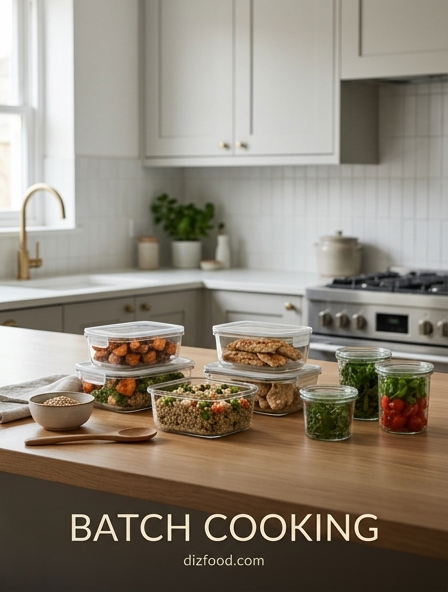
The Fundamentals of Batch Cooking
Batch cooking is a systematic approach to meal preparation where large quantities of food are cooked at once and portioned out for future consumption. The primary goal is to maximize efficiency in the kitchen, reducing the time spent on daily meal prep and minimizing overall energy consumption. By dedicating a single block of time-often on a weekend-to cooking, individuals can ensure they have nutritious, home-cooked meals ready throughout a busy work week. This method not only saves time but also significantly reduces food waste and household expenses.
Understanding the core principles of batch cooking involves recognizing the difference between ingredient prep and full-meal assembly. Some practitioners prefer to cook base components, while others complete entire dishes. The benefits of this practice include:
- Significant reduction in daily decision fatigue regarding meal choices.
- Better control over nutritional intake and portion sizes.
- Lower grocery bills through bulk purchasing of staple ingredients.
- Decreased reliance on processed convenience foods and expensive takeout.
- Reduced total kitchen cleanup time across the span of the week.
Essential Tools for High Efficiency
To execute a successful batch cooking session, having the right equipment is vital. High-capacity cookware allows for larger volumes of food to be processed simultaneously, preventing the need for multiple cooking cycles. Quality tools also ensure even cooking and better food safety. Investing in professional-grade items can make the difference between a stressful afternoon and a streamlined, productive experience.
| Tool Category | Recommended Items | Primary Purpose |
|---|---|---|
| Preparation | Chef's Knife, Large Cutting Board | Rapid chopping and dicing of bulk produce. |
| Cookware | 8-Quart Stockpot, Sheet Pans | Simmering soups and roasting large vegetable batches. |
| Appliances | Food Processor, Multi-cooker | Automating tedious tasks and hands-off cooking. |
| Storage | Glass Containers, Silicone Bags | Safe preservation and easy reheating of portions. |
Beyond basic cookware, digital scales and thermometers are essential for maintaining consistency and safety when handling large volumes of protein. Ensure all tools are cleaned and accessible before starting the session.
Strategic Meal Planning for Success
The success of a batch cooking session is determined long before the stove is turned on. Strategic planning involves analyzing your weekly schedule to determine how many meals are required and selecting recipes that share common ingredients. This minimizes the variety of items you need to buy and prep, allowing for a more focused workflow. A well-constructed plan balances nutrition, variety, and the physical constraints of your kitchen storage space.
- Audit your current pantry and freezer inventory to avoid redundant purchases.
- Select three to four versatile recipes that utilize overlapping ingredients like onions, grains, or proteins.
- Create a consolidated shopping list categorized by grocery store aisle to speed up procurement.
- Schedule a specific three-to-four-hour window for the cooking session to ensure no interruptions.
- Choose a mix of "active" recipes that require stove time and "passive" recipes for the oven or slow cooker.
By following these steps, you eliminate the chaos often associated with large-scale cooking. This structured approach ensures that you remain organized and that no ingredients are left to spoil in the refrigerator.
Mastering the Prep Phase
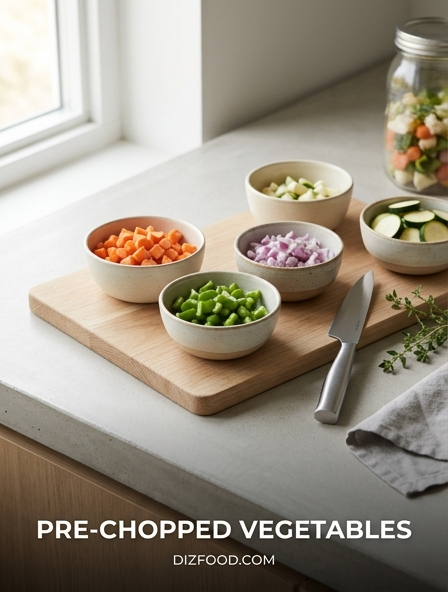
Preparation is the most labor-intensive part of batch cooking. Mastering this phase requires a "mise en place" mindset, where every ingredient is washed, peeled, chopped, and measured before any heat is applied. By grouping similar tasks together, such as dicing all onions for three different recipes at once, you drastically reduce the time spent switching between tools and cleaning your workspace. This assembly-line approach keeps the kitchen organized and prevents the common mistake of realizing an ingredient is missing mid-cook.
During the prep phase, focus on high-yield activities first. Start by soaking grains or marinating proteins, as these require passive time to develop flavor. Once the heavy chopping is finished, clear your station and organize the prepped items into bowls or containers labeled for their respective recipes. This level of organization allows you to transition into the actual cooking phase with speed and confidence. Maintaining a sharp knife and using a large bench scraper to move ingredients will further enhance your efficiency and prevent physical fatigue during the process.
Smart Storage and Preservation Solutions
Proper storage is the bridge between a successful cook day and a week of high-quality meals. Choosing the right containers is essential for maintaining texture and preventing freezer burn. Glass containers are often preferred for their versatility, as they can go from the freezer to the oven or microwave safely. Airtight seals are non-negotiable to maintain freshness and prevent odors from permeating the food. Furthermore, portioning meals into individual servings immediately after cooking makes them more convenient for daily use.
- Use uniform, stackable containers to maximize refrigerator and freezer shelf space.
- Label every container with the dish name and the date it was prepared.
- Allow hot food to cool to room temperature before sealing to prevent excess condensation.
- Leave a small amount of "headspace" in containers intended for the freezer to allow for liquid expansion.
- Utilize vacuum sealing for proteins or items intended for long-term storage beyond one week.
By implementing these storage solutions, you ensure that the effort put into cooking is preserved. Organising your fridge by "first-in, first-out" principles helps in consuming the oldest batches first, maintaining a fresh rotation of meals.
Maximizing Your Appliances Simultaneously
High-efficiency batch cooking relies on the simultaneous use of multiple kitchen appliances. Instead of cooking one dish at a time, you should aim to have something in the oven, something on the stovetop, and something in a countertop appliance like a slow cooker or air fryer. This multi-track approach allows you to finish a week's worth of food in a fraction of the time. The key is to balance recipes based on their "active" versus "passive" cooking requirements.
| Appliance | Best Use Case | Management Tip |
|---|---|---|
| Oven | Roasting vegetables or baking casseroles. | Use multiple racks and rotate pans halfway through. |
| Stovetop | Sautéing aromatics or simmering sauces. | Keep lids on to retain heat and speed up boiling. |
| Slow Cooker | Tough cuts of meat or hearty stews. | Set it early in the morning for zero-effort completion. |
| Air Fryer | Crisping proteins or small-batch sides. | Avoid overcrowding the basket for even airflow. |
While managing multiple heat sources, use timers for each appliance to prevent overcooking. This orchestration ensures that everything finishes within the same general window, making the final portioning and cleanup much easier.
Freezer Friendly Recipe Selection
Not every dish is suitable for batch cooking and freezing. Some ingredients, like cream-based sauces or delicate leafy greens, can break down or become unappealing after thawing. To ensure success, focus on recipes that are "structurally sound" and can withstand the expansion and contraction of freezing. Liquid-heavy dishes, such as soups, stews, and chilis, are ideal candidates because they maintain their moisture and often taste better as the flavors meld over time.
- Braised meats like pulled pork, beef brisket, or shredded chicken.
- Legume-based dishes including lentil soups, curries, and black bean stews.
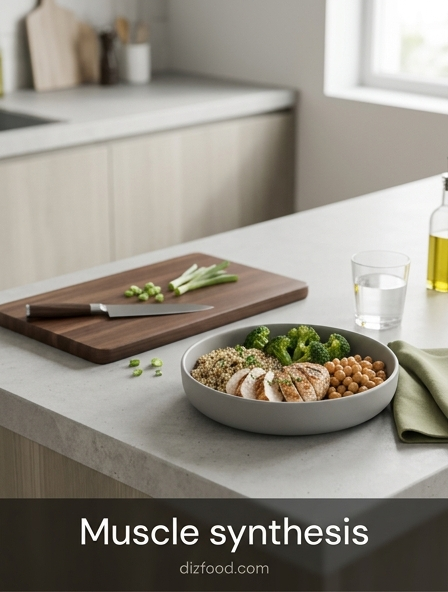
- Grain bowls using hearty grains like farro, quinoa, or brown rice.
- Baked items such as breakfast burritos, muffins, or savory egg bites.
- Tomato-based pasta sauces and meat-heavy ragus.
When selecting recipes, consider how the texture will change. Starchy components like potatoes can sometimes become grainy, while pasta is best slightly undercooked if it will be reheated later. Choosing the right recipes ensures that your prepped meals are just as satisfying as freshly cooked ones.
Efficient Reheating and Serving Methods
Reheating is the final step in the batch cooking cycle, and doing it correctly is vital for food safety and quality. The goal is to heat the food thoroughly without drying it out or making it rubbery. For the best results, thaw frozen meals in the refrigerator overnight rather than using a microwave's defrost setting. This gradual temperature change preserves the integrity of the proteins and vegetables. When reheating on the stove or in the microwave, adding a splash of water or broth can help restore moisture lost during storage.
To make batch-cooked meals feel fresh rather than like "leftovers," use simple finishing touches. Adding fresh herbs, a squeeze of citrus, or a sprinkle of toasted nuts just before serving can transform a stored meal. Using an air fryer for a few minutes can also crisp up items that may have softened in the fridge, such as roasted potatoes or breaded proteins. By treating the reheating process with as much care as the initial cook, you ensure that every meal remains a high-quality dining experience throughout the week.
Streamlining Post-Cook Cleanup
The aftermath of a batch cooking session can be overwhelming if not managed correctly. The secret to a stress-free cleanup is a "clean-as-you-go" philosophy. This means washing prep bowls, knives, and cutting boards during the passive windows when food is simmering or roasting. By the time the final dish is portioned and stored, the bulk of the cleaning should already be complete. Maintaining an organized workspace prevents the accumulation of clutter and makes the final scrub-down much faster.
- Fill the sink with hot, soapy water at the very start of your session to soak items immediately after use.
- Empty the dishwasher before you begin so it is ready to be loaded throughout the process.
- Wipe down countertops between the prep phase and the cooking phase to prevent cross-contamination.
- Use parchment paper or silicone mats on sheet pans to minimize scrubbing time later.
- Group dirty items by material-soak pots separately from delicate glassware or knives.
Following these steps ensures that the kitchen remains a functional environment and that the end of your cooking session isn't met with a mountain of dishes, preserving the time-saving benefits of the practice.
Maintaining Your Weekly Cooking Routine
Consistency is the most important factor in reaping the long-term benefits of batch cooking. It is easy to start with enthusiasm, but maintaining the habit requires discipline and realistic expectations. Do not feel obligated to cook every single meal for the entire week in one go. Starting with just two or three large-batch recipes can be more sustainable than attempting a full seven-day menu immediately. Find a rhythm that fits your lifestyle, whether that means a major Sunday session or two smaller sessions on Sunday and Wednesday.
Listen to your own preferences and adjust your routine accordingly. If you find yourself getting bored with the same meals, increase your repertoire of sauces or spices to vary the flavor profiles of the same base ingredients. Keeping a "success journal" of which recipes froze well and which ones your family enjoyed can help refine your future plans. Ultimately, batch cooking is a tool designed to serve you, providing freedom from the kitchen during your busiest days while ensuring you always have access to high-quality, nourishing food.

Comments