
Unlock your body's hidden potential by switching its primary fuel source from glucose to fat. Achieving peak metabolic performance isn't just about cutting calories; it's about mastering the biological state of ketosis. By strategically reducing carbohydrate intake, you can trigger rapid fat loss and maintain steady energy levels throughout the day without the frustration of sugar crashes. This metabolic shift optimizes how your cells utilize stored energy, turning you into an efficient fat-burning machine while simultaneously sharpening your mental clarity. It is a transformative journey toward total wellness that prioritizes nutrient-dense fats and high-quality proteins. To find the most effective nutritional strategy for your unique lifestyle, it is essential to understand the nuances of Keto Meal Planning Vs Paleo Meal Planning.

Keto Kitchen Essentials for Metabolic Efficiency
Maintaining a state of nutritional ketosis requires a kitchen environment optimized for high-fat, moderate-protein, and very low-carbohydrate food preparation. Metabolic efficiency is achieved when the body seamlessly transitions into fat oxidation, a process aided by having the correct tools on hand. High-quality cookware, such as heavy-bottomed cast iron skillets, allows for perfect searing of fatty cuts of meat while retaining the lipid profile of the cooking medium. Additionally, high-speed blenders are indispensable for emulsifying fats into beverages, ensuring that medium-chain triglycerides are easily absorbed for immediate cognitive energy.
- Cast Iron Skillet: Essential for heat retention and searing proteins without sticking.
- High-Speed Blender: Necessary for creating "bulletproof" coffee and smooth keto sauces.
- Digital Food Scale: Provides the precision required to ensure carbohydrate limits are never exceeded.
- Air Fryer: Facilitates rapid cooking of low-carb vegetables with minimal effort and maximum flavor.
- Immersion Blender: Ideal for making homemade mayonnaise and creamy avocado-based dressings.
By organizing the kitchen around these specific tools, the cook can minimize the friction associated with keto meal preparation. This structural efficiency translates directly into metabolic consistency, reducing the likelihood of reaching for high-carb convenience foods when time is limited.
Strategic Meal Planning for Rapid Fat Loss
Strategic meal planning is the cornerstone of a successful ketogenic protocol aimed at rapid body recomposition. To maximize fat loss, the planner must focus on nutrient density while strictly adhering to a caloric deficit that does not compromise metabolic rate. This involves pre-calculating the fatty acid profile of every meal to ensure that endogenous fat stores are being utilized alongside dietary fats. A well-structured plan prevents the "keto flu" by incorporating adequate electrolytes and hydration-heavy greens into every daily cycle.
- Calculate basal metabolic rate and adjust for a moderate caloric deficit.
- Prioritize high-quality protein sources to prevent muscle catabolism during weight loss.
- Allocate the remaining caloric budget to healthy fats such as avocado and olive oil.
- Schedule "carb-ups" or refeeds only if metabolic stalling occurs after several weeks.
- Prepare weekly grocery lists based strictly on seasonal low-carb produce and proteins.
Success in fat loss phases is rarely accidental; it is the result of meticulous planning and the removal of decision fatigue. When every meal is mapped out, the individual can focus on performance and recovery rather than macro-calculation at the point of consumption. This disciplined approach ensures that the body remains in a deep, fat-burning state of ketosis throughout the entire transformation period.
Optimizing Pantry Staples for Ketogenic Success
A ketogenic pantry should be a curated collection of ingredients that support insulin stability and provide a foundation for versatile cooking. Eliminating refined grains and sugars is only the first step; the second is populating the shelves with fiber-rich flours and stable fats. These staples allow for the creation of keto-friendly versions of traditional comfort foods, which increases long-term adherence to the lifestyle. Focus on items with a long shelf life that can be used to add texture and flavor without spiking blood glucose levels.
| Pantry Staple | Nutritional Role | Common Usage |
|---|---|---|
| Almond Flour | High Fiber / Low Carb | Baking and breading proteins |
| Coconut Milk | MCT Source | Curries and dairy-free lattes |
| Canned Sardines | Omega-3 Fatty Acids | Quick protein snack or salad topper |
| Psyllium Husk | Soluble Fiber | Binding agent in keto breads |
By keeping these items in stock, you ensure that a ketogenic meal can be prepared even when fresh groceries are running low. The goal is to build a pantry that serves as a metabolic safety net, providing all the necessary components for a high-fat meal at any time of day.
Precision Macro Tracking in the Kitchen
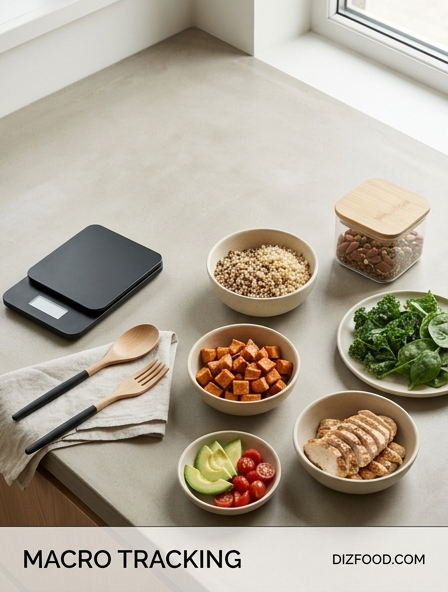
In the initial phases of a ketogenic diet, precision is paramount. Guessing the carbohydrate content of vegetables or the fat content of a ribeye can lead to accidental "kicking out" of ketosis. Tracking macronutrients involves more than just counting calories; it requires a deep understanding of the ratio between fats, proteins, and net carbs. Using digital tools and scales within the kitchen workflow transforms cooking from an art into a biological science, ensuring that the metabolic switch to fat-burning remains engaged without interruption.
- Weigh all ingredients raw to ensure the most accurate data input for tracking apps.
- Subtract fiber and sugar alcohols from total carbohydrates to calculate "net carbs."
- Monitor protein intake to avoid gluconeogenesis, where the body converts protein to glucose.
- Adjust fat ratios based on daily energy requirements and specific fat loss goals.
- Log meals in advance to see how dinner choices might affect the daily macro balance.
This level of detail may seem daunting initially, but it provides the data necessary to troubleshoot plateaus. When fat loss stalls, having a precise log of macro intake allows for targeted adjustments, such as reducing dairy or increasing sodium intake, to reignite the metabolic engine.
High Fat Cooking Oils for Maximum Ketosis
Not all fats are created equal in the context of a ketogenic kitchen. Choosing the right cooking oil depends on both the fatty acid profile and the smoke point of the lipid. For high-heat applications like searing or frying, it is vital to use saturated or monounsaturated fats that do not oxidize easily. Oxidized fats can cause systemic inflammation, which hinders the metabolic benefits of ketosis. By selecting oils that are stable and rich in medium-chain triglycerides, you provide the body with a clean fuel source that is readily converted into ketones by the liver.
| Oil Type | Smoke Point | Primary Benefit |
|---|---|---|
| Ghee | 485°F | Buttery flavor without lactose; very stable |
| Avocado Oil | 520°F | Highest smoke point; neutral taste |
| Tallow | 400°F | High in stearic acid for satiety |
| MCT Oil | Low | Immediate ketone production; use cold |
Integrating these oils into your daily routine ensures that your fat intake is functional rather than just caloric. Avoid refined seed oils like soybean or canola oil, as these are high in Omega-6 fatty acids which can be pro-inflammatory and disrupt the metabolic efficiency you are working to achieve.
Low Carb Produce Prep and Storage Techniques
Vegetables are the primary source of micronutrients and fiber in a ketogenic diet, but they require specific handling to maintain their low-glycemic properties. Produce prep should focus on volume and accessibility, ensuring that leafy greens and cruciferous vegetables are ready to be integrated into meals at a moment's notice. Proper storage is equally important to prevent moisture buildup, which can lead to wilting and nutrient loss. Mastering the art of "zoodling" or "ricing" vegetables can also provide the satisfying textures of traditional high-carb sides without the associated insulin spike.
- Wash and thoroughly dry leafy greens before storing them in paper-towel-lined containers.
- Pre-spiralize zucchini and salt them to draw out excess water before cooking.
- Pulse cauliflower in a food processor and freeze in portions for quick "rice" dishes.
- Store asparagus and herbs upright in water to extend their freshness and crispness.
- Blanch broccoli and cauliflower to reduce bitterness and speed up weeknight stir-frying.
By treating produce with this level of care, you make the healthy choice the easy choice. Having a fridge stocked with prepped, low-carb vegetables makes it simple to add bulk and nutrition to fatty protein sources, ensuring satiety while keeping net carbohydrate counts well within the target range for deep ketosis.
Batch Cooking Strategies for Sustained Performance
Batch cooking is a high-leverage activity that ensures nutritional compliance during high-stress periods. For the keto athlete or busy professional, spending a few hours on the weekend to prepare bulk proteins and fats can mean the difference between staying in ketosis and falling off the wagon. The goal of batch cooking in a ketogenic context is to create "modular" components that can be mixed and matched throughout the week. This prevents flavor fatigue while ensuring that every meal meets the necessary macronutrient requirements for sustained cognitive and physical performance.
- Slow-cook large batches of fatty meats like pork shoulder or beef chuck for easy shredding.
- Hard-boil a dozen eggs at once for a portable, high-fat snack or salad addition.
- Bake multiple trays of bacon to use as a flavor enhancer and fat source for various dishes.
- Prepare large quantities of keto-friendly sauces, such as pesto or aioli, to add healthy fats.
- Portion out nuts and seeds into small containers to prevent mindless overconsumption of calories.
This systematic approach to the kitchen minimizes the time spent cleaning and cooking daily. When the fridge is filled with ready-to-eat keto components, maintaining metabolic flexibility becomes a passive process rather than a constant struggle of willpower.
Eliminating Metabolic Disruptors from Your Kitchen
A kitchen "purge" is often necessary to remove hidden obstacles that prevent the body from entering deep ketosis. Many processed products marketed as healthy contain hidden sugars, starch-based thickeners, or inflammatory seed oils that can stall fat loss and cloud mental clarity. By auditing every label and removing these disruptors, you create a safe environment where every item supports your metabolic goals. This process is about more than just avoiding carbs; it is about eliminating substances that interfere with hormonal signaling and insulin sensitivity.
- Discard all refined vegetable oils, including corn, soy, and cottonseed oils.
- Remove any condiments containing high-fructose corn syrup or maltodextrin.
- Donate unopened bags of flour, sugar, and high-carb grains to clear shelf space.
- Check "keto" snacks for artificial sweeteners like maltitol that can raise blood sugar.
- Replace processed soy products with high-quality animal proteins or fermented options.
Creating a "clean" kitchen environment reduces the cognitive load of dieting. When there are no metabolic disruptors within reach, the body is forced to rely on its fat-burning machinery, leading to faster results and a more stable energy profile throughout the day.
Time Saving Meal Prep for Busy Fat Loss Phases
During intense fat loss phases, efficiency is key to maintaining a caloric deficit without feeling overwhelmed by food preparation. Time-saving meal prep focuses on high-yield activities that require minimal active kitchen time. Utilizing modern appliances like pressure cookers or slow cookers allows for the preparation of tender, fatty meats with the push of a button. Additionally, mastering the "sheet pan" method-roasting proteins and low-carb vegetables together-streamlines both the cooking and cleaning processes, making a ketogenic lifestyle sustainable even for those with demanding schedules.
- Use a pressure cooker to turn tough, inexpensive cuts of meat into tender meals in under an hour.
- Opt for frozen vegetables, which are often pre-washed and chopped, saving significant prep time.
- Cook "one-pan" meals to minimize the number of dishes and kitchen cleanup required.
- Prepare double portions of dinner and use the leftovers for a quick, grab-and-go lunch.
- Keep high-quality canned proteins, like tuna or salmon, for meals that require zero cooking.
The objective is to remove the "time" barrier to healthy eating. By simplifying the mechanics of meal preparation, you ensure that even on your busiest days, you can provide your body with the high-fat fuel it needs to maintain ketosis and continue the fat loss process.
Kitchen Tools to Simplify Ketogenic Meal Planning
Modern technology and specialized kitchen gadgets can significantly lower the barrier to entry for a ketogenic lifestyle. These tools are designed to handle the unique requirements of high-fat cooking, such as creating fat-based emulsions or processing fibrous vegetables into palatable alternatives for grains. Investing in a few key pieces of equipment can transform the kitchen into a high-efficiency laboratory for fat loss. These tools not only save time but also expand the variety of textures and flavors available within a restricted carbohydrate framework.
| Tool | Primary Function | Keto Benefit |
|---|---|---|
| Spiralizer | Creating vegetable noodles | Replaces high-carb pasta with zucchini |
| Food Processor | Ricing and chopping | Makes cauliflower rice in seconds |
| Silicone Molds | Fat bomb preparation | Ensures consistent portion sizes for treats |
| Vacuum Sealer | Long-term storage | Prevents freezer burn on bulk meat purchases |
By utilizing these specialized tools, the ketogenic cook can replicate the mouthfeel of traditional high-carb dishes, which is vital for long-term psychological satisfaction. Technology, when applied strategically in the kitchen, becomes a powerful ally in the pursuit of metabolic health and sustainable fat loss.


Comments