
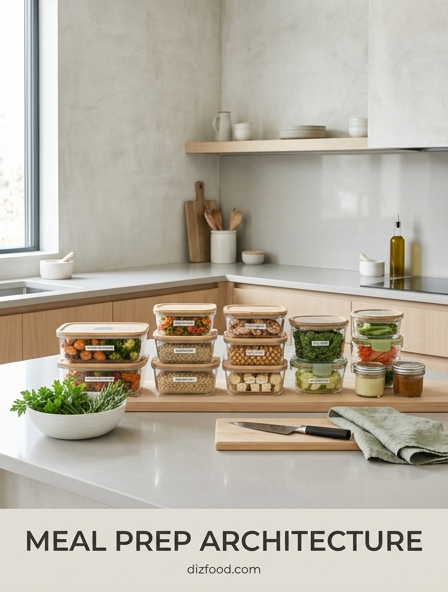
Defining Your Meal Prep Style
Success in the kitchen begins with a clear understanding of your culinary personality and lifestyle requirements. Meal prep is not a one-size-fits-all discipline; it requires an architectural approach tailored to how you actually consume food. Some individuals prefer the "Full Meal" approach, where entire dishes are cooked and portioned into individual containers. Others find this too restrictive and prefer "Component Prep," which focuses on preparing bulk elements like grains, proteins, and roasted vegetables to be assembled dynamically throughout the week.
- The Gourmet Prep: High-effort recipes prepared in advance for those who refuse to sacrifice variety.
- The Fuel Prep: Macro-balanced, repetitive meals designed for fitness goals and efficiency.
- The Ingredient Prep: Focused entirely on washing, chopping, and marinating to reduce active cooking time later.
By identifying which style resonates with your palate and your patience, you prevent the common pitfall of "prep burnout." Acknowledge your tolerance for leftovers and your desire for freshness before committing to a specific architectural framework for your weekly menu.
Assessing Your Weekly Schedule Needs
Before touching a knife or a stove, you must conduct a structural audit of your upcoming week. Your kitchen architecture must support your external commitments, or the system will collapse under the pressure of a busy Wednesday. Identifying "danger zones"-those nights when work runs late or social obligations arise-allows you to allocate your prepped resources more effectively. Use a simple matrix to determine which days require fully heat-and-eat meals versus days where you have twenty minutes for light assembly.
| Day Type | Cooking Capacity | Prep Requirement |
|---|---|---|
| High Intensity | Zero Minutes | Fully cooked, microwave-ready |
| Moderate Flow | 15-20 Minutes | Pre-chopped, quick sauté items |
| Low Intensity | 45+ Minutes | Fresh assembly or slow-cooker finish |
This assessment ensures you are not over-preparing fresh produce that will wilt or under-preparing on nights when you are most likely to succumb to expensive takeout. Planning your kitchen output around your energy levels is the cornerstone of a sustainable meal prep architecture.
The Batch Cooking Strategy Breakdown
Batch cooking is the heavy machinery of the meal prep world. It involves the production of large quantities of a single recipe that can be consumed immediately or frozen for the future. This strategy is most effective for liquid-based dishes or braised meats that maintain their structural integrity and flavor profile over time. When designing a batch cooking session, the architecture should prioritize "foundation recipes" that are versatile enough to be modified throughout the week.
- Select a high-volume base recipe such as a chili, stew, or roasted protein.
- Calculate the total servings needed to cover specific calendar gaps.
- Execute the cook using the largest vessels in your kitchen to maximize efficiency.
- Cool the food rapidly to maintain safety standards and texture.
- Portion into airtight containers, labeling clearly with the date and contents.
The primary benefit of batch cooking is the reduction of total kitchen cleanup. By consolidating the mess into one afternoon, you reclaim hours of evening time. This method relies heavily on storage capacity, making it essential to have a consistent set of stackable containers.
Buffet Style Component Preparation Benefits
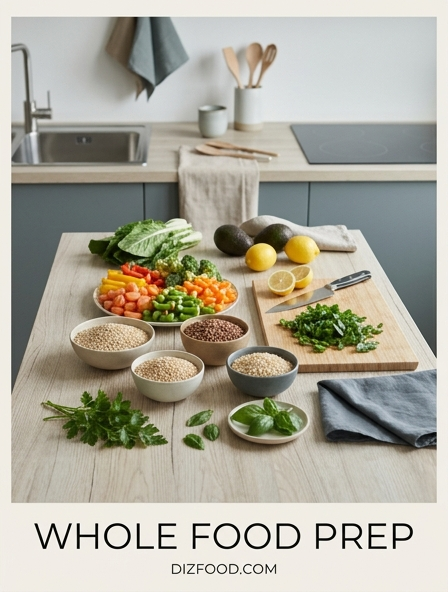
Buffet-style prep is the most flexible architectural model for those who crave variety and struggle with "leftover fatigue." Instead of committing to a finalized dish, you prepare various modular building blocks. This allows for a "mix-and-match" experience at dinner time, where the same ingredients can become a grain bowl, a taco, or a salad depending on your mood. This system mimics a high-end salad bar or a commercial kitchen line.
- Versatility: Swap sauces and seasonings to change the flavor profile of the same protein.
- Freshness: Components stay crisper and more vibrant when stored separately.
- Reduced Waste: Use leftovers in different formats to ensure nothing is discarded.
- Customization: Perfect for households with differing dietary needs or picky eaters.
By focusing on the architecture of individual components, you empower yourself to be creative during the week without the burden of starting from scratch. It bridges the gap between the rigidity of traditional meal prep and the spontaneity of daily cooking.
Prepped Ingredient Architecture for Quick Cooking
For many, the joy of cooking lies in the heat and the sizzle, but the dread lies in the preparation. Ingredient prep architecture focuses on the "mise en place" philosophy, where all elements are cleaned, sliced, diced, and measured before the work week begins. This method reduces a sixty-minute recipe to a twenty-minute execution. It is particularly effective for stir-frys, sheet-pan dinners, and pastas where the cook time is naturally short but the prep time is significant.
- Process all hardy vegetables like carrots, peppers, and onions at once.
- Marinate proteins in sealed bags or containers to tenderize and flavor.
- Pre-make sauces and dressings that can sit in the refrigerator for 5-7 days.
- Wash and dry leafy greens thoroughly to extend their shelf life.
By handling the "friction points" of a recipe ahead of time, you remove the mental barrier to cooking on a weeknight. This architectural style ensures that the kitchen remains a place of assembly rather than a place of labor during your busiest hours.
The Freezer First Assembly Method
The freezer is the most underutilized tool in meal prep architecture. The "Freezer First" method focuses on assembling raw ingredients into "dump bags" or containers that are meant to be cooked later in a slow cooker, pressure cooker, or oven. This eliminates the degradation of texture that can occur when reheating already-cooked food. It is an ideal strategy for long-term planning, allowing you to prepare two weeks of food in a single afternoon without cluttering your refrigerator.
| Method | Best Food Types | Instruction |
|---|---|---|
| Flash Freeze | Berries, Meatballs, Gnocchi | Freeze on a flat tray before bagging. |
| Dump Bags | Soups, Pot Roasts, Curries | Combine all raw ingredients and freeze flat. |
| Par-Cooking | Rice, Quinoa, Grains | Cook 80%, freeze, and finish during reheat. |
This approach protects your investment. If your plans change and you eat out, your prepped meals don't spoil in the fridge; they remain safe in the freezer for when you truly need them.
Matching Prep Volume to Kitchen Layout
Your physical kitchen environment dictates the scale of your meal prep architecture. A studio apartment kitchen requires a different workflow than a suburban kitchen with a double oven and a kitchen island. Attempting a massive batch-cook in a space without adequate counter surface or cooling areas leads to frustration and cross-contamination risks. Understanding your "work triangle"-the space between the sink, stove, and refrigerator-is vital for maintaining an efficient flow.
- Vertical Space: Use stackable cooling racks and containers to maximize small footprints.
- Zone Management: Designate specific areas for chopping, assembly, and "dirty" dishes.
- Storage Audit: Ensure your refrigerator shelving is optimized before you start cooking.
- Clean as You Go: Maintain the architecture by clearing the sink every 30 minutes.
By scaling your prep goals to fit your available square footage, you ensure the process remains manageable. Small-space prep requires more frequent, smaller sessions, while larger kitchens can handle "mega-prep" events every two weeks.
Budget Friendly Meal Planning Frameworks
Meal prep is a financial strategy as much as a culinary one. The architecture of a budget-friendly plan relies on the "inverted pyramid" of purchasing: buying bulk staples at the base and specific, expensive garnishes at the top. By focusing on seasonal produce and versatile grains, you can lower the cost per serving significantly. A successful framework involves cross-utilizing ingredients across multiple meals to ensure no single item is purchased for only one use.
- Audit your pantry and freezer first to avoid duplicate purchases.
- Select a "theme" ingredient for the week that can be bought in bulk (e.g., a large pork shoulder or a 5lb bag of potatoes).
- Map out three distinct ways to use that bulk item to avoid monotony.
- Utilize frozen vegetables for out-of-season nutrients at a lower price point.
Efficiency in purchasing translates directly to kitchen efficiency. When you master the architecture of the grocery list, the actual cooking process becomes more streamlined because you are working with a cohesive set of ingredients rather than a chaotic assortment of one-offs.
Scaling Your System for Family Size
As the number of people in a household increases, the meal prep architecture must shift from individual portioning to bulk storage and family-style serving. For families, the goal is often to minimize the time spent in the kitchen during the "witching hour" before dinner. This requires larger storage vessels and a focus on meals that can be easily customized for children or those with specific dietary preferences. The complexity of the system increases with the headcount, necessitating clearer labeling and more robust inventory management.
| Family Size | Core Strategy | Storage Choice |
|---|---|---|
| 1-2 People | Individual Portions | 3-Cup Glass Containers |
| 3-5 People | Component Trays | Large Sheet Pans / Deep Tubs | Industrial Batching | Full-Size Hotel Pans / Extra Freezer |
Scaling also involves involving family members in the prep process. When children help with "ingredient architecture," they are more likely to consume the final product. The system must be durable enough to withstand the varied schedules of a busy household.
Maintaining Your Meal Prep Routine Long Term
The greatest challenge in kitchen architecture is not the initial design, but the long-term maintenance of the routine. Habits fail when they are too rigid or too ambitious. To sustain a meal prep system, you must build in "buffer days" and allow for "zero-prep" weeks when life becomes overwhelming. The architecture should be flexible, allowing you to cycle between intense prep periods and lighter "maintenance" phases. Rotation is key to preventing boredom; never eat the same meal more than three days in a row.
- The 80/20 Rule: Prep 80% of your meals, leave 20% for spontaneity.
- Theme Nights: Use recurring themes (Taco Tuesday) to simplify decision-making.
- Equipment Upgrades: Invest in high-quality knives and containers to make the work more enjoyable.
- Review and Adjust: Every month, assess what worked and what ended up in the trash.
Consistency is born from a system that serves you, rather than you serving the system. By treating your meal prep as an evolving architectural project, you can adapt to new seasons, health goals, and life changes without losing the foundation of organized eating.

Comments