
Ever feel overwhelmed by the daily question of what's for dinner? Reclaiming your evenings is simpler than you think with effective kitchen strategies designed to eliminate decision fatigue and save precious time. By organizing your workspace and prepping key ingredients in advance, you remove the mental hurdles that often make cooking feel like an exhausting chore. Streamlining your routine ensures you always have a plan, allowing you to enjoy healthy, home-cooked meals without the last-minute stress or pricey takeout. To find the perfect meal-prep rhythm for your busy lifestyle, compare the benefits of Batch Cooking Vs Cook Once Eat Twice.
Mastering a Consistent Weekly Meal Rotation
Decision fatigue often peaks at 5:00 PM when the mental energy required to choose a meal from infinite possibilities is depleted. Establishing a consistent weekly meal rotation eliminates the "what's for dinner" dilemma by narrowing your choices to a high-quality, pre-selected list. This system does not mean eating the same bland food every day; rather, it provides a dependable framework that allows for variety within a structure. By selecting 10 to 14 go-to meals that your household enjoys, you can rotate them bi-weekly to keep the palate engaged while drastically reducing cognitive load.
- Reduced mental overhead during grocery shopping and meal preparation.
- Predictable prep times that fit into your specific daily schedule.
- Fewer impulse purchases or expensive last-minute takeout orders.
- Mastery over specific recipes, leading to faster and more efficient cooking.
To implement this, start by listing every meal you have cooked in the last month that was well-received. Filter these by prep time and ingredient availability. Once you have your core set, assign them to specific days based on your weekly commitments. This creates a rhythm where the brain no longer views cooking as a series of complex choices, but as a simple, automated execution of a plan.
Building a Capsule Pantry for Fast Assembly
Much like a capsule wardrobe, a capsule pantry consists of versatile, high-quality essentials that can be combined in numerous ways to create a meal. When your pantry is cluttered with specialty ingredients used only once, finding what you need becomes a chore that exacerbates decision fatigue. By stripping back your inventory to a core set of multi-purpose items, you simplify the visual landscape of your kitchen and streamline the assembly process. This approach ensures that you always have the components for a complete meal without needing to follow a complex recipe.
| Category | Capsule Essentials |
|---|---|
| Base Grains | Quinoa, Brown Rice, Pasta, Oats |
| Proteins | Canned Beans, Lentils, Canned Tuna, Nut Butters |
| Flavor Agents | Olive Oil, Soy Sauce, Dijon Mustard, Apple Cider Vinegar |
| Spices | Sea Salt, Black Pepper, Garlic Powder, Smoked Paprika |
Maintaining this curated inventory allows for "formula cooking." Instead of searching for a recipe, you simply pick a grain, a protein, and a flavor agent. This method reduces the friction of starting a meal, ensuring that even on your most exhausted days, a nutritious dinner is only ten minutes away.
The Power of Theme Nights to Simplify Choices
Theme nights are one of the most effective psychological tools for overcoming kitchen decision fatigue. By assigning a specific genre of food to each day of the week, you create a "bounded choice" environment. You are no longer choosing from every cuisine on earth; you are merely choosing which specific taco to make on Taco Tuesday. This creative constraint actually boosts kitchen productivity and makes the planning process enjoyable rather than overwhelming. Themes provide a sense of anticipation and ritual for the family, turning a mundane chore into a structured event.
- Meatless Monday: Focus on legumes, grains, and hearty vegetables.
- Taco Tuesday: Variations of tacos, fajitas, or burrito bowls.
- Pasta Wednesday: Rapid-cook noodles with various sauces or pestos.
- Stir-Fry Thursday: Clearing out the vegetable drawer with a quick wok meal.
- Pizza Friday: Homemade dough or pre-made crusts with custom toppings.
The beauty of this system lies in its flexibility. While the category is fixed, the ingredients can shift based on seasonality or what is currently in your refrigerator. This balance of structure and variety is the key to maintaining a sustainable kitchen routine without burning out.
Strategic Batch Prepping for Busy Weeknights
The physical act of chopping, measuring, and sautéing every single night can lead to significant cooking fatigue. Strategic batch prepping involves shifting the labor-intensive parts of cooking to a single window of time, usually over the weekend. By preparing components rather than full meals, you maintain the freshness of your food while cutting down weeknight active time to mere minutes. This proactive approach ensures that when you arrive home tired, the hardest part of the work is already finished, making it easier to choose home cooking over convenience foods.
- Wash and chop all hardy vegetables like carrots, peppers, and broccoli.
- Cook a large batch of a versatile grain, such as rice or farro, to use across three days.
- Prepare a "mother sauce" or dressing that can be used for salads, bowls, or marinades.
- Portion out snacks or breakfast items to prevent mid-day decision points.
When your fridge is filled with "ready-to-use" building blocks, the barrier to entry for cooking is lowered. You are no longer faced with a daunting task; you are simply assembling pre-prepped parts into a cohesive and healthy whole.
Organizing Your Kitchen for Seamless Workflow
A disorganized kitchen is a primary contributor to decision fatigue and mental stress. If you have to move three pots to find a skillet or dig through a cluttered drawer for a whisk, your brain registers the environment as high-friction. Organizing your kitchen for workflow means placing tools and ingredients exactly where they are used. This concept, known as "mise en place" for the entire room, ensures that your physical movements are intuitive and unobstructed, allowing you to focus your limited mental energy on the cooking process itself.
- The Heat Zone: Keep oils, salt, and frequently used spatulas near the stove.
- The Prep Zone: Store cutting boards and knives close to the main counter space.
- The Cleaning Zone: Keep dish towels and soaps accessible near the sink.
- The Storage Zone: Group clear containers near the area where you pack leftovers.
By minimizing the "search and retrieve" time, you transform the kitchen into a high-efficiency workspace. Clear counters and logically grouped items provide a sense of calm, making it much more likely that you will enjoy the process of preparing a meal rather than viewing it as another complex problem to solve.
Automating Grocery Lists and Inventory Management
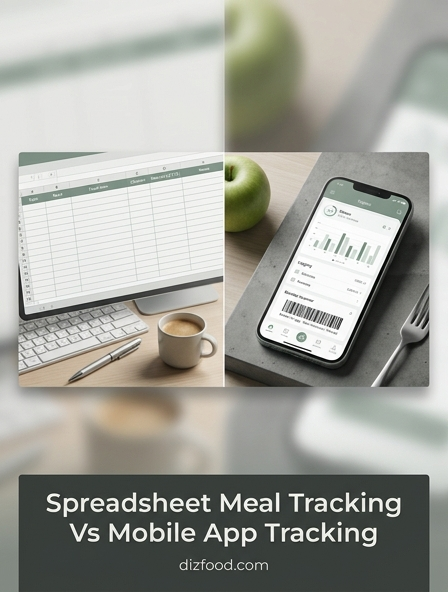
The mental labor of remembering what you have and what you need is a hidden drain on your cognitive resources. Automating your grocery list removes the need for a weekly "pantry audit" and prevents the frustration of realizing you are missing a key ingredient halfway through a recipe. Utilizing digital tools or simple physical systems allows you to track inventory in real-time, ensuring that your kitchen stays stocked with the essentials for your meal rotation without requiring constant active thought.
- Use a shared digital app where family members can add items as they run out.
- Set up recurring deliveries for non-perishable staples like coffee, oil, and rice.
- Maintain a "running list" on the refrigerator for immediate logging of empty containers.
- Order groceries online to avoid the sensory overload and impulse decisions of in-store shopping.
When the procurement of food becomes a background process rather than a weekly crisis, you reclaim mental space. This automation ensures that your "Capsule Pantry" is always functional, providing a reliable foundation for your daily meals without the need for constant management or last-minute trips to the store.
One-Pan Cooking to Minimize Cleanup Time
Anticipating a mountain of dirty dishes is a major factor in the decision to skip cooking and order out. One-pan cooking addresses this by streamlining both the preparation and the cleanup process. Whether using a sheet pan, a cast-iron skillet, or a heavy-bottomed pot, these meals prioritize simplicity and flavor concentration. By limiting the number of cooking vessels, you significantly reduce the post-dinner labor, making the entire experience of home cooking feel lighter and more manageable for the weary mind.
| Vessel Type | Ideal Meal Types | Primary Benefit |
|---|---|---|
| Sheet Pan | Roasted Veggies & Sausages | Even browning; no active stirring |
| Dutch Oven | Slow-cooked stews and soups | Retains heat; serves a crowd |
| Large Skillet | Quick stir-fries and pasta tosses | Fast heat transfer; high control |
Embracing the one-pan philosophy encourages you to look for recipes that maximize efficiency. It changes the mental narrative from "cooking is a mess" to "cooking is a streamlined activity." This shift in perspective is crucial for maintaining a long-term, low-stress kitchen habit.
Repurposing Ingredients to Reduce Cooking Fatigue
The "cook once, eat twice" strategy is a powerful antidote to the exhaustion of starting from scratch every evening. Repurposing ingredients involves intentionally cooking larger quantities of specific components to use in entirely different ways later in the week. This is distinct from eating leftovers, which can feel repetitive and uninspiring. Instead, you are treating your initial efforts as an investment in future meals, allowing you to enjoy fresh-tasting dinners with a fraction of the work on subsequent nights.
- Roast two chickens on Sunday; use one for dinner and shred the other for salads and tacos.
- Boil a large pot of potatoes; serve them mashed on night one and pan-fried on night two.
- Make a double batch of roasted vegetables to be used in a frittata or grain bowl.
- Prepare a large quantity of basic tomato sauce that can be spiced differently for various cuisines.
This modular approach to cooking reduces the number of decisions you have to make throughout the week. Because half the meal is already prepared, the mental barrier to finishing the dish is significantly lowered, ensuring consistency even during high-stress periods.
Setting Up a Low-Stress Morning Kitchen Routine
Decisions made in the morning can set the tone for the entire day. If your kitchen is cluttered or your coffee supplies are hard to find, you begin your day with a "micro-stress" that compounds by evening. A low-stress morning routine involves "resetting" the kitchen the night before. This ensures that when you walk into the room, it is a place of utility and calm rather than a reminder of unfinished chores. By automating the first thirty minutes of your kitchen use, you preserve your mental energy for more important tasks later in the day.
- Clean the sink and clear the counters every night before bed.
- Pre-set the coffee maker or prep the tea kettle so it is ready to toggle on.
- Decide on breakfast and set out any non-perishable ingredients or tools.
- Pack lunches or prep snacks for the day ahead of time.
Starting with a clean slate prevents the immediate onset of decision fatigue. When the path to your first cup of coffee and your first meal is cleared of obstacles, you approach the rest of your kitchen-related decisions with more patience and clarity.
Eliminating Decision Fatigue with Pre-Planned Menus
The ultimate solution to decision fatigue is the total removal of choice through pre-planned menus. This involves creating a monthly or even seasonal calendar that dictates exactly what will be served each day. While this may sound rigid, it provides immense freedom. When the plan is already made, you are freed from the daily anxiety of choice. You can shop in bulk, prepare in advance, and move through your day with the confidence that the evening meal is already handled. This strategy is particularly effective for busy professionals and families.
- Create four distinct weekly menus and rotate them throughout the month.
- Align your menus with seasonal produce to ensure freshness and lower costs.
- Include one "flex night" for leftovers or spontaneous outings to maintain balance.
- Keep a digital or physical folder of the exact recipes for each menu day.
By moving the decision-making process to a time when you are rested and focused, you eliminate the possibility of poor choices made under pressure. Pre-planned menus transform the kitchen from a source of daily stress into a well-oiled machine that supports your health and well-being without constant intervention.

Comments