
Choosing between stainless steel and non-reactive ceramic can redefine your culinary game, as each surface offers distinct advantages for achieving professional-grade results. While stainless steel remains the undisputed industry standard for durability and high-heat searing, ceramic provides a smooth, eco-friendly alternative that excels in low-fat cooking and effortless cleanup. Whether you are a seasoned chef looking for the perfect fond or a home cook prioritizing health and convenience, understanding the technical nuances of these materials-from thermal conductivity to chemical stability-is the key to unlocking consistent flavors and textures in every dish you create.
| Feature | Stainless Steel (Clad) | Non-Reactive Ceramic |
|---|---|---|
| Heat Tolerance | High (Up to 600°F+); ideal for searing. | Moderate (Up to 450°F); coating degrades higher. |
| Durability | Lifetime; metal utensil and abrasive safe. | 1-3 years; prone to chipping and thinning. |
| Food Release | Low; requires oil and precise temp control. | High; superior natural non-stick properties. |
| Chemical Safety | Inert; no PFOA/PFAS or leaching. | Inert; mineral-based and toxin-free. |
| Maintenance | Dishwasher safe; requires Bar Keepers Friend. | Hand-wash only; soft sponge recommended. |
| Best Application | Browning, deglazing, and pan sauces. | Eggs, delicate fish, and low-fat sautéing. |
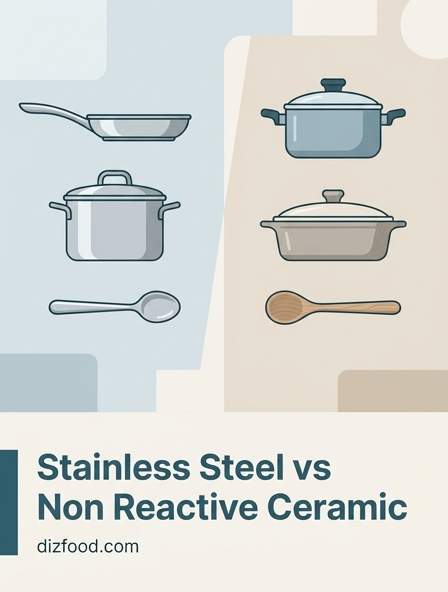
Stainless Steel versus Non Reactive Ceramic Durability
When evaluating kitchen longevity, stainless steel is widely regarded as the industry standard for resilience. This material is essentially indestructible under normal kitchen conditions, resisting warped bases, deep scratches, and corrosion. Because it is a solid metal alloy-typically 18/10 grade-it does not feature a coating that can flake or peel over time. Users can confidently utilize metal whisks, spatulas, and even abrasive scouring pads without compromising the structural integrity of the pan. This makes it a preferred choice for high-volume environments where tools are handled with less delicacy.
In contrast, non-reactive ceramic cookware is prized for its hard, glass-like surface, but it possesses a brittle nature that requires careful handling. Most modern ceramic pans are actually "sol-gel" coatings applied to a metallic base. While the surface is incredibly hard, it is susceptible to "micro-chipping" if struck by metal utensils or stored improperly without protectors. Thermal shock-the rapid transition from high heat to cold water-can also cause the ceramic layers to craze or crack, a phenomenon rarely seen in high-quality stainless steel. While ceramic technology has improved significantly, it generally lacks the multi-generational lifespan associated with premium steel.
- Stainless Steel: High resistance to mechanical impact; impervious to metal utensils.
- Ceramic: Prone to chipping if dropped or hit; requires silicone or wood tools.
- Lifespan: Stainless steel lasts decades; ceramic typically lasts 3 to 5 years depending on use.
Thermal Conductivity and Cooking Efficiency Compared
The thermal properties of these two materials dictate how energy is transferred from the burner to the food. Pure stainless steel is actually a poor conductor of heat, which is why premium cookware features a "clad" construction. By sandwiching a core of aluminum or copper between layers of steel, manufacturers create a vessel that heats quickly and evenly. This allows for precise temperature control, making it possible to switch from a high-sear to a low-simmer with immediate response. This responsiveness is critical for delicate sauces and technical culinary tasks where heat management is paramount.
Non-reactive ceramic cookware operates differently, primarily due to the density of the ceramic material and the base it coats. Ceramic is an excellent insulator, meaning it takes longer to reach the desired temperature but retains that heat exceptionally well once achieved. This creates a stable cooking environment that is less prone to "hot spots" if the base is sufficiently thick. However, this high heat retention means the pan does not cool down quickly, which can lead to overcooking if the chef is not proactive. For efficiency, ceramic often excels in low-to-medium heat applications, whereas stainless steel thrives in high-heat environments.
| Feature | Stainless Steel (Clad) | Non-Reactive Ceramic |
|---|---|---|
| Heat Distribution | Excellent (via core) | Good to Very Good |
| Heat Retention | Moderate | High |
| Response Time | Fast | Slow |
Material Safety and Chemical Reactivity Differences
The primary appeal of both stainless steel and ceramic is their non-reactive nature. Unlike reactive metals like cast iron or raw aluminum, neither of these materials will leach metallic flavors into acidic foods such as tomato sauces or wine-based reductions. Stainless steel is a stable alloy that does not react with ingredients, though some lower-quality versions may release trace amounts of nickel or chromium if used with highly acidic foods over extremely long durations. For the vast majority of users, it remains one of the safest surfaces available for heavy daily use.
Non-reactive ceramic is often marketed as the "green" alternative to traditional non-stick coatings. It is naturally free from PFOA and PTFE (Teflon), meaning it does not release toxic fumes even if accidentally overheated. The "ceramic" is essentially a silica-based coating that is chemically inert. This makes it an ideal choice for health-conscious consumers who want to avoid synthetic chemicals entirely. However, users should ensure the brand is certified lead and cadmium-free, as some budget-tier ceramic glazes used in the past contained these heavy metals to stabilize the color or finish. Today's reputable brands have largely eliminated these risks, providing a pure, inert cooking surface.
Maintenance and Long Term Care Requirements
Maintenance requirements for these two materials represent two ends of the spectrum. Stainless steel is often called "workhorse" cookware because it is dishwasher safe and can withstand rigorous cleaning methods. If food becomes burnt or stuck, one can use specialized cleansers like Bar Keepers Friend or simple vinegar and baking soda to restore the original luster. It is one of the few materials that can be scrubbed with steel wool if necessary, and it does not require seasoning to remain functional. Over time, the steel may develop a "patina" or rainbow heat tints, but these are purely aesthetic and do not affect performance.
Ceramic cookware demands a much gentler touch to maintain its non-stick properties. While many manufacturers claim their ceramic pans are dishwasher safe, the harsh detergents and high-pressure water can degrade the silica coating, causing it to lose its "easy-release" functionality prematurely. Hand washing with a soft sponge and mild soap is almost always recommended. Furthermore, users must avoid using aerosol cooking sprays, which contain lecithin that can build up a sticky residue on the ceramic surface, effectively ruining the non-stick effect. Proper storage is also vital; stacking ceramic pans without protective liners can lead to surface scratches that compromise the non-reactive barrier.
- Always allow ceramic to cool before washing to prevent thermal shock.
- Use Bar Keepers Friend for stubborn stains on stainless steel.
- Avoid abrasive pads on ceramic surfaces.
- Check for loose handles or rivets on both types periodically.
Surface Properties and Non Stick Capabilities
The most immediate difference a cook will notice is the "stickiness" of the surface. Stainless steel is not a non-stick material. In fact, its surface contains microscopic pores that expand and contract with heat. To cook successfully on steel, one must master the "Leidenfrost Effect," where the pan is heated until water droplets dance on the surface, followed by the addition of oil. When done correctly, the oil fills the pores and creates a temporary barrier, allowing for the Maillard reaction-the browning process that creates deep flavor and "fond" (the brown bits used for deglazing).
Non-reactive ceramic is inherently slick, though it provides a different experience than traditional Teflon. The silica-based surface is naturally smooth, allowing for cooking with minimal oil or butter. This makes it superior for delicate items like eggs, crepes, or flaky fish that would likely tear on a stainless steel surface. However, it is important to note that ceramic non-stick is not permanent. The microscopic structure of the ceramic wears down over time through friction and heat exposure. Eventually, the surface will lose its easy-release properties, whereas a stainless steel pan will maintain its consistent-albeit "sticky"-performance for its entire life.
Kitchen Versatility and Use Case Suitability
Versatility is where stainless steel truly shines. It is compatible with every heat source, including gas, electric, and induction. Most high-quality stainless steel pans are oven and broiler safe up to 500 degrees Fahrenheit or more, allowing for seamless transitions from stovetop searing to oven roasting. It is the perfect material for deglazing, reducing sauces, and deep-frying due to its ability to handle high heat without damage. For a cook who wants one pan to do everything-from pan-searing a steak to baking a frittata-stainless steel is the undisputed winner.
Ceramic cookware is more specialized, excelling in everyday "low-stress" cooking. It is perfect for the home cook who prioritizes quick cleanup and healthy, low-fat preparation. While many ceramic pans are now induction-compatible due to added magnetic base plates, they are rarely rated for high-heat oven use. Most ceramic coatings are rated for a maximum temperature of 400 to 450 degrees Fahrenheit; exceeding this can permanently damage the non-stick properties. Consequently, ceramic is best suited for stovetop tasks like sautéing vegetables, simmering stews, or preparing breakfast items rather than high-heat searing or professional-grade roasting.
Investment Value and Lifecycle Cost Analysis
Evaluating the cost of cookware requires looking beyond the initial price tag to the "cost per use" over several years. A high-end stainless steel skillet may cost between $100 and $200, but because it lasts a lifetime, the annual cost is negligible. It does not require replacement due to surface wear, making it a sustainable and fiscally responsible choice for a permanent kitchen setup. Even if the pan is neglected, it can almost always be restored to like-new condition with minimal effort, preserving the initial investment for decades.
Ceramic cookware generally has a lower entry price, with quality skillets ranging from $30 to $90. However, because the coating is a consumable surface, it will eventually fail. Most users find that ceramic pans need replacement every three to five years once food begins to stick consistently. When viewed through a 20-year lens, a cook might go through four or five ceramic pans in the time they would own a single stainless steel pan. Therefore, while ceramic is more affordable upfront and offers convenience, stainless steel provides significantly better long-term value and reduces environmental waste by staying out of landfills.
- Stainless Steel: High initial cost, zero replacement cost.
- Ceramic: Low to moderate initial cost, recurring replacement cost.
- Sustainability: Steel is 100% recyclable and permanent; ceramic is often discarded.
Health Benefits of Non Reactive Cookware Surfaces
The health-related advantages of these materials focus on two distinct areas: chemical exposure and dietary fat intake. Non-reactive ceramic is often the top choice for those concerned with PFAS, PFOA, and other "forever chemicals" found in older non-stick technologies. Because the coating is derived from sand (silica), it is considered one of the cleanest surfaces for food preparation. Additionally, the slick surface allows for "dry frying" or using only a tiny amount of heart-healthy oils, which is beneficial for individuals monitoring their caloric or fat intake.
Stainless steel offers its own health benefits, primarily through its inert nature. It does not harbor bacteria or odors, and because it can withstand high heat and aggressive cleaning, it is easy to sanitize thoroughly. While it requires more oil to prevent sticking than ceramic, it allows for the development of complex flavors through browning, which can reduce the need for excessive salt or sugar in sauces. Furthermore, for those who are sensitive to the trace chemicals in synthetic coatings, the purely metallic composition of high-grade steel provides peace of mind that no man-made polymers are entering the food chain.
Professional Performance versus Home Convenience
In a professional kitchen, stainless steel is the dominant force. Chefs value the material because it produces a superior "sear" and allows for the creation of fond, which is the foundation of professional-grade pan sauces. The ability to toss the pan into a high-heat oven or use a metal spoon to baste a protein with butter without worrying about the surface is essential for speed and technique. The durability of steel means it can handle the "beating" it takes in a 12-hour shift, being thrown into a commercial dishwasher and stacked haphazardly.
For the home cook, convenience often outweighs technical performance. Ceramic cookware is designed for the person who needs to get dinner on the table and clean up in minutes. The ease of wiping away a burnt egg or a sticky glaze without soaking the pan for hours is a significant advantage in a busy household. While it may not produce the same level of crust on a ribeye steak, it handles 90% of home cooking tasks with much less frustration for the novice cook. It bridges the gap between the health benefits of non-reactive materials and the ease of traditional non-stick surfaces.
Choosing the Right Material for Your Cooking Style
The decision between stainless steel and non-reactive ceramic ultimately depends on your culinary priorities and your willingness to perform maintenance. If you are a student of technique who enjoys browning meats, making complex reductions, and wants an heirloom-quality tool that will never need to be replaced, stainless steel is the superior choice. It rewards those who take the time to learn its heat-management requirements with unparalleled flavor development and versatility across all cooking methods.
Conversely, if you prefer low-fat cooking, prioritize easy cleanup, and primarily prepare delicate foods like eggs or vegetables, non-reactive ceramic is the more practical option. It is an excellent choice for those who are cautious about synthetic chemicals but find the "stickiness" of stainless steel intimidating. Many modern kitchens find the best balance by owning both: a set of stainless steel for heavy-duty roasting and searing, and one or two ceramic pans for breakfast and delicate sautéing. This hybrid approach ensures you have the right tool for every ingredient while extending the life of your ceramic investments.
| Best For... | Stainless Steel | Ceramic |
|---|---|---|
| High-Heat Searing | Yes | No |
| Easy Egg Release | No (without skill) | Yes |
| Dishwasher Use | Yes | Not Recommended |

Comments