
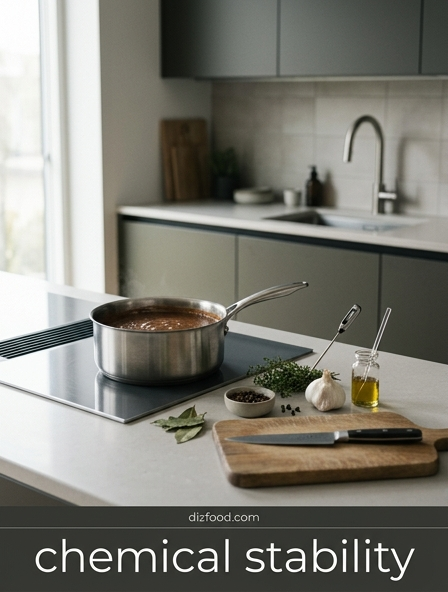
The Chemistry of Reactive vs Inert Surfaces
In the culinary world, chemical stability is determined by how a material's surface interacts with the molecular composition of food. Reactive surfaces, such as those made from untreated aluminum, copper, and carbon steel, possess atoms that readily donate or share electrons when they come into contact with specific substances. This leads to oxidation or the formation of new chemical compounds that can alter the food's appearance and safety. Conversely, inert surfaces are characterized by their lack of chemical reactivity under normal kitchen conditions. These materials do not participate in the chemical transformations of the ingredients they hold.
- Reactive Metals: Aluminum, unlined copper, and cast iron (when unseasoned).
- Inert Materials: Stainless steel, glass, ceramic, and high-quality silicone.
- Transition Materials: Seasoned cast iron, which acts as a hybrid due to its polymerized oil barrier.
Understanding these distinctions is vital for maintaining the intended chemical profile of a recipe. While reactive surfaces are often prized for their superior thermal conductivity, they require careful management to ensure that the material science of the pan does not interfere with the delicate biochemistry of the meal being prepared.
How Acidic Marinades Interact with Metals
Acidic ingredients like vinegar, lemon juice, wine, and tomatoes contain high concentrations of hydrogen ions. When these acids contact reactive metals, a displacement reaction occurs. The hydrogen ions in the marinade attack the metal surface, pulling metallic ions into the liquid solution. This process not only erodes the cookware over time but fundamentally changes the chemical structure of the marinade itself. For example, when an acidic tomato sauce is simmered in an aluminum pot, the acid dissolves the protective oxide layer of the metal, causing the aluminum to leach into the sauce. This reaction can lead to unappealing color changes, such as white sauces turning grey or bright red sauces darkening into a muddy brown. Furthermore, the presence of dissolved metal ions can act as a catalyst for other undesirable chemical reactions, such as the rapid oxidation of fats or the breakdown of delicate aromatic compounds. Using non-reactive vessels ensures that the acid remains focused on tenderizing the proteins rather than dissolving the container, preserving the molecular intent of the culinary process.
Preventing Metallic Off Flavors in Food
The primary sensory consequence of using reactive surfaces with incompatible ingredients is the development of "metallic" off-flavors. These tastes are not merely perceived sensations but are the result of physical metal ions, such as iron or aluminum, becoming suspended in the food. Even in small quantities, these ions can overwhelm the nuanced flavors of herbs, spices, and fats. To prevent this, chefs must prioritize the use of inert materials during stages of preparation that involve high acidity or long contact times. While a quick sauté in a copper pan might not impart a noticeable taste, a long-simmered reduction certainly will. Protecting the organoleptic qualities of a dish requires a strategic selection of tools. By choosing stainless steel or glass, you ensure that the palate experiences only the intended ingredients. Additionally, maintaining the seasoning on cast iron creates a hydrophobic, carbonized barrier that prevents the iron from reacting with moisture, though even this barrier has limits when faced with highly acidic liquids for extended durations. Consistency in flavor is a direct result of managing the interface between the food and the vessel's surface chemistry.
The Safety Benefits of Non Porous Materials
Chemical stability in the kitchen is closely linked to the porosity of the materials used for storage and preparation. Non-porous materials, such as tempered glass and glazed ceramic, offer significant safety benefits because they do not absorb oils, flavors, or chemical residues from previous uses. This prevents cross-contamination at a molecular level, ensuring that cleaning processes are truly effective. Porous materials like wood or certain plastics can harbor microscopic food particles and moisture within their structure, creating an environment where bacteria can flourish and chemical degradation can occur.
- Hygiene: Non-porous surfaces are easier to sanitize and do not support biofilm formation.
- Chemical Purity: They do not leach "ghost" flavors from previous pungent ingredients like garlic or onions.
- Longevity: These materials resist staining and do not degrade when exposed to strong detergents or high temperatures.
By utilizing non-porous and chemically inert surfaces, you minimize the risk of accidental chemical exposure and maintain a sterile environment. This is particularly important when handling raw proteins or fermenting foods, where the stability of the container is paramount to the health of the final product.
Why Glass and Ceramic are Marinating Essentials
Glass and ceramic are considered the gold standard for marination due to their absolute chemical neutrality. Marinating often involves long periods where acidic or salty liquids sit in direct contact with a container's surface. Because glass is made of silica, it is almost entirely non-reactive to the organic acids found in culinary applications. Ceramic, when properly glazed and fired at high temperatures, provides a similar benefit by sealing the clay body beneath an impervious vitrified layer. These materials ensure that the marinating environment remains stable, allowing the salt and acid to penetrate the meat or vegetables without interference from leaching metal ions. Furthermore, glass and ceramic are excellent for temperature stability; they do not react to the cold temperatures of a refrigerator, nor do they warp when brought to room temperature. Their transparent or opaque nature also protects food from light-induced oxidation if stored correctly. Using these materials eliminates the guesswork associated with chemical reactions, providing a controlled environment where the only variables are the ingredients themselves. This reliability makes them essential for any kitchen focused on precision and food safety during the preparation stages.
Protecting Flavor Integrity with Stainless Steel
Stainless steel is a cornerstone of the modern kitchen because of its unique alloy composition, which provides exceptional chemical resistance. It typically contains chromium, which reacts with oxygen to form a thin, invisible layer of chromium oxide on the surface. This "passive" layer is what prevents the steel from reacting with food acids or rusting. When we speak of flavor integrity, stainless steel is the preferred choice for professional environments because it does not impart any flavor of its own.
| Property | Benefit to Flavor |
|---|---|
| Passive Layer | Prevents metallic leaching into acidic sauces. |
| Non-Porous | Does not retain odors from previous cooking sessions. |
| High Heat Tolerance | Maintains stability during high-temperature searing without degrading. |
Unlike aluminum or copper, stainless steel allows for the deglazing of pans with wine or citrus without the risk of creating a metallic slurry. This enables the development of complex fond and sauces that are pure in taste and color, ensuring that the material science of the pan supports the culinary artistry.
The Risks of Leaching During Long Marinations
Time is a critical factor in the chemical interaction between food and its container. During short cooking cycles, the duration of contact might not be sufficient for significant leaching to occur. However, during long marinations-which can last from several hours to several days-the risk increases exponentially. The constant presence of electrolytes (salts) and acids facilitates the migration of metal atoms from the container into the food. This is particularly dangerous when using low-quality ceramics that may contain lead or cadmium in the glaze, or when using reactive metals like aluminum. The cumulative effect of this leaching can result in high concentrations of these metals in the final dish. Chronic exposure to such elements is a health concern, but the immediate impact is the degradation of food quality. Proteins may take on a greyish hue, and the texture can become mushy as the metal ions interfere with the enzymatic breakdown intended by the marinade. To mitigate these risks, it is essential to use certified food-grade, non-reactive containers for any process that requires prolonged contact between food and the vessel's surface.
Choosing the Best Containers for Brining and Soaking
Brining involves high concentrations of salt, which creates a highly corrosive environment for many materials. Choosing the right container is essential to prevent the salt from reacting with the vessel and spoiling the brine. When selecting containers for soaking or brining, consider the following hierarchy of materials:
- Food-Grade Plastics: Look for HDPE (High-Density Polyethylene) or polypropylene, which are resistant to salt and acids.
- Glass: Ideal for smaller batches, offering total inertness and easy monitoring of the brine's clarity.
- Stainless Steel: Ensure it is high-quality (such as 18/10), as lower grades can eventually pit when exposed to concentrated salt solutions for long periods.
- Enamel-Coated Metal: Provides the strength of metal with an inert glass-like surface, though it must be free of chips.
Avoid using galvanized metal or common plastic buckets not rated for food, as these can leach toxic chemicals into the brine. The goal is to maintain a stable salinity and pH level throughout the soaking process to ensure the osmotic pressure works correctly on the food fibers.
How Material Science Affects Your Final Dish
Every piece of cookware is a tool of material science that dictates how energy and chemistry interact. The thermal conductivity of a pan determines how heat is distributed, while its chemical reactivity determines how the food's molecular structure is preserved. For instance, a reactive copper pan provides unparalleled heat control for delicate sugar work, but it would ruin a vinegar-based gastrique. The final dish is a culmination of these interactions. When a chef understands that the material of the pan is a secondary ingredient, they gain better control over the Maillard reaction, caramelization, and enzyme activity. Using an inert surface ensures that the chemical energy is spent on cooking the food rather than reacting with the metal. This results in brighter colors, cleaner flavors, and more predictable outcomes. Conversely, ignoring material science can lead to "kitchen failures" where the recipe was followed perfectly, but the dish failed due to an unforeseen chemical reaction with the hardware. Matching the vessel to the chemical nature of the ingredients is as important as measuring the ingredients themselves.
Essential Tips for Choosing Non Reactive Cookware
Selecting the right tools is the first step toward achieving chemical stability in the kitchen. When shopping for non-reactive cookware, focus on materials that provide a reliable barrier between the heat source and your ingredients. High-quality stainless steel is the most versatile option for daily use. If you prefer the heat retention of cast iron, ensure it is either well-seasoned or coated in high-quality enamel.
- Check Labels: Look for "non-reactive" or "18/10 stainless steel" to ensure high chromium and nickel content.
- Inspect Coatings: If buying non-stick, ensure it is PFOA-free and rated for the temperatures you intend to use.
- Test for Reactivity: If unsure about a pan, boil a mixture of water and white vinegar in it; if the liquid takes on a metallic smell or changes color, the pan is reactive.
- Prioritize Glass for Storage: Use tempered glass containers for all acidic leftovers to prevent chemical migration during refrigeration.
Investing in a core set of non-reactive vessels will protect your health and the integrity of your cooking for years to come.

Comments