
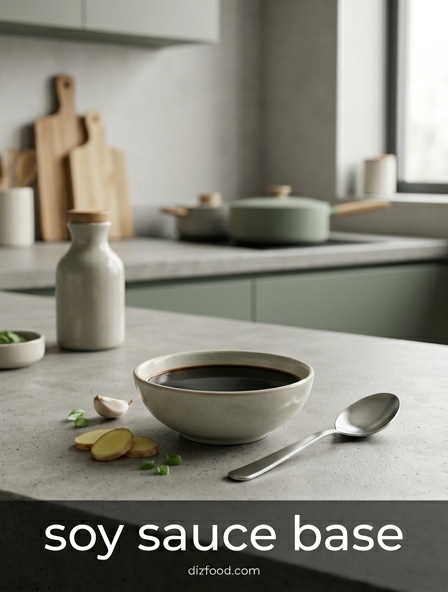
The Science of Osmosis and Cellular Brining
In the culinary environment, soy sauce acts as a powerful hypertonic solution, initiating a complex osmotic exchange when applied to proteins. Because soy sauce possesses a significantly higher salt concentration than the internal fluids of meat cells, it creates a gradient that forces moisture to migrate across the semi-permeable cell membranes. Initially, this process draws moisture out; however, as the salt begins to denature the tightly wound protein filaments, the muscle fibers relax and expand, creating internal space to reabsorb the brine along with its dissolved flavors.
This cellular restructuring is essential for moisture retention during high-heat cooking. The soy-based brine alters the protein structure, allowing it to hold onto liquid that would otherwise be lost to evaporation. To optimize this effect, chefs must consider the following stages of the brining cycle:
- Initial Dehydration: Salt draws surface moisture out, creating a concentrated surface brine.
- Protein Denaturation: Sodium ions penetrate the muscle, unwinding the myosin filaments.
- Reabsorption: The loosened protein matrix pulls the soy-rich liquid back into the center of the cut.
- Equilibrium: The salt concentration stabilizes, ensuring uniform seasoning throughout the ingredient.
Harnessing Umami with High-Sodium Bases
Soy sauce serves as a primary vehicle for umami, the fifth taste sensation, primarily through its high concentration of naturally occurring glutamates. When used as a base, it does more than simply season a dish with salt; it acts as a flavor multiplier by stimulating the glutamate receptors on the tongue. This savory depth is the result of long-term fermentation, where proteins in soybeans and wheat are broken down into amino acids. By integrating soy sauce into a marinade or sauce, a chef introduces a foundational complexity that cannot be replicated by mineral salt alone.
The strategic use of high-sodium soy bases requires an understanding of how these glutamates interact with other savory components. When paired with ingredients like mushrooms, aged cheeses, or charred meats, the umami compounds in the soy sauce synergize with ribonucleotides in the other foods. This interaction creates a "umami bomb" effect, where the perceived savory intensity is significantly greater than the sum of the individual parts, providing a satisfying mouthfeel and a lingering, savory finish to the palate.
Mastering the Maillard Reaction in Glazed Finishes
The Maillard reaction is a chemical process between amino acids and reducing sugars that gives browned food its distinctive flavor and aroma. Soy sauce is a unique catalyst for this reaction because it provides both the necessary nitrogenous compounds from its fermented proteins and a variety of complex sugars. When a soy-based glaze is applied to a protein and subjected to heat, these components undergo a rapid transformation, producing hundreds of different flavor compounds and a characteristic dark brown hue.
To master this in the kitchen, the chef must manage the moisture content of the glaze. If the glaze is too watery, the temperature will remain stalled at the boiling point of water, preventing the Maillard reaction from occurring. Once the water evaporates, the temperature rises quickly, allowing the soy-based solids to fuse with the surface of the meat. This creates a deeply savory crust that bridges the gap between the natural flavors of the protein and the fermented complexity of the soy, resulting in a sophisticated, caramelized exterior.
Layering Salt Profiles for Dimensional Flavor
Using soy sauce as the primary seasoning agent allows for a more dimensional salt profile than using granulated salt alone. Different varieties of soy sauce offer varying levels of salinity, sweetness, and acidity, which can be layered to create a more nuanced flavor foundation. By blending different soy types, a chef can control the immediate salty hit while ensuring a long, savory tail. This layering technique prevents the dish from tasting "flat" or one-dimensionally salty, providing a more professional and rounded experience.
| Soy Variety | Salinity Level | Primary Contribution |
|---|---|---|
| Light Soy Sauce | High | Sharp saltiness and essential seasoning. |
| Dark Soy Sauce | Medium | Rich color and subtle molasses sweetness. |
| Tamari | Medium-High | Robust, clean umami without wheat notes. |
| Shiro (White) Soy | Medium | Light aesthetic with delicate floral salt. |
The Art of Viscous Marinade Reductions
Transforming a thin, soy-based marinade into a viscous glaze is a critical skill in high-end cookery. This process involves the controlled evaporation of water to concentrate the sugars, salts, and proteins into a thick syrup that clings to the food. As the liquid reduces, the viscosity increases, and the flavors become exponentially more intense. A successful reduction should have enough body to coat the back of a spoon-a state known as nappe-without becoming overly salty or bitter from excessive heat.
The addition of supplemental sugars, such as mirin, honey, or brown sugar, aids in this transition by increasing the solids content. However, the chef must monitor the reduction closely; the point between a perfect, glossy glaze and a burnt, acrid mess is very narrow. Utilizing a wide-bottomed pan increases the surface area for evaporation, allowing the reduction to happen quickly and preserving the brighter notes of the soy sauce that might be lost during prolonged simmering. The result is a luminous, tacky finish that provides a concentrated burst of flavor in every bite.
Achieving Deep Color through Sugar and Salt Synergy
The visual appeal of soy-marinated proteins is largely due to the synergy between salt and sugar during the cooking process. Dark soy sauce, in particular, is often fortified with caramel color or molasses, which provides an immediate aesthetic depth. When this interacts with the natural sugars in a marinade, it creates a rich, mahogany finish that signals high-quality preparation. This coloration is not merely surface-level; the salt facilitates the penetration of these pigments into the outer millimeters of the protein, creating a beautiful "smoke ring" effect when sliced.
To achieve this deep color without overcooking the interior of the protein, the sugar-to-soy ratio must be precisely balanced. Too much sugar will cause the exterior to darken and char before the salt has a chance to season the meat. Conversely, too little sugar will result in a pale finish that lacks the appetizing luster of a classic glaze. By finding the "sweet spot," chefs can create dishes that possess a professional, lacquered appearance, enhancing both the perceived value and the sensory experience of the meal.
Temperature Controls for Consistent Protein Caramelization
Managing heat is the most significant challenge when working with soy-based glazes due to their high sugar and protein content. Soy sauce has a tendency to burn at temperatures where many fats are just beginning to shimmer. Therefore, achieving consistent caramelization requires a multi-stage temperature approach. Starting at a medium-high heat allows the protein to sear, while dropping the temperature once the soy glaze is applied prevents the sugars from carbonizing into a bitter crust. This delicate balance ensures the exterior remains sweet and savory.
For large cuts of meat, a reverse-sear or indirect heating method is often preferred. This allows the soy marinade to dehydrate slowly and form a "bark" without the risk of burning. When using a pan, basting with a soy-butter mixture at a lower temperature can provide a rich, caramelized finish while keeping the sugars in suspension. Monitoring the pan temperature with an infrared thermometer can help maintain the 300°F to 350°F range, which is the optimal window for the Maillard reaction and caramelization to occur without crossing into the zone of combustion.
Balancing Intense Salinity with Acidic Counterpoints
A common pitfall in soy-based cooking is an overwhelming sense of saltiness that fatigues the palate. To counteract this, chefs employ acidic ingredients to "brighten" the profile. Acid does not physically remove salt, but it provides a sharp contrast that cuts through the heavy umami and salinity, making the dish taste more balanced and refreshed. The addition of vinegar, citrus, or fermented liquids provides a high-frequency note that balances the low-frequency, heavy notes of the fermented soy sauce.
Selecting the right acid depends on the specific soy profile being used:
- Rice Vinegar: Offers a mild, cereal-like acidity that complements traditional Japanese soy sauces.
- Lime or Lemon Juice: Provides a sharp, citric bite that cuts through the fattiness of soy-marinated pork or beef.
- Black Vinegar: Adds a complex, malty depth that matches the intensity of aged or dark soy sauces.
- Mirin: While primarily a sweetener, its slight acidity and alcohol content help bridge the gap between salt and sugar.
Slow Penetration vs Surface Glazing Techniques
There are two primary philosophies when applying soy-based flavors: deep marination and surface glazing. Slow penetration involves submerged marinating over several hours or days, allowing the salt to work its way into the center of the protein via osmosis. This technique is best for tougher cuts or dishes where a uniform flavor is desired throughout. However, prolonged exposure to the acid and salt in soy sauce can eventually turn the texture of the meat mushy by breaking down too many structural proteins.
In contrast, surface glazing focuses on the final minutes of cooking. This technique creates a high-contrast experience where the interior of the protein remains natural and juicy, while the exterior provides an intense, concentrated burst of soy flavor. This is ideal for high-quality seafood or tender steaks where the natural flavor of the ingredient should not be completely masked. Many professional chefs utilize a hybrid approach: a short, light marinade for foundational seasoning, followed by multiple layers of glazing during the final stages of searing to build a complex, flavorful crust.
Essential Tools for High-Intensity Searing and Basting
To execute professional soy-based techniques, specific kitchen tools are required to handle the high temperatures and sticky textures involved. Traditional non-stick pans are often inadequate because they cannot reach the temperatures needed for the Maillard reaction without damaging the coating. Instead, heavy-duty materials that can retain and distribute heat evenly are preferred. Furthermore, the tools used for application must be able to withstand heat and provide precise control over the glaze distribution.
The following tools are considered essential for mastering soy-based finishes:
- Cast Iron Skillet: Provides the thermal mass necessary to maintain high heat when a cold, marinated protein is added.
- Carbon Steel Wok: Ideal for rapid evaporation and "wok hei" when using soy-based stir-fry sauces.
- Silicone Basting Brush: Unlike natural bristles, silicone can handle high pan temperatures and is easy to sanitize after contact with raw marinades.
- Offset Spatula: Useful for carefully flipping glazed proteins without tearing the delicate, caramelized crust.
- Digital Thermometer: Essential for ensuring the protein is cooked to the correct internal temperature while the exterior glazes.


Comments