
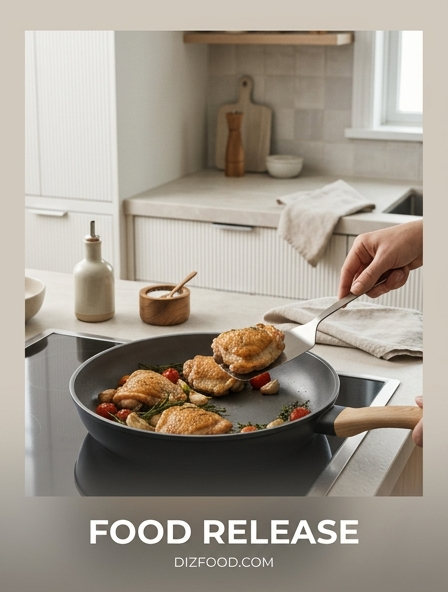
Optimizing Marinating Workflows with High Performance Surfaces
Efficient kitchen operations depend heavily on the ability to move ingredients through various stages of preparation without friction or residue accumulation. High-performance surfaces, specifically those engineered for superior food release, play a critical role in optimizing marinating workflows. When handling proteins saturated in viscous sauces or oils, the interface between the food and the prep surface determines the speed of the transition. Advanced materials like specialized stainless steel or high-density polymers reduce the surface energy, ensuring that marinades remain on the food rather than adhering to the countertop or prep station. This reduction in adhesion minimizes ingredient loss and maintains the integrity of the marinade ratio.
- Reduced surface tension for quicker protein transfer.
- Minimal residue buildup during high-volume batch processing.
- Enhanced consistency in marinade application across multiple units.
- Lower physical exertion required for moving heavy, marinated items.
By integrating these high-performance materials, commercial kitchens can ensure that the marinating process is not a bottleneck. The seamless release of food from surfaces allows chefs to maintain a rhythmic pace, crucial during peak hours when efficiency directly impacts the bottom line and food quality.
Non Porous Materials for Safer Marination Environments
Safety in the kitchen begins with the selection of materials that do not harbor pathogens or allow for the absorption of raw juices. Non-porous materials are essential for creating a safer marination environment, particularly when dealing with raw poultry and seafood. Traditional porous surfaces like wood or certain natural stones can absorb liquids, leading to deep-seated bacterial growth that is nearly impossible to eradicate. In contrast, advanced non-porous surfaces provide a total barrier, ensuring that every drop of marinade stays on the surface where it can be properly managed and cleaned.
| Material Type | Porosity Level | Food Release Quality |
|---|---|---|
| Engineered Quartz | Near Zero | Excellent |
| High-Grade Stainless | Impermeable | High |
| Solid Surface Resin | Non-Porous | Very High |
| Natural Marble | High Porosity | Moderate |
The total lack of voids in these materials means that cleaning agents can reach every part of the surface, leaving no room for microscopic contaminants. This level of hygiene is vital for maintaining food release properties, as a clean, smooth surface is inherently more non-stick than one degraded by organic buildup or bacterial films.
Streamlining Clean Up After Acidic Marinating Prep
Acidic ingredients such as citrus juices, vinegars, and wines are fundamental to the marination process, yet they pose a significant challenge to kitchen surfaces. These substances can etch or degrade inferior materials, creating micro-fissures that trap food particles and impede food release. Streamlining the cleanup process requires surfaces that are chemically inert and highly resistant to acid-induced wear. When a surface maintains its structural integrity against acids, the subsequent cleanup becomes a matter of a simple wipe-down rather than intensive scrubbing.
- Immediate neutralization of acidic residues using mild alkaline cleaners.
- Rinsing with lukewarm water to remove dissolved sugars and salts.
- Squeegee application to prevent water spots and mineral buildup.
- Final sanitization with food-safe sprays to ensure a sterile finish.
A surface that releases acidic marinades easily prevents the long-term staining and "tackiness" often associated with older kitchen installations. This speed of maintenance allows staff to transition between different marinating tasks rapidly, ensuring that the preparation area remains productive and aesthetically professional throughout the entire shift.
The Role of Surface Durability in Marinating Efficiency
Durability is more than just longevity; in a professional kitchen, it is a prerequisite for maintaining food release performance. Surfaces that scratch easily create tiny valleys where oils, proteins, and spices can become lodged. Once these residues are trapped, the "release" quality of the surface is compromised, leading to increased friction and cleaning times. Durable surfaces, such as those with a high Mohs hardness rating or specialized industrial coatings, resist the abrasions caused by knives, metal trays, and abrasive cleaning pads.
- Resistance to mechanical wear from heavy kitchen equipment.
- Maintenance of a smooth micro-topography over years of use.
- Ability to withstand high-temperature sanitization cycles.
- Protection against impact damage that causes surface pitting.
When a surface remains smooth and intact, it functions as a frictionless plane for food preparation. This efficiency allows for faster sliding of trays and easier manipulation of large cuts of meat. Investing in durable surfaces ensures that the kitchen's throughput remains high, as the physical properties that facilitate food release do not degrade over time, even under the most intensive marinating schedules.
Hygiene Excellence Through Advanced Kitchen Surface Technology
Modern kitchen surface technology has moved beyond simple material selection to incorporate advanced antimicrobial and hydrophobic properties. These technologies ensure hygiene excellence by preventing the adhesion of biofilms and organic matter at a molecular level. Advanced surfaces often feature integrated silver ions or specific crystalline structures that inhibit bacterial reproduction. This is particularly important during intensive marinating, where the environment is often moist and nutrient-rich, providing the perfect conditions for microbial growth.
| Technology | Mechanism | Benefit for Marinating |
|---|---|---|
| Hydrophobic Coating | Water Repellency | Prevents liquid absorption |
| Silver Ion Infusion | Antimicrobial Action | Continuous pathogen reduction |
| Micro-Texturing | Physical Barrier | Reduces food contact area |
By utilizing these advanced technologies, kitchens can achieve a level of cleanliness that manual scrubbing alone cannot provide. The enhanced food release properties of these surfaces mean that biological contaminants have fewer points of attachment, making the sanitization process more effective and significantly reducing the risk of foodborne illnesses in high-volume environments.
Maximizing Prep Speed with Frictionless Countertop Solutions
In the high-stakes environment of a commercial kitchen, every second saved during food preparation contributes to overall operational success. Frictionless countertop solutions are designed specifically to minimize the resistance encountered when moving ingredients across a surface. During the marinating phase, which often involves moving large quantities of slippery, coated proteins, a low-friction surface is invaluable. These solutions typically involve ultra-smooth finishes or specialized polymers that mimic the non-stick properties of high-end cookware.
- Selection of ultra-smooth finish options for new prep stations.
- Application of food-grade surface conditioners to reduce drag.
- Training staff on the sliding techniques facilitated by low-friction zones.
- Regular inspection for surface irregularities that could cause "drag."
When the resistance between the food and the counter is minimized, prep cooks can work with greater precision and speed. Ingredients can be tossed, coated, and transferred to storage containers with minimal effort. This frictionless environment not only speeds up the workflow but also reduces worker fatigue, leading to a more consistent and higher quality of food preparation across the board.
Essential Surface Properties for High Volume Marinating
High-volume marinating tasks place unique stresses on kitchen infrastructure. To handle the constant contact with salts, oils, and proteins, certain surface properties are considered non-negotiable. Thermal stability is one such property; prep surfaces must be able to withstand the transition from cold ingredients to hot cleaning water without warping or cracking. Furthermore, the surface must possess a high level of chemical resistance to withstand constant exposure to the aggressive surfactants used in commercial dishwashing and surface cleaning.
- High chemical resistance to prevent discoloration from spices.
- Thermal shock resistance for varied cleaning temperatures.
- Consistent surface tension to ensure predictable food release.
- Impact resistance for handling heavy stainless steel marinating tubs.
For operations that marinate hundreds of pounds of meat daily, the surface must act as a reliable tool. If the surface property varies-becoming "sticky" in some areas due to wear or heat-the entire production line suffers. Ensuring these essential properties are present in the chosen surface material allows for a standardized prep process that can be scaled without a loss in efficiency or hygiene.
Preventing Cross Contamination During Intensive Marinating Tasks
Cross-contamination is the primary risk during intensive marinating, especially when multiple types of proteins and allergens are processed in the same area. The ability of a surface to completely release all traces of a previous batch is the first line of defense against cross-contact. Advanced surfaces designed for food release ensure that even the smallest molecules of allergens or different meat proteins are easily washed away. This is crucial for kitchens that offer gluten-free or specific allergen-controlled menus.
| Contaminant Type | Adhesion Risk | Release Strategy |
|---|---|---|
| Peanut/Nut Oils | High | Surfactant-based rinse |
| Gluten Proteins | Moderate | Enzymatic cleaning |
| Poultry Juices | Very High | Broad-spectrum sanitizer |
| Soy Sauce Residue | Moderate | Deep hot-water flush |
A surface that facilitates easy release allows for faster "turnover" of the prep station. Instead of a 20-minute deep clean between batches, a high-performance surface may only require a 5-minute standardized sanitation protocol. This efficiency directly supports a safer kitchen by making the "correct" cleaning path the easiest path for the staff to follow.
The Impact of Advanced Surface Textures on Food Prep
While a perfectly smooth surface is often ideal, certain advanced micro-textures are now being utilized to enhance food release during preparation. These textures work on the principle of reducing the actual contact area between the food and the surface. By creating a microscopic "hills and valleys" topography, the surface can trap air or a thin layer of liquid, which acts as a lubricant. This prevents the "suction" effect that often occurs when flat, wet proteins are placed on a perfectly flat surface.
- Evaluation of micro-embossed stainless steel for meat prep zones.
- Implementation of "satin" finishes that mask scratches while maintaining release.
- Utilization of hydrophobic textures to shed liquid marinades quickly.
- Monitoring texture wear to ensure consistent release over time.
The impact of these textures on food prep is significant. They allow for a more controlled manipulation of ingredients, as the food does not stick or drag unpredictably. This technological approach to surface design represents the cutting edge of kitchen ergonomics, where physics is used to solve the age-old problem of sticky, messy prep environments.
Maintaining Professional Standards with Stain Resistant Surfaces
In a professional kitchen, the visual appearance of the workspace is a reflection of the hygiene standards maintained within. Marinating involves many highly pigmented ingredients, such as turmeric, beets, red wine, and various chili pastes, which can leave permanent stains on porous or low-quality surfaces. Maintaining professional standards requires the use of stain-resistant materials that do not absorb these pigments. A stained surface, even if chemically sanitized, can give the impression of poor hygiene to inspectors and open-kitchen diners.
- Non-reactive resins that block pigment penetration.
- High-density materials that prevent dye absorption.
- Compatibility with specialized stain-lifting cleaning agents.
- Long-term color stability under heavy ultraviolet or halogen lighting.
Stain resistance is inextricably linked to food release. A surface that resists staining is generally one that has very few attachment points for any material, including the proteins and fats found in marinades. By investing in these surfaces, kitchen managers ensure that their environment remains pristine, professional, and easy to clean, reinforcing a culture of excellence and attention to detail among the culinary staff.

Comments