
Have you ever wondered why a five-minute rest makes a steak succulent, while an overnight chill transforms a simple pizza dough into a gourmet masterpiece? Mastering the art of resting is the ultimate culinary "cheat code" for unlocking professional-grade flavor and texture in your home kitchen. While short-duration resting focuses on temperature stabilization and moisture retention, overnight resting triggers complex enzymatic breakdowns and deep hydration that a fast-track method simply cannot replicate. Whether you are aiming for the perfect Maillard reaction on a crust or the most tender protein fibers, understanding how time influences molecular structure is the secret to elevating your cooking from basic to brilliant.
| Feature | Short Duration (5-20 Mins) | Overnight Resting (12-24+ Hours) |
|---|---|---|
| Primary Goal | Temperature equilibrium & juice reabsorption. | Enzymatic fermentation & gluten relaxation. |
| Flavor Impact | Preserves existing seasoning profiles. | Develops complex, nutty, and acidic notes. |
| Texture Result | Prevents toughness; ensures tenderness. | Superior "chew," airy crumb, and better browning. |
| Moisture Level | Prevents immediate liquid loss upon cutting. | Deep cellular hydration and even distribution. |
| Best Used For | Steaks, roasts, and quick-service batters. | Pizza/bread dough, cookies, and marinades. |
| Key Benefit | Immediate quality control and consistency. | Maximum chemical transformation and depth. |
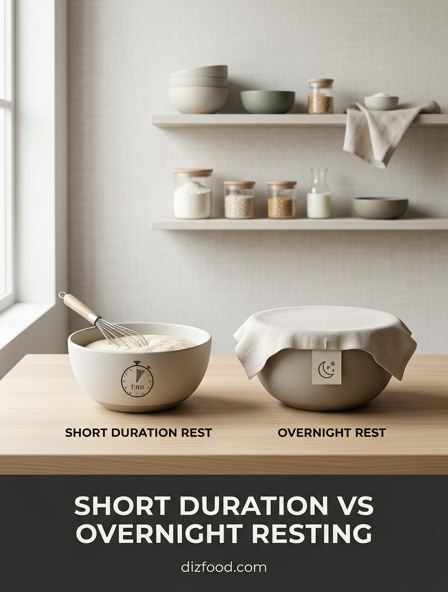
The Core Differences Between Short Duration and Overnight Rest
In the culinary world, the temporal dimension of resting serves as a critical variable in determining the final quality of a dish. Short duration resting, typically spanning five to twenty minutes, is primarily concerned with thermal equilibrium and moisture redistribution. When heat is applied to proteins, muscle fibers contract, pushing moisture toward the center. A brief hiatus from the heat source allows these fibers to relax, permitting juices to migrate back toward the periphery, ensuring a succulent result upon slicing. This is a physical "stasis" period where the external temperature carries over to the core.
Conversely, overnight resting, or long-duration maturation, involves complex biochemical transformations that cannot be replicated through brief intervals. This extended timeframe allows for enzymatic breakdown, deeper salt penetration through osmosis, and the development of complex aromatic compounds. While short rest preserves what is already present, overnight resting creates something entirely new. The core differences can be summarized by their primary culinary objectives:
- Short Duration: Focuses on immediate texture, juice retention, and temperature stabilization.
- Overnight Rest: Focuses on flavor infusion, structural tenderization, and microbial development.
Understanding these differences allows a chef to manipulate the "biological clock" of ingredients. A steak requires the briefest of pauses to prevent a "bleed-out" on the plate, whereas a sourdough starter or a complex marinade requires the slow, steady progression of an overnight cycle to reach its peak potential.
Cognitive Benefits of Micro Breaks and Power Naps
Applying the concept of "micro breaks" to the kitchen translates to the crucial "bench rest" phases required during dough preparation. When gluten is agitated through kneading, it becomes tense and resistant to shaping-a state of molecular fatigue. A short ten-minute "power nap" for the dough allows the gluten network to relax its grip. This period of inactivity is not a delay but a strategic necessity that improves the "intelligence" of the dough, making it more compliant and less prone to tearing during the final shaping process.
Similarly, cooling a blanched vegetable in an ice bath serves as a thermal micro break. This sudden cessation of heat preserves the vibrant chlorophyll and structural integrity of the cell walls. Without these brief intervals, the cumulative stress of constant heat would lead to a degradation of quality. In high-volume production, these micro breaks prevent the "cognitive" overload of the ingredients, ensuring that each component maintains its individual identity within a complex recipe. The table below illustrates common micro break durations in professional kitchens:
| Ingredient | Micro Break Type | Duration |
|---|---|---|
| Bread Dough | Bench Rest | 15-20 Minutes |
| Seared Duck Breast | Thermal Stabilization | 8-10 Minutes |
| Pie Crust | Gluten Relaxation | 30 Minutes (Chilled) |
Physiological Repair During Deep Overnight Sleep Cycles
The "deep sleep" of an overnight rest period facilitates a physiological repair of ingredients, particularly within the realm of proteins and complex carbohydrates. For large cuts of meat, such as a brisket or a whole shoulder, the overnight period is when the connective tissues undergo a profound transformation. Even after the cooking process has concluded, a prolonged rest allows the gelatinous collagen to "set" and the flavors to homogenize. This is analogous to cellular repair in biology; the internal structure of the meat stabilizes, preventing the grain from shredding when sliced.
In the context of cold-fermentation for pizza or bread, the overnight sleep cycle allows for a slow, controlled enzymatic breakdown of starches into simple sugars. This process, often referred to as "retarding," results in a superior crust color and a more nuanced flavor profile. During this deep rest, the yeast works at a glacial pace, producing organic acids that provide a sourdough-like complexity without the aggressive acidity of a rushed ferment. This period is essential for the "metabolic health" of the dough, ensuring that it has the structural strength to hold gas bubbles during the final bake. Without this overnight physiological repair, the resulting product often lacks the depth of character and the digestible qualities found in slow-aged artisanal goods.
Mental Alertness versus Long Term Memory Consolidation
In the kitchen, "mental alertness" represents the immediate sensory profile of a dish-the bright acidity and volatile aromatics of a freshly made salsa or a just-seared scallop. These qualities are fleeting and require immediate consumption to be appreciated. "Long term memory consolidation," however, is the process where a dish, such as a stew, curry, or braise, is allowed to rest overnight so that its various flavor components can "learn" to interact with one another. During this consolidation phase, the sharp edges of individual spices mellow, and the proteins absorb the surrounding aromatics, creating a cohesive and memorable flavor profile.
This culinary "memory" is most evident in products like vanilla extract or infused oils, where the essence of the ingredient is slowly transferred to the medium over time. A short-duration infusion might provide an "alert" top note, but it lacks the "long-term memory" or depth of an aged product. Chefs often utilize this principle by preparing complex sauces twenty-four hours in advance. This allows the volatile compounds to stabilize and the heavier molecules to settle into a harmonious balance. The distinction lies between the "reactive" nature of fresh ingredients and the "contemplative" depth of those that have been allowed to consolidate their flavors through a sustained period of rest.
The Impact of Short Rest on Immediate Productivity
Short resting periods are the engine of immediate productivity in a fast-paced kitchen environment. Consider the "carry-over cooking" effect; when a roast is removed from the oven, its internal temperature continues to rise for several minutes. Managing this short rest is vital for "productivity" because it allows the chef to pull the meat earlier, preventing overcooking and ensuring a larger window for service. This strategic pause ensures that the protein is at its peak when it reaches the customer, maximizing the quality of output without requiring extensive downtime.
Furthermore, short rests are essential during the assembly of layered dishes, such as lasagna or terrines. A brief cooling period allows the binders to thicken and the layers to adhere, making the dish easier to portion and plate cleanly. This improves the visual productivity of the kitchen staff, as it reduces the likelihood of "plate failure" where a dish collapses upon service. The following list highlights the immediate benefits of short duration resting:
- Moisture Retention: Prevents the loss of internal fluids during the first cut.
- Structural Integrity: Allows proteins and starches to set, facilitating cleaner slices.
- Temperature Uniformity: Evens out the heat gradient between the exterior and interior.
- Efficiency: Provides a buffer for the kitchen staff to finalize plating and garnishing.
Hormonal Regulation Through Sustained Overnight Sleep
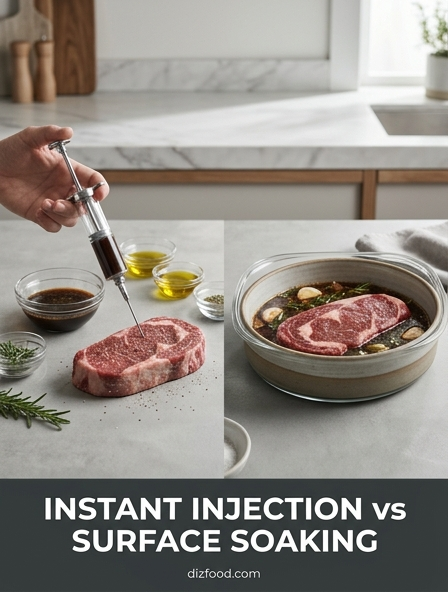
While biological hormones do not exist in flour or vegetables, we can view enzymatic activity as the "hormonal regulation" of the kitchen. During an overnight rest, enzymes like amylase and protease become the primary regulators of the food's final state. In a dry-aging fridge, these enzymes act as internal regulators, breaking down tough muscle fibers and transforming flavorless fats into aromatic compounds. This "hormonal" shift is slow and requires the sustained environment of overnight-or even multi-day-rest to achieve the desired chemical equilibrium.
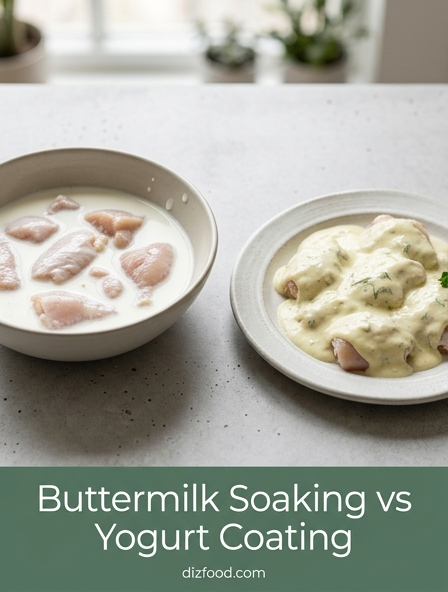
In marinades, particularly those involving yogurt or acidic fruit like pineapple, an overnight rest allows the proteases to gently tenderize the meat's surface. If left too long, the "hormonal balance" is disrupted, leading to mushy textures; if left for too short a time, the regulation never takes effect. Achieving the perfect balance requires understanding the "circadian" needs of the specific enzyme at work. For example, the natural enzymes in a block of tofu or a wheel of cheese require consistent, long-term conditions to regulate moisture and acidity. This sustained period of "sleep" ensures that the chemical messengers within the food have sufficient time to complete their complex tasks, resulting in a product that is chemically stable and flavor-dense.
Neurological Resetting During Brief Resting Periods
In the context of culinary physics, "neurological resetting" refers to the relaxation of molecular tension within a substance. This is most apparent when working with pastry or pasta dough. After the "stress" of being passed through a roller or stretched by hand, the dough enters a state of high tension. If one attempts to cook or further manipulate the dough immediately, it will shrink back or exhibit a tough, rubbery texture. A brief resting period acts as a "neurological reset," allowing the molecular bonds to reorganize into a more relaxed, stable state.
This concept also applies to the resting of fried foods. When a piece of chicken or a tempura prawn is removed from the hot oil, the steam is still trapped under the crust. A brief rest on a wire rack-rather than a paper towel-allows the "neurological" signals of the steam to exit the product without making the crust soggy. It resets the relationship between the moist interior and the crisp exterior. Without this reset, the sensory experience is one of discordance. By allowing for these brief "molecular sighs," the chef ensures that the food is not just hot, but structurally and texturally prepared for consumption.
Physical Recovery Timeframes for Short versus Long Rest
The timeframe required for physical recovery in food depends entirely on the mass, density, and intended outcome of the ingredient. Short-duration recovery is a matter of minutes and is usually sufficient for individual portions. Long-duration recovery, spanning hours or days, is required for large-format items or products where deep chemical change is the goal. The physical state of the food literally "recovers" from the trauma of heat or mechanical manipulation during these windows.
A specific comparison can be made between a pan-seared steak and a smoked brisket. The steak is "recovered" when the internal pressure has normalized (approx. 10 minutes). The brisket, however, has undergone hours of intense heat that has completely rendered its fat and collagen; it requires an overnight rest in a warming box to "recover" its ability to hold together while remaining tender. The table below compares these physical recovery timeframes:
| Action | Short Recovery (Physical) | Long Recovery (Biochemical) |
|---|---|---|
| Grilling Meat | 5-15 Minutes (Equilibrium) | 12-24 Hours (Marination/Tenderness) |
| Baking Bread | 20-60 Minutes (Cooling) | 12-48 Hours (Fermentation) |
| Making Soup | 10 Minutes (Settling) | 24 Hours (Flavor Marriage) |
Circadian Rhythm Alignment and Overnight Restoration
The professional bakery is perhaps the best example of "circadian rhythm alignment" in the kitchen. The workflow is dictated by the natural cycles of yeast and bacteria. Overnight restoration-where dough is placed in a "retarder-proofer"-aligns the production schedule with the biological needs of the organisms. By dropping the temperature, the chef effectively puts the dough into a "hibernation" state. This overnight period allows the dough to restore its strength and develop the characteristic "blistering" on the crust that signifies a well-rested product.
This alignment is also seen in the preparation of "overnight oats" or chia puddings, where the hydration cycle follows a natural nocturnal path. The ingredients absorb liquid at a slow, steady rate that mimics a natural restoration process, leading to a texture that is creamy rather than gritty. In a broader sense, the overnight restoration of the kitchen itself-the deep cleaning, the cooling of stocks, and the setting of jellies-ensures that the environment is ready for the next "circadian" cycle of service. Respecting these natural rhythms ensures that the kitchen operates in harmony with the physical and biological laws of food science.
Strategic Integration of Short and Long Rest Intervals
The hallmark of a master chef is the ability to strategically integrate both short and long rest intervals into a single cohesive workflow. This integration begins long before the guest arrives. A duck breast may be dry-aged for five days (long rest) to concentrate flavor and dry the skin. It is then cooked to a precise temperature and given a ten-minute rest (short rest) before being sliced. Each interval serves a distinct purpose: the long rest for the "soul" of the dish, and the short rest for the "body."
In complex pastry work, the integration is even more nuanced. A puff pastry dough requires multiple short rests (20 minutes) between turns to keep the butter cold and the gluten relaxed, followed by a final overnight rest before baking to ensure the layers don't shrink in the oven. This "interleaving" of rest periods ensures that the physical and chemical properties of the ingredients are constantly being optimized. By mastering the cadence of these intervals, a kitchen can produce food that is not only technically perfect in its texture but also profoundly deep in its flavor profile. The strategic use of time is the most potent "ingredient" available to the cook, transforming simple raw materials into culinary excellence.

Comments