
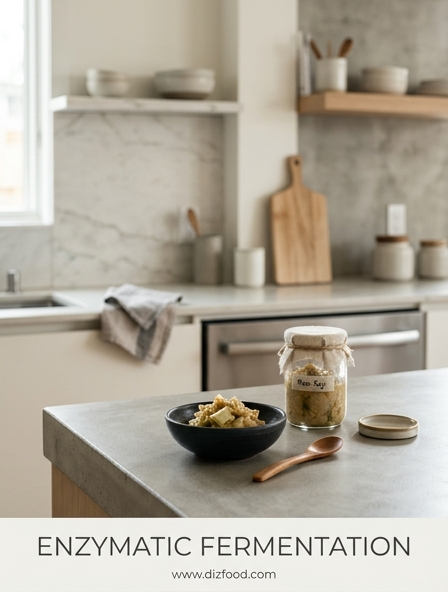
The Science of Enzymatic Marination for Deep Flavor
Enzymatic marination represents a sophisticated biological approach to flavor enhancement, moving beyond simple surface seasoning. Unlike acidic marinades that primarily denature proteins through low pH, enzymatic processes utilize biological catalysts to actively disassemble complex molecules. These enzymes, often derived from fungi, bacteria, or plants, target specific bonds within proteins and starches, converting them into smaller, more flavorful compounds such as amino acids and simple sugars. This transformation is responsible for the profound depth of flavor often described as savory or meaty.
- Proteolysis: The breakdown of long-chain proteins into peptides and amino acids, increasing savory perception.
- Saccharification: The conversion of complex carbohydrates into fermentable sugars, contributing to browning and sweetness.
- Lipolysis: The degradation of fats into fatty acids, which can enhance the aromatic profile of the finished dish.
By understanding these biochemical pathways, chefs can manipulate the rate of flavor development. The result is a profile that feels "aged" or "cured" despite a relatively short preparation time. This process not only alters the taste but also prepares the food for superior Maillard reactions during cooking, as the increased presence of free amino acids and sugars facilitates more efficient browning and aromatic complexity.
Harnessing Protease Enzymes to Tenderize and Transform Proteins
Proteases are a specific class of enzymes that catalyze the hydrolysis of peptide bonds, effectively acting as biological shears that cut through the tough structural fibers of meat. In the kitchen, utilizing proteases allows for the tenderization of secondary cuts that would otherwise remain chewy. However, the application must be precise; over-exposure can lead to a mushy, undesirable texture as the muscular integrity completely collapses. The key is selecting the right protease for the specific protein type and desired outcome.
| Protease Type | Source | Optimal Application |
|---|---|---|
| Bromelain | Pineapple | Rapid tenderization of fibrous beef cuts. |
| Papain | Papaya | Breaking down heavy connective tissues in pork. |
| Actinidin | Kiwifruit | Gentle softening of delicate poultry or seafood. |
| Ficin | Figs | High-activity breakdown for very dense game meats. |
The transformation involves the degradation of collagen and myofibrillar proteins. When these structural elements are weakened, the meat can retain more moisture during the cooking process, resulting in a juicier mouthfeel. Mastering proteases requires balancing the concentration of the enzyme against the duration of the marination to ensure the structural transformation enhances rather than degrades the culinary experience.
Developing Complex Umami Notes with Koji Based Marinades
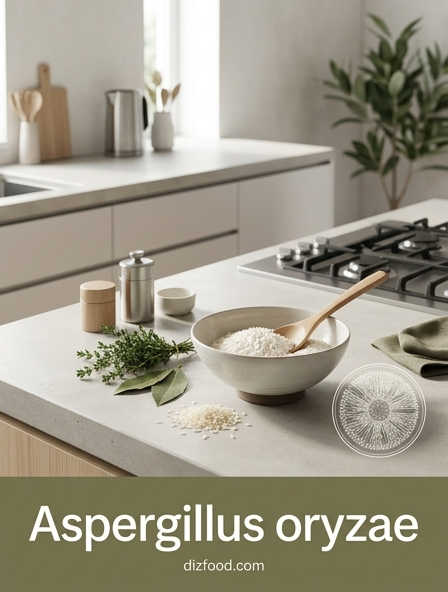
Koji, the fungus Aspergillus oryzae grown on grains, is perhaps the most powerful tool in the fermentative kitchen. It produces a vast array of enzymes, most notably amylase and protease. When applied as a marinade-often in the form of Shio Koji-it initiates a rapid breakdown of the substrate. The proteases specifically release glutamic acid, the primary molecule responsible for the "umami" sensation. This process mimics the effects of dry-aging but achieves significant results within hours or days rather than weeks.
- Inoculation: Applying the koji-rich medium to the surface of the protein.
- Incubation: Allowing the enzymes to penetrate the tissue at controlled temperatures.
- Saccharification: Amylases converting rice starches into glucose, providing a subtle sweetness.
- Proteolysis: Breaking down protein chains into flavor-enhancing amino acids.
The use of koji-based marinades creates a unique flavor profile that is simultaneously salty, sweet, and deeply savory. Because koji also introduces a variety of esters and secondary metabolites, the finished product gains a floral or nutty aroma that is unattainable through standard salting or acid-based seasoning. It represents a bridge between traditional Japanese preservation and modern flavor engineering.
Fruit Enzymes and the Bioactive Breakdown of Muscle Fiber
Fresh fruits contain bioactive enzymes that serve as potent natural tenderizers. These enzymes are highly efficient at breaking down the extracellular matrix and connective tissues of muscle fiber. Unlike fermented starters, fruit enzymes are often faster-acting and can significantly alter the texture of meat in as little as thirty minutes. Understanding the specific activity of these enzymes is crucial for preventing over-processing, which can turn the surface of the meat into an unappealing paste.
- Bromelain: Found in pineapple, it is heat-stable and extremely aggressive, targeting both collagen and myosin.
- Zingibain: Derived from ginger, this enzyme is particularly effective on collagen, making it ideal for tough, connective-tissue-heavy cuts.
- Calpain-like activity: Found in certain varieties of melon, offering a much milder tenderizing effect suitable for sensitive proteins.
To use these enzymes effectively, they should be applied as fresh purees or juices. Heat-treated or canned fruits lose their enzymatic potency due to pasteurization. Chefs often blend these fruits with aromatics and oils to buffer the intensity of the breakdown. The chemical reaction is a form of "pre-digestion" that physically opens the grain of the meat, allowing other flavors in the marinade to penetrate deeper into the interior.
The Role of Lactic Acid Bacteria in Flavor Development
Lactic Acid Bacteria (LAB), such as Lactobacillus, play a dual role in the kitchen by acting as both a preservative and a flavor architect. In the context of enzymatic fermentation, LAB consume simple sugars and produce lactic acid as a byproduct. This acid gently lowers the pH, which can activate certain endogenous enzymes within the meat while inhibiting spoilage microorganisms. The resulting flavor is characterized by a sophisticated tang and a "bright" finish that balances the richness of fats and proteins.
- Acidification: The production of lactic acid provides a clean, controlled sourness.
- Proteolysis: LAB possess their own proteases that contribute to the liberation of peptides.
- Aroma Synthesis: The production of diacetyl and other volatiles adds buttery or nutty notes.
When used in brines, LAB transform the environment of the food over several days. This is common in the production of fermented sausages, certain pickles, and even yogurt-marinated meats. The bacteria work in tandem with the natural enzymes present in the food to create a multi-layered sensory profile. This microbial action not only deepens flavor but also alters the physical structure, creating a characteristic "snap" or firm texture in fermented vegetables and cured meats.
Balancing pH Levels for Optimal Enzymatic Activity
Enzymes are highly sensitive to their environment, and their efficiency is largely dictated by the pH level of the marinade. Each enzyme has a "sweet spot"-an optimal pH range where it catalyzes reactions at the maximum rate. If the environment is too acidic or too alkaline, the enzyme can become denatured, losing its functional shape and rendering it useless. In the kitchen, balancing pH is the difference between a successful ferment and a stagnant marinade.
| Enzyme/Process | Optimal pH Range | Kitchen Result |
|---|---|---|
| Amylase (Koji) | 5.0 - 6.0 | Maximum sugar release and sweetness. |
| Protease (Meat) | 4.0 - 5.5 | Efficient tenderization without degradation. |
| Bromelain | 4.5 - 7.5 | Broad activity; works in most conditions. |
| LAB Fermentation | 3.5 - 4.5 | Preservation and tangy flavor development. |
Chefs can manipulate pH by adding alkaline ingredients like baking soda to speed up browning, or acidic ingredients like citrus or vinegar to slow down certain enzymatic activities. Monitoring these levels ensures that the tenderization process occurs at a controlled pace. Precise pH management allows for the long-term aging of ingredients without the risk of the structural failure or off-flavors associated with uncontrolled biological activity.
Mastering Time and Temperature in Fermentative Brining
Time and temperature are the primary levers of control in enzymatic fermentation. Temperature dictates the kinetic energy available for enzymatic reactions; generally, a 10°C increase can double the rate of reaction, up to the point of denaturation. Time allows these reactions to reach completion, moving from the breakdown of large molecules to the synthesis of complex aromatic compounds. Mastering these variables requires a transition from traditional cooking to a more biological mindset.
- Cold Start: Beginning fermentation at 4°C to allow slow, even penetration of salts and enzymes.
- Active Phase: Raising the temperature to 25°C-30°C to accelerate microbial growth and enzymatic breakdown.
- Stabilization: Returning to cold storage to halt enzymatic activity once the desired texture is achieved.
If the temperature is too high (typically above 60°C), most enzymes will denature and stop working entirely. Conversely, if it is too low, the process may take weeks to show any result. The ideal "fermentative window" usually sits between 15°C and 40°C. By precisely controlling the duration of exposure, a chef can target specific structural changes, such as softening tough connective tissue while maintaining the "bite" of the muscle fiber.
Enhancing Culinary Aromatics Through Microbial Action
The aromatic complexity of fermented foods is the result of secondary metabolites produced during microbial metabolism. As bacteria and fungi break down macronutrients, they release volatile organic compounds (VOCs) that define the scent of the kitchen. These include esters, which provide fruity notes; aldehydes, which can be green or nutty; and sulfur compounds, which provide the pungent depth found in aged cheeses and alliums. These aromatics are often more heat-stable than fresh herbs, persisting through the cooking process.
- Esters: Formed by the reaction of alcohols and acids, creating fruity and floral aromas.
- Phenols: Produced during the breakdown of lignin or specific amino acids, adding smoky or spicy notes.
- Ketones: Contributing to creamy and buttery scents, particularly in dairy-based fermentations.
Microbial action essentially pre-assembles flavor precursors that are "unlocked" when heat is applied. This is why fermented marinades result in a more fragrant crust during searing. The aromatics produced are not just additive; they are transformative, altering the perception of the base ingredient and creating a lingering "finish" on the palate that defines high-level culinary execution.
Traditional Fermentation Starters for Modern Kitchen Applications
Modern chefs are increasingly looking to traditional fermentation starters to introduce specific enzymatic profiles into their dishes. These starters, or "back-slops," are concentrated sources of beneficial microbes and enzymes that have been cultivated over generations. By incorporating these into marinades and brines, kitchens can bypass the unpredictable nature of wild fermentation and achieve consistent, high-quality results. These starters act as a biological foundation for flavor innovation.
- Sourdough Starter: Used in marinades to provide a complex mix of yeast and lactic acid bacteria.
- Whey: The liquid byproduct of yogurt or cheese, rich in active LAB and enzymes for quick pickling.
- Koji-kin: Pure spores used to inoculate grains, providing a high-output source of amylase and protease.
- Ginger Bug: A wild yeast and bacteria colony used to introduce effervescence and spicy notes.
The application of these starters allows for the "cross-pollination" of flavors-using a bread starter to ferment vegetables or using cheese whey to brine poultry. This technique bridges the gap between different culinary disciplines, utilizing the enzymatic power of one tradition to solve the structural or flavor challenges of another. It represents the pinnacle of resourcefulness and biological mastery in the professional kitchen.
Achieving Structural Change and Flavor Depth via Fermentation
The ultimate goal of enzymatic fermentation is the holistic transformation of the ingredient's physical and chemical identity. This goes beyond seasoning; it is an alteration of the food's matrix. As enzymes break down the cellular walls of vegetables or the protein lattice of meat, they increase the surface area available for flavor interaction. This results in a product that is more permeable to seasonings and more responsive to the application of heat, leading to superior textures and depths of flavor.
- Cellular Softening: Pectinases and cellulases breaking down plant cell walls for a tender but crisp texture.
- Moisture Retention: The modification of protein structures to trap water molecules, preventing dryness.
- Flavor Fixation: The creation of stable flavor compounds that do not dissipate during high-heat cooking.
This structural change is evident in the translucent appearance of fermented fish, the "melt-in-your-mouth" quality of koji-cured steak, and the flexible yet crunchy nature of a long-fermented pickle. By mastering the science of enzymes, the cook moves from being a mere preparer of food to a facilitator of biological change, creating sensory experiences that are deep, complex, and fundamentally transformed from their original state.


Comments