
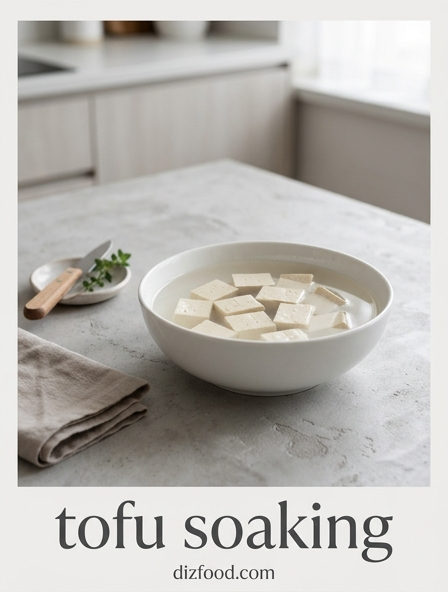
The Science of Saltwater Brining
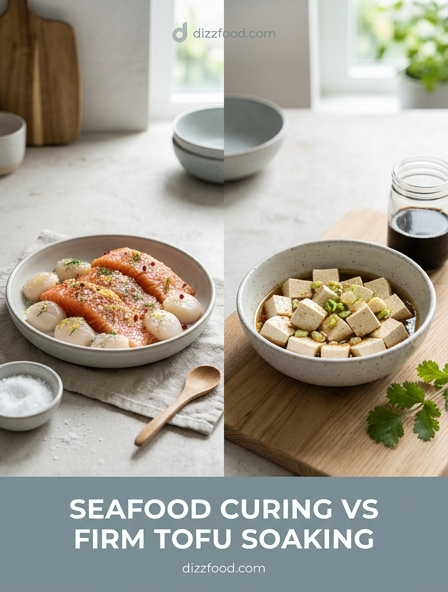
The process of soaking tofu in a saltwater solution is a fundamental technique used to alter its chemical composition and physical properties. When tofu is submerged in a warm brine, the salt initiates a series of reactions with the soy proteins. Specifically, the sodium ions interact with the protein molecules, causing them to tighten and expel excess internal moisture. This is more than just seasoning; it is a structural transformation that prepares the soy block for rigorous cooking methods. By drawing out the water that typically makes tofu feel soft or bland, the brine creates a more concentrated flavor profile.
- Sodium ions facilitate the contraction of protein strands.
- Hot water helps to "set" the outer layers of the tofu block.
- The concentration gradient ensures salt penetrates to the center.
- Expelled moisture allows for a more dense and chewy final product.
Furthermore, the use of warm water during the brining process helps to dissolve the salt more effectively and slightly cooks the exterior. This preliminary step ensures that when the tofu hits a hot pan, it is already partially stabilized, reducing the risk of it sticking or falling apart. The result is a seasoned, resilient ingredient ready for any culinary application.
Structural Integrity Through Controlled Hydration
Maintaining the structural integrity of tofu is a common challenge for chefs, especially when dealing with softer varieties. Controlled hydration through a saltwater soak provides a solution by managing how much water the tofu retains. Instead of being saturated with plain, flavorless water, the tofu undergoes a replacement process where the brine stabilizes the cellular walls of the soy curds. This prevents the common issue of tofu "weeping" water into a dish, which often dilutes sauces and ruins the texture of the meal.
- Drain the tofu from its original packaging liquid.
- Submerge the sliced pieces in a solution of warm water and sea salt.
- Allow the tofu to rest for at least fifteen minutes to ensure equilibrium.
- Pat the surfaces dry before introducing the tofu to the cooking vessel.
By following these steps, the tofu achieves a level of firmness that can withstand flipping, tossing, and stirring. The controlled hydration ensures that the interior remains moist and succulent while the exterior stays intact. This balance is crucial for maintaining the visual appeal of the dish, as crumbled or broken tofu pieces can often make a professional recipe look unappetizing or poorly executed.
Creating a Meaty Foundation for Marinating
Tofu is often criticized for being a "blank slate," but without proper preparation, it cannot effectively hold the flavors of a marinade. Saltwater soaking creates a "meaty" foundation by opening up the pore structure of the tofu while simultaneously removing the water that occupies those spaces. When you remove the water through a brine, you create a vacuum-like effect. Once the tofu is removed from the brine and patted dry, it becomes significantly more receptive to oil-based or acid-based marinades, pulling those flavors deep into its core.
| Method | Flavor Depth | Texture Result |
|---|---|---|
| No Soak | Surface level only | Soft and watery |
| Plain Water | None | Spongy |
| Saltwater Brine | Deeply seasoned | Firm and receptive |
This preparation stage is vital for plant-based cooking where the goal is to mimic the savory depth of animal proteins. A brined piece of tofu acts as a superior vehicle for soy sauce, ginger, garlic, or liquid smoke. The resulting bite is flavorful throughout, rather than just being seasoned on the outside, providing a more satisfying and complex eating experience.
How Brining Mimics Muscle Fiber Texture
The culinary appeal of meat often lies in its fibrous and chewy texture, something that raw tofu inherently lacks. However, the application of salt through a soak can bridge this gap. Salt causes the soy proteins to denature and cross-link more tightly. As these proteins bond, they create a denser network that mimics the resistance found in animal muscle fibers. This transformation is particularly noticeable when the tofu is sliced into thin strips or cubes and subjected to the brining process before being baked or fried.
- Denaturation: Salt breaks down the loose protein structures.
- Cross-linking: New, tighter bonds form between protein molecules.
- Tension: The resulting matrix provides a "snap" when bitten into.
- Resilience: The tofu bounces back rather than crumbling under pressure.
For those seeking a plant-based alternative to chicken or pork, this textural shift is revolutionary. It transforms the tofu from a gelatinous block into a hearty ingredient that requires effort to chew, much like a well-cooked piece of meat. This makes it an ideal candidate for sandwiches, wraps, and salads where a robust texture is required to balance out softer ingredients like bread or greens.
Optimizing Tofu Density for High Heat
Cooking tofu over high heat, such as in a wok or on a grill, requires the ingredient to have a specific density. If the tofu contains too much water, the heat will turn that water into steam, which prevents the tofu from browning and instead causes it to become mushy. Brining is the most effective way to optimize this density. By drawing out the excess moisture before the tofu ever touches the pan, you ensure that the heat can go directly toward searing the surface rather than evaporating internal liquid.
- Use a high-concentration brine to maximize moisture extraction.
- Ensure the tofu is sliced to the desired thickness before soaking.
- Dry the exterior thoroughly to prevent steam pockets.
- Apply high heat rapidly to lock in the established density.
The increased density also means the tofu is less likely to stick to the grill grates or the bottom of a stainless steel pan. Since the exterior proteins have been "tightened" by the salt, they form a protective skin that releases more easily from hot surfaces. This allows for the development of charred marks and smoky flavors that are characteristic of high-heat cooking, elevating the tofu from a simple side dish to a charred, savory centerpiece.
The Impact of Osmosis on Texture
At the heart of the brining process is the principle of osmosis. When tofu is placed in a saltwater solution, it is surrounded by a hypertonic environment, meaning the salt concentration outside the tofu is higher than the concentration inside. To reach equilibrium, water molecules move out of the tofu and into the brine. This natural physical process is what creates the desirable "chewy" texture that many enthusiasts crave. Unlike mechanical pressing, which can sometimes crush the delicate curds, osmosis works at a molecular level to remove moisture evenly.
- Equilibrium: The drive for balanced salt levels moves water out.
- Uniformity: Osmosis affects the entire block, not just the surface.
- Gentleness: The process preserves the shape while changing the density.
- Efficiency: It removes the "beany" aftertaste associated with excess soy water.
This scientific approach to cooking ensures consistent results every time. By understanding that osmosis is doing the heavy lifting, a cook can adjust the time and salt concentration to achieve the exact level of firmness required for a specific dish. Whether you want a slightly tender interior for a curry or a very firm texture for a vegan "bacon," manipulating the osmotic pressure is the key to success.
Preparing Firm Tofu for Better Absorbency
While firm and extra-firm tofu are the standard choices for frying, their dense nature can sometimes work against them when it comes to absorbing sauces. They are so tightly packed that liquid has a hard time penetrating the surface. Saltwater soaking addresses this by slightly "opening" the structure during the initial phase of the soak before the proteins tighten up. This creates micro-channels within the tofu. When the brined tofu is later simmered in a sauce, these channels act like a sponge, drawing the sauce into the middle of the cube.
| Tofu Type | Reaction to Brine | Best Use Case |
|---|---|---|
| Firm | Softens slightly then firms up | Stir-frys and salads |
| Extra-Firm | Becomes extremely resilient | Grilling and kabobs |
| Super-Firm | Minimal water loss, maximum seasoning | Meat replacements |
The result is a piece of tofu that is both firm to the touch and bursting with juice when bitten. This duality is the hallmark of well-prepared tofu. It avoids the common pitfall of "dry" tofu, which can occur when too much moisture is pressed out without a brine to replenish the internal flavor profile with seasoning.
Comparing Dry Pressing to Saltwater Soaking
For years, dry pressing was considered the gold standard for preparing tofu. This involves placing heavy weights on the block to squeeze out water. However, this method has limitations that saltwater soaking easily overcomes. Pressing can often lead to an uneven texture, where the outside is dry but the inside remains spongy, or worse, the block cracks under the pressure. Soaking, on the other hand, uses fluid dynamics to achieve a more uniform result while simultaneously seasoning the ingredient.
- Pressing takes longer, often requiring 30 to 60 minutes.
- Soaking seasons the tofu; pressing only removes moisture.
- Soaking preserves the aesthetic shape of the cubes or slices.
- Pressing can result in a "rubbery" texture if overdone.
In a busy kitchen, the efficiency of the soak method is undeniable. It allows the cook to prepare the tofu while other ingredients are being chopped, without the need for specialized equipment like tofu presses or towers of balanced plates. Ultimately, the saltwater soak provides a superior mouthfeel and a more professional finish, making it the preferred choice for modern plant-based culinary arts.
Achieving the Perfect Golden Crust
The "golden crust" is the most sought-after attribute of fried tofu. This is achieved through the Maillard reaction, a chemical reaction between amino acids and reducing sugars that gives browned food its distinctive flavor. For this reaction to occur efficiently, the surface of the tofu must be as dry as possible. Brining facilitates this by drawing out the moisture that would otherwise linger on the surface. When a brined, dried piece of tofu hits hot oil, the surface temperature rises rapidly, leading to a crisp, golden-brown exterior.
- Dehydration of the surface layer speeds up browning.
- Salt enhances the caramelization of the soy sugars.
- The tightened protein skin creates a smoother surface for frying.
- Reduced internal moisture prevents the crust from becoming soggy.
By using the brine method, you can achieve a crunch that rivals deep-fried snacks but with much less oil. The crust acts as a barrier, keeping the interior tender while providing a satisfying textural contrast. This technique is essential for dishes like General Tso's Tofu or crispy tofu nuggets, where the interface between the crunchy exterior and the soft interior defines the dish's success.
The Secret to Resilient Plant Based Bites
Resilience in food refers to the ability of an ingredient to maintain its texture even after being subjected to various cooking stages, such as frying followed by simmering in a heavy sauce. Brined tofu is incredibly resilient. Because the proteins have been pre-set and the excess water removed, the tofu does not "melt" or lose its shape when added to a boiling curry or a thick gravy. This makes it an ideal protein for meal prep, as it retains its bite even after being reheated several times.
- The "pre-set" proteins prevent the tofu from absorbing too much sauce and becoming mushy.
- It maintains a distinct "bite" even in liquid-heavy dishes.
- Brining acts as a preservative, slightly extending the shelf life of the cooked tofu.
- The structural stability allows for thinner, more delicate cuts.
In summary, the saltwater soak is the "secret" technique that separates amateur tofu dishes from restaurant-quality meals. It provides the necessary foundation for flavor, texture, and visual appeal. By treating tofu with the same scientific rigor as one would a piece of meat, the cook unlocks the full potential of this versatile plant-based protein, ensuring every bite is resilient, seasoned, and satisfying.

Comments