
Understanding Smoke Points for High Heat Frying
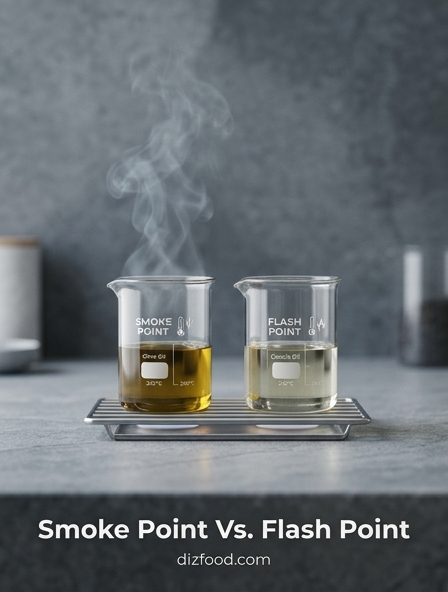
The smoke point of a cooking oil is the temperature at which it begins to break down, producing visible smoke and releasing harmful free radicals. In a kitchen setting, selecting an oil with a high smoke point is essential for techniques like deep frying, searing, and stir-frying. Polyunsaturated fats are often perceived as delicate, but many refined seed and grain oils possess the structural integrity to withstand significant thermal stress. When an oil reaches its smoke point, the glycerol backbone breaks away from the fatty acids, creating acrolein, a compound that imparts a bitter, scorched flavor to food.
For high-heat applications, chefs typically look for oils that exceed 400°F (204°C). This ensures that the oil remains chemically stable throughout the cooking process. Maintaining temperature control is not just about flavor; it is about preventing the oxidative degradation of the lipids. Using an oil with a low smoke point for high-heat frying results in the rapid formation of polar compounds, which can negatively impact both the nutritional quality of the meal and the longevity of the kitchen equipment.
Nutritional Breakdown of Soybean Oil vs Rice Bran Oil
Both soybean oil and rice bran oil are prominent fixtures in modern kitchens, yet their lipid profiles offer distinct nutritional advantages. Soybean oil is characterized by a high percentage of polyunsaturated fats, specifically linoleic acid, which makes it a staple for general purpose cooking. Rice bran oil, however, provides a more balanced distribution of fatty acids, leaning slightly more toward monounsaturated fats while maintaining a significant polyunsaturated presence. This balance contributes to its reputation as a heart-healthy alternative in various culinary traditions.
| Nutrient (per 100g) | Soybean Oil | Rice Bran Oil |
|---|---|---|
| Saturated Fat | 16g | 20g |
| Monounsaturated Fat | 23g | 39g |
| Polyunsaturated Fat | 58g | 35g |
| Vitamin E | 8.1mg | 32.3mg |
While soybean oil leads in polyunsaturated content, rice bran oil offers a higher concentration of monounsaturated fats and micronutrients. The choice between them often depends on whether the cook prioritizes essential fatty acids or a broader spectrum of fat types and vitamins.
The Role of Oryzanol in Rice Bran Oil Benefits
One of the most significant distinctions of rice bran oil in the kitchen is the presence of Gamma-Oryzanol. This unique complex of ferulic acid esters and sterols is not found in other common cooking oils like soybean or canola. Oryzanol acts as a potent antioxidant, providing the oil with enhanced thermal stability and a longer shelf life. In the context of human health, oryzanol has been studied for its ability to lower cholesterol by reducing its absorption in the digestive tract and increasing its elimination.
Beyond its physiological benefits, oryzanol contributes to the oil's performance during high-temperature cooking. It helps prevent the polymerization of fats, which often leads to the "sticky" residue found on kitchen surfaces after frying. The inclusion of this compound makes rice bran oil particularly suitable for commercial and home kitchens that require a durable, health-conscious medium for repetitive frying. Its ability to remain stable under heat ensures that the nutritional profile of the oil is preserved longer than oils lacking such specialized antioxidants.
Omega Fatty Acid Ratios in Common Cooking Oils
The balance between Omega-6 and Omega-3 fatty acids is a critical consideration for those focusing on inflammatory health within the kitchen. Most polyunsaturated fats found in vegetable oils are predominantly Omega-6. While these are essential fats that the body cannot produce on its own, an excessive intake relative to Omega-3s can lead to an imbalanced biological environment. Refined oils vary significantly in these ratios, affecting how they should be used in a daily diet.
- Soybean Oil: Typically features a ratio of approximately 7:1 (Omega-6 to Omega-3).
- Rice Bran Oil: Contains a much wider ratio, often exceeding 20:1, as it is very low in Omega-3.
- Flaxseed Oil: One of the few oils where Omega-3 exceeds Omega-6, though it is unsuitable for heat.
- Canola Oil: Offers a favorable ratio of about 2:1, making it a common recommendation for balance.
When using oils high in Omega-6, such as rice bran or soybean oil, it is often recommended to supplement the diet with Omega-3 rich sources like fish or flax to maintain an optimal nutritional equilibrium.
Flavor Neutrality and Culinary Versatility Comparison
In professional culinary environments, the flavor profile of an oil is just as important as its smoke point. Both soybean and rice bran oils are prized for their neutrality. A neutral oil does not compete with the delicate flavors of the ingredients, such as fresh seafood or lightly seasoned vegetables. This makes them ideal for a wide range of applications, from baking delicate cakes to whisking together a house-made vinaigrette. Soybean oil is the industry standard for processed foods and salad dressings because it provides a consistent, "invisible" mouthfeel.
Rice bran oil goes a step further by offering a very light, clean taste that is often described as slightly nutty but largely imperceptible once incorporated into a dish. Its lack of heavy "beany" notes-sometimes associated with lower-quality soybean oils-makes it a favorite for tempura and other light batters. This versatility allows the kitchen to stock fewer specialty oils, as these neutral polyunsaturated fats can bridge the gap between high-heat frying and room-temperature emulsification without altering the intended taste of the recipe.
Antioxidant Content for Healthier Deep Frying
Deep frying is often criticized for being unhealthy, but the antioxidant content of the oil used can mitigate some of the negative effects. When oils are heated for long periods, they undergo oxidation, forming harmful compounds. Oils rich in antioxidants, like Vitamin E (tocopherols and tocotrienols), act as a defense mechanism against this process. Rice bran oil is particularly rich in tocotrienols, a more potent form of Vitamin E that offers superior protection against lipid peroxidation compared to the tocopherols found in soybean oil.
The presence of these antioxidants serves two purposes in the kitchen:
- They protect the oil itself from going rancid during storage and high-heat cooking.
- They are partially absorbed by the food, providing a minor nutritional boost compared to oils that are purely fat.
By choosing an oil with a robust antioxidant profile, cooks can ensure that the fried food remains fresher for longer and that the oil does not produce the off-flavors associated with chemical degradation. This makes certain polyunsaturated fats a more responsible choice for those who enjoy occasional fried dishes.
Heart Health Impacts of Polyunsaturated vs Monounsaturated Fats
The debate between polyunsaturated (PUFA) and monounsaturated (MUFA) fats centers on their impact on cardiovascular health. PUFAs, found in high concentrations in soybean oil, are known to lower LDL (bad) cholesterol when they replace saturated fats in the diet. They also provide essential fats like linoleic acid. MUFAs, which are more prevalent in rice bran and olive oils, are equally celebrated for heart health but are generally more stable and less prone to oxidation than PUFAs.
In a kitchen context, a blend of both is often considered ideal. Diets high in MUFAs are associated with reduced inflammation, while PUFAs are essential for cell membrane integrity and brain function. Most modern nutritional guidelines suggest that substituting animal-based saturated fats with a combination of PUFA and MUFA-rich vegetable oils can significantly lower the risk of heart disease. Because rice bran oil provides a more even split between these two "good" fats, it is frequently marketed as a premium heart-healthy oil, whereas soybean oil is valued for its high PUFA delivery at a lower cost point.
Shelf Life and Oxidative Stability in the Kitchen
Oxidative stability refers to how resistant an oil is to reacting with oxygen, which causes rancidity and foul odors. Polyunsaturated fats are naturally more susceptible to oxidation because their chemical structure contains multiple double bonds. This makes the storage of these oils a critical factor in kitchen management. Soybean oil, being very high in PUFAs, can develop "painty" or fishy odors if stored in clear bottles under bright kitchen lights or near heat sources like the stovetop.
Rice bran oil exhibits surprisingly high oxidative stability despite its unsaturated nature, largely due to its high concentration of natural antioxidants like oryzanol and Vitamin E. To maximize the shelf life of any polyunsaturated fat, it should be stored in a cool, dark place, and containers should be tightly sealed to minimize air exposure. Buying smaller quantities that can be used within three to six months is a best practice for home cooks to ensure they are always using fresh oil that has not begun the process of silent oxidation, which can occur long before the oil smells noticeably bad.
Deep Frying Performance and Oil Absorption Rates
The physical properties of an oil affect the texture of the finished food, particularly the "greasiness" factor. One of the standout features of rice bran oil in professional kitchens is its low viscosity. A thinner oil flows more easily and tends to drain off the surface of fried foods more efficiently. Studies have indicated that food fried in rice bran oil can absorb up to 20% less oil than food fried in traditional vegetable oils like soybean oil. This results in a crispier texture and a lower caloric count for the final dish.
Furthermore, oils with high stability do not break down into polar compounds as quickly. High levels of polar compounds increase the viscosity of the oil over time, leading to more oil "clinging" to the food. This is why old, degraded oil produces soggy, oily results. Using an oil that maintains its integrity through multiple fry cycles ensures a consistent product. For the home cook, this means that even simple breaded items will have a lighter mouthfeel and a more professional finish when using a high-performance polyunsaturated or monounsaturated blend.
Final Verdict for Balanced Kitchen Nutrition
Choosing the right polyunsaturated fat for the kitchen involves balancing cost, flavor, and nutritional goals. Soybean oil remains the most accessible and cost-effective option, providing essential fatty acids and a neutral base for almost any recipe. However, for those willing to invest slightly more, rice bran oil offers a superior smoke point, a more balanced MUFA/PUFA ratio, and a unique antioxidant profile that enhances both shelf life and cooking performance. Its ability to reduce oil absorption also makes it a tactical choice for those monitoring calorie intake.
Ultimately, a well-stocked kitchen might include both. Soybean oil serves well for cold applications like dressings or short-duration cooking, while rice bran oil shines in high-heat environments where stability and health benefits are paramount. By understanding the chemical nuances of these polyunsaturated fats, cooks can make informed decisions that improve the taste of their food while supporting long-term wellness. Variety in oil selection is the best strategy for achieving a broad spectrum of fatty acids and maximizing the culinary potential of every meal prepared.





Comments