
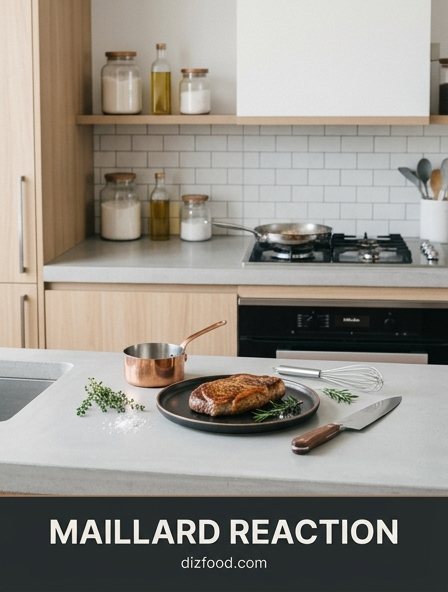
Ever wondered why fried treats are so irresistible? It's the magic of the Maillard reaction. When high heat meets proteins and reducing sugars, a complex chemical transformation occurs, resulting in that signature golden-brown hue and savory depth. This reaction doesn't just add flavor; it's the primary driver behind developing a shatteringly crisp exterior. As surface moisture escapes into the hot oil, the Maillard process builds a delicious, toasted crust that locks in juiciness. Mastering this crunchy effect is key to professional results, and it often starts with choosing between open pot frying vs. covered frying.
The Chemistry of Frying Success
The culinary magic of frying relies heavily on the Maillard reaction, a complex chemical process between amino acids and reducing sugars. When food is submerged in hot oil, the high temperature acts as a catalyst, initiating a series of rearrangements that transform the molecular structure of the surface. This reaction is not merely a single event but a cascade of hundreds of different pathways that create the characteristic depth of flavor found in fried delicacies. Unlike boiling, which is capped at 100°C, frying allows surface temperatures to soar, providing the activation energy required for these sophisticated chemical bonds to form.
As the heat penetrates the exterior, the kinetic energy increases, causing molecules to collide more frequently and with greater force. This environment is essential for the development of distinct sensory profiles. The success of a fried dish is measured by how effectively the chef manages this thermal energy to promote browning without crossing the threshold into carbonization. Understanding this chemistry allows for precise control over the final product, ensuring that every bite delivers a consistent and scientifically perfected gastronomic experience.
Amino Acids and Reducing Sugars
At the heart of the Maillard reaction are two primary reactants: amino acids, which are the building blocks of proteins, and reducing sugars like glucose and fructose. During the frying process, the carbonyl group of the sugar reacts with the nucleophilic amino group of the protein. This initial interaction forms an unstable N-substituted glycosylamine, which subsequently undergoes Amadori rearrangement. The specific types of amino acids present in the food dictate the resulting flavor compounds, making the protein source a critical variable in the kitchen.
- Lysine: Highly reactive and common in meats, contributing to intense browning.
- Glucose: A simple reducing sugar that initiates the reaction quickly at lower temperatures.
- Fructose: Often found in plant-based batters, it reacts faster than glucose due to its ketose structure.
- Glycine: Smallest amino acid, often resulting in sweet and caramel-like aromatic notes.
The balance between these two components determines the speed and intensity of the browning. Chefs often manipulate these ratios by adding ingredients like honey, milk, or specific flour blends to enhance the availability of these precursors on the food's surface.
Thermal Degradation and Surface Dehydration
For the Maillard reaction to thrive, the presence of liquid water must be significantly reduced. As food enters the hot oil, the surface moisture begins to evaporate violently, a phenomenon visible as vigorous bubbling. This stage is known as surface dehydration. Once the free water is removed, the surface temperature can rise above the boiling point of water, reaching the 140°C to 165°C range where browning accelerates. Without this dehydration, the food would remain pale and soft, as the energy would be consumed by latent heat of vaporization rather than chemical transformation.
Thermal degradation occurs simultaneously, breaking down complex polymers into simpler, more reactive molecules. This breakdown further fuels the browning process. If the temperature remains too low, the dehydration is insufficient, resulting in an oily, soggy exterior. Conversely, if the heat is too intense, the surface dehydrates too rapidly, leading to a burnt exterior while the interior remains undercooked. Precise thermal management ensures that the rate of dehydration stays in sync with the chemical degradation of the surface nutrients, resulting in a stable and flavorful crust.
The Link Between Color and Crunch
The visual transformation of food during frying is directly linked to its structural evolution. As the Maillard reaction progresses, it produces large, nitrogen-containing polymers called melanoidins. These molecules are responsible for the brown pigments we associate with well-cooked food. However, melanoidins do more than just change color; they contribute to the physical hardening of the food's exterior. This creates a structural matrix that we perceive as "crunch." The more extensive the network of these polymers, the more substantial the texture becomes.
The correlation between the intensity of the brown color and the level of crispness is a reliable indicator for the cook. A pale surface suggests that the molecular cross-linking is incomplete, leaving the cell walls soft and hydrated. As the color deepens toward a rich golden hue, the moisture has been expelled and the melanoidin structures have solidified. This synergy between optics and haptics is what makes the Maillard reaction the gold standard for fried textures. Monitoring this transition allows for a sensory assessment of the food's structural integrity before it even leaves the oil.
Achieving the Perfect Golden Brown
Achieving a perfect golden brown requires a disciplined approach to timing and temperature. The transition from raw to perfectly browned happens in distinct stages, and the window of perfection is often narrow. The cook must observe the food closely, looking for the specific shade of amber that signals peak flavor development. This process can be broken down into specific visual and chemical milestones that guide the frying process from start to finish.
- Initial Immersion: Rapid bubbling occurs as surface water turns to steam, keeping the oil from penetrating deeply.
- Induction Phase: The surface turns opaque, and the first precursors of the Maillard reaction begin to form.
- Browning Acceleration: The color shifts from cream to light tan as melanoidins begin to accumulate.
- Golden Peak: The optimal balance of flavor and texture is reached; the aroma becomes distinctly nutty and roasted.
- Carbonization Threshold: If left too long, molecules break down into bitter carbon, ruining the flavor profile.
Consistency in size and shape is vital here, as it ensures all pieces reach these milestones simultaneously. By controlling the surface-to-volume ratio, the cook can ensure the interior is done exactly when the exterior reaches its golden ideal.
Moisture Loss and Crust Formation
Crust formation is a race against time and internal moisture. As the exterior of the food dehydrates, it creates a porous, dry zone. This zone acts as a protective barrier, slowing the escape of internal juices while preventing excessive oil absorption. The physics of this process involves the creation of a "vapor pressure" within the food. As long as steam is escaping, it pushes outward, keeping the oil at bay. Once the moisture loss slows down, the risk of oil infiltration increases, which is why timing is critical.
The resulting crust is a complex architecture of dried starch granules and denatured proteins. In breaded or battered foods, this layer is even more pronounced. The starch gelatinizes initially and then dehydrates, forming a rigid glass-like state that provides the primary structural snap. This transition from a flexible, wet coating to a brittle, dry shell is the hallmark of successful frying. Maintaining the integrity of this crust requires high initial heat to set the structure quickly, followed by a steady temperature to cook the interior without compromising the exterior's delicate balance of dryness and oil.
Flavor Complexity Through Maillard Browning
The true genius of the Maillard reaction lies in the incredible array of aromatic compounds it generates. Unlike caramelization, which only involves sugars, the interaction with amino acids creates a far more diverse flavor palette. These compounds include pyrazines, pyrroles, and furans, which provide everything from earthy and meaty notes to floral and toasted aromas. Each food item presents a unique "chemical fingerprint" based on its specific amino acid profile, leading to the distinct taste differences between fried chicken, French fries, and tempura vegetables.
- Pyrazines: Responsible for roasted, nutty, and toasted scents.
- Thiazoles: Provide savory, meaty, and popcorn-like aromas.
- Furans: Contribute sweet, caramel, and burnt sugar notes.
- Alkylpyridines: Add bitter, green, or astringent complexity to the profile.
These volatile molecules are released into the air and onto the palate, creating a multi-sensory experience. Because many of these compounds are fat-soluble, the frying oil itself helps to carry and distribute these flavors across the tongue, enhancing the overall perception of richness and depth in the finished dish.
Optimal Frying Temperatures for Texture
Temperature control is the most significant factor in managing the Maillard reaction during frying. If the oil is too cold, the reaction proceeds too slowly, allowing the food to absorb oil before a crust can form. If the oil is too hot, the exterior burns before the interior can safely cook. Most frying occurs between 175°C and 190°C (350°F to 375°F). Within this range, the reaction is vigorous enough to develop flavor and texture efficiently while maintaining the moisture balance of the food.
| Temperature Range | Effect on Maillard Reaction | Texture Result |
|---|---|---|
| 150°C - 165°C | Slow, subtle browning | Soft, potentially greasy |
| 175°C - 185°C | Optimal reaction speed | Crispy, golden, balanced |
| 195°C+ | Rapid carbonization | Burnt exterior, raw interior |
Using a thermometer is essential, as the addition of cold food will cause the oil temperature to drop. Professional frying involves monitoring these fluctuations to ensure the Maillard reaction remains in the "sweet spot" throughout the entire cooking cycle.
The Role of pH in Browning
The alkalinity or acidity of the food's surface significantly influences the speed of the Maillard reaction. Chemical browning is favored in alkaline environments because the amino groups on proteins are less likely to be protonated. When the amino groups remain unprotonated, they are more nucleophilic and thus more reactive toward the carbonyl groups of sugars. This is why many recipes for fried foods include ingredients like baking soda or are dipped in alkaline solutions (like pretzels) to promote a deeper, faster brown.
Conversely, acidic environments inhibit the reaction. Adding lemon juice or vinegar to a marinade can slow down browning, which might be desired if the food needs a longer cooking time without becoming too dark. By adjusting the pH, a cook can effectively "tune" the Maillard reaction to suit the specific needs of the dish. For example, a slightly alkaline batter will produce a dark, robust crust in a shorter amount of time, whereas a more acidic batter will remain pale and delicate. Understanding this relationship allows for greater precision in visual and flavor outcomes.
Mastering the Crispy Exterior Barrier
The final stage of the frying process involves preserving the crispy barrier created by the Maillard reaction. Once the food is removed from the oil, it is vulnerable to "sogging," which happens when internal steam migrates outward and softens the crust. To prevent this, fried foods should be placed on a wire rack rather than a flat surface. This allows air to circulate and steam to escape from all sides, maintaining the dry, polymerized structure of the melanoidins. Any delay in service can compromise the delicate balance achieved during the frying process.
Mastering this barrier also involves understanding oil management. Clean oil with a high smoke point ensures that no off-flavors interfere with the pure Maillard aromas. Furthermore, as oil breaks down through repeated use, it develops surfactants that can actually help the oil "wet" the food better, sometimes improving the heat transfer and browning efficiency up to a certain point. By combining the science of heat transfer, chemical reactivity, and post-fry handling, a cook ensures that the crispy, flavorful exterior remains the highlight of the dish from the kitchen to the table.

Comments