
If you've ever wondered how high-end restaurants achieve that elusive "shatter-crisp" exterior while maintaining a pillowy, cloud-like interior, the secret lies in mastering the preliminary cook. While casual home cooks often go straight for the high heat, professionals utilize blanching and par-frying to manipulate starch gelatinization and moisture content. Blanching in water focuses on inactivating enzymes and stripping away excess surface sugars to prevent premature browning, whereas par-frying in oil creates a structural "skin" that locks in fluffiness. Understanding the synergy between these two methods is the definitive shortcut to achieving a golden, professional-grade crunch that stays crispy long after it leaves the fryer.
| Feature | Water Blanching | Oil Par-Frying |
|---|---|---|
| Cooking Medium | Boiling or simmering water | Neutral fry oil (low temp) |
| Temperature | 170°F - 212°F (77°C - 100°C) | 300°F - 325°F (150°C - 163°C) |
| Primary Goal | Sugar removal & enzyme arrest | Moisture reduction & crust setting |
| Internal Effect | Softens cell walls uniformly | Gelatinizes starches for structure |
| Surface Texture | Clean, smooth, and matte | Slightly blistered, semi-rigid skin |
| Best For | Preventing dark spots (oxidation) | Maximized crunch and shelf stability |
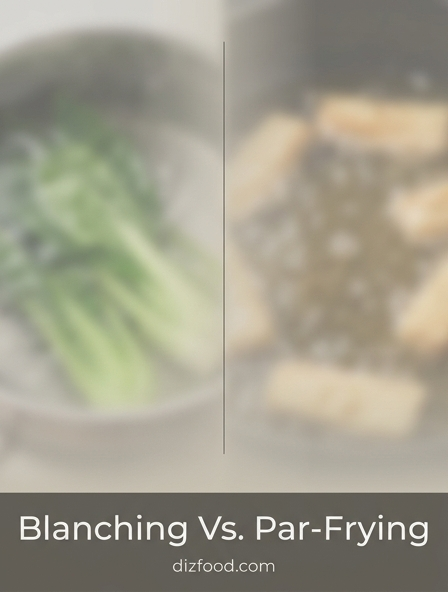
Understanding Blanching and Par-Frying Basics
Blanching and par-frying represent two fundamental pre-cooking techniques used in professional and home kitchens to prepare ingredients for further processing. While both involve partially cooking food to save time later, their mechanisms and intended outcomes differ significantly. Blanching typically involves plunging vegetables or fruits into boiling water or steam for a brief period, followed immediately by an ice bath to "shock" the food and stop the cooking process. This technique is primarily used to soften tissues, remove skins, or prepare items for freezing.
Par-frying, or partial frying, is the process of cooking food in hot oil at a lower temperature than the final fry. This is most commonly seen in the production of French fries, where the initial fry cooks the interior of the potato without browning the exterior. Both methods serve as "bridge" steps in a multi-stage culinary workflow. The basic objectives for these methods include:
- Reducing final preparation time during peak service hours.
- Modifying the internal structure of the ingredient.
- Preparing the surface for subsequent heat application.
- Extending the shelf life of fresh produce.
Understanding these basics is essential for any cook looking to master texture and efficiency. While blanching focuses on moisture and enzymatic control, par-frying focuses on starch gelatinization and fat integration. Choosing between them depends entirely on the desired final result of the dish, whether it be a crisp, golden exterior or a vibrant, tender-crisp vegetable.
Key Differences in Cooking Mediums
The most immediate distinction between blanching and par-frying lies in the medium used to transfer heat to the food. Blanching utilizes water or steam, which are polar mediums that interact with the water-soluble components of the food. Water has a high specific heat capacity, meaning it transfers heat efficiently but is capped at its boiling point. Because water is the medium, it can also lead to the leaching of certain water-soluble vitamins and minerals if the process is not carefully timed.
In contrast, par-frying uses lipids-oils or fats-as the heat transfer medium. Oil can be heated to much higher temperatures than water, although par-frying usually occurs at the lower end of the frying spectrum. Unlike water, oil is non-polar and does not dissolve the same nutrients; however, it introduces fat into the food's composition. The interaction between the food and the medium determines the flavor profile and the physical state of the ingredient's surface.
| Feature | Blanching Medium (Water) | Par-Frying Medium (Oil) |
|---|---|---|
| Maximum Temperature | 212°F (100°C) | Typically 300°F-375°F |
| Impact on Flavor | Neutral / Slight leaching | Adds richness / Fat absorption |
| Heat Transfer Efficiency | High | Very High |
| Surface Interaction | Hydrates surface | Dehydrates surface |
How Blanching Preserves Food Color
One of the primary aesthetic reasons for blanching is the enhancement and preservation of natural colors, particularly the deep greens found in chlorophyll-rich vegetables like broccoli, spinach, and green beans. When green vegetables are submerged in boiling water, the gas trapped between the plant cells is expanded and released. This removal of air allows the microscopic pigments to be seen more clearly, resulting in a more vivid, bright green hue. However, if cooked too long, the acids within the plant cells are released, breaking down the chlorophyll into pheophytin, which turns the vegetable a dull olive-grey.
Blanching also inhibits enzymatic browning. Many fruits and vegetables contain enzymes such as polyphenol oxidase, which react with oxygen to turn the flesh brown once cut. The rapid heat of blanching denatures these proteins, effectively "killing" the biological catalysts responsible for discoloration. By following the hot plunge with an ice bath, the cook ensures that the residual heat does not continue to cook the vegetable, which would eventually lead to the degradation of these bright pigments. This process is essential for frozen vegetables found in grocery stores, as it ensures they remain visually appealing even after months of storage. Without this step, frozen produce would eventually turn brown or grey due to slow enzymatic activity even at sub-zero temperatures.
The Role of Par-Frying in Texture
Par-frying is a transformative process that focuses almost entirely on the structural integrity and mouthfeel of the food. When an item like a potato or chicken wing is par-fried, the goal is to cook the interior through while simultaneously initiating a change in the surface starch. During the first fry, the heat is kept moderate so that moisture within the food can turn to steam, cooking the fibers or starches without burning the outside. This results in a soft, fully cooked interior that is protected by a slightly toughened, but not yet crispy, outer layer.
The texture of par-fried foods is defined by starch gelatinization. In potatoes, for example, the starch granules absorb moisture and swell, creating a fluffy internal texture. Because the oil temperature is lower than that used for the final fry, the Maillard reaction-which causes browning-is kept to a minimum. This allows the food to be cooled and stored, creating a "blank canvas" for the second, higher-heat fry. This two-stage process is what creates the contrast between a pillowy interior and a shatteringly crisp exterior. If one were to fry the food only once at a high temperature, the outside would burn before the inside reached the desired soft texture. Par-frying bridges this gap, ensuring that the structural foundation of the food is perfect before the final finish is applied.
Temperature Thresholds for Each Method
Precision in temperature is what separates professional preparation from amateur results. In blanching, the temperature is naturally regulated by the boiling point of water. However, the ratio of water to food is critical; adding too much food to a small pot will drop the temperature significantly, leading to "soaking" rather than blanching. This can cause the food to become mushy. For steam blanching, temperatures remain at approximately 212°F, but the heat transfer is slightly slower than immersion, making it a gentler option for delicate items like berries or certain herbs.
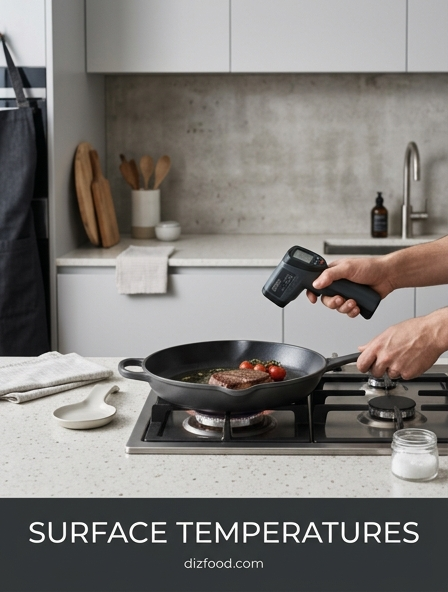
Par-frying requires a much more controlled range of temperatures. Typically, the par-fry occurs between 300°F and 325°F (149°C to 163°C). At this threshold, the oil is hot enough to cause rapid bubbling-which is the moisture leaving the food-but not so hot that it triggers immediate carbonization of sugars. If the temperature drops too low (below 300°F), the food will absorb excessive amounts of oil, becoming greasy rather than pre-cooked. Conversely, if it exceeds 350°F during the par-fry stage, the exterior will brown prematurely, preventing the interior from cooking through and ruining the "double-fry" effect. Using a digital thermometer or a dedicated deep fryer is essential for maintaining these specific thresholds, as even a 20-degree variance can drastically alter the final quality of the ingredient.
Enzyme Inactivation versus Surface Sealing
The chemical goals of these two methods are fundamentally different. Blanching is primarily a biological "off-switch." Vegetables are living tissues that contain enzymes designed to continue the ripening and eventual decomposition of the plant. By applying heat via blanching, you denature these enzymes, such as catalase and peroxidase. This stop-motion effect is vital for maintaining flavor, as it prevents the development of "off" flavors that can taste bitter or metallic over time. It is a process of stabilization through heat-induced protein breakdown.
Par-frying, on the other hand, is about surface engineering. Instead of focusing on enzyme inactivation, par-frying focuses on sealing the surface through a combination of dehydration and starch modification. When the food hits the hot oil, the surface moisture evaporates instantly, creating a barrier of steam that prevents the oil from penetrating too deeply into the center. Simultaneously, the starches on the surface form a pellicle or a thin skin. This "sealing" process is not a literal waterproof seal, but rather a structural hardening that prepares the food to withstand the intense heat of a second fry. While blanching prepares the food internally by stopping biological processes, par-frying prepares the food externally by creating the physical conditions necessary for a future Maillard reaction. One is about preservation; the other is about preparation for textural excellence.
Moisture Control in Pre-Cooking Processes
Moisture is the enemy of crispiness but the friend of tenderness. In blanching, the goal is to maintain the internal moisture of the vegetable. Because the cooking medium is water, the food does not dry out; instead, it may even gain a small amount of weight as water enters the cellular structure. This is why blanched vegetables feel heavy and succulent. However, the surface must be dried thoroughly after the ice bath if the food is to be subsequently sautéed or roasted, otherwise, the excess water will create steam in the pan and prevent browning.
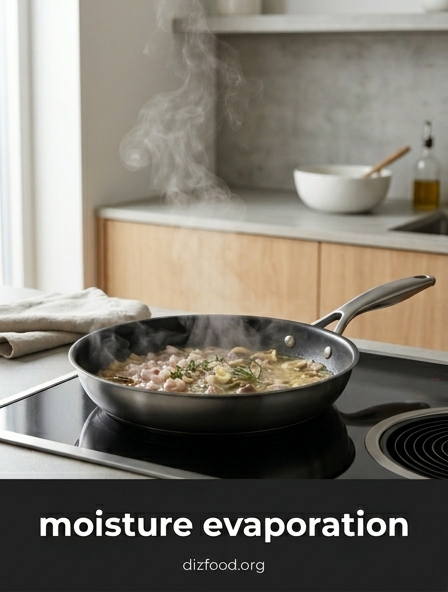
In par-frying, moisture control is about managed evaporation. The bubbling seen during frying is literally the water inside the food escaping as steam. This internal steam is crucial because it pushes outward, preventing oil from entering. The goal of the par-fry is to remove just enough moisture from the outer layers so that they can eventually become crisp, while leaving enough moisture in the center to keep the food from becoming a hard, dry husk. This delicate balance is why par-fried foods are often air-dried or chilled after the first fry. Chilling helps to pull even more moisture away from the surface via evaporation in the dry environment of a refrigerator, which is the secret to the world's best French fries. Effective moisture management in both techniques determines whether the final dish is vibrant and juicy or perfectly crisp and light.
Impact on Final Dish Crispness
While blanching can indirectly contribute to crispness by softening tough fibers so they can be quickly seared, par-frying is the undisputed king of crisp. The "double-fry" method, which relies on an initial par-fry, is the gold standard for achieving a thick, crunchy crust. During the par-fry, the starch on the surface of the food undergoes a process called retrogradation when it cools. This means the starch molecules rearrange themselves into a more crystalline structure. When these "set" starches are hit with the high heat of a second fry (usually 375°F or higher), they dehydrate rapidly and form a rigid, porous network that we perceive as crunch.
Blanched foods rarely achieve this level of crispness because their surfaces remain hydrated. A blanched green bean can be quickly "blistered" in a hot wok to get some char and snap, but it will never have the structural crunch of a par-fried item. The impact on the final dish is a matter of contrast:
- Blanched: Results in a "snap" or "tender-crisp" bite where the resistance comes from the cell walls of the plant.
- Par-Fried: Results in a "shatter" or "crunch" bite where the resistance comes from a dehydrated, oil-browned starch matrix.
Nutritional Profiles and Oil Absorption
The choice between blanching and par-frying has significant implications for the nutritional profile of the final meal. Blanching is generally considered the healthier option, as it adds no fat and, if done quickly, preserves a high percentage of vitamins A and C. However, because it uses water, it can lead to the loss of B-complex vitamins and minerals like potassium, which leach into the cooking water. For this reason, steam blanching is often preferred by nutrition-conscious cooks to minimize nutrient loss while still achieving enzyme inactivation.
Par-frying fundamentally changes the caloric density of the food. Even if the oil is hot and the frying is brief, the food will absorb a certain percentage of its weight in fat. The amount of oil absorbed depends heavily on the surface area and the temperature of the oil. If the oil is too cool during the par-fry, the "steam barrier" is weak, and the oil will seep into the interior, significantly increasing the fat content. On the other hand, the fat used in par-frying can sometimes make fat-soluble vitamins (like vitamins A, D, E, and K) more bioavailable to the body. Despite this, for those monitoring caloric intake, blanching remains the superior choice, while par-frying is reserved for dishes where texture and flavor richness are prioritized over strict nutritional optimization.
Choosing the Right Technique for Storage
Selecting the appropriate pre-cooking method is often dictated by how the food will be stored before the final assembly. Both techniques are excellent for "mise en place," but they suit different categories of food. Blanching is the standard for long-term preservation of vegetables in the freezer. By stopping the biological clocks of the produce, blanching ensures that the food retains its flavor and texture for months. Without blanching, frozen vegetables often become tough, stringy, and develop a "hay-like" odor.
Par-frying is the preferred method for short-to-medium term storage of items intended for frying. Most commercial frozen French fries are par-fried at the factory, then frozen. This is because the par-frying process creates a stable, partially cooked structure that survives the freezing process better than raw potatoes. When choosing a technique for your kitchen, consider the following:
- Use Blanching for: Green vegetables, tomatoes (for peeling), nuts (for skinning), and anything intended for boiling, steaming, or light sautéing.
- Use Par-Frying for: Starchy potatoes, breaded proteins, chicken wings, and anything where a crunchy, fried exterior is the ultimate goal.
- Storage: Blanched items should be patted dry and sealed tightly; par-fried items should be cooled to room temperature, then chilled or frozen in a single layer to maintain their shape.
By matching the technique to the storage method, you ensure that the final dish tastes as fresh as the day the ingredients were prepared.

Comments