
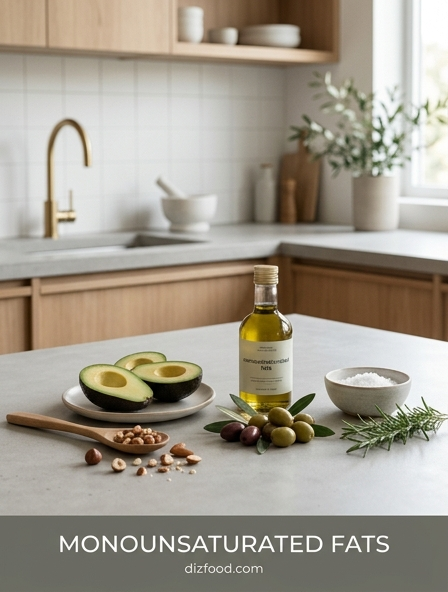
Defining Monounsaturated Fats for High Heat
Monounsaturated fatty acids, often abbreviated as MUFAs, are characterized by a unique molecular structure containing a single double bond. In the context of the kitchen, this chemical arrangement is critical because it strikes a balance between the rigidity of saturated fats and the vulnerability of polyunsaturated fats. Unlike polyunsaturated oils, which contain multiple double bonds that are easily broken by heat, monounsaturated fats remain relatively stable when exposed to standard cooking temperatures. This makes them a preferred choice for various culinary techniques ranging from light sautéing to high-heat roasting.
Commonly found in plant-based sources, these fats are typically liquid at room temperature but may begin to solidify when chilled in a refrigerator. When selecting oils for the kitchen, understanding the concentration of oleic acid-the primary monounsaturated fat-is essential for predicting how the oil will behave under thermal stress. The following oils are recognized for their high monounsaturated content:
- Avocado Oil: Extremely high in MUFAs and heat tolerance.
- Olive Oil: The most famous source, ideal for medium-heat applications.
- High-Oleic Sunflower Oil: Specifically bred to maximize monounsaturated levels.
- Macadamia Nut Oil: Offers a rich flavor with a stable lipid profile.
Superior Smoke Points for Safe Frying
The smoke point of a cooking fat is the temperature at which it begins to break down, releasing visible smoke and producing harmful compounds like acrolein. For safe frying, utilizing monounsaturated fats with high smoke points is paramount. When an oil reaches its smoke point, the physical and chemical properties change, leading to an unpleasant bitter taste and the destruction of beneficial nutrients. Monounsaturated fats, particularly in their refined forms, offer some of the highest smoke points available in the culinary world.
Choosing an oil with a smoke point well above your intended cooking temperature ensures that the fatty acids remain intact, protecting both the flavor of the food and the health of the consumer. Refined avocado oil, for instance, is a kitchen powerhouse because it can withstand temperatures that would cause butter or unrefined vegetable oils to scorch and polymerize.
| Oil Variety | Approximate Smoke Point | Primary Fat Type |
|---|---|---|
| Refined Avocado Oil | 520°F (271°C) | Monounsaturated |
| High-Oleic Safflower Oil | 450°F (232°C) | Monounsaturated |
| Extra Virgin Olive Oil | 375°F (190°C) | Monounsaturated |
| Tea Seed Oil | 485°F (252°C) | Monounsaturated |
Cardiovascular Benefits of Healthy Cooking Oils
Integrating monounsaturated fats into daily meal preparation is a cornerstone of heart-healthy cooking. Unlike trans fats or excessive saturated fats, MUFAs are associated with improved cardiovascular markers. When used to replace less healthy fats in the kitchen, these oils contribute to a decrease in overall inflammation and a better balance of blood lipids. The Mediterranean diet, which relies heavily on monounsaturated fats from olive oil, serves as a primary example of how these lipids support long-term heart function and arterial health.
Beyond their direct impact on the heart, monounsaturated fats facilitate the absorption of fat-soluble vitamins (A, D, E, and K) and antioxidants found in vegetables. This means that sautéing spinach in olive oil or roasting carrots in avocado oil actually increases the nutritional value of the meal. By maintaining a kitchen stocked with high-quality monounsaturated options, home cooks can ensure that every meal serves as a functional tool for maintaining a healthy circulatory system and reducing the risk of heart-related ailments.
Resisting Thermal Oxidation and Free Radicals
Thermal oxidation occurs when heat causes oil to react with oxygen, leading to the formation of free radicals and polar compounds. These byproducts are not only detrimental to the flavor of the dish but are also linked to cellular damage in the body. Monounsaturated fats are significantly more resistant to this oxidative stress than polyunsaturated fats, such as corn or soybean oil. The single double bond in a MUFA molecule provides a level of structural integrity that prevents the rapid "chain reaction" of oxidation that occurs in oils with multiple double bonds.
In a kitchen environment, this resistance translates to a cleaner cooking process. Oils that resist oxidation do not become "gummy" on the surface of pans as easily and maintain their clarity longer during the cooking cycle. To further enhance this natural resistance, many monounsaturated oils contain natural antioxidants like Vitamin E (tocopherols), which act as a secondary defense mechanism against free radical formation. This chemical stability makes them the superior choice for any cooking method involving prolonged exposure to heat, such as slow-roasting or shallow-frying.
Impact on LDL Cholesterol Levels
One of the most significant advantages of using monounsaturated fats in the kitchen is their specific effect on blood cholesterol profiles. Clinical studies consistently demonstrate that replacing saturated fats-such as lard, butter, or palm oil-with monounsaturated fats leads to a reduction in Low-Density Lipoprotein (LDL) cholesterol, often referred to as "bad" cholesterol. High levels of LDL are a primary contributor to plaque buildup in the arteries, which can lead to atherosclerosis and hypertension.
Crucially, monounsaturated fats achieve this reduction without lowering High-Density Lipoprotein (HDL), or "good" cholesterol, which helps clear cholesterol from the bloodstream. This selective improvement of the LDL-to-HDL ratio is why nutritionists recommend MUFA-rich oils for daily cooking. Using these fats in place of traditional solid fats provides a simple, effective way to manage cholesterol through diet. The process is straightforward:
- Substitute butter with olive oil when preparing pastas or vegetables.
- Use avocado oil instead of shortening for high-heat browning.
- Employ nut-based oils for salad dressings to maintain healthy lipid levels.
Nutritional Stability During Intense Searing
High-intensity cooking techniques, such as searing steaks or flash-frying vegetables, require a fat that can maintain its nutritional profile under duress. While many delicate oils lose their health benefits the moment they touch a hot pan, monounsaturated fats are prized for their "nutritional stamina." The oleic acid that dominates these oils remains stable at the high temperatures required to achieve a Maillard reaction-the chemical process that creates the flavorful brown crust on seared foods.
Furthermore, many premium monounsaturated oils are unrefined or cold-pressed, retaining a high concentration of polyphenols and plant sterols. While some of these sensitive compounds may diminish slightly at very high heat, the bulk of the fatty acid profile remains unchanged. This ensures that the food is not only delicious but also retains the essential fatty acids your body requires for hormone production and brain health. Choosing a MUFA-rich oil for searing ensures that the high heat facilitates flavor without compromising the fundamental integrity of the cooking medium.
Comparing Saturated and Monounsaturated Options
In the kitchen, the debate between saturated and monounsaturated fats often centers on stability versus health. Saturated fats, like coconut oil and tallow, have no double bonds, making them incredibly resistant to heat and oxidation. However, their link to elevated LDL cholesterol remains a concern for many. Monounsaturated fats provide a "middle ground" that offers sufficient stability for most home cooking while providing documented cardiovascular benefits that saturated fats lack.
When comparing these options, it is helpful to look at their physical properties and culinary applications. Monounsaturated oils provide a lighter mouthfeel and do not "mask" the flavors of the ingredients as heavily as some animal-based saturated fats might. Below is a comparison of common kitchen fats and their typical compositions:
- Olive Oil: ~73% Monounsaturated, ~14% Saturated.
- Butter: ~26% Monounsaturated, ~51% Saturated.
- Avocado Oil: ~71% Monounsaturated, ~12% Saturated.
- Lard: ~45% Monounsaturated, ~39% Saturated.
This data illustrates that while animal fats do contain some MUFAs, plant-based oils offer a much more concentrated and heart-healthy ratio for the conscious cook.
Anti-Inflammatory Properties of Premium Oils
Chronic inflammation is a root cause of many modern health issues, and the types of fats used in the kitchen can either exacerbate or soothe this condition. Monounsaturated fats, particularly those derived from olives and avocados, are rich in oleic acid, which has been shown to reduce markers of inflammation such as C-Reactive Protein (CRP). Some extra virgin oils also contain specific phenolic compounds, such as oleocanthal, which mimic the anti-inflammatory effects of ibuprofen.
Using these premium oils in the kitchen provides a daily dose of anti-inflammatory support. To maximize these benefits, it is often best to use high-quality, cold-pressed oils for finishing dishes or in low-heat applications where the delicate anti-inflammatory compounds are fully preserved. By choosing monounsaturated fats over highly processed seed oils-which are often high in pro-inflammatory omega-6 fatty acids-cooks can create a kitchen environment that actively promotes healing and reduces systemic stress on the body's tissues and joints.
Maintaining Heart Health at High Temperatures
The challenge of healthy cooking is ensuring that "good" fats do not turn "bad" when the stove is turned up. Maintaining heart health at high temperatures requires an understanding of how fatty acids behave under thermal pressure. Monounsaturated fats are the ideal candidate for this task because their molecular structure is less likely to undergo "cyclization" or polymerization during a standard cooking session. This means that the oil you pour into the pan remains chemically similar to the oil you consume, preventing the ingestion of toxic dimers and polymers.
To maintain heart health while cooking at high heat, it is recommended to follow a few kitchen protocols. First, never allow the oil to reach its smoke point. Second, avoid reusing oil that has been heated multiple times, as each heating cycle slightly degrades the monounsaturated bonds. Finally, store your oils in cool, dark places to prevent light-induced oxidation before they even reach the pan. These practices, combined with the natural resilience of MUFAs, ensure that your cooking remains a vehicle for health rather than a source of dietary toxins.
Selecting the Best Monounsaturated Frying Fats
Choosing the right fat for frying involves balancing flavor, smoke point, and monounsaturated content. For deep frying or high-heat pan frying, refined versions of monounsaturated oils are generally superior because the refining process removes impurities that would otherwise lower the smoke point. For lighter frying or sautéing, unrefined oils can be used to take advantage of their superior flavor profiles and additional micronutrients.
When shopping for these fats, look for "high-oleic" labels on sunflower, safflower, or canola oils, as these have been specifically processed or bred to contain higher levels of monounsaturated fats than their standard counterparts. This ensures maximum stability and health benefits. Consider the following criteria when selecting your primary kitchen oils:
- Refinement Level: Refined for high heat; unrefined for flavor and dressings.
- Packaging: Dark glass or tin to protect against light damage.
- Source: Single-origin oils often provide better purity than "vegetable oil" blends.
- Freshness: Check "pressed on" dates to ensure the MUFAs haven't begun to degrade.


Comments