
The Science of Gelatinization
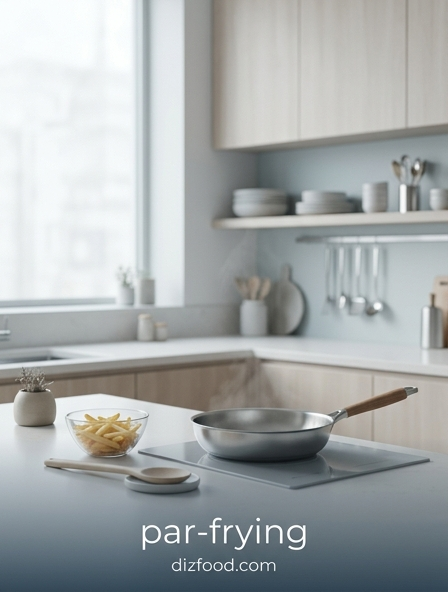
In the initial phase of par-frying, the focus lies on the transformation of raw starches through gelatinization. This process occurs when starch granules within the food, such as a potato or dough, are heated in the presence of internal moisture. As the temperature rises between 140°F and 160°F, the semi-crystalline structure of the starch begins to break down. The granules absorb water and swell, eventually bursting and releasing amylose and amylopectin molecules. This transition is vital for par-frying because it ensures the interior is fully cooked and soft before the final exterior crisping occurs.
- Irreversible swelling of starch granules.
- Breakdown of intermolecular bonds in starch molecules.
- Increased translucency and viscosity of the internal cellular matrix.
- Release of long-chain glucose polymers that provide structural support.
Without proper gelatinization during the first fry, the final product often remains raw or chalky in the center. The par-frying stage effectively "sets" the internal architecture, allowing the subsequent high-heat fry to focus exclusively on surface dehydration and the development of the Maillard reaction. This biological and chemical synergy is what creates the contrast between a fluffy interior and a brittle exterior.
Selecting High Smoke Point Oils
The success of a par-fry operation depends heavily on the thermal stability of the chosen cooking medium. Choosing an oil with a high smoke point is non-negotiable, as the fat must withstand multiple heating cycles without breaking down into acrolein and free fatty acids. For par-frying, which typically occurs at lower temperatures, and the subsequent flash-fry at higher temperatures, the oil must remain chemically neutral and physically stable throughout both stages.
| Oil Type | Smoke Point (°F) | Best Use Case |
|---|---|---|
| Refined Peanut Oil | 450°F | Deep frying with neutral flavor. |
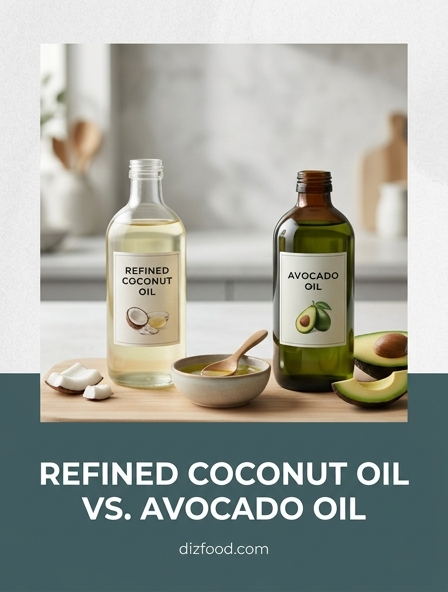
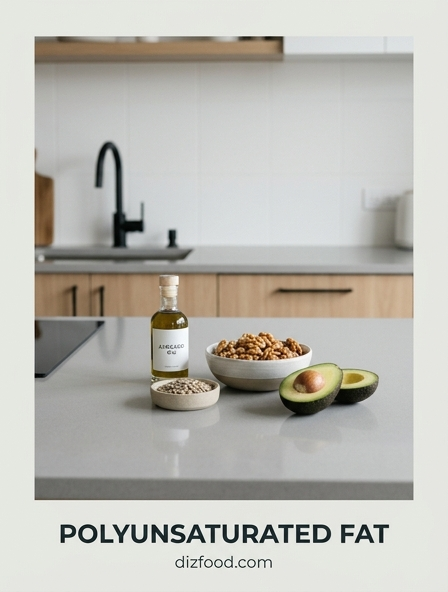
| Avocado Oil | 520°F | High-heat searing and flash-frying. |
| Canola Oil | 400°F | Cost-effective bulk par-frying. |
| Grapeseed Oil | 420°F | Clean finishes and delicate textures. |
Utilizing oils with low smoke points, such as extra virgin olive oil or unrefined nut oils, will result in premature oxidation. This creates bitter flavors and potentially harmful compounds that permeate the food during the long immersion period of the par-fry. A stable oil ensures that the flavor of the ingredient remains the focal point while providing the necessary heat transfer efficiency required for uniform cooking.
The Critical First Blanching Stage
The first stage of the par-fry process, often referred to as blanching in oil, is performed at a moderate temperature, typically ranging from 300°F to 325°F. The goal here is not to achieve color, but to cook the food item through to its core while beginning the dehydration of the surface. This lower temperature prevents the exterior from burning while the interior undergoes the necessary enzymatic and structural changes required for palatability.
- Preheat oil to a stable 325°F using a calibrated thermometer.
- Submerge the product in small batches to prevent temperature drops.
- Fry until the item is tender but still pale in color.
- Remove and drain immediately to prevent excess oil absorption.
During this stage, moisture is slowly driven out from the outer layers of the food, creating a porous surface that will later become crispy. If the temperature is too high, the surface seals too quickly, trapping moisture inside and leading to a soggy final product. If too low, the food will act as a sponge, absorbing oil and becoming greasy rather than crisp. Mastery of this stage is the foundation of professional-grade frying.
Cooling and Moisture Evaporation
Perhaps the most overlooked step in the par-frying sequence is the cooling period between the first and second fry. Once the item is removed from the initial oil bath, it continues to cook via carryover heat. More importantly, the cooling phase allows for significant moisture evaporation. As the product cools, steam escapes from the interior, further drying the surface. This dehydration is essential because water is the enemy of crispness; any residual surface moisture will turn to steam in the second fry, preventing the formation of a rigid crust.
During this rest period, the gelatinized starches undergo a process called retrogradation. The starch molecules begin to realign and toughen, creating a more durable structure that can withstand the intense heat of the final flash-fry. Professional kitchens often utilize wire racks to ensure maximum airflow around the product, preventing the bottom side from becoming steamed and soft. For optimal results, some chefs even refrigerate or freeze the par-fried items, which further pulls moisture out and helps the starch granules lock into place, ensuring a superior crunch upon the second immersion.
Starch Barriers for Crispness
To enhance the textural contrast of par-fried foods, many techniques involve the application of additional starch barriers. Whether through a light dusting of potato starch or a complex batter, these additives increase the surface area available for the Maillard reaction and caramelization. These barriers act as a sacrificial layer that dehydrates rapidly in the oil, protecting the delicate interior while forming a rigid, lattice-like structure that provides the "snap" associated with high-quality fried foods.
- Cornstarch: Provides a thin, glass-like crunch.
- Rice Flour: Offers a light, airy texture that stays crisp longer.
- Potato Starch: Creates a craggy, rugged surface ideal for holding sauces.
- Wheat Flour: Develops deep color and rich, toasted flavors.
The interaction between these starches and the par-frying process is transformative. During the first fry, the starch coating hydrates and partially cooks. During the resting phase, it dries out and hardens. When it hits the high-heat oil for the second time, the remaining moisture is violently expelled, leaving behind a porous and brittle shell. This method is particularly effective for high-moisture ingredients like chicken or vegetables, where a natural crust is difficult to achieve.
High Heat Flash Frying
The final stage of the par-frying method is the flash fry, which occurs at significantly higher temperatures, usually between 375°F and 400°F. This stage is brief, often lasting only 60 to 90 seconds. The primary objective is to trigger the Maillard reaction-a chemical reaction between amino acids and reducing sugars that gives browned food its distinctive flavor and color. Because the interior is already cooked and the surface is pre-dehydrated, the high heat works almost instantly to create a golden-brown finish.
- Elevate oil temperature to a minimum of 375°F.
- Work in very small batches to maintain extreme heat.
- Agitate the items constantly to ensure even browning.
- Remove immediately once the desired mahogany hue is achieved.
This high-temperature immersion also serves to "blow off" any oil that may have been absorbed during the first, lower-temperature fry. The rapid expansion of remaining internal steam creates a positive pressure that pushes oil away from the surface, resulting in a product that feels dry and light rather than heavy and greasy. Success in this stage requires vigilance, as the window between perfectly golden and burnt is mere seconds.
Managing Oil Degradation
Continuous par-frying and flash-frying introduce several catalysts for oil degradation: heat, water, and food particles. As oil breaks down, its smoke point drops, and it begins to produce off-flavors and odors. Managing this degradation is critical for maintaining consistency in a professional kitchen. The "life" of the oil can be extended through rigorous maintenance and an understanding of the chemical signals that indicate it is time for a replacement.
| Sign of Degradation | Cause | Impact on Food |
|---|---|---|
| Excessive Foaming | Accumulation of surfactants. | Reduced heat transfer and oiliness. |
| Darkening Color | Polymerization and oxidation. | Bitter, burnt taste and uneven color. |
| Acrid Odor | Formation of volatile compounds. | Unpleasant smell permeates the product. |
| Reduced Smoke Point | Breakdown into free fatty acids. | Increased fire risk and poor searing. |
To mitigate these issues, oil should be filtered daily to remove carbonized food particles. Additionally, topping off the fryer with fresh oil can help stabilize the chemistry by diluting the concentration of degraded molecules. Proper oil management ensures that the delicate balance of flavor in the par-fried item is never compromised by the cooking medium itself.
Structural Integrity Through Resting
Resting the food between the two frying stages is not merely a logistical pause; it is a structural necessity. When food is removed from the first oil bath, the internal pressure is high, and the starch structures are still somewhat flexible. Allowing the item to rest at room temperature or in a chilled environment allows the internal moisture to redistribute and the starch matrix to set. This resting period ensures that the item maintains its shape and does not collapse or become limp when subjected to the second, more aggressive fry.
For items like French fries, this resting stage is where the magic of "fluffiness" happens. The moisture in the center of the potato migrates slightly toward the edges, but the cooled exterior prevents it from escaping too quickly. This creates a small buffer zone of steam that, when hit with the high heat of the second fry, expands and creates the sought-after gap between the crispy skin and the soft interior. Without this rest, the two layers remain fused, resulting in a dense, heavy texture that lacks the characteristic "crunch and give" of a professionally par-fried product.
Temperature Precision for Crunch
In the world of par-frying, temperature precision is the difference between a culinary masterpiece and a failure. Relying on visual cues alone is insufficient, as the temperature of the oil can fluctuate wildly based on the volume of food added. Digital probes or infrared thermometers are essential tools for monitoring the oil's recovery time-the time it takes for the oil to return to the target temperature after the food is submerged. A slow recovery time leads to oil-soaked, soggy results.
- 300°F - 325°F: Ideal range for the initial par-fry/blanch.
- 350°F: Standard temperature for single-fry items (less effective for crunch).
- 375°F - 400°F: Critical range for the final flash-fry.
- Avoid temperatures above 425°F to prevent rapid oil polymerization.
Consistency in temperature ensures that the starch gelatinization and the Maillard reaction occur at the mathematically optimal moments. If the oil is too cold during the second fry, the exterior will not dehydrate fast enough to form a crust before the interior overcooks. Conversely, if it is too hot, the exterior will char before the final moisture release is complete. Precision instruments allow the cook to maintain the narrow margins required for a perfect result every time.
Post Fry Handling Strategy
The final seconds after the food leaves the high-heat oil are as important as the frying itself. A strategic post-fry handling routine preserves the hard-earned texture and maximizes flavor. The moment the product is lifted from the fryer, it is covered in a thin film of hot oil. If left to sit in a bowl or on a flat surface, this oil will be reabsorbed as the food cools and the internal steam pressure drops, leading to immediate sogginess.
- Drain in a perforated basket or on a wire rack immediately.
- Season with fine-grain salt while the surface is still wet with oil.
- Utilize a heat lamp with airflow to maintain temperature without trapping steam.
- Serve within three to five minutes for peak textural contrast.
Salt should always be applied immediately after the final fry; the residual oil helps the crystals adhere, and the heat allows for slight penetration into the crust. Furthermore, stacking par-fried items should be avoided at all costs. Stacking creates a steam-trap environment where the moisture escaping from the bottom pieces softens the crispy shells of the pieces above. A single layer on a rack ensures that the "crunch" remains intact from the kitchen to the table.

Comments