
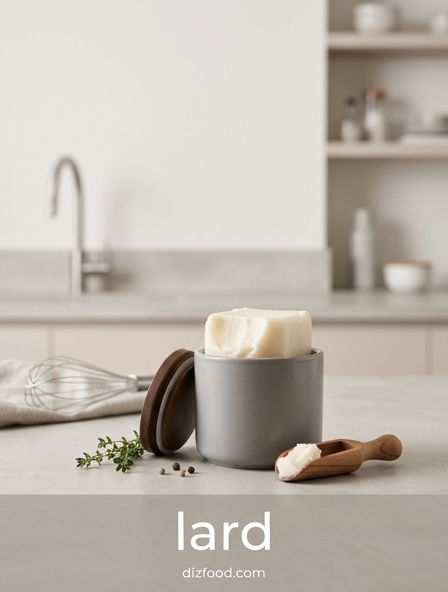
The Science of Professional Frying with Lard
In the realm of professional culinary science, lard is revered for its unique molecular composition, primarily consisting of oleic, palmitic, and stearic acids. Unlike many vegetable oils that are high in polyunsaturated fats, lard's high monounsaturated content provides superior oxidative stability. This stability is critical when fat is subjected to the prolonged, intense heat required in a commercial kitchen environment. When lard is heated, it maintains a consistent viscosity that allows for efficient thermal transfer to the food surface. This ensures that items are cooked evenly from the exterior to the core without the fat breaking down into harmful free radicals or volatile polymers.
Furthermore, the crystalline structure of lard, specifically its large beta-crystals, contributes to a distinct "mouthfeel" that synthetic fats cannot replicate. In professional frying, these crystals facilitate a rapid heat exchange that seals the surface of the food instantly. This biological mechanism prevents the excessive absorption of grease into the internal fibers of the ingredient, resulting in a product that is perceived as lighter and more flavorful. Understanding these chemical interactions allows chefs to leverage lard as a precision tool for achieving consistent, high-quality results in demanding service environments.
Achieving Ultimate Pastry Flakiness with Leaf Lard
Leaf lard is the gold standard for pastry chefs, sourced specifically from the visceral fat surrounding a pig's kidneys. This premium fat is prized for its soft, creamy texture and exceptionally high melting point compared to lard rendered from other parts of the animal. When incorporated into dough, leaf lard remains in discrete, solid pockets rather than coating the flour proteins entirely. During the baking process, these fat deposits melt at a specific temperature, releasing steam that pushes the layers of dough apart to create a delicate, laminated structure.
- Internal Moisture Control: The high fat-to-water ratio prevents premature gluten development.
- Structural Voids: Large fat crystals create microscopic gaps that expand into airy flakes.
- Neutral Scent: Properly rendered leaf lard imparts no pork flavor, making it ideal for sweet tarts.
- Crisp Finish: The fat ensures a brittle, snap-like texture upon cooling.
Professional bakers often prefer leaf lard over butter because it provides a wider temperature window for manipulation. While butter melts quickly under the warmth of a chef's hands, leaf lard maintains its integrity longer, ensuring the structural flakes remain intact until they reach the oven's heat.
Comparing High Smoke Points in Animal Fats
Choosing the correct fat for high-heat applications requires a thorough understanding of smoke points-the temperature at which the fat begins to burn and release acrid smoke. In professional kitchens, using a fat with an insufficient smoke point can lead to the formation of carbonized residues and off-flavors. Lard occupies a competitive position among animal fats, offering a high enough threshold for most frying and searing tasks without the extreme cost associated with specialty fats like wagyu tallow.
| Fat Type | Average Smoke Point | Primary Culinary Use |
|---|---|---|
| Rendered Lard | 370°F (188°C) | Deep Frying and Pastry |
| Beef Tallow | 400°F (204°C) | High-Heat Searing |
| Duck Fat | 375°F (190°C) | Roasting and Confit |
| Butter (Clarified) | 450°F (232°C) | Sautéing and Finishing |
While lard's smoke point is slightly lower than beef tallow, it offers a superior balance of flavor neutrality and textural benefits. This makes it a versatile workhorse in kitchens that require a single fat for both savory frying and delicate baking applications.
Methods for Rendering Pure Neutral Flavor
To achieve a lard that is suitable for both savory and sweet applications, the rendering process must be executed with precision. The goal is to separate the pure fat from connective tissue and moisture without scorching the solids, which would impart a "porky" or "fried" aroma. Professional kitchens typically utilize one of two primary methods to ensure the highest purity and a snow-white finish.
- Wet Rendering: Fat is heated with a small amount of water. The water prevents the temperature from exceeding 212°F until the fat is released.
- Dry Rendering: Fat is heated slowly in a heavy-bottomed pot or oven. This method is faster but requires constant monitoring to prevent browning.
- Fine Filtration: The liquid fat is passed through multiple layers of cheesecloth or a fine-mesh chinois to remove all "cracklings."
- Rapid Cooling: Chilling the fat quickly ensures a smooth, non-grainy crystalline structure.
The resulting product should be odorless and solid at room temperature. By controlling the temperature during these steps, chefs can produce a neutral medium that enhances the natural flavors of other ingredients rather than competing with them.
The Role of Lard in Deep Frying Excellence
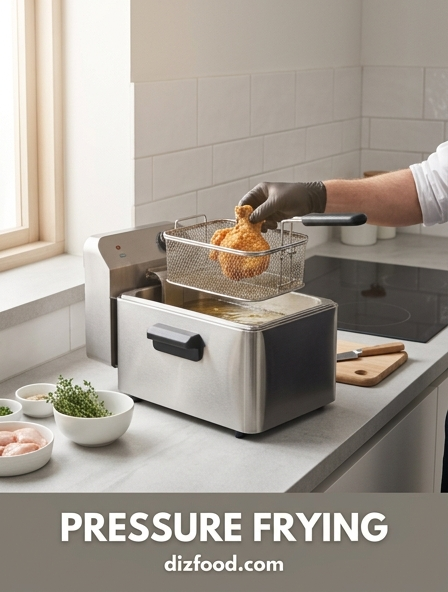
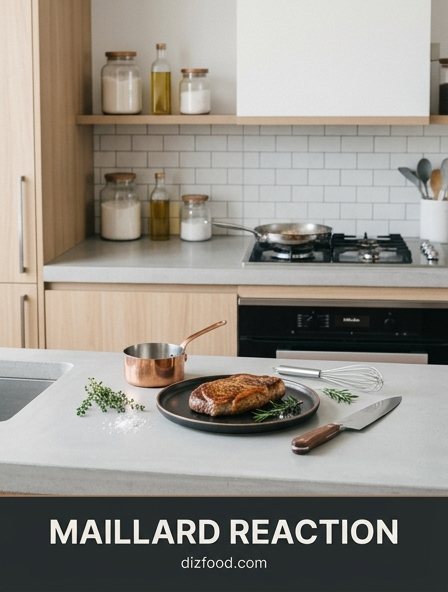
Deep frying in lard represents the pinnacle of traditional culinary technique, favored for the incredible depth of flavor and superior crust development it provides. Unlike modern vegetable oils, lard contains a complex profile of fatty acids that undergo subtle caramelization when heated, adding a rich, savory note to fried chicken, potatoes, and fritters. This process, known as the Maillard reaction, is enhanced by the specific lipid profile of porcine fat, resulting in a golden-brown hue that is visually stunning and incredibly appetizing.
Beyond aesthetics, lard's physical properties ensure a superior "dry" fry. Because lard has a distinct surface tension when hot, it sheds more easily from the food's surface once removed from the fryer. This reduces the greasy residue often associated with lower-quality oils. In high-volume environments, lard's resistance to polymerization means the fryer remains cleaner for longer, reducing the buildup of sticky resins on equipment. For the professional chef, this translates to a more efficient kitchen and a finished product that maintains its crunch significantly longer under a heat lamp or during transport.
Optimizing Texture and Crispness in Professional Kitchens
Texture is often the deciding factor in the success of a fried dish, and lard is an unparalleled medium for achieving maximum crispness. The secret lies in the fat's ability to facilitate rapid moisture evaporation from the food's surface. When an item is submerged in hot lard, the intense heat creates a steam barrier that prevents the fat from penetrating the interior while simultaneously dehydrating the exterior cells. This creates a rigid, micro-porous structure that we perceive as "crunch."
In professional settings, achieving this optimization requires maintaining the lard at a consistent temperature between 350°F and 375°F. If the temperature drops, the steam barrier weakens, and the fat begins to soak into the food, leading to sogginess. Lard's high heat capacity allows it to recover its temperature faster than most oils after cold food is added to the vat. This rapid recovery is essential for maintaining the integrity of the crust, especially in batters and breadings that rely on an instant "set" to hold their shape and provide the desired textural contrast.
Sourcing Premium Non-Hydrogenated Culinary Lard
The quality of a dish is fundamentally limited by the quality of its fat. In the professional kitchen, sourcing non-hydrogenated lard is essential for both flavor and health considerations. Many commercial lards found in grocery stores have been chemically altered through hydrogenation to make them shelf-stable at room temperature. This process introduces trans fats and a waxy texture that coats the palate unpleasantly. Premium culinary lard should be sourced from pasture-raised animals, as their diet directly influences the fatty acid profile and vitamin content of the fat.
- Heritage Breeds: Pigs like Mangalitsa or Berkshire produce fat with lower melting points and higher monounsaturated levels.
- Process Verification: Ensure the lard is "kettle-rendered" rather than industrially processed with chemicals.
- Antibiotic-Free: High-quality fat stores fewer toxins, resulting in a cleaner flavor profile.
- Local Sourcing: Buying from local butchers ensures the fat is fresh and has not undergone long-term oxidation in transit.
By prioritizing unadulterated, non-hydrogenated sources, chefs can guarantee a product that is not only better for the diner but also behaves predictably under heat and provides a cleaner, more sophisticated taste.
Mastering Heat Control for Perfect Lard Frying
Precise thermoregulation is the hallmark of a master fryer, particularly when working with animal fats. Lard is sensitive to temperature fluctuations; if it is heated too close to its smoke point for extended periods, it begins to undergo thermal degradation. This degradation breaks down the triglycerides into free fatty acids, which lowers the smoke point even further and introduces bitter notes to the food. A professional chef must use calibrated thermometers and high-recovery fryers to manage these risks effectively.
Effective heat control also involves managing the "recovery time"-the duration it takes for the lard to return to its target temperature after food is submerged. Because lard is denser than many vegetable-based alternatives, it holds onto thermal energy more effectively, which can be an advantage in busy kitchens. However, this also means that if it is overheated, it takes longer to cool down to a safe working range. Mastering this balance ensures that every batch of food, from the first of the night to the last, possesses the same golden color and perfect level of doneness.
Improving Pastry Structural Integrity with Animal Fats
Animal fats, specifically lard, provide a structural integrity to baked goods that is difficult to achieve with butter or shortening alone. While butter contains approximately 15-20% water, lard is 100% fat. This lack of water means that there is no moisture to activate the gluten in the flour upon contact. Consequently, the resulting pastry is significantly more tender, with a "short" crumb that melts on the tongue. For heavy-duty applications like meat pies or savory galettes, this structural strength is vital for holding heavy fillings without leaking or collapsing.
The plastic nature of lard at room temperature allows it to be easily worked into flour, coating the granules and creating a waterproof barrier. This barrier is what prevents the crust from becoming "soggy" when in contact with moist fillings. In professional puff pastry or biscuit making, the combination of lard's high melting point and its ability to create distinct layers results in a product that stands taller and maintains its shape better during the cooling process. This makes it an indispensable ingredient for high-end patisserie where visual height and textural contrast are paramount.
Essential Storage Protocols for Professional Fat Purity
Maintaining the purity of lard is a critical logistical challenge in the professional kitchen. Because lard is a natural product, it is susceptible to oxidation, which leads to rancidity and the development of "off" flavors. Exposure to light, heat, and oxygen are the primary catalysts for this degradation. To preserve the neutral flavor and functional properties of rendered lard, chefs must adhere to strict storage protocols that protect the fat's chemical bonds from breaking down over time.
- Airtight Containers: Store lard in non-reactive glass or stainless steel containers with tight-fitting lids to minimize oxygen exposure.
- Light Exclusion: Keep fat in dark storage areas or opaque containers to prevent photo-oxidation.
- Refrigeration: While shelf-stable if rendered perfectly, refrigeration significantly extends the lifespan of lard by slowing chemical reactions.
- Freezing: For long-term storage, lard can be frozen for up to a year without losing its structural or flavor qualities.
By following these essential protocols, a kitchen can maintain a consistent supply of high-quality fat, ensuring that the last scoop from a batch is as fresh and neutral as the first. This attention to detail is what separates a standard kitchen from a truly professional culinary operation.

Comments