
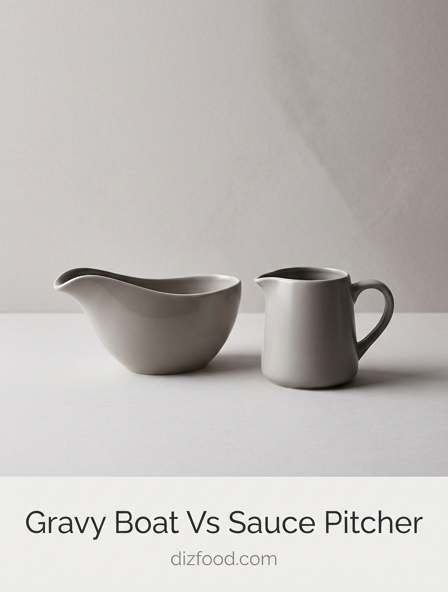
Choosing between a classic gravy boat and a sleek sauce pitcher can elevate your table service from functional to truly refined. While the traditional gravy boat, characterized by its elongated silhouette and attached saucer, remains the gold standard for serving thick, savory holiday gravies, the modern sauce pitcher offers a vertical, space-saving alternative designed for drizzling thin reductions or delicate dessert coulis with surgical precision. Whether you are hosting a formal multi-course dinner or a casual brunch, understanding the nuances in handle ergonomics, spout flow, and heat retention between these two elegant vessels ensures you select the perfect piece to complement your culinary presentation and enhance your guests' dining experience.
| Feature | Traditional Gravy Boat | Modern Sauce Pitcher |
|---|---|---|
| Orientation | Horizontal, low-profile basin | Vertical, upright body |
| Spout Style | Wide, rounded for high-volume flow | Tapered or pointed for controlled drizzling |
| Best For | Thick gravies, chunky sauces, and stews | Au jus, syrups, oil infusions, and cream |
| Drip Management | Relies on a separate underplate/saucer | Narrow lip minimizes run-off streaks |
| Table Footprint | Large; requires significant surface area | Compact; ideal for crowded tablescapes |
| Aesthetic Vibe | Formal, heritage, and traditional | Contemporary, minimalist, and versatile |
Gravy Boat vs Sauce Pitcher Main Differences
The distinction between a gravy boat and a sauce pitcher primarily lies in their structural orientation and historical culinary roles. A gravy boat, often referred to as a sauce boat, is characterized by its low, elongated, and horizontal profile. Historically, this design emerged in the late 17th century to accommodate the rich, fat-based gravies common in European cuisine. The horizontal shape allows for a wide surface area, which was originally intended to let excess fat rise to the top so it could be skimmed or avoided during the pour. In contrast, a sauce pitcher is a vertical vessel, standing upright much like a milk creamer or a water jug. This verticality makes it more space-efficient on a crowded dining table.
Another major difference involves the method of containment. Gravy boats frequently come with an attached or matching underplate, also known as a liner, designed to catch unsightly drips that occur after pouring thick, viscous liquids. Sauce pitchers rarely include such a specialized base, relying instead on precision spouts to manage flow. While both serve the purpose of delivering liquid condiments, the gravy boat is intrinsically linked to formal roasts and holiday feasts, whereas the sauce pitcher offers a more utilitarian, everyday aesthetic suitable for a wide variety of thin sauces, syrups, or dressings.
- Orientation: Gravy boats are horizontal; sauce pitchers are vertical.
- Footprint: Pitchers occupy less diameter on the table compared to the elongated boat.
- Drip Management: Boats often utilize a dedicated underplate; pitchers rely on spout geometry.
- Historical Context: Boats are rooted in French fine dining; pitchers are more modern and versatile.
Anatomy of Spouts and Pouring Handles
The functional success of any pouring vessel is determined by the engineering of its spout and the ergonomics of its handle. In a traditional gravy boat, the spout is typically wide and shallow. This design allows for the easy passage of "chunky" gravies that might contain bits of sausage, herbs, or giblets. Some high-end boats feature a double-spouted design, with one end intended for pouring the lean juices from the bottom and the other for the fatty layer at the top. The handles on these boats are usually looped and positioned at the opposite end of the spout, requiring a gentle tilting motion that uses the weight of the liquid to stabilize the pour.
Sauce pitchers, however, often utilize a "pinched" spout or a sharp V-shaped indentation. This allows for a much more controlled and narrow stream of liquid, which is ideal for drizzling thinner reductions or balsamic glazes. The handles on pitchers are typically oriented vertically along the side of the body. This provides the user with more leverage and a firmer grip, making it easier to control the volume of the pour with precision. Because the center of gravity in a pitcher is lower relative to the handle, it feels more balanced in the hand when full, reducing the likelihood of accidental spills during a busy family dinner.
- Tapered Spouts: Found on pitchers for precise drizzling of thin sauces.
- Wide-Lip Spouts: Standard on boats to accommodate thick or textured gravies.
- C-Shape Handles: Common on pitchers for a full-palm grip.
- Thumb-Rest Handles: Often found on gravy boats to assist with the horizontal tilting motion.
Traditional Gravy Boat Features and Benefits
The traditional gravy boat is more than just a container; it is a centerpiece of formal table settings. One of its most defining features is the elongated body, which allows the heat of the gravy to dissipate slightly if it is served at a boiling temperature, making it palatable for immediate consumption. Many traditional models are crafted with a fixed underplate. This integrated tray is a vital benefit for those using linens or expensive tablecloths, as it provides a safety net for the inevitable "last drop" that clings to the spout after a pour. This design keeps the dining area clean and maintains the elegance of the presentation throughout a multi-course meal.
Furthermore, the wide opening of a gravy boat makes it highly compatible with the use of a ladle. While many people choose to pour directly from the vessel, formal etiquette often dictates the use of a small silver ladle to portion out the sauce. The horizontal depth of the boat accommodates the head of the ladle perfectly, allowing the server to scoop from the bottom where the savory sediments settle. This versatility-being able to either pour or ladle-makes the traditional boat a superior choice for heavy, roux-based gravies that may be too thick to flow smoothly through a narrow pitcher neck. The aesthetic appeal of a porcelain or silver boat also adds a sense of occasion to Sunday roasts and holiday gatherings.
Modern Sauce Pitcher Functionality Explained
In the modern kitchen, efficiency and multifunctionality often take precedence over tradition, which explains the rising popularity of the sauce pitcher. One of the primary functional advantages of a pitcher is its vertical storage capability. Because it stands upright, it fits more easily into refrigerator doors or crowded cabinet shelves than a long, wide gravy boat. This makes it an excellent choice for sauces that are prepared in advance and need to be chilled, such as vinaigrettes, dessert coulis, or cream-based dressings. The compact nature of the pitcher also leaves more room on the dining table for side dishes and floral arrangements.
Modern pitchers are also frequently designed with contemporary materials that favor convenience. Many are microwave-safe, allowing the cook to heat the sauce directly in the serving vessel rather than transferring it from a saucepan. This reduces cleanup time and keeps the sauce hotter for longer since the vessel itself is warmed during the process. Additionally, the narrow neck of a pitcher acts as a natural insulator, reducing the surface area exposed to the air and helping to maintain the temperature of the liquid. For the modern host, the pitcher represents a bridge between the kitchen and the dining room, functioning as both a preparation tool and an elegant serving piece that fits a minimalist or Scandinavian-inspired home aesthetic.
Material Choices for Elegant Table Service
The material of your serving vessel significantly impacts both the temperature of the sauce and the overall "feel" of the dining experience. For centuries, fine bone china and porcelain have been the gold standard for gravy boats. These materials are prized for their delicate appearance and their ability to be molded into intricate shapes. Porcelain is also non-porous, meaning it will not absorb the oils or odors from strong garlic or onion-based gravies. On the other end of the spectrum, stainless steel and silver offer a more reflective, polished look that fits well in ultra-modern or highly traditional settings respectively. Metal vessels are excellent conductors, but they require pre-warming to prevent the sauce from cooling down too quickly.
Stoneware and ceramic options provide a more rustic, artisanal vibe, often featuring reactive glazes that make each piece unique. These materials are generally thicker and have excellent thermal mass, meaning once they are warm, they stay warm for a significant amount of time. For casual brunches, tempered glass is a popular choice for sauce pitchers, as it allows guests to see the vibrant colors of a raspberry sauce or the layers of an oil-and-vinegar dressing. When selecting a material, consider the weight and the maintenance required, as some metals may tarnish and require polishing, while certain ceramics may be prone to chipping if not handled with care.
| Material | Best For | Pros | Cons |
|---|---|---|---|
| Porcelain | Formal Events | Elegant, non-porous | Fragile, expensive |
| Stainless Steel | Modern Utility | Durable, easy to clean | Loses heat quickly |
| Stoneware | Casual Dinners | Retains heat, rustic | Heavy, bulky |
| Glass | Cold Sauces | Visible contents | No heat retention |
Serving Capacity and Size Comparison
Choosing between a gravy boat and a sauce pitcher often comes down to the volume of liquid you intend to serve. Gravy boats are typically designed for larger quantities, often ranging from 12 to 24 ounces. This high capacity is necessary for large family gatherings where gravy is a primary component of the meal, such as Thanksgiving or Christmas. Because the boat is wide, it can hold a significant amount of liquid without becoming top-heavy or unstable. However, its large size can be a drawback for smaller tables, as the elongated shape and the accompanying underplate can take up as much space as a large serving platter.
Sauce pitchers usually offer a wider range of sizes, from small 4-ounce creamers to 16-ounce syrup pitchers. This makes them more adaptable for sauces that are used sparingly, such as hot fudge, maple syrup, or au jus. Because the pitcher is vertical, it can hold a surprising amount of liquid in a very small footprint. For a dinner party of four, a medium-sized pitcher is often more appropriate than a massive gravy boat, as it prevents the sauce from looking "lost" in a vessel that is too large. When determining the right size, a good rule of thumb is to allow for approximately 2 to 3 ounces of sauce per guest. If you are serving a crowd of twelve, a 24-ounce boat is essential, whereas a 6-ounce pitcher is perfect for a side of hollandaise during an intimate brunch.
Formal Etiquette for Gravy and Sauces
In formal dining, the presentation and passing of the gravy boat are governed by specific rules of etiquette designed to ensure a seamless experience. The gravy boat is traditionally placed on the right side of the host or the person carving the meat. If the boat has a handle and a spout, it should be placed so that the handle faces the person who will be using it first. When passing the vessel, it is customary to pass both the boat and its underplate together. This prevents any drips from falling onto the table or the laps of guests. If a ladle is provided, it should stay in the boat during the pass, or be placed carefully on the underplate once the guest has finished serving themselves.
When using a sauce pitcher, the etiquette is slightly more relaxed, but the principles of cleanliness still apply. Because pitchers rarely have underplates, guests should be mindful of the "tilt back" motion to prevent drips. In some formal settings, a small doily or a folded cloth napkin may be placed beneath a pitcher to serve the same purpose as an underplate. It is considered impolite to pour sauce directly over the entire contents of your plate; instead, one should pour a small pool of sauce to the side of the meat or vegetables, dipping each bite as desired. This maintains the visual integrity of the meal and allows the guest to control the flavor balance of each mouthful.
Temperature Retention and Heat Efficiency
Maintaining the proper temperature is critical for sauces, particularly those with high fat content that can congeal as they cool. Gravy boats, due to their wide open tops, are notoriously poor at retaining heat. The large surface area allows steam to escape rapidly, which can lead to lukewarm gravy within fifteen minutes of sitting on the table. To combat this, many hosts pre-fill their gravy boats with boiling water for a few minutes before adding the actual gravy. This warms the material of the vessel, which then radiates heat back into the sauce. Some high-end boats also come with matching lids, which drastically improve their thermal performance by trapping the steam inside.
Sauce pitchers are inherently better at heat retention because of their narrow "chimney" design. The smaller opening at the top limits the amount of air contact, keeping the liquid hot for a longer duration. Furthermore, the modern market has introduced thermal insulated sauce pitchers, which feature double-walled stainless steel construction and vacuum seals. These are essentially small carafes that can keep gravy piping hot for over an hour. This is a game-changer for long, slow-paced holiday meals where guests might return for second helpings. While these insulated pitchers may lack the classic charm of a ceramic boat, their functional superiority in heat management makes them a favorite for practical cooks who want to avoid frequent trips back to the stove to reheat the sauce.
Versatile Uses for Liquid Condiments
While their names suggest specific uses, both gravy boats and sauce pitchers are highly versatile tools in a well-equipped kitchen. A gravy boat is not limited to turkey gravy; it is an excellent vessel for serving large batches of salad dressing, such as a creamy Caesar or a chunky blue cheese. Its wide mouth makes it easy to whisk ingredients directly inside the boat before serving. It can also be used as a creative planter for succulents or a holder for festive potpourri when not in use for dining. The elegance of a silver boat also makes it a beautiful container for a small bouquet of short-stemmed roses as a table centerpiece.
Sauce pitchers are perhaps even more flexible due to their variety in size. Small pitchers are perfect for serving individual portions of au jus or melted butter for seafood. Medium pitchers are the ideal choice for breakfast items like maple syrup, honey, or warmed milk for coffee. In the realm of desserts, a pitcher is the best way to serve hot chocolate sauce or caramel over ice cream, providing the control needed to create decorative swirls. Beyond food, pitchers can serve as creamers for tea service or even as small watering cans for indoor herbs. Their vertical design makes them feel at home in almost any setting, from the breakfast nook to the formal dining room.
- Breakfast: Use pitchers for syrup, honey, or milk.
- Dinner: Use boats for gravy, mushroom sauce, or curry.
- Dessert: Use pitchers for crème anglaise or chocolate ganache.
- Decor: Use boats for floral arrangements or seasonal displays.
Choosing the Right Server for Your Table
Deciding between a gravy boat and a sauce pitcher ultimately depends on your personal style, the types of meals you frequently prepare, and your storage limitations. If you take pride in hosting traditional holiday dinners with large groups, the classic gravy boat is an indispensable investment. Its aesthetic presence signals a special occasion, and its high capacity ensures that everyone gets plenty of sauce. Look for a model with an underplate to protect your linens and consider one with a lid if you are worried about the gravy cooling too quickly. The boat is the quintessential choice for those who view the dining table as a stage for culinary tradition.
On the other hand, if your dining style is more contemporary, casual, or space-conscious, the sauce pitcher is likely the better fit. Its vertical design is practical for everyday use, and its versatility extends far beyond just gravy. Pitchers are easier to handle, simpler to store, and often more durable if chosen in materials like stoneware or stainless steel. For those who enjoy variety, having a set of small pitchers can allow you to serve multiple types of sauces simultaneously, such as a choice of dressings or different heat levels of a sauce. By evaluating your specific needs-whether it is the heat retention of a thermal pitcher or the timeless elegance of a porcelain boat-you can select the perfect vessel to complement your kitchen and enhance your guests' dining experience.



Comments