
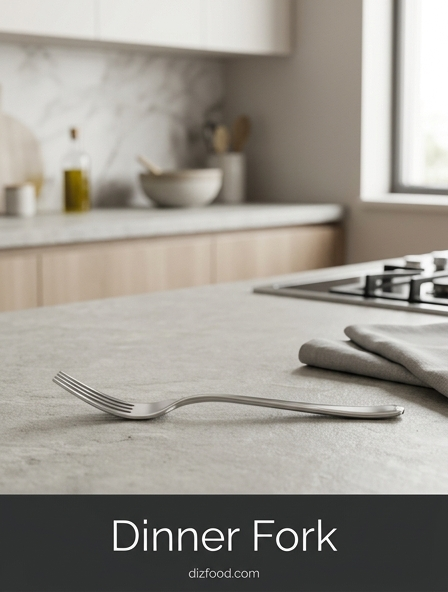
History and Evolution of the Dinner Fork
The journey of the dinner fork from a controversial curiosity to an essential household staple spans over a millennium. Early records trace its origins to the Byzantine Empire, where the nobility utilized gold, two-pronged instruments to avoid touching food with their hands. This practice initially faced resistance in Western Europe; many clergy members viewed the fork as an affront to God, arguing that fingers were the only tools intended for eating. However, the fork gained a foothold in Italy during the Renaissance, eventually traveling to France via Catherine de' Medici. It was not until the 18th century that the design we recognize today became standardized in the West.
- Ancient Greece: Used primarily as a kitchen tool for lifting heavy meats.
- 11th Century: Introduced to Venice by a Byzantine princess, sparking early debate.
- 17th Century: Became fashionable in England among the elite and wealthy merchants.
- 19th Century: The Industrial Revolution enabled mass production, making forks accessible to all classes.
By the Victorian era, the dinner fork had evolved into a specialized tool, with its fourth tine added to improve its ability to scoop and hold food securely compared to its two-pronged predecessors.
Anatomy of a Standard Four Tined Fork
A standard dinner fork is a precision-engineered tool designed for both durability and comfort. Each component plays a specific role in how the utensil interacts with various food textures. The most recognizable feature is the tines, which allow for the efficient piercing and lifting of solid foods. The spacing between these tines, known as the slots or gullets, allows liquids and small debris to pass through, ensuring a clean bite every time. The overall balance of the fork is determined by the weight distribution between the head and the handle, ensuring it sits comfortably in the palm during extended meals.
| Part Name | Functional Description |
|---|---|
| Tines (Prongs) | The four pointed ends used to spear or scoop food items. |
| Bridge (Root) | The area where the tines converge and connect to the neck. |
| Neck | The narrowest part of the fork that provides structural leverage. |
| Handle (Culp) | The long section held by the diner, often weighted or decorated. |
The curvature of the tines is also vital; a slight upward arch allows the fork to function similarly to a spoon when dealing with grains or soft vegetables, providing versatility at the dinner table.
Proper Placement on the Left Side
In the world of table settings, the placement of the dinner fork is dictated by centuries of etiquette and the practical flow of a multi-course meal. Traditionally, the dinner fork is positioned on the left side of the dinner plate. This arrangement follows the "outside-in" rule, which dictates that utensils are used in the order they are placed, starting from the furthest point from the plate. Because the main course follows appetizers or salads, the dinner fork is usually the one closest to the plate's edge, unless a dessert fork is placed above the plate.
The alignment is equally important for visual symmetry. The base of the fork handle should be perfectly aligned with the bottom rim of the plate and the base of the knives on the opposite side. If multiple forks are present, such as a salad fork and a fish fork, they are spaced approximately one inch apart. This disciplined layout serves not just an aesthetic purpose but also guides the diner through the progression of the meal without confusion. Ensuring the tines face upward is a standard Western practice, signifying that the table is ready for service and guests are welcome.
The Dinner Fork in Formal Table Settings
In a formal dining environment, the dinner fork serves as the anchor of the flatware arrangement. It is typically the largest fork in the set, distinguished by its weight and length. Formal service often requires specific materials, such as sterling silver or high-grade 18/10 stainless steel, to reflect the significance of the occasion. In these settings, the fork's role is strictly defined; it is used only for the main entrée and is removed by the service staff along with the dinner plate once the course is completed.
- Proximity: Placed immediately to the left of the service plate or charger.
- Orientation: Tines must face upward in American and British formal service.
- Material: Often matches the pattern of the spoons and knives for a cohesive look.
- Sequence: It remains on the table until the main course is served, even if other forks are removed.
The presence of a dinner fork signifies the transition from lighter starters to the heart of the meal. Its substantial size is intended to handle heavier proteins and complex garnishes, providing the diner with a sense of stability and control that smaller, lighter utensils cannot offer during the primary stage of the dinner.
American Versus Continental Etiquette Styles
While the dinner fork is universal, the manner in which it is handled varies significantly between American and Continental (European) styles. The American style, often referred to as the "zig-zag" method, involves switching the fork from the left hand to the right hand after cutting food. The diner holds the fork in the left hand to steady the meat, cuts a bite-sized piece with the knife, then rests the knife and transfers the fork to the right hand to bring the food to the mouth with tines facing upward.
In contrast, the Continental style is characterized by efficiency and hidden movement. The fork remains in the left hand throughout the entire process. After cutting, the food is speared and brought to the mouth with the tines facing downward. This method eliminates the need to switch hands, allowing for a more continuous dining experience. Both styles are considered perfectly acceptable in modern society, though the Continental style is often viewed as more formal in European circles. Regardless of the style chosen, the index finger should never extend down the tines; instead, it should rest on the neck of the fork for stability and control.
Distinguishing the Dinner Fork From Other Utensils
To the untrained eye, various forks in a full set may look identical, but specific physical cues distinguish the dinner fork from its counterparts. The dinner fork is the "workhorse" of the kitchen, measuring roughly seven to eight inches in length. It is noticeably longer and broader than the salad fork, which typically has shorter, wider tines-and sometimes a notched outer tine-designed for cutting through leafy greens. Understanding these differences is key to navigating complex place settings with confidence and ease.
- Salad Fork: Shorter, usually placed to the left of the dinner fork.
- Fish Fork: Often has a distinct notch for removing bones and is slightly smaller.
- Dessert Fork: Smallest of the three main forks, sometimes placed above the plate.
- Oyster Fork: Small, three-tined, and uniquely placed on the right side with spoons.
The dinner fork lacks the specialized features of these other utensils, such as the extra-wide tines of a pastry fork or the long, thin profile of a lobster pick. Its design is intentionally balanced and multipurpose, capable of handling everything from a steak to a side of mashed potatoes without the need for specialized equipment.
Correct Grip for Efficient Dining
Mastering the grip of a dinner fork is essential for both efficiency and table manners. A common mistake is the "club grip," where the handle is grasped in a fist; this lacks precision and is considered impolite. Instead, the handle should be held similarly to a pencil. The end of the handle should rest against the palm, while the thumb and middle finger provide support. The index finger is placed along the back of the neck, near the bridge, to provide the necessary downward pressure when piercing denser foods or using the side of the fork to segment soft items.
When using the fork to scoop loose items like peas or rice, the grip should loosen slightly to allow the fork to rotate, bringing the tines into a horizontal position. In Continental dining, the index finger remains firmly on the bridge to keep the tines pointed downward at all times. Maintaining a light but firm touch ensures that the diner has full control over the utensil without appearing tense. Proper grip not only facilitates a smoother eating process but also prevents the accidental clattering of metal against porcelain, which can be disruptive in a quiet dining environment.
The Functional Role in Main Course Service
The dinner fork is specifically engineered to handle the "heavy lifting" of the main course. Its long tines are designed to penetrate thick cuts of meat deeply, providing the resistance needed for a knife to slice through cleanly. Beyond just spearing, the dinner fork acts as a secondary scoop. When used in conjunction with a knife, it helps gather small components of a dish-such as sauces, grains, or finely chopped vegetables-onto the back of the tines or into the slight bowl of the fork's head. This versatility is crucial for experiencing the intended flavor profile of a chef's creation.
During the service of the main course, the dinner fork also provides structural support for the plate's arrangement. Its size ensures it doesn't get lost among large portions or elaborate garnishes. In many cultures, the dinner fork is also used to gently separate fish from its skin or to hold a bone in place while meat is removed. Because it is the last fork used before the table is cleared for dessert, it represents the climax of the meal. Its weight and sturdiness are reflective of the complex, savory flavors that typically define the entrée portion of a culinary experience.
Silent Communication and Resting Positions
In formal dining, the position of the dinner fork on the plate serves as a silent language between the diner and the waitstaff. These positions signal whether a guest is merely taking a break or has finished their meal entirely, preventing premature clearing of the plate. To signal a "pause" in the American style, the fork is placed on the left side of the plate with tines up, while the knife is on the right. In the Continental style, the fork and knife are crossed in an inverted "V" shape, with the fork tines pointing down over the knife blade.
- Resting: Utensils are placed in the center of the plate, not touching the tablecloth.
- Finished: The fork and knife are placed parallel to each other.
- Positioning: The "finished" position is usually at the 4:20 or 6:00 clock orientation.
- Tine Direction: Tines face up (American) or down (Continental) based on the style used.
By adhering to these resting positions, a diner can engage in conversation without the interruption of a server asking if they are done. It is a subtle but effective way to maintain the rhythm of the meal and show respect for the service flow.
Maintaining the Quality of Fine Flatware
Preserving the luster and integrity of dinner forks requires consistent and careful maintenance, especially for high-quality sets. While modern stainless steel is durable, it is not entirely immune to spotting or "pitting" caused by harsh chemicals or prolonged exposure to acidic foods. To maintain the finish, it is recommended to rinse forks immediately after use. If using a dishwasher, forks should be placed in the basket with tines facing upward to ensure thorough cleaning and to prevent the prongs from scratching the machine's interior or other utensils.
For sterling silver or silver-plated dinner forks, hand washing with a mild detergent is the preferred method. Silver is a soft metal that can be easily scratched by the abrasive detergents used in many dishwashers. After washing, drying with a soft microfiber cloth is essential to prevent water spots and tarnish. Periodic polishing with a specialized silver cream will restore the original shine. Proper storage is also vital; forks should be kept in a lined chest or individual soft pouches to prevent them from knocking against one another. Regular care ensures that these essential kitchen tools remain functional and beautiful for generations.






Comments