
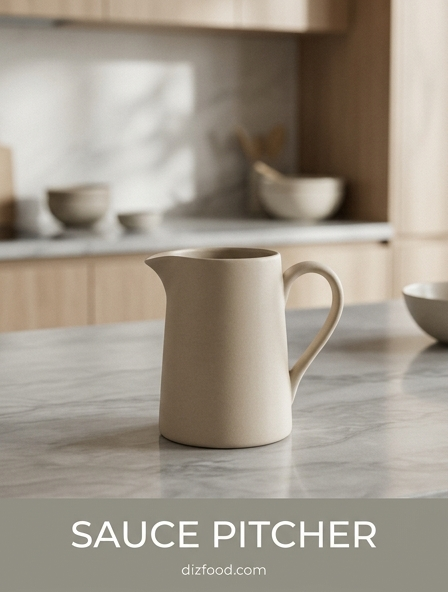
Modern Sauce Pitcher Design Principles
Modern sauce pitcher design focuses on the intersection of industrial engineering and artistic expression. Designers prioritize the "golden ratio" to ensure that the vessel remains balanced regardless of whether it is full or nearly empty. This equilibrium is crucial for preventing accidental spills and ensuring a steady hand during intricate plating. The evolution of the pitcher has moved away from overly ornate Victorian styles toward clean, functional lines that emphasize the liquid within.
The core principles of contemporary design include:
- Geometric harmony between the body and the handle for structural integrity.
- The use of non-porous surfaces to prevent flavor cross-contamination.
- Optimized internal curvature to facilitate smooth liquid movement.
- Integration of weighted bases to lower the center of gravity and prevent tipping.
By adhering to these principles, manufacturers create tools that are not only visual centerpieces but also high-performance instruments. The modern pitcher serves as a bridge between the kitchen and the dining room, translating the chef's technical skill into a tangible table experience for the guest.
Precision Pouring for Professional Presentation
Precision is the hallmark of professional culinary presentation, and the sauce pitcher is the primary tool for achieving it. The flow rate of a sauce-whether it is a thin gastrique or a thick béarnaise-must be carefully managed through the shape of the spout. A well-engineered spout allows for "micro-pouring," enabling the user to place droplets or thin lines with surgical accuracy. This level of control is what separates a cluttered plate from a Michelin-standard presentation.
- Assess the viscosity of the liquid to determine the required tilt angle.
- Align the spout tip exactly above the target area before initiating the pour.
- Use a slow, steady wrist motion to maintain a consistent stream.
- End the pour with a sharp upward flick to break surface tension.
Achieving this level of precision requires a pitcher that offers immediate feedback to the user. The interaction between the liquid's surface tension and the material of the spout is carefully calibrated in high-end models to ensure that the stream does not break or waver mid-pour, allowing for flawless execution of complex designs.
Elevating Contemporary Table Aesthetics
The visual impact of a sauce pitcher on a modern dining table cannot be overstated. It acts as a sculptural element that complements the overall theme of the meal. Contemporary aesthetics often favor monochromatic palettes, matte finishes, or translucent glass that showcases the vibrant colors of the sauce inside. When selected thoughtfully, a pitcher reinforces the design language of the dinnerware, creating a cohesive and sophisticated atmosphere.
Texture plays a significant role in modern table aesthetics. A pitcher with a hammered metal finish or a soft-touch ceramic glaze provides a tactile contrast to smooth porcelain plates. Furthermore, the silhouette of the pitcher-ranging from tall, slender carafes to low, rounded basins-dictates the verticality of the table setting. By breaking the horizontal plane of flatware and plates, the sauce pitcher adds a dynamic layer of visual interest that captivates the diners' attention before the first bite is even taken.
Ergonomic Benefits of Drip Free Spouts
Ergonomics in sauce pitcher design extends beyond simple comfort; it is a matter of hygiene and efficiency. A drip-free spout is engineered with a sharp, tapered edge that cuts the flow of liquid instantly. This prevents the "clinging drop" phenomenon, where residual sauce runs down the side of the pitcher, causing unsightly stains on linens and creating a sticky grip for the user. An ergonomic handle further enhances this by providing a secure grip that reduces wrist strain during repetitive service.
- Hydrophobic coatings on the spout tip to repel liquid.
- Angled handle placement to keep the hand away from hot steam.
- Thumb rests that provide additional leverage for heavy, full pitchers.
- Counter-balanced spouts that minimize the effort required to tilt.
These ergonomic features ensure that the pitcher remains clean throughout the duration of a multi-course meal. When a pitcher is easy to handle and reliably clean, the server or diner can focus entirely on the act of pouring, making the culinary interaction seamless and stress-free.
Choosing Materials for Style and Durability
The choice of material for a sauce pitcher dictates its longevity and how it complements the kitchen's existing decor. Different materials offer varying benefits regarding heat retention, weight, and visual appeal. While porcelain is a classic choice for its elegance, modern kitchens often turn to stainless steel or borosilicate glass for their industrial durability and heat-resistant properties.
| Material | Pros | Cons |
|---|---|---|
| Stainless Steel | Virtually unbreakable, excellent heat retention. | Can feel clinical or overly industrial. |
| Porcelain | Classic look, wide variety of colors. | Prone to chipping and thermal shock. |
| Borosilicate Glass | Visual clarity, high heat resistance. | Fragile; shows fingerprints easily. |
| Stoneware | Rustic charm, very durable. | Heavier and slower to heat up. |
When selecting a material, consider the frequency of use and the typical environment. For high-traffic professional kitchens, stainless steel is often the pragmatic choice. Conversely, for intimate fine dining, fine bone china or hand-blown glass offers a level of delicacy that aligns with the premium nature of the service.
Thermal Performance in Modern Sauce Servers
Temperature control is vital for sauces, as many emulsions like hollandaise can break if they cool too rapidly, while gravies can form an unappetizing skin. Modern sauce pitchers often incorporate thermal engineering to maintain the ideal serving temperature for longer periods. Double-walled vacuum insulation is the gold standard, providing a thermal barrier that keeps liquids hot while the exterior remains cool to the touch. This is particularly important for guest safety and comfort.
- Double-wall construction for maximum heat retention.
- Tight-fitting lids to minimize evaporative cooling.
- High-density ceramic bodies that act as thermal mass.
- Pre-heating capabilities for metal and stone vessels.
Effective thermal performance ensures that the last guest served receives a sauce that is just as warm and fluid as the first. This consistency is a hallmark of quality dining. By reducing the rate of heat loss, these pitchers allow for a more relaxed dining pace, removing the rush to finish the sauce before it congeals or loses its aromatic profile.
Versatility from Savory Gravies to Sweet Coulis
A truly great sauce pitcher is a versatile tool capable of handling a wide spectrum of culinary liquids. The transition from a savory, herb-infused gravy during the main course to a bright, acidic raspberry coulis for dessert requires a vessel that does not retain odors or stains. Versatility also refers to the pitcher's ability to handle different temperatures, from chilled cream to near-boiling au jus, without compromising its structural integrity.
- Use wide-mouth pitchers for chunky sauces like chimichurri or salsa.
- Select narrow-spout carafes for thin balsamic reductions and oils.
- Utilize insulated models for dairy-based sauces that are temperature-sensitive.
- Choose clear glass for layered sauces or oils with suspended aromatics.
This adaptability makes the sauce pitcher an indispensable asset in the kitchen. Rather than owning multiple specialized containers, a well-designed, multi-purpose pitcher can fulfill several roles, streamlining the kitchen's inventory and ensuring that the right tool is always at hand for any culinary creation, whether sweet or savory.
Minimalist Silhouettes for Minimalist Dining
The rise of minimalist dining has influenced the silhouette of the modern sauce pitcher, favoring "less is more." These designs strip away unnecessary handles and flourishes, often resulting in a sleek, carafe-like shape that relies on the natural grip of the hand. Minimalist pitchers often use matte black, slate grey, or stark white finishes to blend into the background, allowing the food itself to be the primary focus of the diner's attention.
Despite their simplicity, these silhouettes require high-precision manufacturing. Without a handle, the balance and surface texture become even more critical to ensure the pitcher does not slip. The absence of traditional features forces a focus on the purity of the form and the quality of the material. Minimalist pitchers are ideal for modern "tasting menu" formats where the tabletop is often kept uncluttered to highlight the intricate detail of small, artfully plated courses.
Enhancing the Guest Culinary Experience
The act of pouring a sauce is a performative element of the dining experience that engages the guest's senses. When a server uses a high-quality pitcher to finish a dish tableside, it adds a layer of theater and personalized service. The sound of the liquid, the aroma released as the hot sauce hits the plate, and the visual transformation of the dish all contribute to a memorable meal. A well-designed pitcher facilitates this interaction, making it smooth and graceful.
Key elements that enhance the guest experience include:
- The "pour-over" ritual which empowers the guest to control their sauce portions.
- The visual clarity of glass pitchers which allows guests to appreciate the sauce's texture.
- The tactile satisfaction of handling a well-weighted, premium vessel.
- The assurance of cleanliness provided by polished, drip-free designs.
By focusing on these details, a restaurant can elevate a simple meal into a sensory event. The pitcher becomes more than just a container; it becomes a conduit for hospitality and culinary excellence.
Maintenance and Care for High End Pitchers
To preserve the functionality and aesthetic of a high-end sauce pitcher, proper maintenance is essential. Residual oils and pigments from intense sauces like curry or red wine reductions can stain or leave odors if not cleaned promptly. Understanding the specific care requirements of different materials-such as whether a piece is dishwasher safe or requires hand-polishing-will extend the life of the tool significantly.
- Rinse with warm water immediately after use to prevent sauce from drying.
- Use a soft bottle brush to reach the interior curves and the spout.
- Avoid abrasive scouring pads that can scratch polished metal or glaze.
- Dry thoroughly with a lint-free microfiber cloth to prevent water spots.
For silver-plated or copper pitchers, occasional polishing is necessary to maintain their luster and prevent tarnish. Ceramic pitchers should be checked regularly for "crazing" or small cracks in the glaze that can harbor bacteria. By following a strict care regimen, these culinary vessels remain hygienic and visually stunning for years of service.

Comments