
Creating a home that feels both spacious and welcoming starts with a smart floor plan designed for seamless movement. By focusing on open sightlines and minimizing clutter in high-traffic zones, you can transform your living area into a natural hub for social interaction and connection. Whether you are hosting a festive dinner party or enjoying a quiet morning coffee, your layout dictates how effortlessly guests gather and converse. A well-balanced arrangement ensures that the host remains part of the conversation while preparing meals. When deciding how to best anchor your space for daily living, it is essential to weigh the pros and cons of a Dining Table Vs Kitchen Island to suit your unique lifestyle.
Defining the Social Kitchen Hub
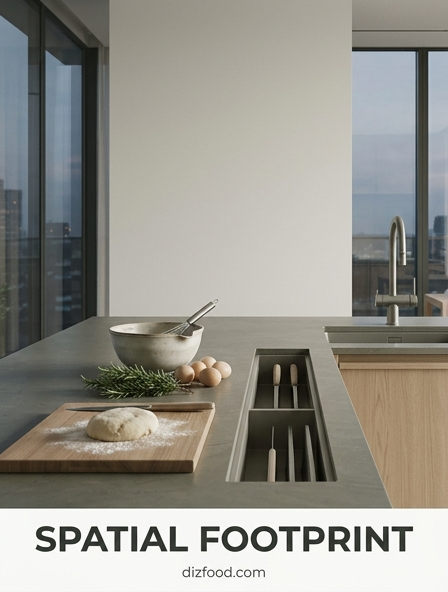
The modern kitchen has evolved from a secluded service area into the primary social engine of the home. This shift requires a spatial footprint that prioritizes human interaction alongside culinary utility. A well-defined social hub acknowledges that the person cooking should not be isolated from family or guests. This layout strategy involves opening the kitchen to adjacent living areas, creating a communal atmosphere where activities like homework, casual conversation, and meal preparation coexist seamlessly.
To successfully define this hub, designers must consider the sensory experience of the space. It is not merely about removing walls; it is about orchestrating the movement of people so the kitchen feels inclusive rather than chaotic. By treating the kitchen as a destination rather than a thoroughfare, the spatial footprint adapts to accommodate varying group sizes while maintaining an intimate feel for daily use. This transformation turns the kitchen into a versatile theater of domestic life.
- Integrated sightlines to the living room or garden.
- Centralized points of interest like a coffee station or wine fridge.
- Acoustic considerations to manage noise levels during gatherings.
Mastering the Work Triangle Efficiency
The work triangle remains a cornerstone of kitchen spatial design, focusing on the ergonomic relationship between the refrigerator, the cooktop, and the sink. The goal is to minimize unnecessary steps and prevent cross-traffic interference. In a high-functioning footprint, the sum of the three sides of the triangle should ideally fall between 13 and 26 feet. This ensures that the workstations are close enough for convenience but far enough apart to avoid a cramped environment.
Efficiency in the work triangle is not just about distance; it is about the quality of the path. Obstacles like floor-to-ceiling cabinets or island corners should never impede the lines of movement between these three points. When the spatial footprint is optimized, the cook can pivot easily, accessing water, cold storage, and heat with fluid motion. This technical precision reduces physical fatigue and enhances the overall enjoyment of the cooking process.
| Zone | Primary Function | Ideal Proximity |
|---|---|---|
| Cold Storage | Preservation | Near the entrance for unloading. |
| Wet Zone | Cleaning/Prep | Central to both heat and storage. |
| Hot Zone | Cooking/Baking | Near prep surfaces and ventilation. |
Strategic Kitchen Island Placement
The kitchen island is often the crown jewel of the spatial footprint, serving as a versatile anchor for both labor and leisure. Its placement is critical; an island situated too close to perimeter cabinets restricts cabinet doors and dishwasher clearance, while one placed too far away creates an inefficient "no man's land." For a balanced layout, designers typically recommend a minimum of 36 to 42 inches of clearance on all sides to allow for comfortable passage and operation.
Strategic placement also involves aligning the island with specific kitchen tasks. For instance, an island may house a secondary prep sink to support the work triangle or a cooktop to allow the chef to face guests while working. The footprint must account for the "active" side of the island-where the work happens-and the "passive" side-where guests gather. Properly executed, the island becomes a bridge that connects different functional zones without creating a bottleneck in the room.
- Assess the primary purpose (prep, dining, or storage).
- Calculate clearance for appliance doors and drawers.
- Ensure the island scale is proportional to the total room volume.
Creating Seating Zones for Guests
Incorporating seating into the kitchen's spatial footprint requires a nuanced understanding of social dynamics and physical comfort. Whether it is a raised breakfast bar, an integrated banquette, or a series of stools at an island, these zones provide a dedicated space for guests to linger without encroaching on the chef's workspace. The key is to position seating away from the high-traffic "hot" zones of the stove and oven to ensure safety and comfort.
Knee room and elbow room are the primary metrics for successful seating zones. For standard counter-height seating, a 15-inch overhang is generally required for leg comfort, while each person should be allotted roughly 24 inches of width. By carefully calculating these dimensions within the overall footprint, the kitchen can accommodate spectators comfortably, turning the act of meal preparation into a shared social event rather than a solitary chore.
- Counter seating: Best for quick meals and casual chats.
- Banquettes: Ideal for maximizing space in corners and providing comfort.
- Independent bistro sets: Suitable for large kitchens with extra floor area.
Wide Walkways for Seamless Movement
In a busy kitchen, the spatial footprint must account for the reality of multiple occupants. Wide walkways are the difference between a kitchen that feels cramped and one that feels luxurious and functional. For single-cook kitchens, a 42-inch walkway is the standard, but for households where multiple people are often in the kitchen at once, extending this to 48 inches is highly beneficial. These dimensions allow individuals to pass one another without physical contact or the need to "squeeze" through.
Beyond simple passage, wide walkways accommodate the swing of appliance doors and the extension of deep drawers. A dishwasher door, when fully lowered, can take up nearly 25 inches of floor space; without a wide enough walkway, it effectively blocks the entire kitchen path. By prioritizing generous circulation zones, the footprint remains fluid, safe, and accessible for users of all ages and mobility levels, ensuring the kitchen can handle the "rush hour" of breakfast or holiday hosting with ease.
Open Concept Dining Transitions
Designing the transition between the kitchen and the dining area is essential for maintaining a cohesive spatial footprint in open-concept homes. The goal is to create a visual and physical flow that feels intentional rather than accidental. This is often achieved through "zoning" using architectural cues like changes in ceiling height, lighting fixtures, or flooring materials. A seamless transition ensures that the dining area feels like an extension of the kitchen's social energy while maintaining its own distinct identity for formal occasions.
Furniture placement plays a vital role in this transition. The distance between the kitchen island and the dining table should be at least 48 to 60 inches to allow for chair pull-out and comfortable walking paths. If the transition is too tight, the areas feel cluttered; if it is too wide, the connection is lost. By balancing these proportions, the footprint supports a logical progression from food preparation to consumption, making the entire living space feel more expansive and thoughtfully organized.
Zoning Prep and Social Spaces
A sophisticated kitchen footprint is divided into distinct zones to prevent task interference. The "prep zone" is typically located near the sink and trash pull-out, requiring ample counter space and proximity to knives and cutting boards. In contrast, the "social zone" is oriented toward seating and entertainment areas. By physically separating these zones, the kitchen can accommodate a guest enjoying a glass of wine at the island while the cook is busy chopping vegetables, without their paths ever crossing in a disruptive way.
This zoning approach also extends to the placement of appliances. A microwave or a beverage fridge might be placed on the outer edge of the kitchen footprint, allowing guests or children to access snacks and drinks without entering the primary cooking area. This "outer ring" strategy preserves the integrity of the work zone while fostering an environment where everyone feels welcome to help themselves.
- Prep Zone: High-durability surfaces and task lighting.
- Cooking Zone: Proximity to spices, oils, and ventilation.
- Social Zone: Accessible outlets for charging devices and comfortable seating.
Optimizing Natural Light for Atmosphere
Natural light is a powerful tool in defining the spatial footprint and mood of a kitchen. Large windows, skylights, or glass doors can make a modest kitchen feel significantly larger by blurring the boundaries between the interior and exterior. Strategically placing the most active zones, such as the prep sink or casual dining area, near windows allows users to benefit from daylight, which enhances both visibility and well-being. Sunlight also highlights textures and colors, bringing the kitchen's design elements to life.
However, light must be managed to avoid glare on work surfaces and heat gain in food storage areas. The footprint should account for the sun's path throughout the day, using window treatments or architectural overhangs where necessary. When natural light is integrated thoughtfully, it reduces the reliance on artificial lighting during the day and creates an airy, inviting atmosphere that naturally draws people into the kitchen. It transforms the space from a functional utility room into a bright, vibrant sanctuary.
Smart Storage to Enhance Flow
Storage solutions directly impact the kitchen's spatial footprint by determining how much "visual clutter" exists on the countertops. A kitchen with insufficient storage often suffers from narrowed walkways and cramped prep areas as items spill over onto work surfaces. Smart storage utilizes every inch of the footprint, from floor to ceiling, employing pull-out pantries, corner carousels, and deep pot drawers to keep essentials organized and out of the way. When everything has a dedicated home, the kitchen remains clear and easy to navigate.
The placement of storage should correspond with the zones of activity. Heavy pots and pans should be stored near the range, while glassware and dishes are best kept near the dishwasher for easy unloading. This logical distribution of items reduces the distance traveled during daily tasks, further optimizing the footprint for efficiency. By moving storage into vertical spaces or hidden compartments, the kitchen maintains a streamlined, open feel that facilitates better movement.
| Storage Type | Benefit | Best Location |
|---|---|---|
| Pull-out Pantry | Maximum visibility | Next to refrigerator. |
| Deep Drawers | Ergonomic access | Under the cooktop. |
| Vertical Dividers | Organized slim items | Near the oven (for trays). |
Balancing Function with Interactive Design
The ultimate goal of a kitchen's spatial footprint is to strike a perfect balance between technical function and interactive design. This means creating a space that works as hard as a professional galley but feels as welcoming as a living room. Achieving this balance requires careful attention to materials and ergonomics. For example, rounded island corners are safer in high-traffic social areas, and soft-close cabinetry reduces the acoustic "noise" of a busy kitchen, making the environment more pleasant for conversation.
Interactive design also considers the "perch" points-small areas where someone can lean or sit for a moment without being "in the way." Whether it is a wide windowsill or a small section of lowered counter, these details encourage a relaxed atmosphere. When function and interaction are balanced, the kitchen doesn't just facilitate the production of meals; it fosters the creation of memories. The resulting footprint is a harmonious environment where the mechanical needs of cooking and the emotional needs of the family are both fully met.




Comments