
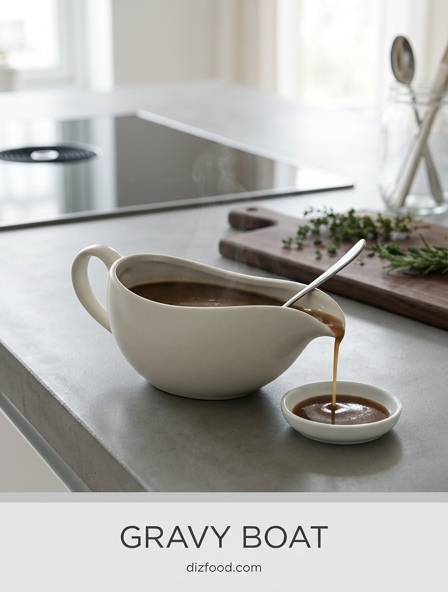
History and Heritage of the Saucier
The gravy boat, or saucier, traces its refined lineage back to the late 17th-century French court, where the art of saucemaking reached its zenith. Initially, these vessels were designed with two handles and two spouts, emphasizing a symmetrical aesthetic that suited the formal grandeur of aristocratic dining. By the mid-18th century, English silversmiths adapted the design into the familiar boat-like silhouette we recognize today, often featuring a single pouring lip and a sturdy handle. This evolution was not merely stylistic but practical, as it allowed for easier one-handed service during multi-course banquets.
During the Victorian era, the saucier became a staple of middle-class households, symbolizing a certain level of culinary sophistication and social standing. Manufacturers like Wedgwood and Spode began producing ceramic and porcelain versions that matched full dinnerware sets, ensuring the vessel was as much a decorative centerpiece as a functional tool. Today, the heritage of the saucier lives on through these antique patterns, which connect modern diners to centuries of gastronomic tradition and the meticulous care once reserved for the presentation of liquid seasonings.
Elevating the Holiday Table Aesthetic
A well-chosen gravy boat serves as a visual anchor, pulling together the disparate elements of a holiday spread. While the turkey or roast may be the focal point, the saucier adds a layer of curated elegance that signals a special occasion. The interplay of light on a polished silver surface or the delicate glaze of a hand-painted ceramic piece creates a sense of luxury and intentionality. By choosing a vessel that complements the color palette of the linens and dinnerware, a host can transform a simple meal into a choreographed sensory experience.
- Choose metallic finishes to reflect candlelight and create a warm, festive glow.
- Select seasonal motifs, such as holly or autumn leaves, to reinforce the holiday theme.
- Use a matching underplate to protect the tablecloth and add a layered, professional look.
- Opt for vibrant colors to contrast against neutral table settings for a modern pop.
Beyond its utilitarian role, the saucier acts as a bridge between the kitchen and the dining room. Its presence on the table suggests that every detail, down to the final pour of sauce, has been carefully considered, thereby elevating the overall mood of the gathering.
The Science of the Perfect Pour
The engineering behind a gravy boat is more complex than it appears, primarily focusing on the principles of fluid dynamics and laminar flow. A perfectly designed spout must manage the surface tension of thick liquids to prevent the dreaded "drip" that can mar a pristine tablecloth. The curvature of the lip is critical; it must be sharp enough to break the flow of the liquid cleanly once the vessel is uprighted. Furthermore, the angle of the spout determines the velocity of the pour, allowing the user to control exactly how much gravy is dispensed onto the plate.
Weight distribution also plays a significant role in the pouring experience. A well-balanced saucier ensures that the center of gravity remains low, even when the vessel is full, preventing sudden tipping or splashing. The placement of the handle relative to the spout is calibrated to provide maximum leverage with minimal wrist strain. When these scientific elements align, the result is a smooth, graceful stream of sauce that lands precisely where intended, reflecting a marriage of physics and culinary art that simplifies the task of serving guests during a busy meal.
Temperature Control for Rich Sauces
One of the primary challenges in serving gravy is maintaining an optimal temperature, as fat-based sauces can quickly develop an unappealing skin or become overly viscous when they cool. The material of the gravy boat is the first line of defense in thermal management. Heavy-bottomed stoneware and thick-walled porcelain offer high thermal mass, which absorbs heat from the sauce and slowly radiates it back, keeping the contents warm throughout the duration of a meal. Conversely, thin-walled materials may look delicate but often require pre-heating with hot water to avoid chilling the gravy upon contact.
For longer dinners, modern innovations have introduced insulated or double-walled sauciers that utilize a vacuum layer to trap heat. Some traditional designs incorporate a warming stand fueled by a tea light, which provides a constant, gentle heat source. This prevents the sauce from breaking or separating due to temperature fluctuations. Understanding the thermal properties of your tableware ensures that the rich, silky texture of a masterfully prepared sauce remains consistent from the first serving to the final seconds on the holiday table.
Classic Porcelain vs Modern Alternatives
The choice between traditional porcelain and modern materials involves a balance of aesthetics, durability, and maintenance. Porcelain remains the standard for formal occasions due to its refined finish and ability to hold intricate designs. However, contemporary kitchens often favor materials that offer greater versatility and ease of use.
| Material | Pros | Cons |
|---|---|---|
| Porcelain | Elegant, traditional, retains heat well. | Fragile, often requires hand-washing. |
| Stainless Steel | Durable, modern look, dishwasher safe. | Loses heat quickly unless double-walled. |
| Stoneware | Rustic charm, very high thermal mass. | Can be heavy and bulky to pass. |
| Glass | Visualizes contents, microwave safe. | Shows fingerprints, poor insulation. |
Modern alternatives like brushed stainless steel or minimalist stoneware are increasingly popular for those seeking a "farmhouse chic" or industrial aesthetic. While porcelain offers a timeless connection to the past, these newer materials provide the resilience needed for frequent use and automated cleaning processes.
An Ergonomic Essential for Hosting
When hosting a large dinner, the physical ease of passing and pouring becomes a priority. A gravy boat that is poorly balanced or has an uncomfortable handle can lead to spills and awkward interactions. Ergonomics in saucier design focuses on the "grip-to-spout" ratio, ensuring that users with various hand sizes can maintain a secure hold. An oversized handle allows for a firm grip even when wearing oven mitts, while a thumb rest on the top of the handle provides additional stability during the pour. This focus on human-centric design reduces the stress of the host and the guests alike.
Furthermore, the base of the vessel is an ergonomic factor often overlooked. A wide, stable base prevents the boat from being easily knocked over in the "pass-around" chaos of a family dinner. Some ergonomic designs also include a "no-drip" saucer that is physically attached to the boat or fits perfectly into a recessed groove, ensuring that even if a small spill occurs, it remains contained. By prioritizing these functional details, the saucier transitions from a mere dish to an intuitive extension of the server's hand, facilitating a seamless dining flow.
Symbolism of the Thanksgiving Centerpiece
In many American households, the gravy boat is the unsung hero of the Thanksgiving table, carrying a symbolic weight that exceeds its physical size. Gravy is often viewed as the "glue" that binds the various elements of the meal-turkey, stuffing, and potatoes-into a cohesive whole. Consequently, the vessel that holds this liquid gold becomes a symbol of abundance and shared nourishment. For many, the sight of a specific family gravy boat emerging from storage signals the official start of the holiday season, evoking memories of past gatherings and ancestors who once handled the same object.
The act of passing the gravy boat around the table is a communal ritual that encourages interaction and connection among guests. It is an item that is shared by everyone, regardless of their seat at the table. This shared utility fosters a sense of unity and gratitude, reinforcing the core themes of the holiday. Whether it is a cracked heirloom or a brand-new purchase, the saucier represents the warmth of the home and the care poured into preparing a feast for loved ones, making it a powerful totem of domestic hospitality.
Versatility Beyond the Traditional Gravy
While its name suggests a singular purpose, a gravy boat is one of the most versatile items in a kitchen's arsenal. Its design makes it ideal for any liquid that requires controlled pouring, allowing it to transition seamlessly from savory dinners to sweet breakfasts and even non-culinary uses. The elongated spout and handle provide a level of precision that standard bowls or pitchers lack.
- Breakfast Service: Perfect for maple syrup, honey, or warmed berry compotes.
- Dessert Toppings: Ideal for dispensing hot fudge, crème anglaise, or caramel sauce.
- Salad Dressings: Provides a sophisticated way to serve vinaigrettes or creamy emulsions.
- Culinary Prep: Useful for slowly drizzling oil into egg yolks when making homemade mayo.
- Home Decor: Can be repurposed as a unique planter for succulents or a creamer for coffee service.
Embracing this versatility ensures that the gravy boat does not spend the entire year gathering dust in a china cabinet. By finding new roles for the vessel in daily life, the owner maximizes its value and integrates a touch of formal elegance into routine meals.
Preserving Family Heirloom Tableware
Many gravy boats are passed down through generations, making their preservation a matter of both sentiment and historical care. To maintain the integrity of antique porcelain or silver, one must avoid the harsh environment of a modern dishwasher, where high heat and abrasive detergents can dull glazes and wear down delicate gilding. Hand-washing in lukewarm water with a mild soap is the safest method for cleaning. For silver sauciers, regular polishing with a non-abrasive cloth is necessary to prevent tarnish, though some collectors prefer the "patina" of age that develops over decades.
- Store with a piece of felt or acid-free paper between the boat and the saucer to prevent scratches.
- Avoid sudden temperature changes, such as pouring boiling gravy into a cold porcelain vessel, to prevent cracking.
- Inspect for "crazing"-fine cracks in the glaze-which can harbor bacteria if not properly managed.
- Use a soft-bristled brush to clean intricate relief patterns where sauce residue may accumulate.
Proper storage is equally important; keeping heirloom pieces in a climate-controlled environment away from direct sunlight prevents the fading of hand-painted details. By following these maintenance protocols, families can ensure that their cherished sauciers remain functional and beautiful for future generations to enjoy.
Why Functionality Meets Festive Style
The enduring popularity of the gravy boat lies in its perfect intersection of form and function. It is a rare kitchen tool that is expected to perform a precision task while simultaneously serving as a decorative object. A festive table requires items that are aesthetically pleasing, yet a holiday host cannot afford to use equipment that fails under pressure. The saucier meets this demand by offering a specialized shape that prevents messes while providing a canvas for artistic expression through material, color, and texture.
Ultimately, the marriage of functionality and style in a gravy boat reflects the broader goals of hosting: to provide comfort and beauty in equal measure. When the sauce is rich and the vessel is elegant, the dining experience is heightened. Choosing a saucier that resonates with one's personal style ensures that the holiday table is not just a place for eating, but a curated environment that celebrates the joy of the season. Whether modern or traditional, the right gravy boat is a testament to the idea that even the most utilitarian aspects of a meal can be handled with grace and flair.


Comments